

In high-temperature industrial applications—from steelmaking to glass production—fireclay bricks are more than just lining materials. They’re the frontline defense against thermal stress, chemical erosion, and unexpected failures. But here’s what many procurement teams overlook: the stability of aluminum oxide (Al₂O₃) content directly impacts performance, safety, and long-term cost efficiency.
According to a 2023 study by the International Refractories Association, over 60% of furnace downtime in cement plants stems from premature refractory wear—not mechanical failure. The culprit? Inconsistent Al₂O₃ levels in brick batches. When Al₂O₃ fluctuates outside the optimal range of 35–45%, the brick’s refractoriness drops sharply. For example, bricks with less than 35% Al₂O₃ may fail at temperatures above 1,400°C—well below the typical operating range of 1,500–1,700°C in kilns.
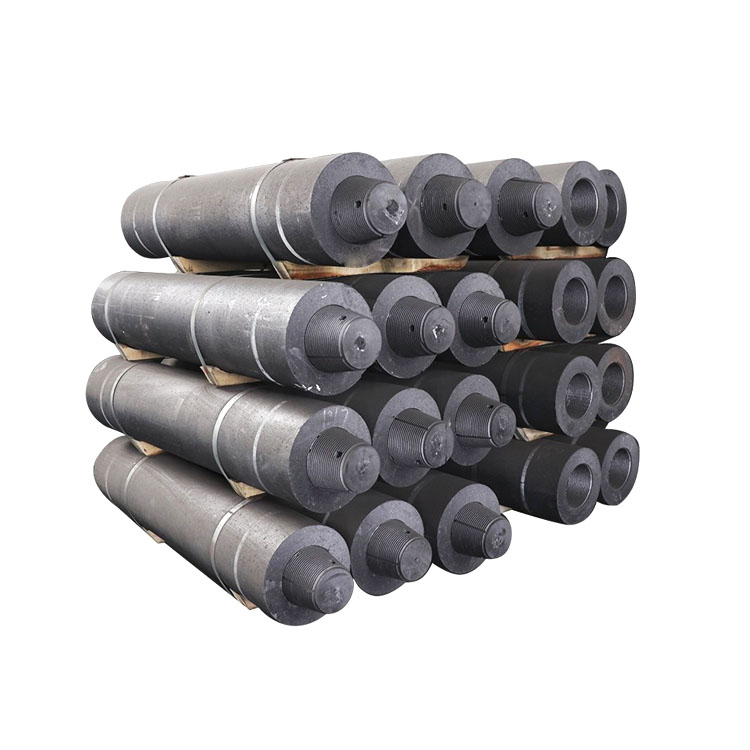
Unstable Al₂O₃ leads to microcracking under thermal cycling—a common issue in blast furnaces. A case study from a German steel mill revealed that bricks with ±3% variation in Al₂O₃ content had a 40% shorter lifespan compared to those within ±1%. That’s not just about replacing bricks—it’s about unplanned shutdowns, lost production, and safety risks when linings suddenly degrade.
High-alumina dense fireclay bricks with consistent Al₂O₃ (typically 40–45%) offer superior thermal shock resistance—up to 3x better than standard clay bricks—and resist alkali attack due to their weakly acidic nature. This means they don’t react aggressively with basic or neutral refractories like magnesia or chrome-magnesite, reducing interfacial degradation. As Dr. Lena Müller, Head of Materials Science at Fraunhofer IKTS, notes:
“Stable alumina content isn’t just a lab metric—it’s the difference between predictable maintenance cycles and emergency repairs.”
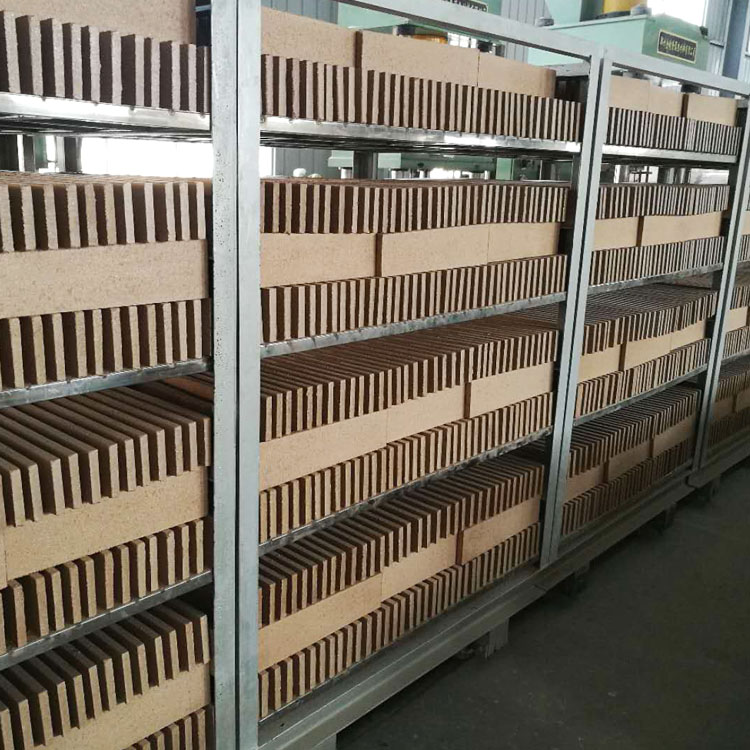
In a recent project at a Middle Eastern glass manufacturing plant, switching to bricks with stabilized Al₂O₃ reduced annual liner replacement costs by 28%. Similarly, in Indian cement kilns, consistent Al₂O₃ content extended brick life from 18 months to over 24 months—without increasing initial investment.
These outcomes aren’t accidental—they’re rooted in compliance with international standards such as ISO 18886 and ASTM C168. Our bricks undergo rigorous batch testing to ensure Al₂O₃ remains within ±1%, guaranteeing both performance consistency and regulatory alignment across global markets.
.jpg)
Whether you're evaluating suppliers or optimizing existing procurement strategies, understanding how Al₂O₃ stability affects real-world outcomes is essential. It’s not just about specs—it’s about minimizing risk, maximizing uptime, and ensuring your operations stay safe, efficient, and compliant.
Get access to our comprehensive technical datasheets, including Al₂O₃ stability reports, thermal cycle test results, and industry-specific application guides.
Download Product Technical Specifications


 <#else>


