Have you ever experienced unexpected furnace downtime due to premature refractory failure? You're not alone. In high-temperature industrial applications—from steelmaking to glass production—Al₂O₃ content stability is the silent guardian of safety, efficiency, and cost control.
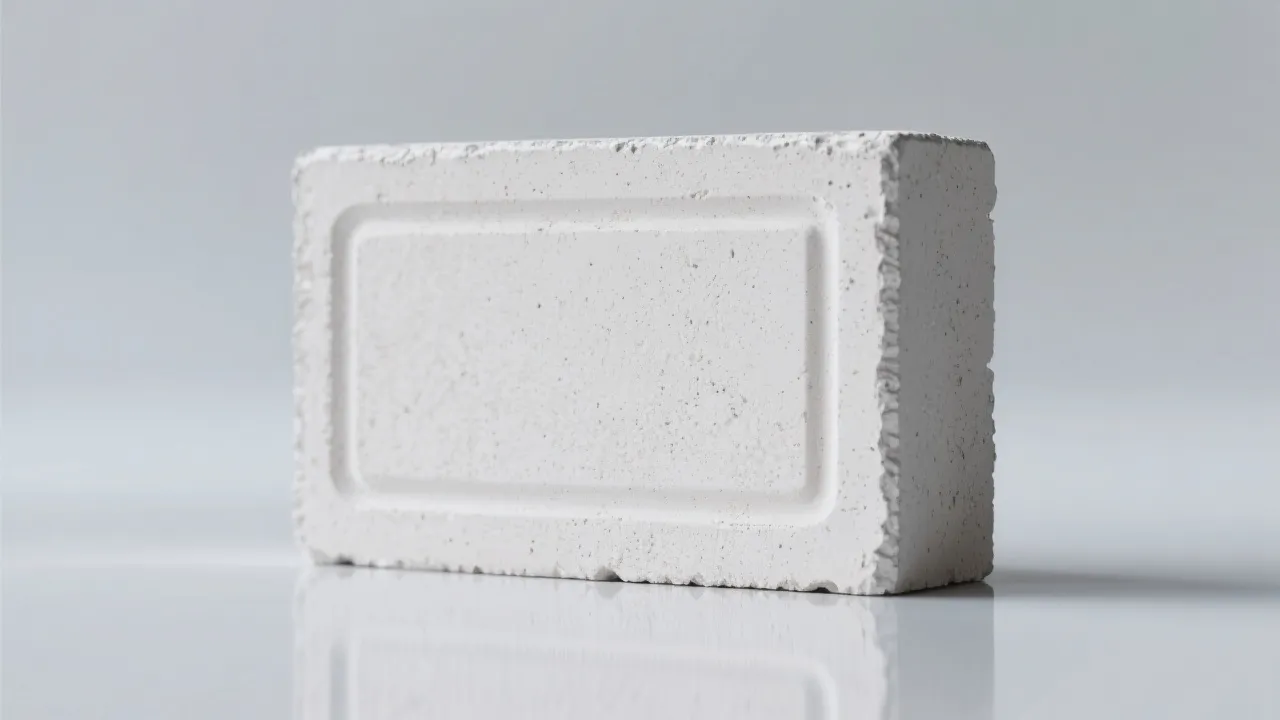
Fluctuations in alumina (Al₂O₃) content—especially below 30% or above 46%—can cause severe thermal shock damage. A study by the International Commission on Refractories (ICR) found that bricks with inconsistent Al₂O₃ levels show up to 35% higher crack propagation rates after 50 heating cycles at 1700°C. Why? Because unstable oxide distribution weakens grain bonding, leading to microcracks that grow rapidly under thermal stress.
| Property | Optimal Range (30–46% Al₂O₃) | Risk Zone (<30% or >46%) |
|---|---|---|
| 抗折强度 (MPa) | ≥ 18 MPa | ≤ 12 MPa |
| 体积密度 (g/cm³) | ≥ 2.4 | ≤ 2.1 |
| 显气孔率 (%) | ≤ 18% | ≥ 25% |
In a case from a European cement plant, switching from standard clay bricks (Al₂O₃ range: 25–50%) to stabilized ones (32–44%) reduced unplanned shutdowns by 67% over 12 months. The key? Reduced chemical erosion from molten slag and consistent performance across temperature gradients.
ISO 18872:2018 Clause 5.3: "Refractory materials used in continuous service must maintain composition within ±2% of specified values to ensure structural integrity."
This isn't just theory—it's what engineers demand when specifying for new projects or replacing worn-out linings. Whether you're in metallurgy, ceramics, or waste-to-energy, stable Al₂O₃ content means fewer repairs, less downtime, and safer operations.
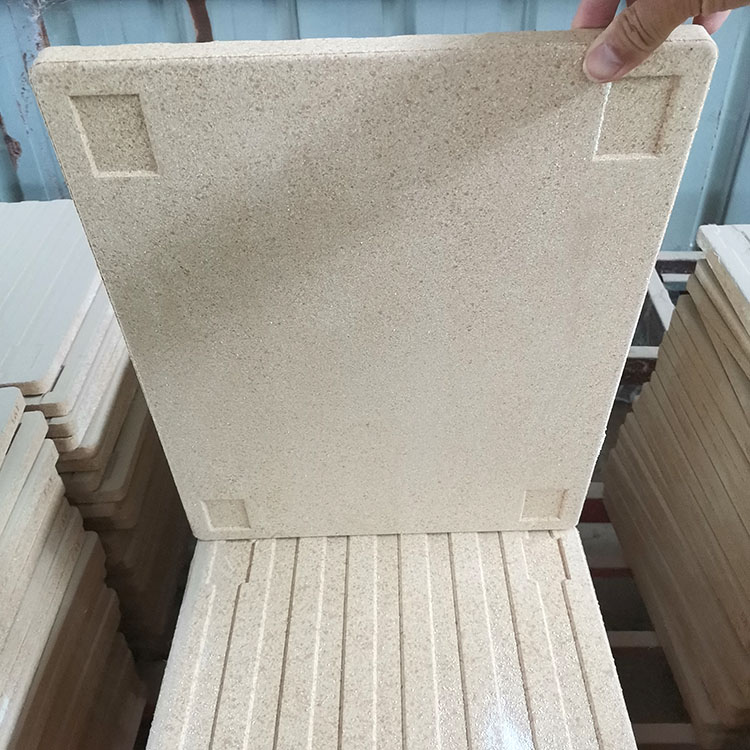
Let every kiln cycle be predictable. Let every furnace run safely. That’s the power of choosing refractory bricks where chemistry meets consistency.
Get our free technical dossier on high-alumina refractory brick selection criteria—used by top global manufacturers for reliable liner life.
Download Now – Free Technical Guide