In the steel industry, the coke dry quenching (CDQ) system plays a crucial role. High - alumina mullite refractory bricks are widely used in CDQ systems. However, their thermal shock resistance directly affects the service life of the lining and the overall production efficiency. This article delves into the key factors influencing the thermal shock resistance of these refractory bricks.
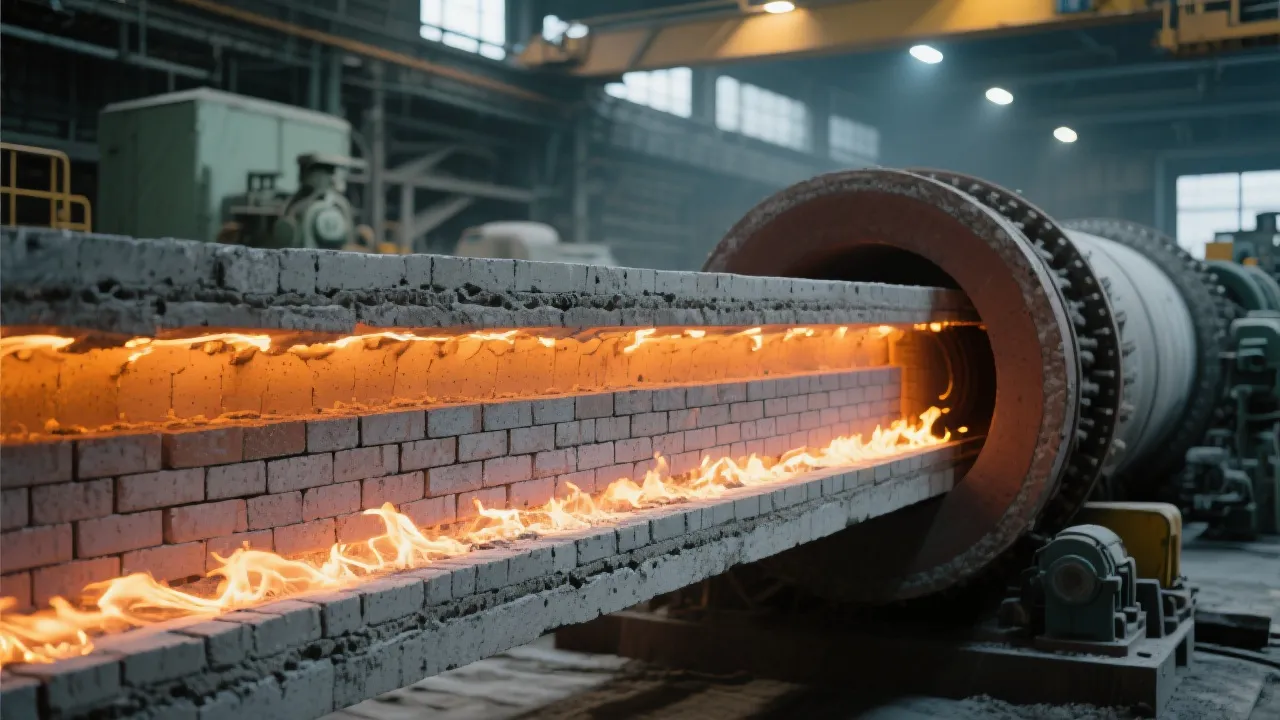
Refractory bricks in CDQ systems often face sudden temperature changes. For example, during the quenching process, the temperature can change from over 1000°C to a relatively low temperature in a short time. Such rapid temperature changes can cause thermal stress in the bricks, leading to cracking and spalling, which are typical thermal shock failure phenomena. According to industry statistics, about 30% - 40% of refractory brick failures in CDQ systems are related to thermal shock.
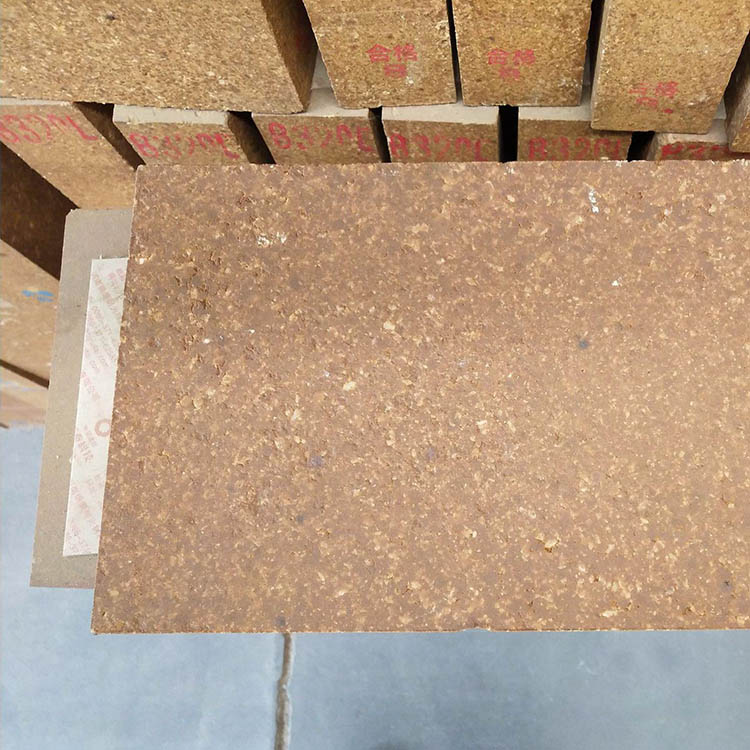
Raw Material Ratio: The scientific adjustment of the raw material ratio is fundamental. Different raw materials have different thermal expansion coefficients. By adjusting the proportion of high - alumina materials, mullite, and other additives, the overall thermal expansion coefficient of the refractory brick can be optimized. For instance, increasing the proportion of mullite can improve the thermal shock resistance as mullite has a relatively low thermal expansion coefficient. A well - designed raw material ratio can increase the thermal shock resistance by about 20% - 30%.
Microstructure Design: Optimizing the microstructure design is also crucial. A uniform and fine - grained microstructure can better withstand thermal stress. Through techniques such as particle size grading and dispersion control, the internal structure of the refractory brick can be improved. Studies have shown that a well - designed microstructure can reduce the crack propagation rate by about 15% - 25%.
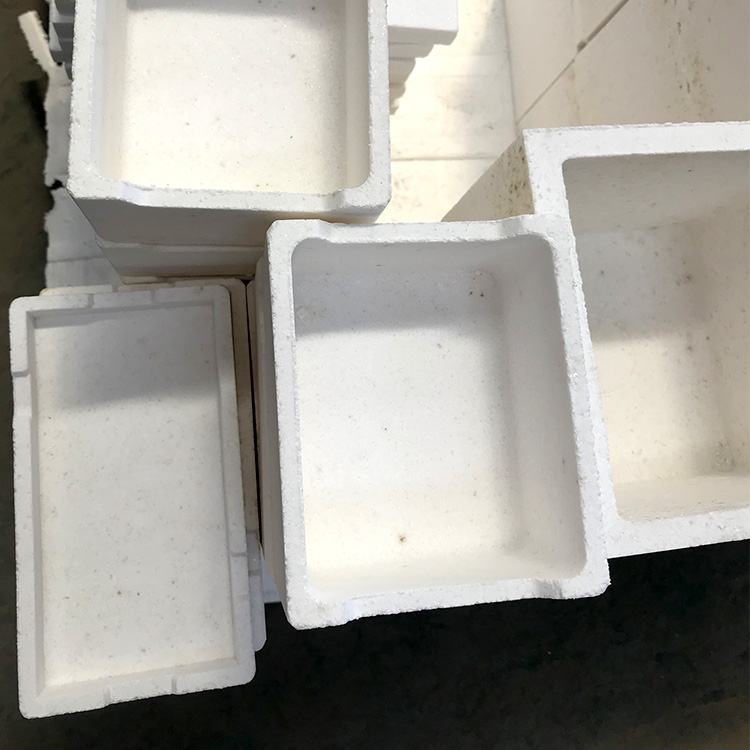
Sintering Process Control: The sintering process has a significant impact on the performance of refractory bricks. Key points in the sintering process include temperature control, heating rate, and holding time. An appropriate sintering process can improve the density and strength of the refractory brick, thereby enhancing its thermal shock resistance. For example, a slow heating rate and a proper holding time at high temperature can promote the formation of a stable crystal structure, which can increase the thermal shock resistance by about 10% - 20%.
Service Environment: The service environment, especially the cold - hot cycle, also affects the thermal shock resistance. In a CDQ system, the number of cold - hot cycles can reach hundreds or even thousands of times during the service life of the refractory brick. Each cycle further weakens the structure of the brick. Therefore, understanding the service environment and taking corresponding protective measures are essential.
From material selection to installation, a comprehensive optimization strategy is needed. For example, when selecting materials, consider not only the chemical composition but also the physical properties. During the installation process, ensure proper installation techniques to avoid introducing additional stress. As an expert in the field once said, "A well - optimized full - process can double the service life of refractory bricks in CDQ systems."
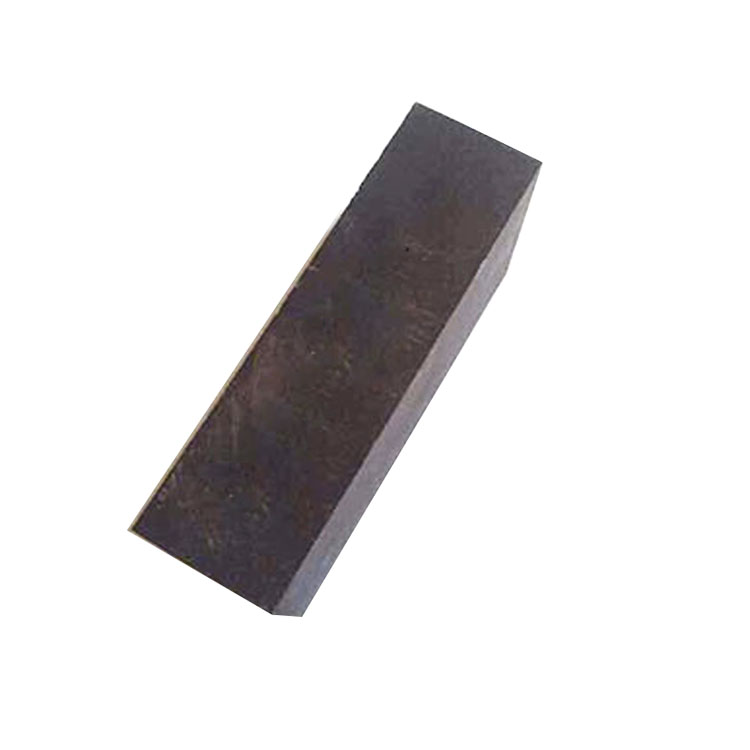
In conclusion, by understanding and optimizing these key factors, steel industry technicians can significantly improve the thermal shock resistance of high - alumina mullite refractory bricks in CDQ systems. This not only extends the service life of the lining, reduces the risk of furnace shutdown, but also maximizes production efficiency. Are you ready to enhance your production efficiency with our high - performance refractory bricks? Click here to learn more!


.jpg?x-oss-process=image/resize,h_1000,m_lfit/format,webp)