In the high-stakes world of iron and steel production, every minute of unplanned downtime translates to significant financial losses. Industry reports indicate that a single blast furnace outage can cost manufacturers up to $200,000 per hour in lost production and maintenance expenses. Among the critical components affecting operational continuity, the blast furnace trough system stands out as a frequent pain point, with average lifespans ranging from just 30 to 45 days in many facilities.
"A 10% extension in trough lifespan can result in approximately $1.2 million in annual savings for a mid-sized steel plant, considering reduced maintenance costs and increased production uptime." — International Iron and Steel Institute, 2023
The extreme operating environment of blast furnace troughs subjects them to a triple threat of mechanical, thermal, and chemical stressors:
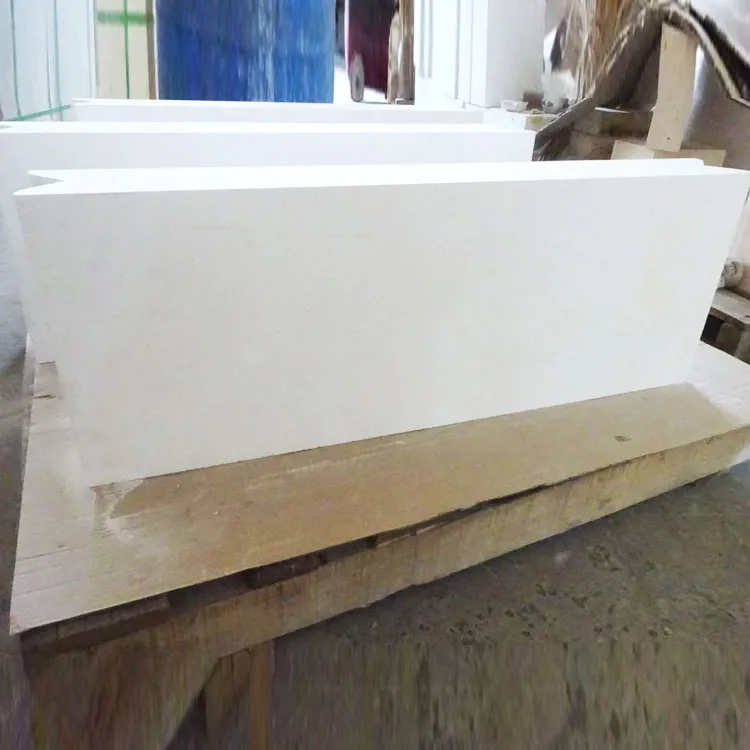
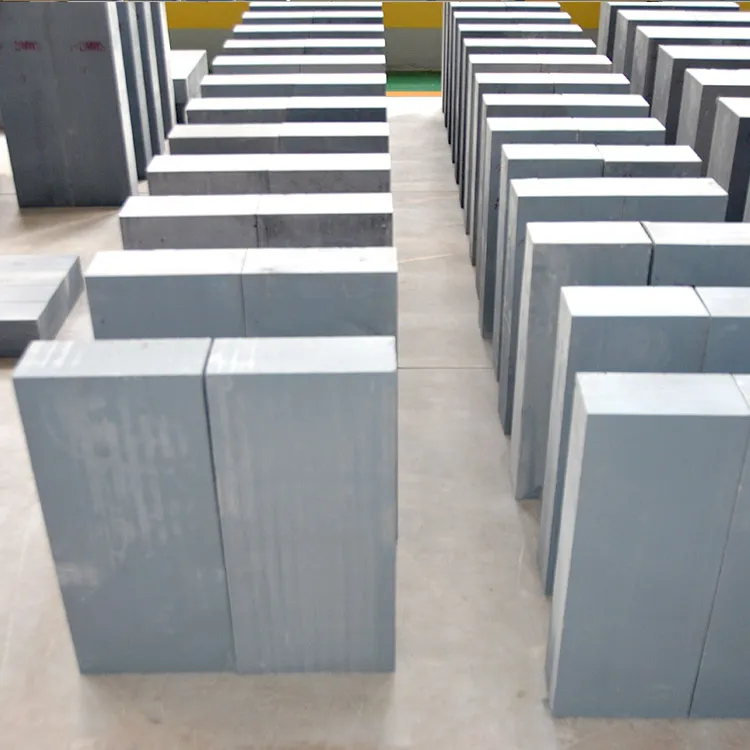
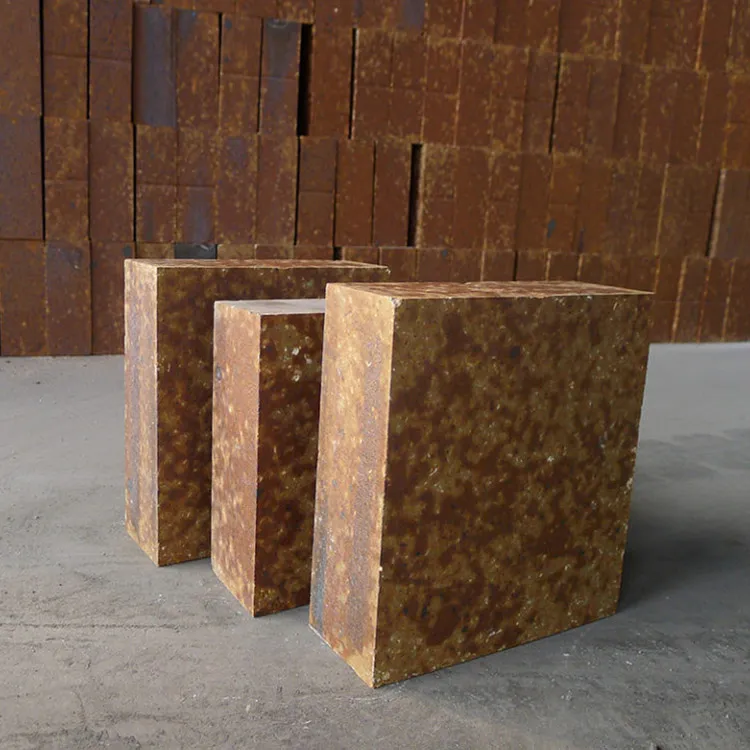
Modern refractory materials have evolved significantly to address these challenges. Comparative studies show that selecting the optimal material can extend trough life by 50-80%:
| Material Type | Average Lifespan | Cost-Effectiveness Rating | Best Application Scenario |
|---|---|---|---|
| Alumina-Silica Castables | 30-45 days | ★★★☆☆ | Standard operating conditions |
| Magnesia-Alumina Spinel | 50-70 days | ★★★★☆ | High-slag environments |
| Carbon-Bonded Materials | 60-85 days | ★★★★☆ | High-temperature, high-erosion areas |
| Composite Ceramic Matrix | 80-110 days | ★★★☆☆ | Maximum performance requirements |
Even the highest quality materials can fail prematurely without proper installation. A study by the Refractory Ceramic Engineers Association found that 35% of trough failures can be directly attributed to poor construction practices rather than material performance.
Key installation factors include proper mixing of refractory materials (water content within ±1% of specification), vibration techniques to eliminate air pockets, and controlled curing processes. Temperature monitoring during the first 72 hours after installation is critical, with optimal curing temperatures maintained between 20-25°C for maximum material strength development.
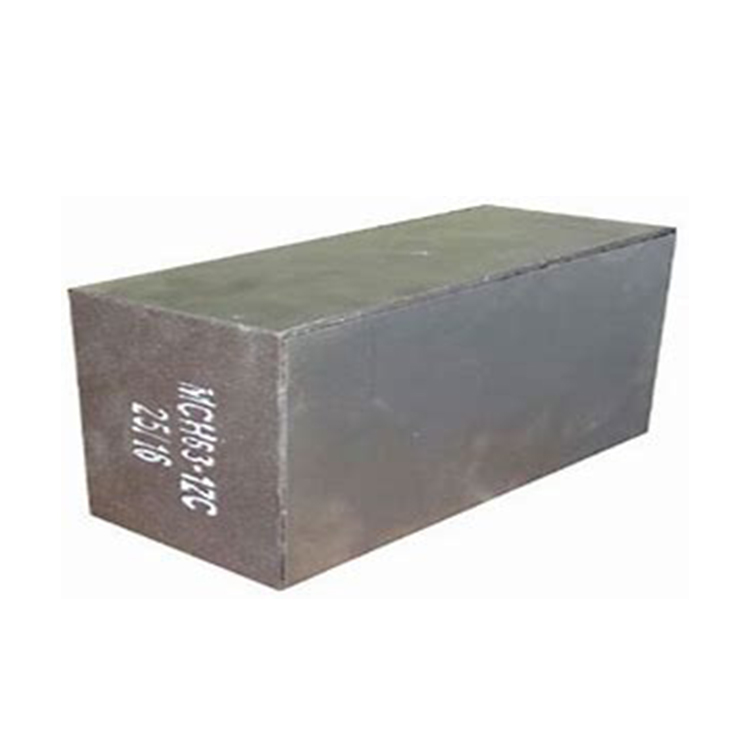
The shift from reactive to predictive maintenance has revolutionized trough management. Leading steel producers implementing Sunrise's intelligent monitoring systems have reported up to 40% reduction in unplanned downtime and 35% extension in trough service life.
A case study from a major European steel producer demonstrated that implementing a comprehensive monitoring system resulted in trough lifespan increasing from 42 to 76 days, reducing annual maintenance costs by €890,000 while increasing production output by an additional 3,200 tons monthly.
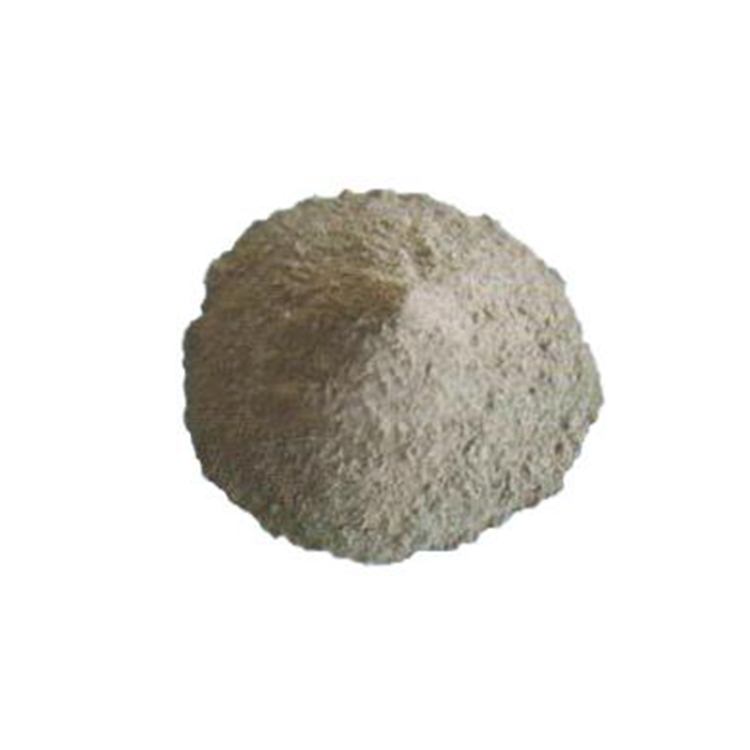
The most successful trough management programs combine material science, precision installation, and intelligent monitoring into a cohesive strategy. By analyzing data from over 120 steel plants worldwide, we've identified that facilities implementing this integrated approach achieve an average trough lifespan of 85 days—more than double the industry average—while reducing maintenance labor requirements by 28%.
Discover how Sunrise's integrated monitoring solutions can help you predict failures before they occur, extend trough life, and boost your bottom line.
Download Our Trough Optimization Case StudyWhat specific challenges have you encountered with blast furnace trough maintenance? Have you implemented any innovative solutions that delivered measurable results? We'd welcome your insights and experiences in the comments section below.