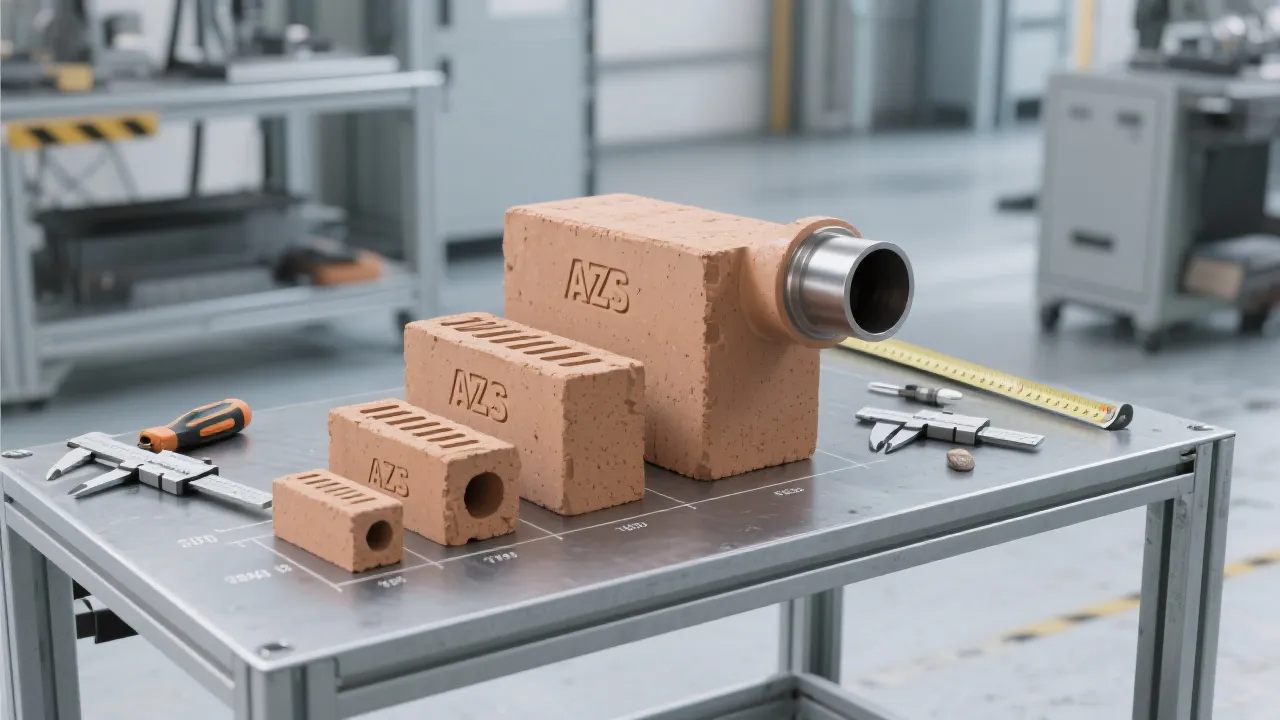
In the dry coke quenching (CDQ) system, refractory bricks are constantly exposed to extreme temperature differentials, which pose significant challenges to their thermal shock resistance. This article aims to provide a comprehensive analysis of the evaluation method for the thermal shock resistance of high - alumina mullite refractory bricks used in CDQ systems, offering valuable insights for technical decision - makers and engineering maintenance personnel in the steel and related industries.
In the CDQ process, the temperature can change drastically, causing severe thermal stress on the refractory bricks. This thermal shock can lead to cracks, spalling, and ultimately, the failure of the refractory lining. For users, selecting the right refractory bricks and maintaining them properly are crucial but often fraught with difficulties. Incorrect selection can result in frequent replacements, increased maintenance costs, and production disruptions.
The ΔT = 850°C water - cooling test is a key laboratory standard for evaluating the thermal shock resistance of refractory bricks. The principle behind this test is to simulate the extreme temperature changes in the CDQ system. The test specimen is heated to 850°C and then rapidly cooled in water, simulating the thermal shock conditions in actual operation. By repeating this cycle multiple times, the number of cycles the specimen can withstand before significant damage occurs is recorded.
This test provides a scientific basis for evaluating the thermal shock performance of refractory bricks. For example, in a laboratory test of a certain batch of high - alumina mullite refractory bricks, specimens were subjected to the ΔT = 850°C water - cooling test. After 20 cycles, only a few minor cracks were observed, indicating good thermal shock resistance. However, it should be noted that laboratory tests are only the first step in the evaluation process.
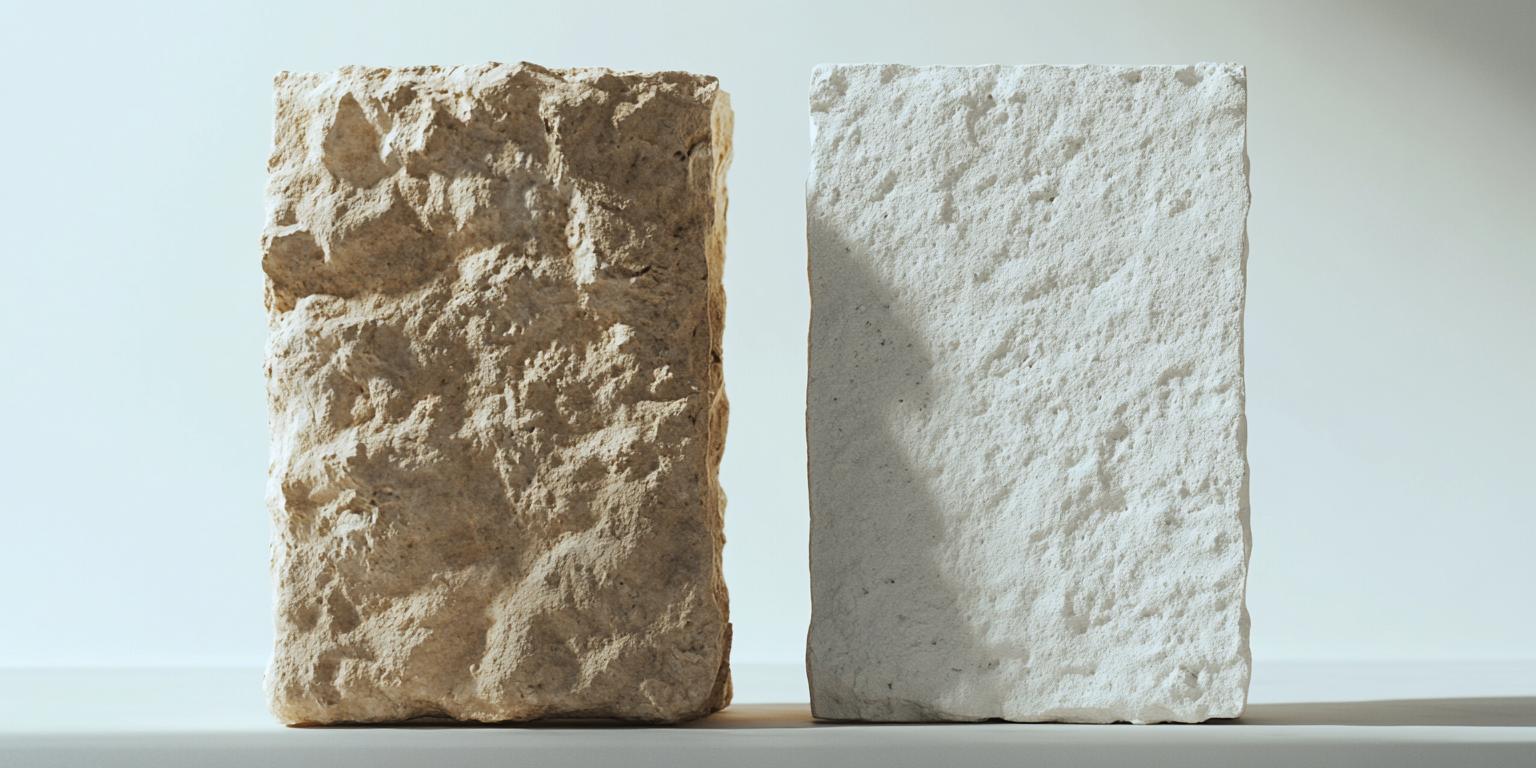
To accurately assess the actual thermal shock stability of refractory bricks, field data is also essential. By monitoring the crack growth rate and spalling area of refractory bricks in the high - temperature service environment of the CDQ system, a more comprehensive understanding of their performance can be obtained. For instance, in a steel plant, through long - term monitoring of the refractory lining in the CDQ chamber, it was found that although a certain type of refractory brick passed the laboratory test, in the actual service environment, the crack growth rate was relatively high after 6 months of operation, and spalling occurred in some areas. This shows that combining laboratory and field data is necessary for a full - chain performance verification.
There are some common misunderstandings in the selection and evaluation of refractory bricks. One of the most common is over - relying on the refractoriness under load temperature while neglecting the thermal shock stability index. For example, some users choose refractory bricks based solely on their high refractoriness under load, but in the CDQ system with significant thermal shock, these bricks may still fail prematurely due to poor thermal shock resistance. Therefore, it is important to pay attention to the thermal shock stability index when selecting refractory bricks.
In recent years, infrared thermal imaging technology has been widely used in the detection of thermal shock damage in refractory bricks. Front - line engineers have found that this technology can effectively identify local overheating and early thermal shock damage. For example, in a CDQ system maintenance project, by using infrared thermal imaging, engineers were able to detect areas of abnormal temperature rise in the refractory lining in advance, which were potential areas of thermal shock damage. By taking proactive measures such as timely repairs or replacements, the service life of the refractory lining can be extended, and the maintenance mode can be shifted from passive repair to active maintenance.
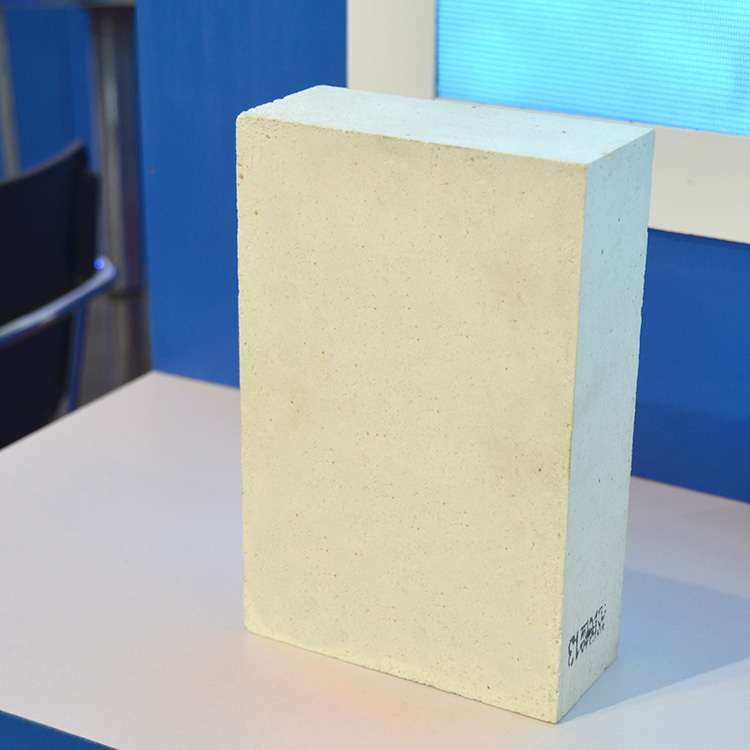
Do you have any questions about the thermal shock resistance test of CDQ refractory bricks? Feel free to leave your questions below, and we will do our best to answer them.
For more in - depth information on the thermal shock resistance of CDQ refractory bricks, our technical whitepaper is a valuable resource. It contains detailed data, case studies, and practical guidelines. Click here to download the whitepaper for free.




.jpg?x-oss-process=image/resize,h_1000,m_lfit/format,webp)