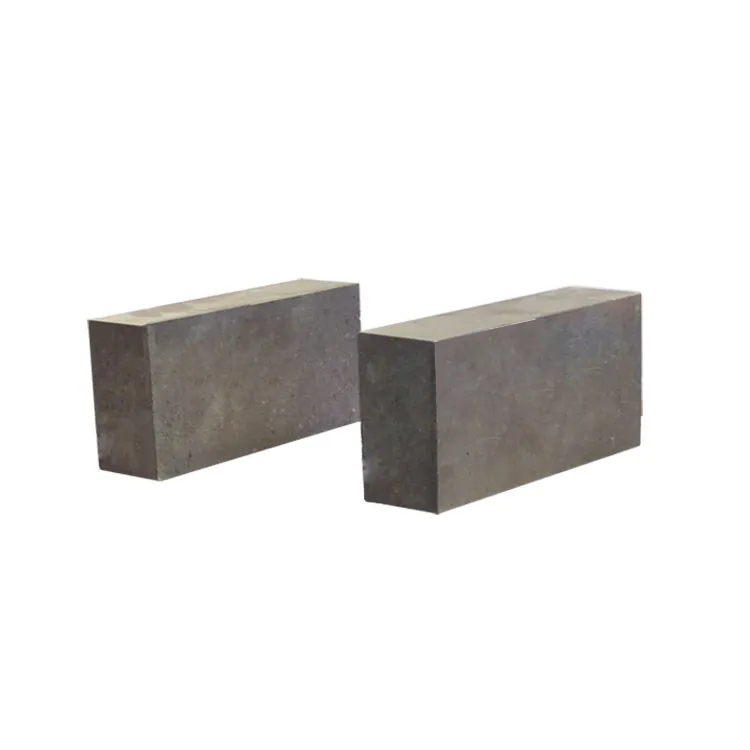
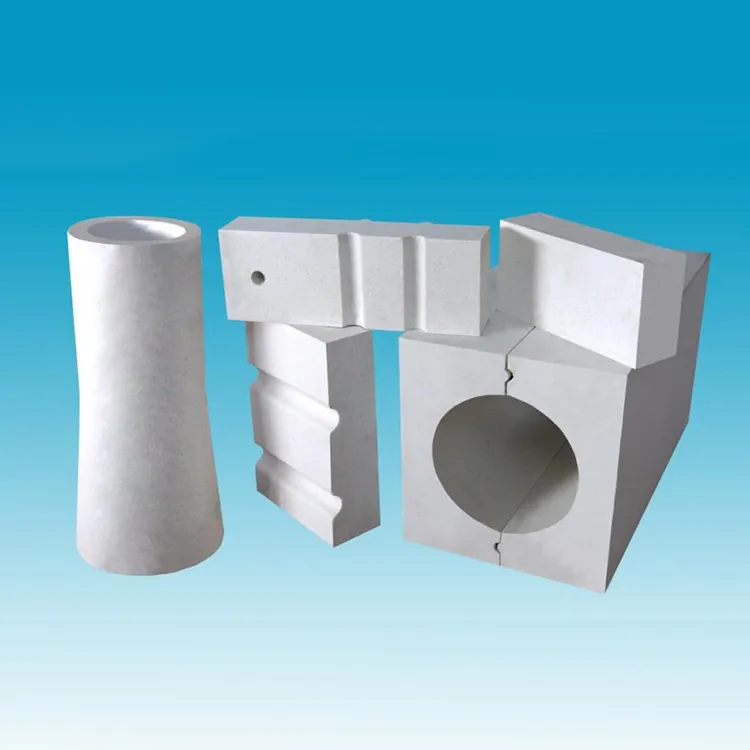
In the demanding environments of steelmaking and coking plants, charging areas face some of the harshest conditions imaginable. These critical zones endure extreme temperatures reaching 1,600°C, intense mechanical abrasion from raw materials, and rapid thermal cycling that tests the limits of any material. According to industry research, approximately 30% of unplanned downtime in steel production can be attributed to refractory failures in charging areas, resulting in average losses of $50,000 to $200,000 per hour of production stoppage.
Charging zones present a unique combination of challenges that demand specialized refractory solutions:
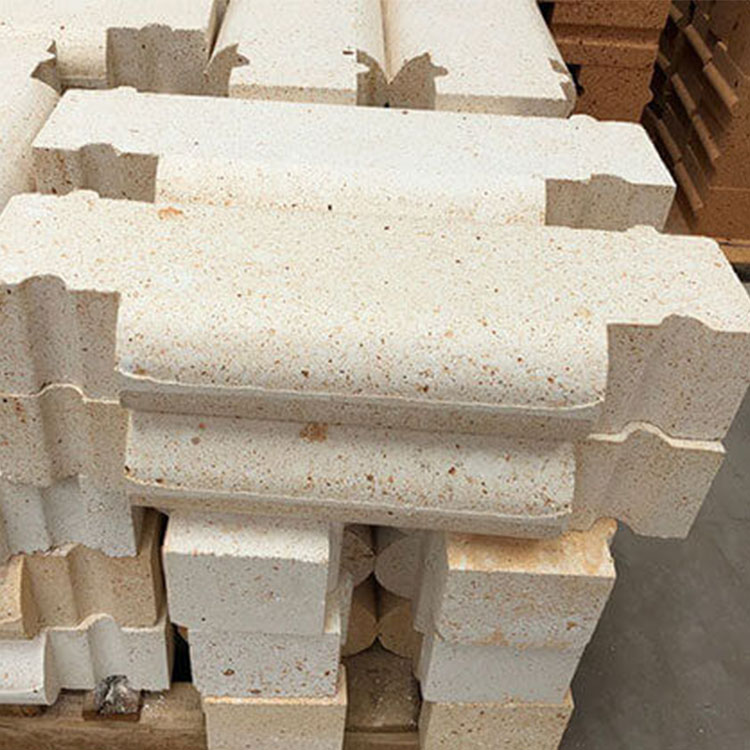
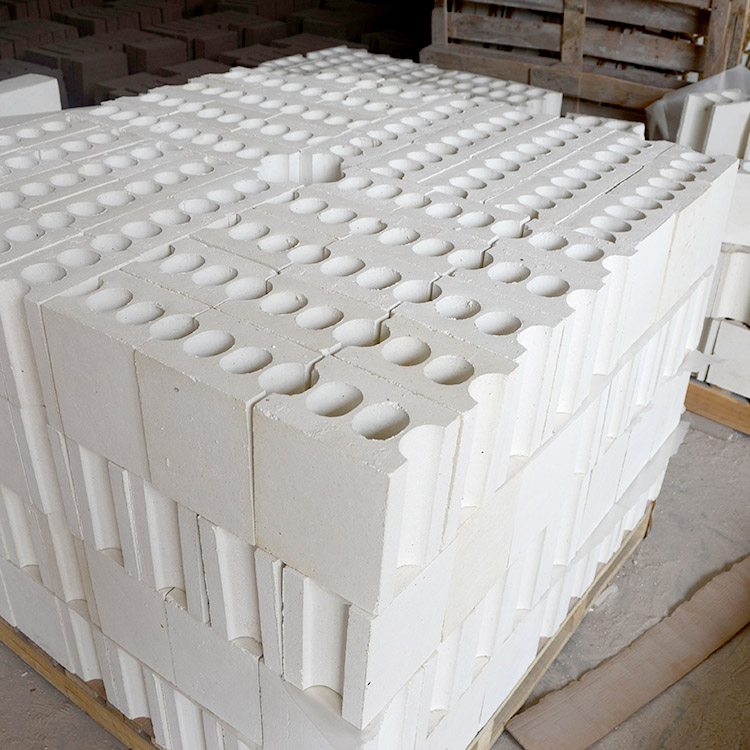
Mullite-silicon carbide (SiC) refractory bricks have emerged as the material of choice for modern charging area applications. This advanced composite material combines the best properties of both components:
| Property | Mullite-SiC Bricks | Conventional Fireclay Bricks |
|---|---|---|
| Temperature Resistance | Up to 1750°C | Up to 1450°C |
| Thermal Shock Resistance | Excellent (>50 cycles at 1100°C water quench) | Fair (15-25 cycles) |
| Abrasion Resistance | Superior (1.2 cm³ loss max in ASTM C704 test) | Moderate (4.5-6.0 cm³ loss) |
| Modulus of Rupture | 25-35 MPa at room temperature | 10-15 MPa at room temperature |
The unique microstructure of Sunrise mullite-SiC refractory bricks creates a material that can withstand the punishing conditions of charging areas. By combining mullite's excellent thermal shock resistance with silicon carbide's superior abrasion resistance and high thermal conductivity, these bricks offer a service life 2-3 times longer than conventional alternatives in most charging applications.
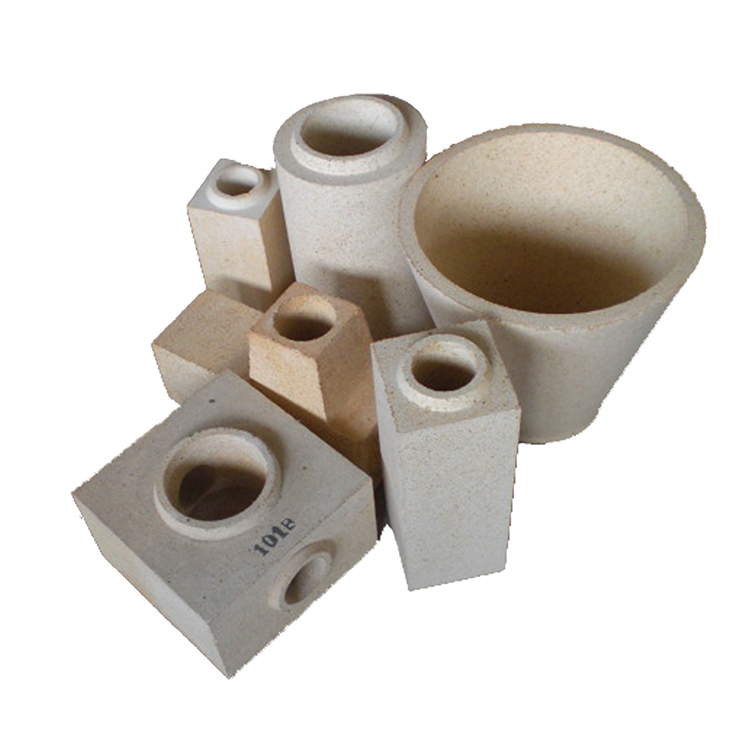
Selecting the optimal refractory brick requires a systematic evaluation of your specific operating conditions:
Document maximum temperatures, heating/cooling rates, and thermal cycling frequency. For temperatures exceeding 1500°C with rapid cycling, choose high-purity mullite-SiC compositions with ≥60% SiC content.
Evaluate material flow patterns, impact angles, and particle size. Areas with direct material impact require bricks with higher SiC content and denser microstructure.
Analyze slag composition, alkali content, and gaseous atmosphere to determine necessary chemical resistance properties.
Consider static loads, dynamic impacts, and structural requirements to ensure adequate mechanical strength.
Proper maintenance is critical to maximizing refractory performance and minimizing downtime. Implementing a proactive maintenance program can extend brick life by 30-40%:
Q: How often should charging area refractories be replaced?
A: With proper selection and maintenance, mullite-SiC refractories typically last 12-18 months in steel charging areas, compared to 6-8 months for conventional materials. Actual service life depends on specific operating conditions.
Q: Can mullite-SiC bricks be used in coke quenching tanks?
A: Yes, specially formulated mullite-SiC bricks are ideal for coke quenching applications due to their exceptional thermal shock resistance. Sunrise offers a specific grade optimized for the rapid quenching cycles in coke production.
Q: What's the typical installation time for charging area refractory replacement?
A: A complete reline of a standard charging area can typically be completed in 5-7 days with a specialized installation crew, minimizing production downtime.
Discover how Sunrise mullite-silicon carbide refractory solutions can reduce your maintenance costs by 35% and extend service life by up to 100%
Get Your Custom Refractory AssessmentMany steel and coking facilities have already experienced significant improvements after implementing scientific refractory selection practices. A leading European steel producer reported a 40% reduction in charging area maintenance costs and a 67% decrease in unplanned downtime after switching to Sunrise mullite-SiC refractories. Their success demonstrates the tangible benefits of proper material selection and maintenance in these critical applications.
Remember that every charging area has unique characteristics, and a one-size-fits-all approach rarely delivers optimal results. By combining a thorough understanding of your specific operating conditions with the right refractory technology, you can achieve substantial improvements in reliability, safety, and cost-efficiency.