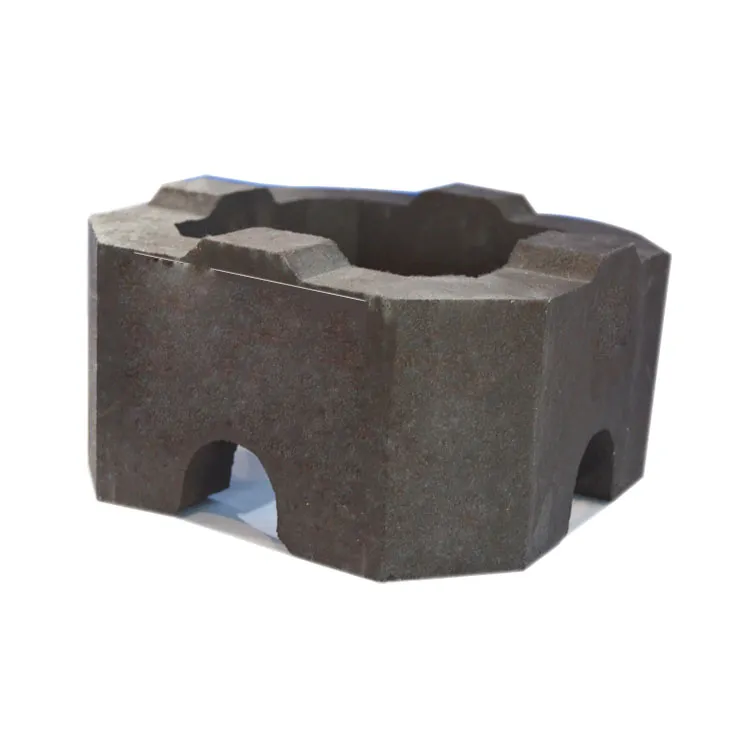
Every year, steel and coking plants worldwide lose millions of dollars due to unexpected downtime caused by refractory brick failures in charging areas. If you're responsible for maintaining coke quenching chutes or similar high-temperature equipment, you know the frustration of dealing with thermal cracking, abrasion damage, and premature spalling that disrupt production schedules and inflate maintenance costs.
Charging zones represent the most challenging environment for refractory materials, where temperatures can swing from ambient to 1,200°C in minutes—creating extreme thermal shock conditions. Traditional alumina or fireclay bricks typically fail within 3-6 months under these conditions, requiring costly shutdowns for replacement.
Industry Research Insight:
A recent survey of European steel producers found that refractory-related downtime in coke quenching systems averages 47 hours annually, resulting in production losses exceeding €2.3 million per facility.
Three primary failure modes plague charging area refractories:
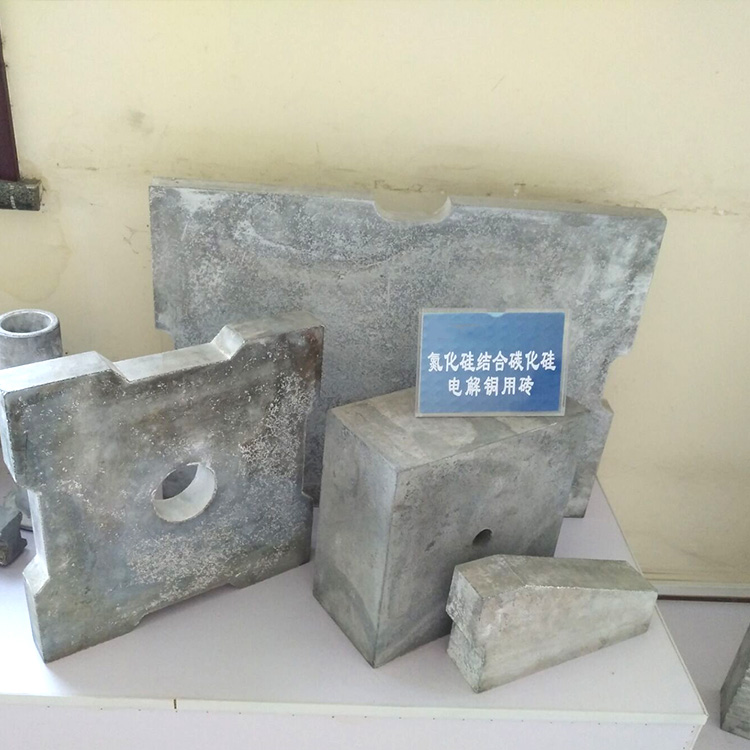
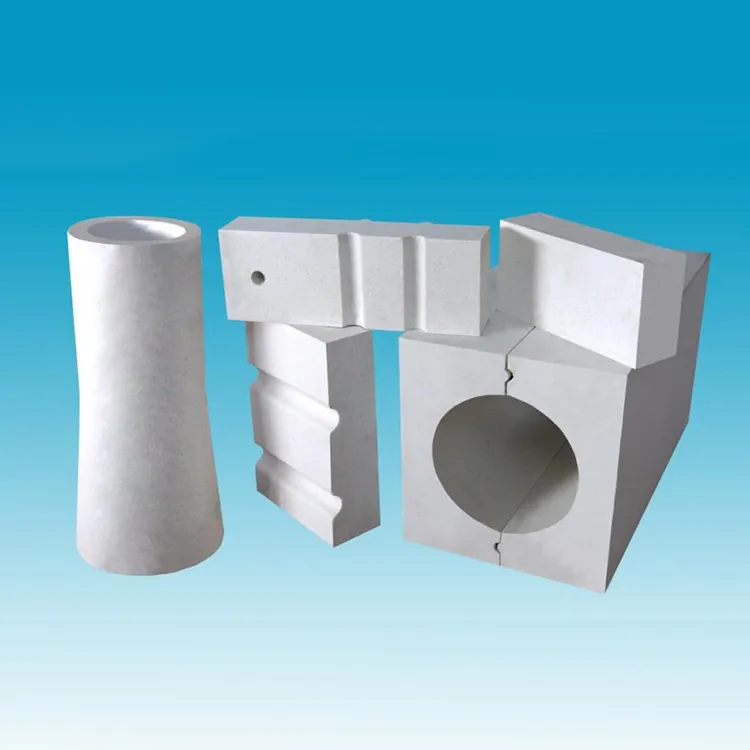
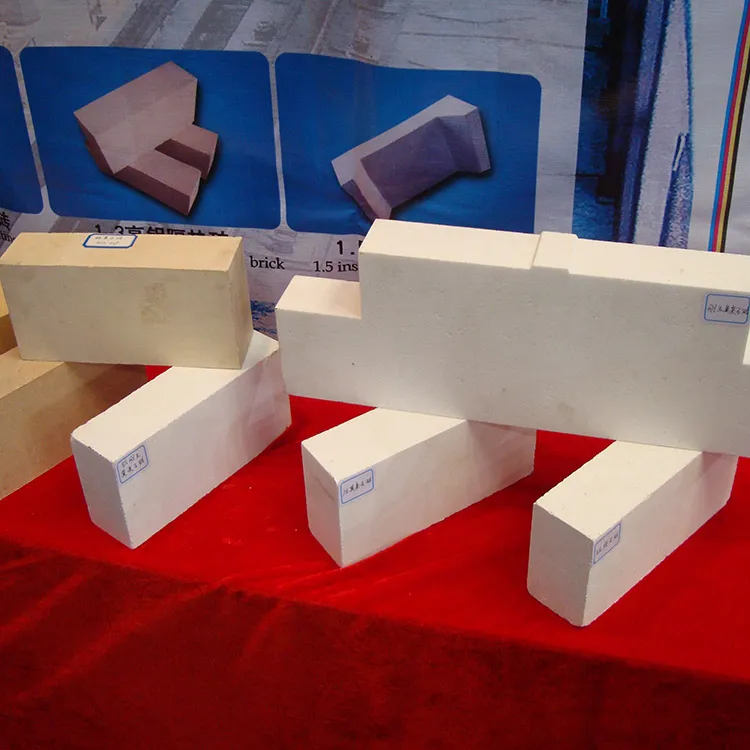
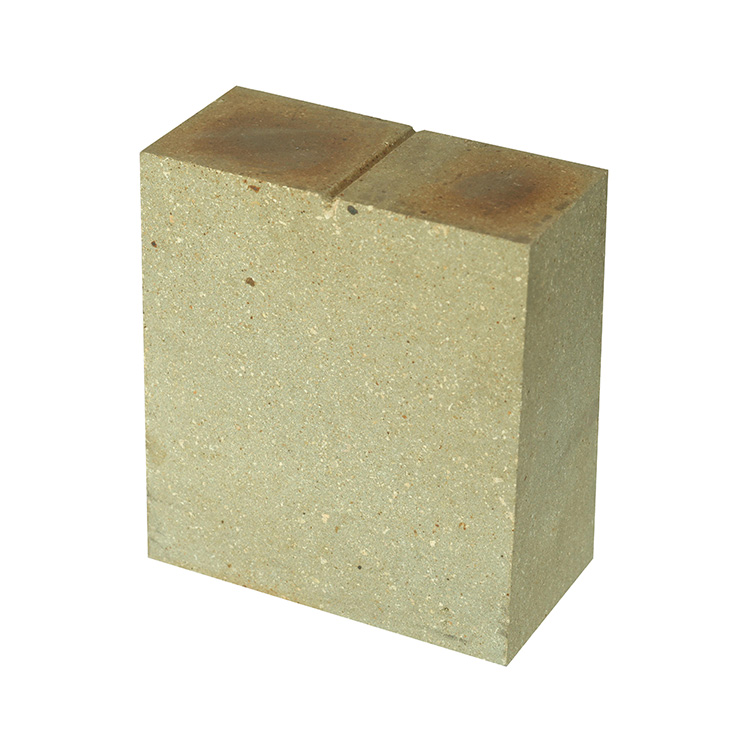
Sunrise mullite-silicon carbide refractories represent a significant advancement in high-temperature material technology, specifically engineered to address the unique challenges of coke quenching applications. Their superior performance stems from three key structural advantages:
With a controlled apparent porosity of ≤12% and bulk density exceeding 2.8 g/cm³, these bricks minimize penetration by molten slag and corrosive gases. This dense structure also reduces heat loss by up to 15% compared to conventional fireclay bricks, improving energy efficiency.
The unique combination of mullite (3Al₂O₃·2SiO₂) and silicon carbide (SiC) creates a composite material with exceptional thermal shock resistance. Laboratory testing shows these bricks can withstand over 50 thermal cycles (1100°C to room temperature) without visible damage—more than double the performance of standard alumina bricks.
Advanced manufacturing techniques ensure uniform distribution of reinforcing SiC particles throughout the mullite matrix, creating a material with flexural strength exceeding 30 MPa at room temperature and maintaining over 20 MPa at 1000°C—critical for withstanding mechanical stresses during charging operations.
Selecting the right refractory brick requires more than just comparing technical specifications. Use this systematic approach to ensure optimal material performance for your specific operating conditions:
Document temperature profiles, thermal cycling rates, coke particle velocity, and chemical exposure in your specific charging zone. This data forms the foundation for material selection.
Create a comparison matrix of candidate materials, scoring each against the performance criteria most critical to your operation. Sunrise technical specialists can provide detailed material data sheets and application recommendations.
Factor in installation complexity, curing requirements, and maintenance protocols. Some advanced refractories require specific installation techniques to achieve optimal performance.
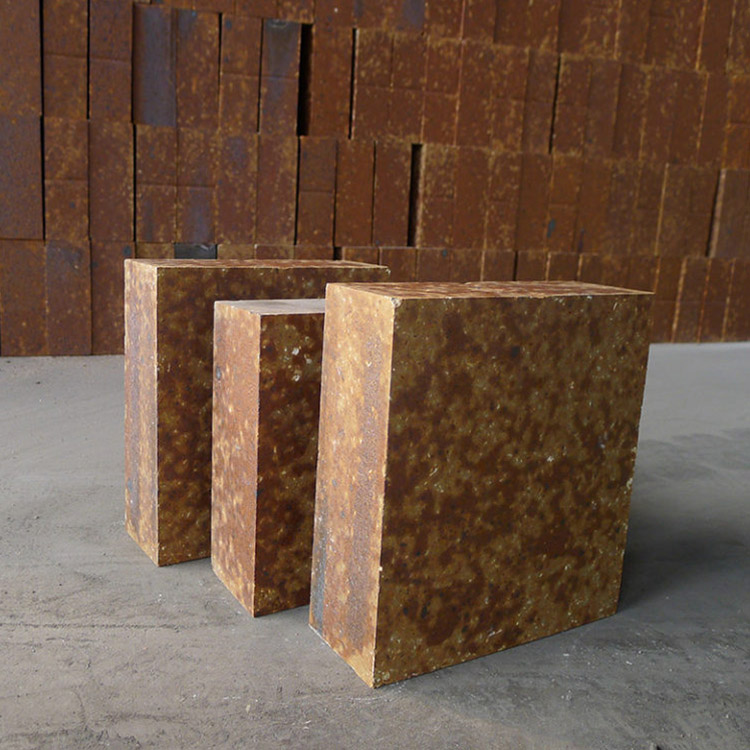
While premium refractories like Sunrise mullite-SiC bricks may have a higher upfront cost, their extended service life (typically 12-18 months versus 3-6 months for conventional materials) results in lower overall costs when accounting for downtime and replacement expenses.
Even the best refractory materials require proper maintenance to achieve maximum service life. Implement this preventive maintenance program:
One European coking plant implemented this maintenance protocol alongside Sunrise mullite-SiC refractories and achieved a 58% reduction in unplanned downtime while extending refractory life from 4 months to 16 months—a dramatic improvement that translated to over €1.2 million in annual savings.
Discover how Sunrise mullite-silicon carbide refractories can reduce replacement frequency by up to 50% while improving operational reliability in your coke quenching operations.
Get Your Custom Refractory SolutionIs thermal spalling causing frequent failures in your operation, or are you struggling more with abrasion wear? Understanding your specific challenge is the first step toward finding the right refractory solution.