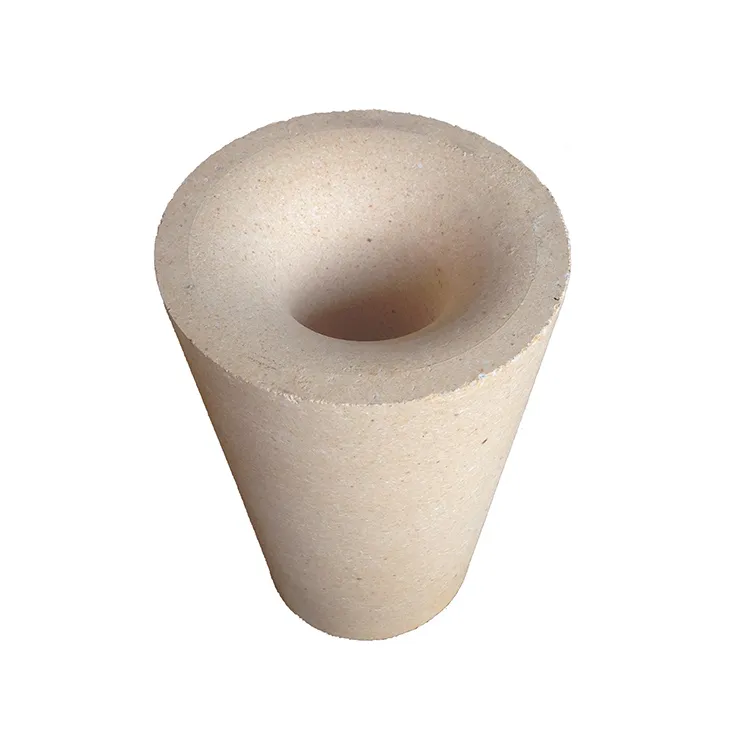
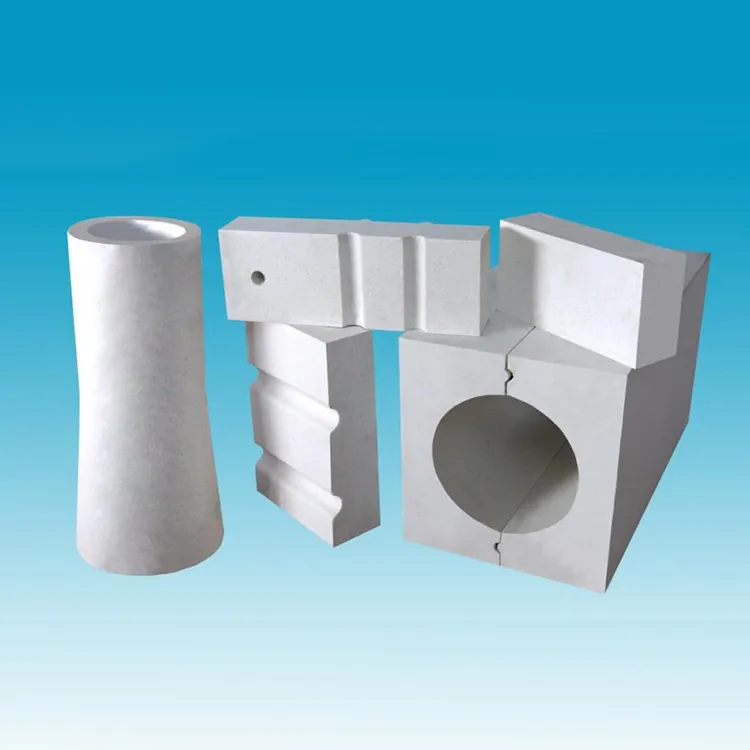
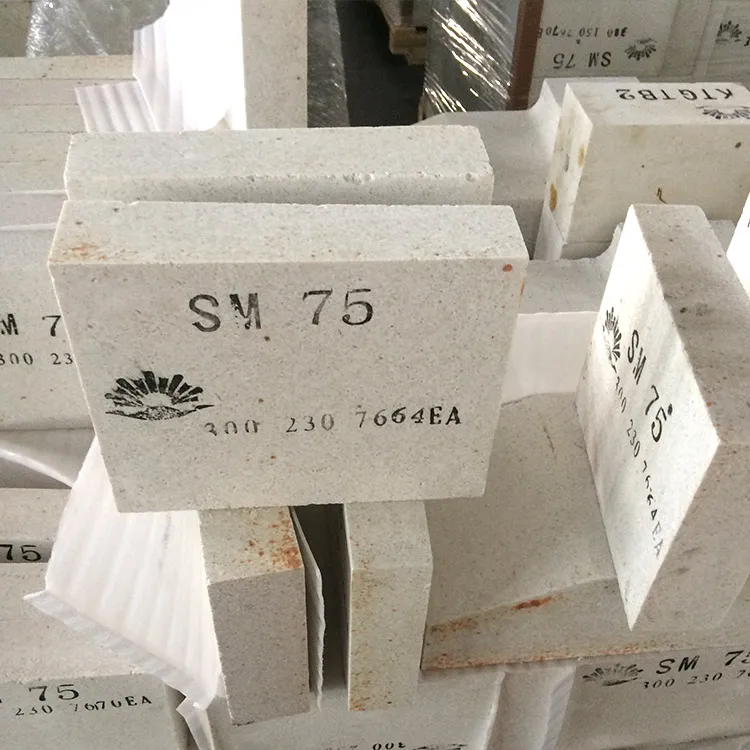
In the high-temperature environments of metallurgical and chemical processes, the selection of appropriate refractory materials directly impacts operational safety, equipment lifespan, and overall production costs. Silicon carbide refractory bricks have emerged as a critical solution for modern industrial furnaces, offering exceptional thermal conductivity, thermal shock resistance, and corrosion resistance. This guide provides practical insights for matching silicon carbide brick properties with specific furnace requirements.
Different industrial furnaces present unique operational challenges that demand specific refractory properties. Understanding these environmental factors is crucial for optimal material selection.
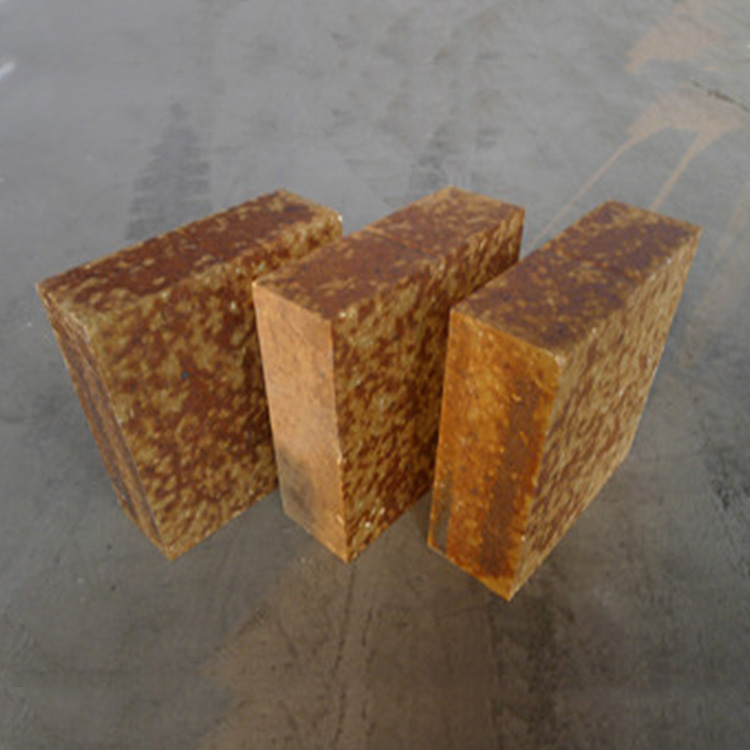
Operating at temperatures between 1200-1450°C with highly oxidizing conditions, converters require refractories with exceptional thermal shock resistance and oxidation resistance. Silicon carbide bricks with high density (>3.0 g/cm³) perform best in these cyclic temperature environments, typically extending campaign life by 30-40% compared to traditional magnesia-carbon bricks.
With temperatures reaching 1600°C and frequent temperature fluctuations, EAFs demand materials with superior thermal shock resistance. Nitride-bonded silicon carbide bricks from Sunrise have demonstrated 50% longer service life in EAF sidewalls compared to conventional alumina-silica refractories, reducing maintenance downtime significantly.
These units operate in aggressive environments with temperatures between 800-1000°C and high particle velocity, causing severe abrasion. Silicon carbide bricks with hardness exceeding 85 HRA provide optimal wear resistance, typically lasting 2-3 times longer than high-alumina alternatives in similar service conditions.
A major chemical plant replaced alumina bricks with Sunrise nitride-bonded silicon carbide in their sulfuric acid production furnace. The results were impressive:
Selecting the right silicon carbide refractory requires comprehensive assessment beyond basic temperature requirements. A structured evaluation should consider:
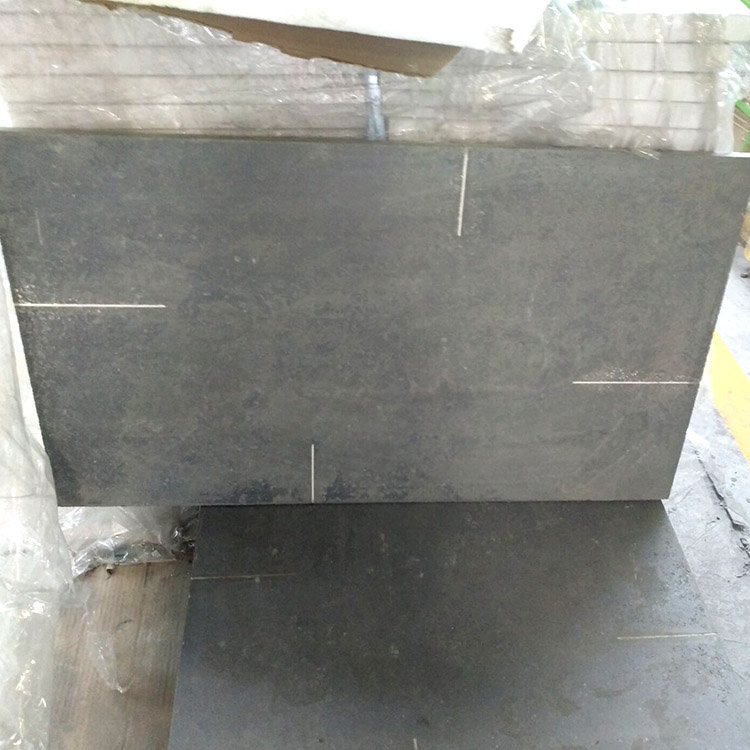
Critical areas such as tap holes, burner zones, and charging areas experience higher stress and require specialized grades. For example, tap hole areas benefit from silicon carbide with added graphite for improved lubricity and reduced adhesion.
Furnaces with frequent start-stop cycles demand higher thermal shock resistance, while continuous operation prioritizes creep resistance. Silicon carbide bricks with controlled porosity (15-20%) offer the best balance for cyclic operations.
Consider planned maintenance intervals when selecting refractory grades. Higher initial investment in premium silicon carbide often yields greater long-term savings by extending maintenance cycles and reducing unplanned downtime.
Improper refractory selection can lead to premature failure, safety hazards, and increased operational costs. Common pitfalls include:
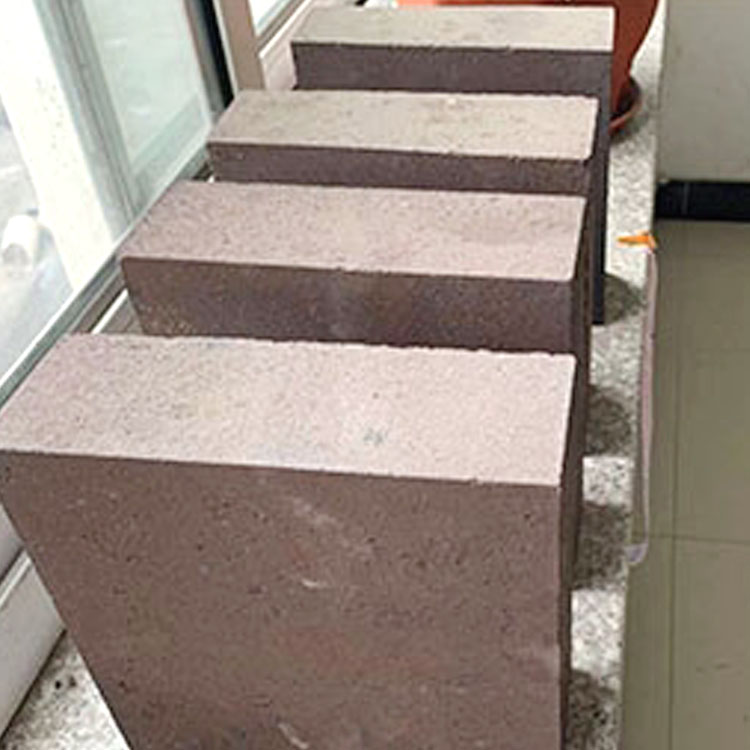
Sunrise offers a comprehensive range of silicon carbide refractory solutions tailored to your specific furnace requirements. Our technical team provides free material selection consultations to ensure optimal performance and cost-efficiency.
Get Your Custom Silicon Carbide Refractory AssessmentQ: How does temperature cycling affect silicon carbide brick performance?
A: Silicon carbide's low thermal expansion coefficient (4.5-5.5 × 10⁻⁶/°C) minimizes thermal stress during cycling. Proper installation with expansion joints further enhances performance in cyclic temperature environments.
Q: Can silicon carbide refractories be used in both acidic and alkaline environments?
A: Yes, nitride-bonded silicon carbide offers excellent resistance to both acidic and alkaline slags, making it versatile for complex industrial environments. Specific grades can be optimized for particular chemical exposures.
We welcome your questions about silicon carbide refractory selection for your specific furnace application. Share your furnace type, operating conditions, and current challenges in the comments below for personalized recommendations from our technical team.