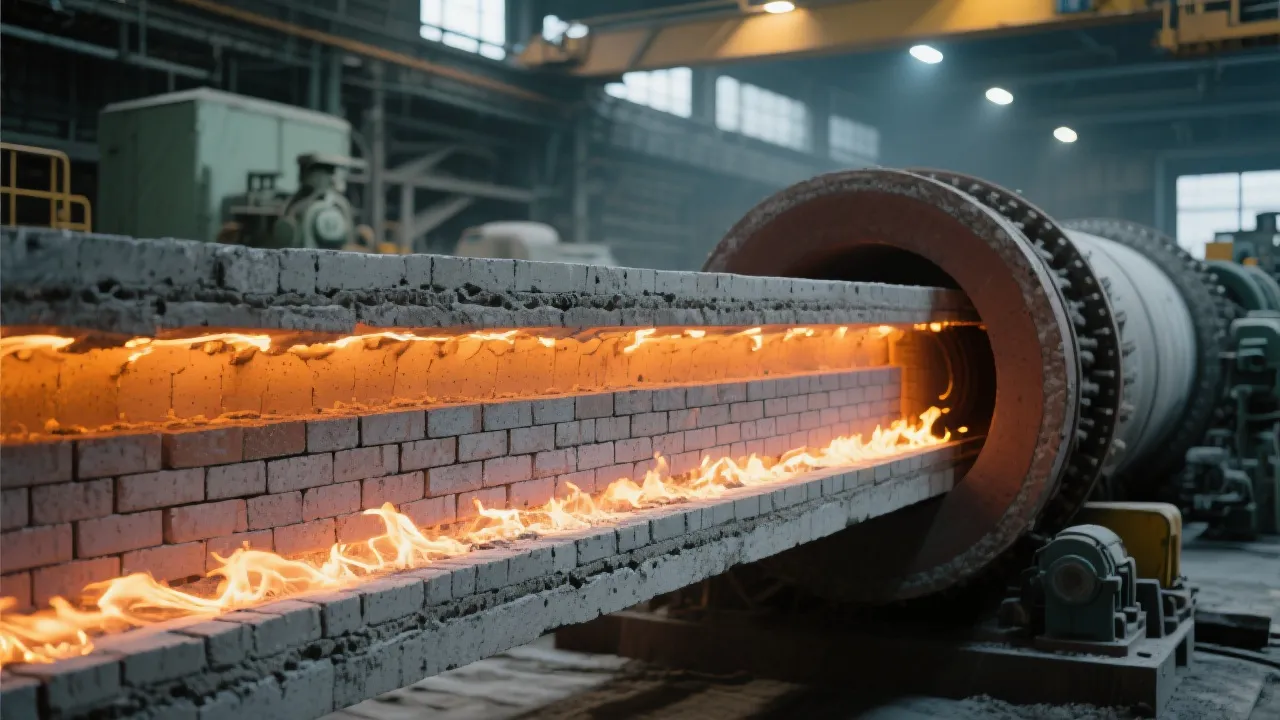
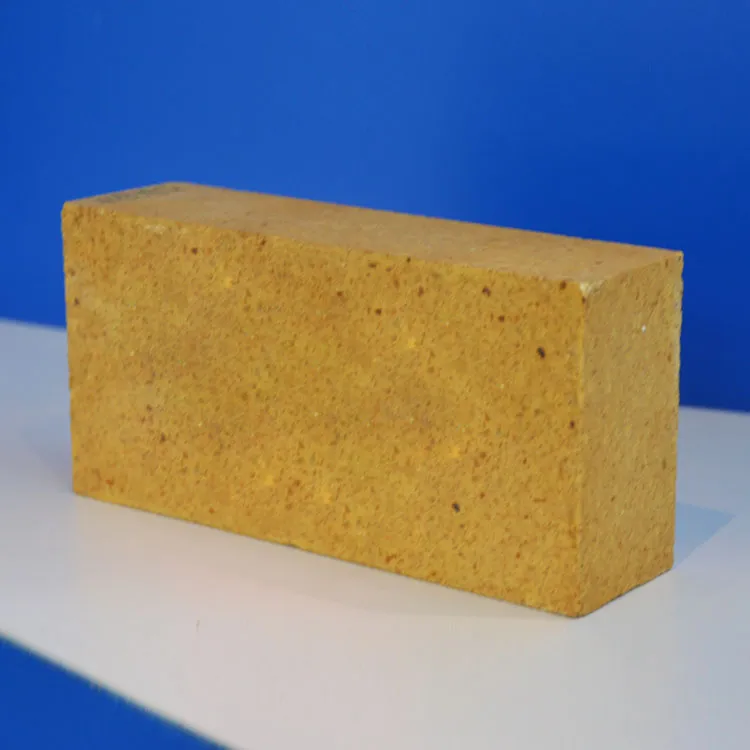
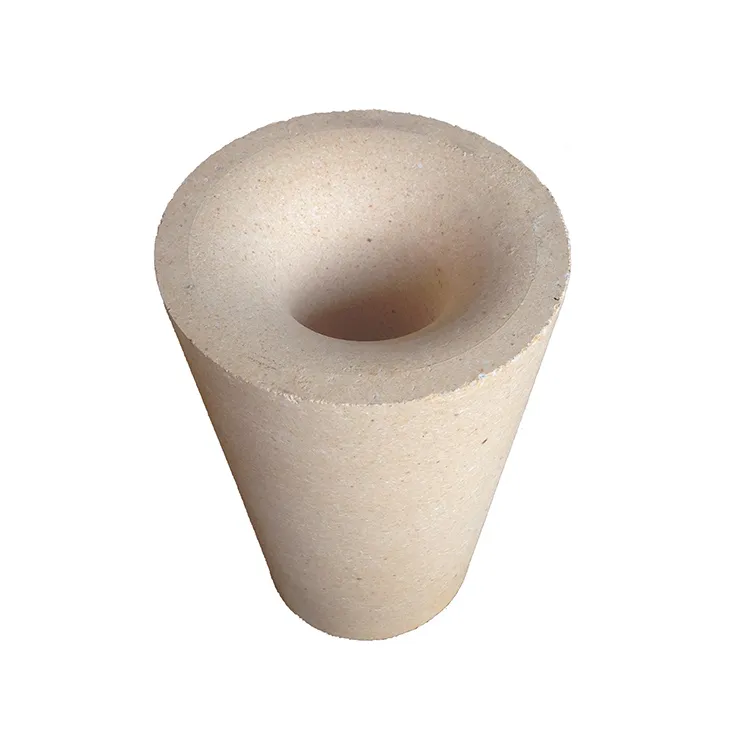
In the realm of the coke dry quenching system, the thermal shock resistance of refractory bricks is a critical factor that directly impacts the stability and longevity of the equipment. High - alumina mullite refractory bricks, widely used in this system, face extreme challenges due to large temperature differences. This article aims to comprehensively guide users on how to accurately evaluate the thermal shock resistance of these bricks through in - depth analysis of testing standards and laboratory practices.
The coke dry quenching system operates under extreme thermal stress. The rapid and large - scale temperature changes in the system can cause significant damage to the refractory bricks, such as cracking, spalling, and even structural failure. For users, selecting the right refractory bricks that can withstand these extreme conditions is a difficult task. According to industry statistics, nearly 30% of coke dry quenching system failures are related to the poor thermal shock resistance of refractory bricks.
One of the key laboratory testing methods is the water - cooling test with ΔT = 850°C. This test has a strict scientific principle. When the refractory brick is heated to a high temperature and then rapidly cooled in water, it simulates the actual thermal shock conditions in the coke dry quenching system. The scientific principle behind this test is based on the different expansion and contraction coefficients of the materials in the brick under temperature changes. During the test, accurate control of parameters such as heating rate, holding time, and cooling rate is crucial to ensure the accuracy and reproducibility of the data. The operation process includes pre - heating the brick to 850°C, maintaining this temperature for a certain period (usually 30 minutes), and then quickly immersing it in water at room temperature for cooling. After multiple cycles, the changes in the brick's properties are measured.
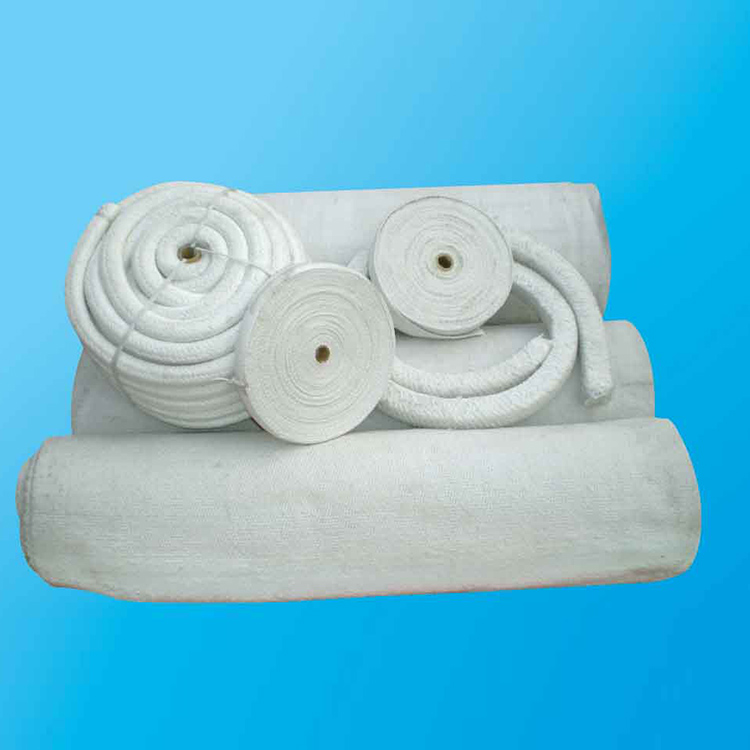
In addition to laboratory tests, on - site service data is also essential for evaluating the thermal shock resistance of refractory bricks. By statistically analyzing the crack growth and spalling area of the bricks in the actual service environment, a more comprehensive performance evaluation can be obtained. For example, in a large - scale coke dry quenching project, engineers found that by regularly monitoring the crack length and spalling area of the refractory bricks, they could predict the remaining service life of the bricks more accurately. However, it should be noted that relying on a single indicator may lead to misjudgments. For instance, only focusing on the load - softening temperature without considering the overall thermal shock resistance can result in the selection of inappropriate bricks.
There are some common misunderstandings in the industry. Many users only pay attention to the load - softening temperature of the refractory bricks, thinking that as long as this indicator meets the requirements, the bricks can perform well. However, in fact, the thermal shock resistance is equally important. A brick with a high load - softening temperature may still fail under rapid temperature changes due to poor thermal shock resistance. Therefore, users should have a more comprehensive understanding of the performance of refractory bricks and not be misled by single - indicator evaluations.
Through real - world case sharing, we can see the importance of accurate evaluation of thermal shock resistance. In a certain coke plant, by using infrared thermal imaging technology to assist in the diagnosis of thermal shock damage of refractory bricks, engineers were able to detect early signs of damage in time and take preventive measures. This approach not only extended the service life of the refractory lining but also improved the safety of the equipment operation. It represents a shift from passive repair to active maintenance.
We invite you to share your experiences of thermal shock failure scenarios in the comments section below. By sharing your stories, we can learn from each other and improve our understanding of the thermal shock resistance of refractory bricks.

To help you better understand and conduct the thermal shock resistance testing of coke dry quenching refractory bricks, we offer a free PDF guide on laboratory practical operations. This guide includes detailed testing procedures, data analysis methods, and expert tips. Click here to get your free copy now!