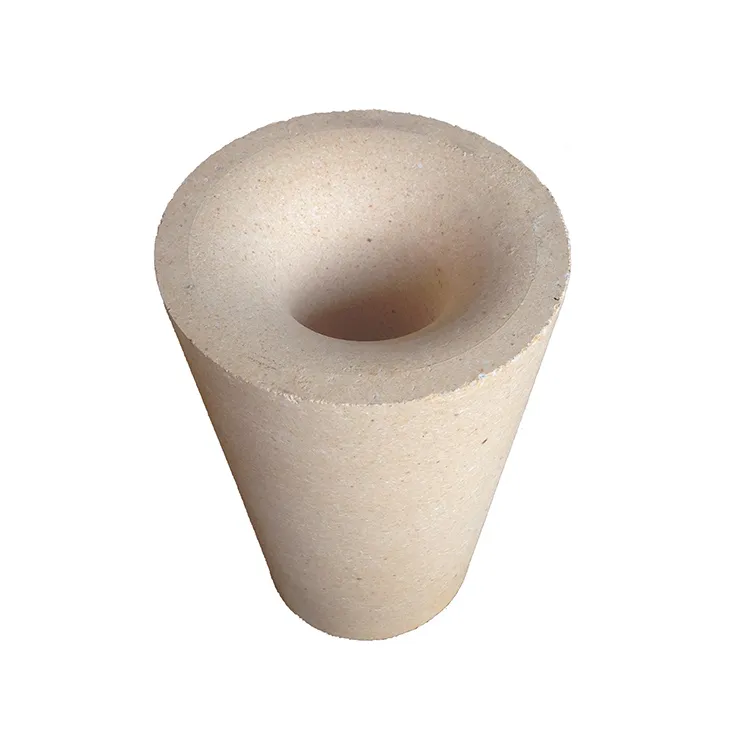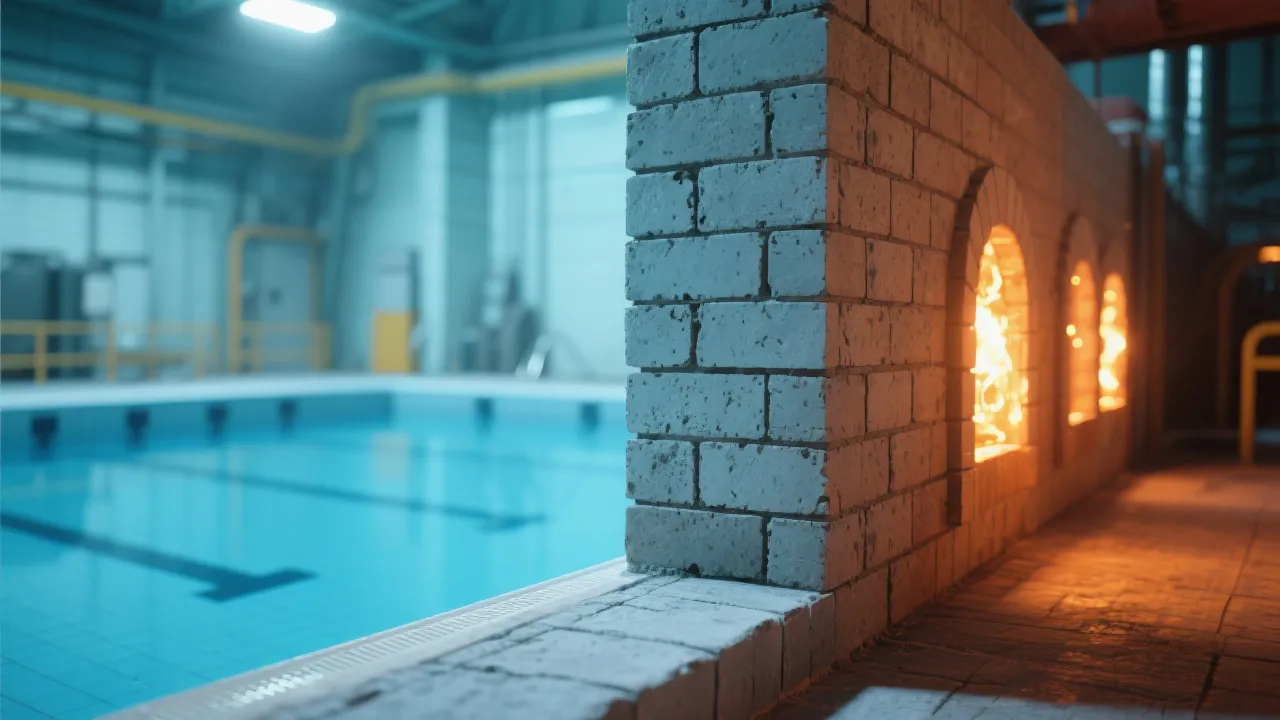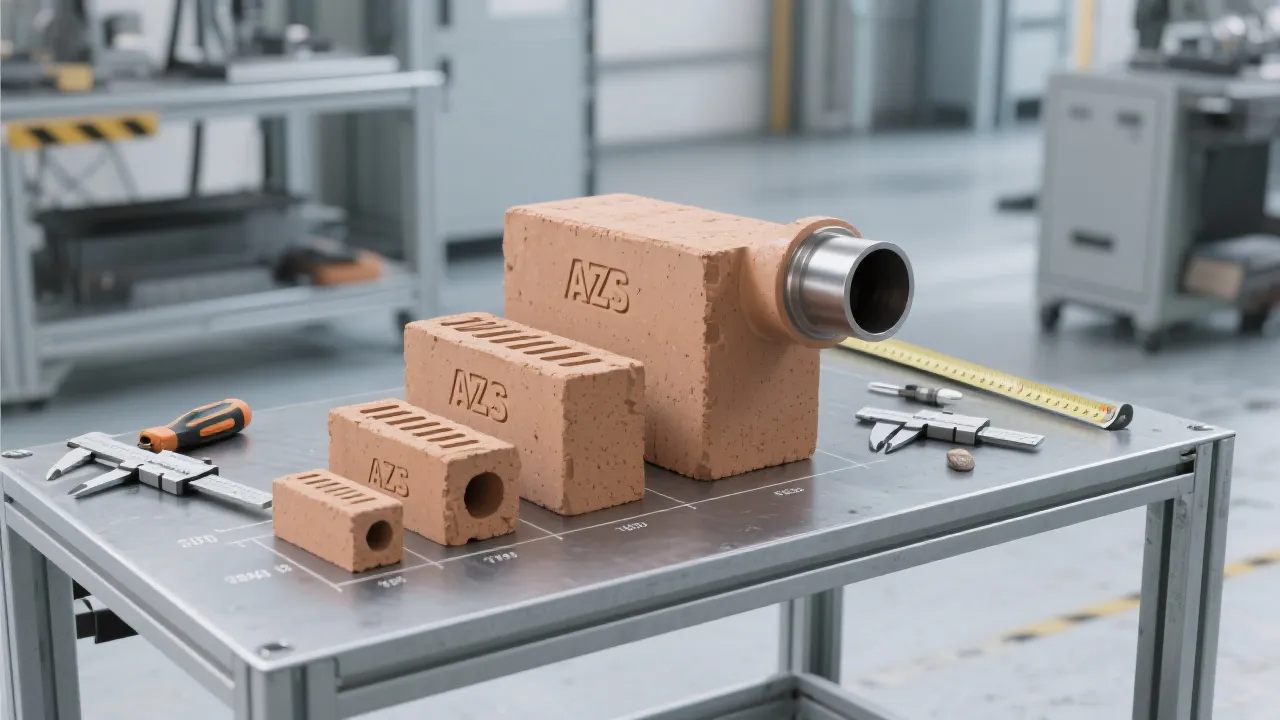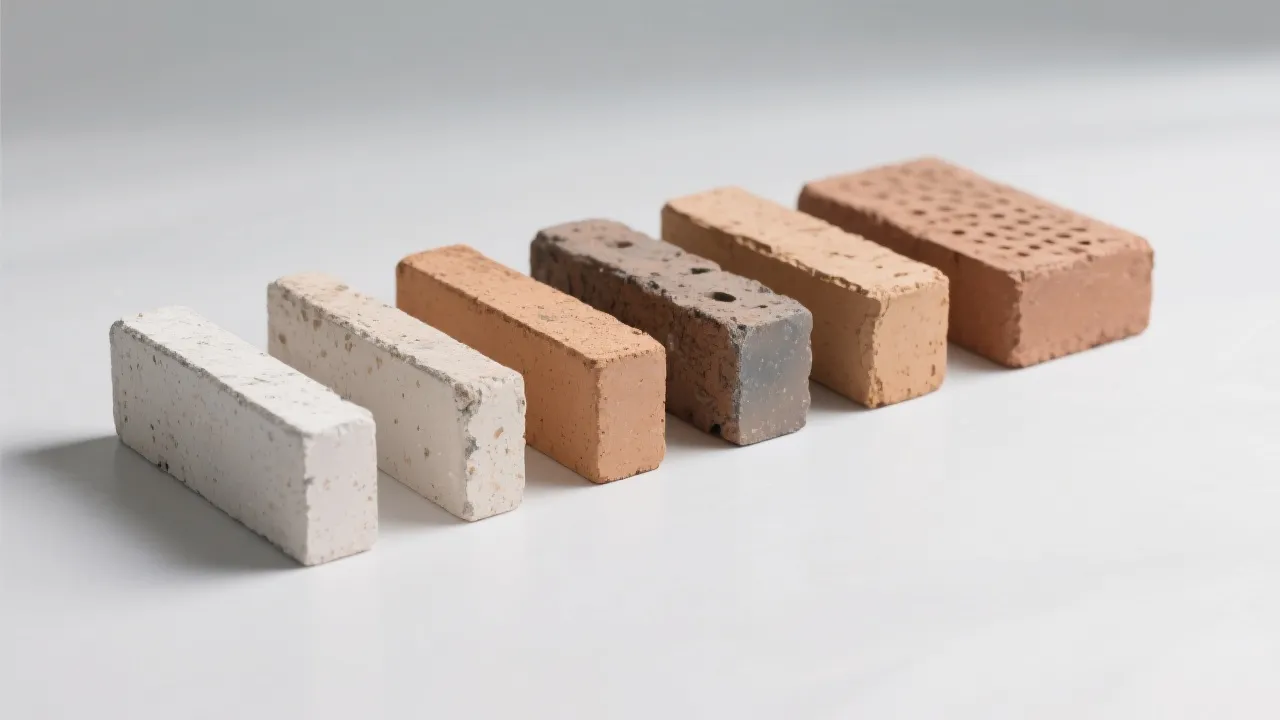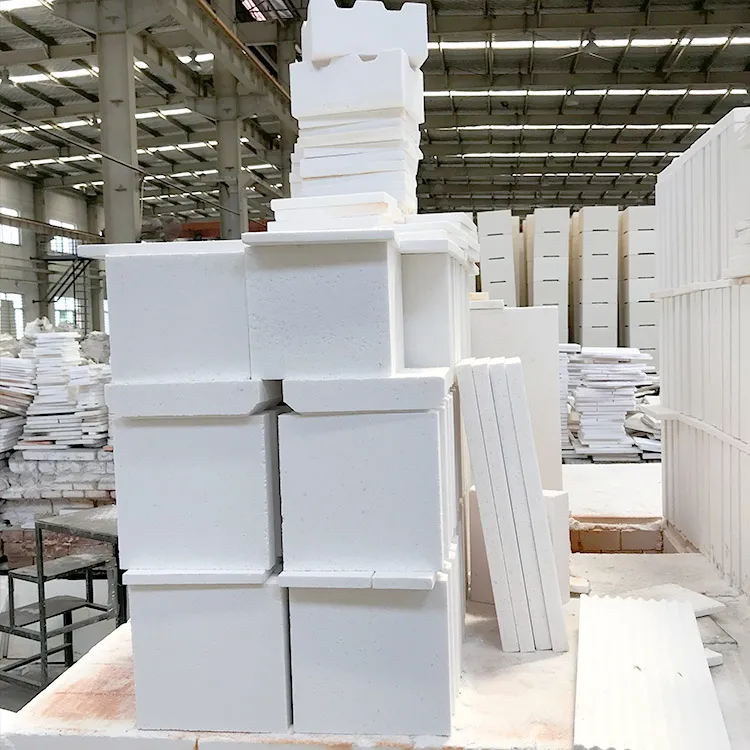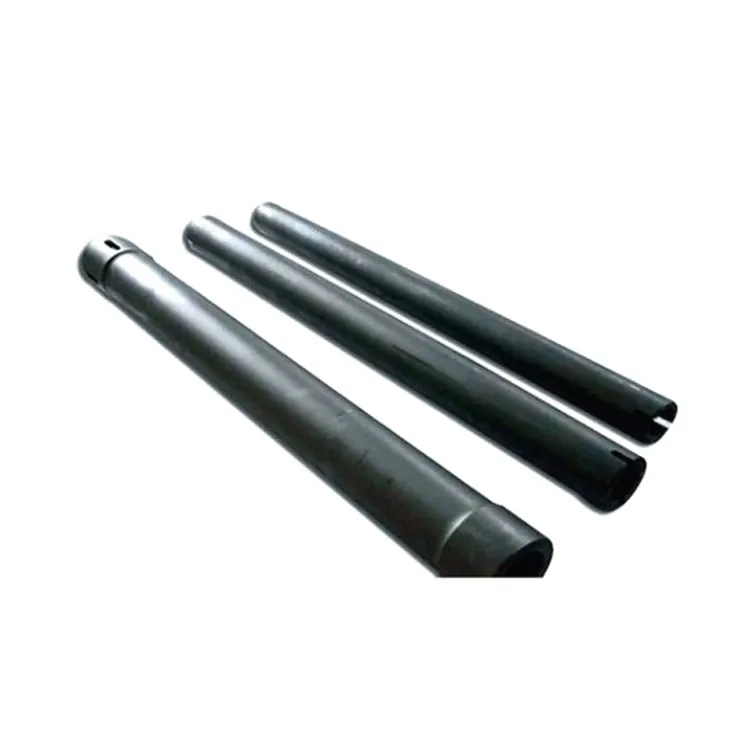
Before installing high-alumina dense wear-resistant clay bricks in a high-temperature kiln operating at 1580 - 1770°C, thorough preparation is essential. First, you need to ensure that the bricks' alumina content matches the required refractory temperature. For example, if the kiln operates at around 1650°C, bricks with an alumina content of approximately 70 - 80% are usually suitable. This matching is crucial as it directly affects the bricks' performance and lifespan in the extreme environment.
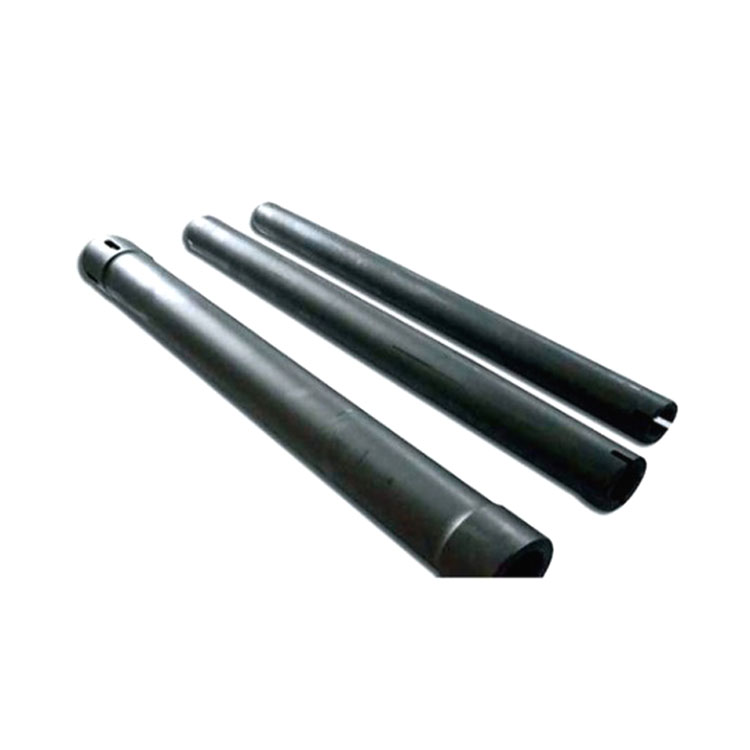
When arranging the bricks, you should base your decisions on the relationship between alumina content and refractory temperature. Higher alumina content generally means better refractory performance. However, it also needs to be balanced with other factors such as cost and specific kiln requirements. For instance, in areas with higher heat concentration, bricks with a higher alumina content can be arranged to ensure better heat resistance.
During daily operation, regular inspections are necessary. Visual inspection is the first step. You should look for any obvious cracks, chips, or discoloration on the brick surface. Tactile inspection can also be helpful. Run your hand gently over the bricks to feel for any unevenness, which may indicate wear. In addition, using instruments such as thermometers and ultrasonic detectors can provide more accurate information about the bricks' internal conditions.

To accurately judge wear and corrosion, you can use a combination of visual, tactile, and instrument - assisted methods. Visually, a significant reduction in brick thickness or the presence of deep pits can indicate severe wear. Tactilely, if the surface feels rough and pitted, it may also be a sign of wear. Instrument - assisted methods, such as X - ray diffraction, can detect chemical changes in the bricks caused by corrosion.
Let's look at some typical fault cases. Once, in a kiln, the operator misjudged the wear of the bricks. They thought the surface discoloration was just a normal reaction to high temperature and did not take timely measures. As a result, the bricks suddenly cracked during operation, causing a shutdown of the kiln for several days. The correct way should be to conduct a comprehensive inspection as soon as any abnormal signs are found and replace the damaged bricks in time.
Meeting international quality standards is of utmost importance. Standards such as ISO ensure that the bricks have consistent quality and performance. Using bricks that meet these standards can reduce the risk of unexpected failures and ensure the long - term stable operation of the kiln. You can refer to the following table for some common international standards related to high - alumina refractory bricks:
| Standard Name | Main Requirements |
|---|---|
| ISO 10058 | Specifies the classification, technical requirements, and test methods for refractory bricks |
| ASTM C27 | Covers the sampling and testing of high - alumina and fireclay refractory bricks |
Here is a simple periodic maintenance plan template for your reference:
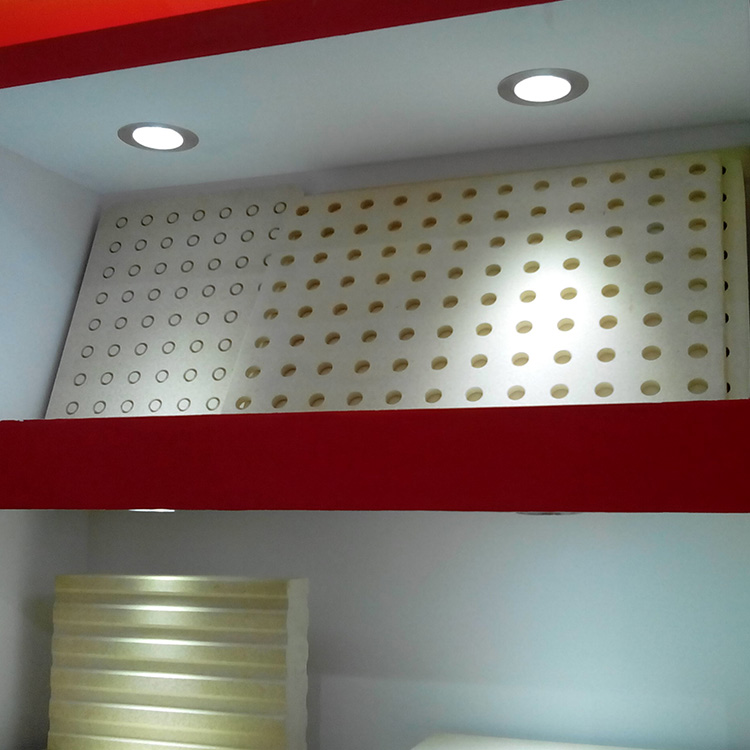
Do you have similar problems in your kiln operation? If you want to learn more about high - alumina dense wear - resistant clay bricks, including detailed technical information and professional support services, don't hesitate to take action.
Contact us to get a free "High - Alumina Brick Maintenance Manual" PDF version!