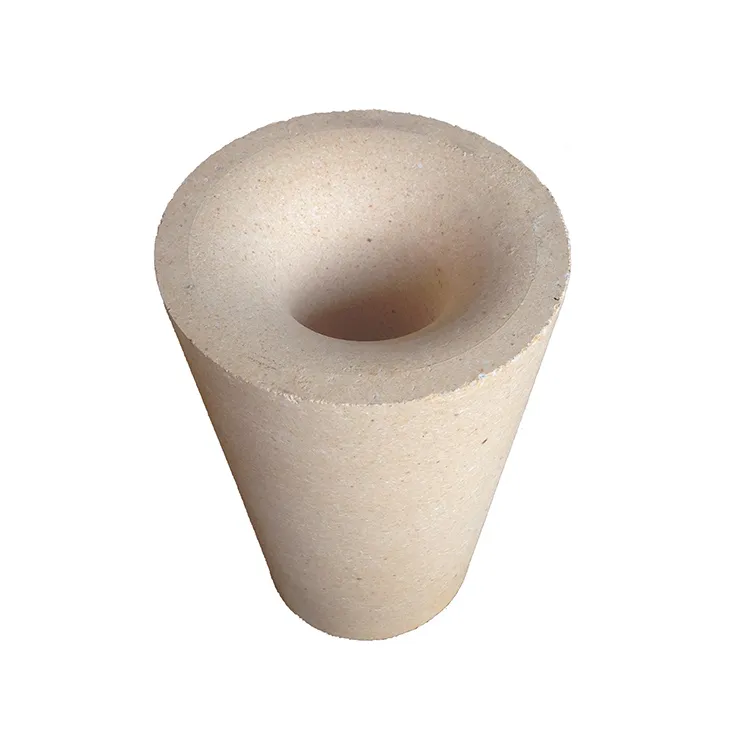
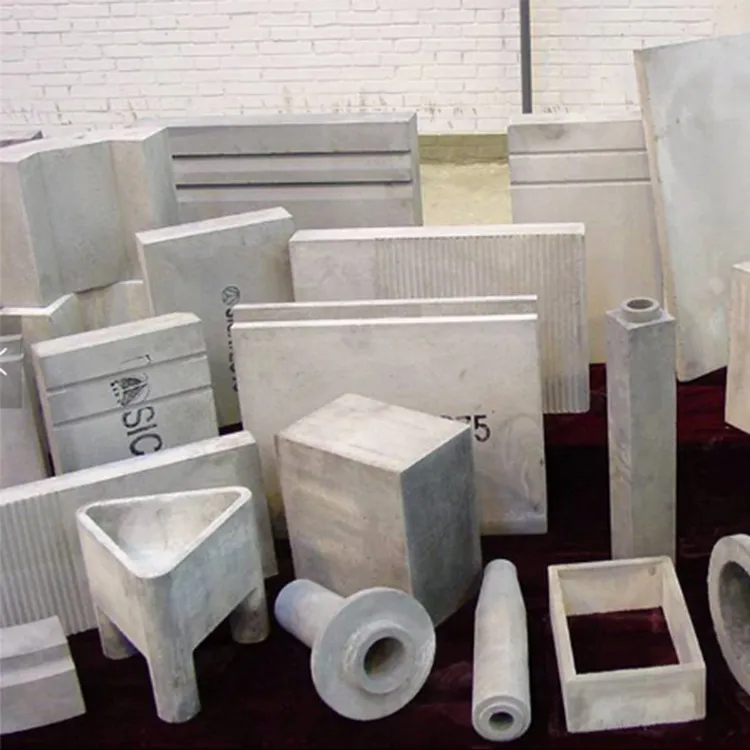
In the dry quenching system of coke ovens, refractory bricks are constantly exposed to extreme temperature differences. Have you ever wondered why your dry quenching refractory bricks always crack during the alternating cycles of heating and cooling? Let's dive deep into the common thermal shock failure scenarios and understand the real - world performance of refractory bricks.
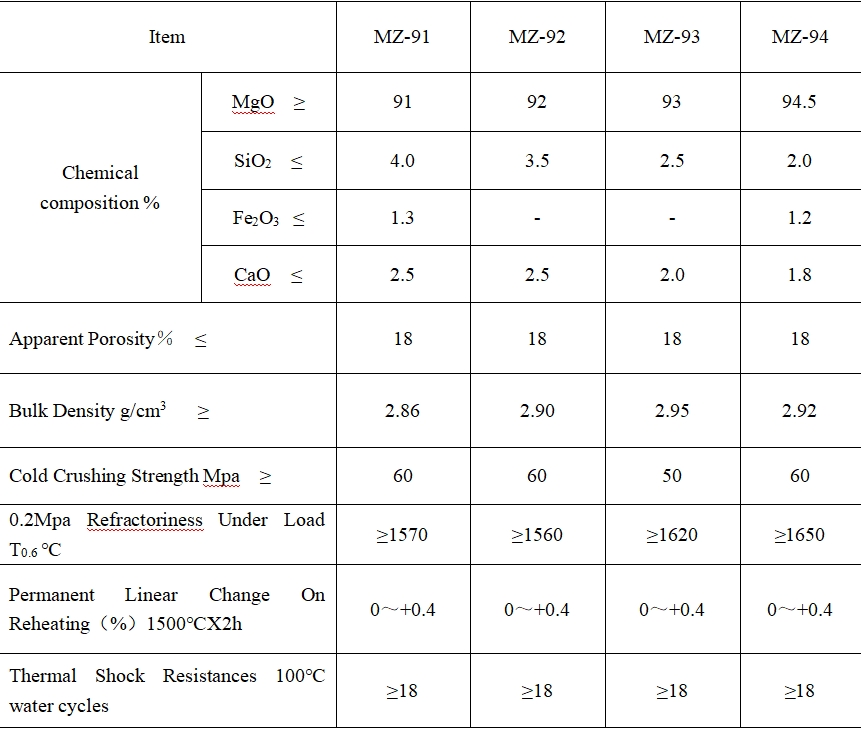
The thermal shock failure of refractory bricks in the dry quenching system is mainly caused by the extreme temperature differences. When the temperature changes suddenly, the internal stress of the refractory bricks exceeds their strength, leading to cracks. For example, in laboratory tests with a ΔT = 850°C water - cooling test, we can simulate the real - world thermal shock situation. In a typical dry quenching process, the temperature can change from over 1000°C to room temperature in a short time, which puts great stress on the refractory bricks.
Combined with typical engineering cases, we can see that the crack propagation rate and spalling area are important indicators to reflect the real - world performance of refractory bricks. In some projects, the crack propagation rate of ordinary refractory bricks can reach 0.5 mm/month under the influence of thermal shock, while for high - alumina mullite bricks with excellent thermal shock resistance, the crack propagation rate is less than 0.1 mm/month. The spalling area of ordinary bricks may account for more than 10% of the total area after one year of use, while high - alumina mullite bricks have a spalling area of less than 2%.
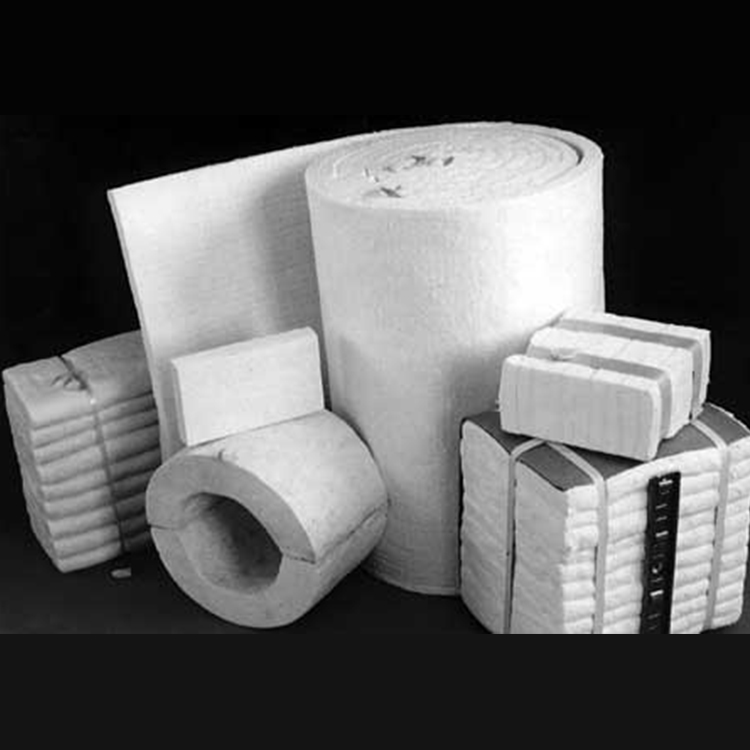
Many users have a traditional misunderstanding in the selection of refractory bricks. They often over - rely on the refractoriness under load temperature. However, this single indicator cannot fully reflect the thermal shock resistance of refractory bricks. In contrast, scientific detection methods, such as the thermal shock test at ΔT = 850°C water - cooling and the analysis of crack propagation rate on - site, can provide more accurate information about the real performance of refractory bricks.
Infrared thermography is an advanced technology for early damage identification. The principle is that when there is local overheating in the refractory lining, the temperature distribution on the surface will change. By using infrared thermography, we can detect these temperature differences and identify potential damage areas in advance. For example, in a large - scale dry quenching project, infrared thermography detected local overheating areas in time, which allowed engineers to take preventive measures in advance and avoid serious damage to the refractory lining.
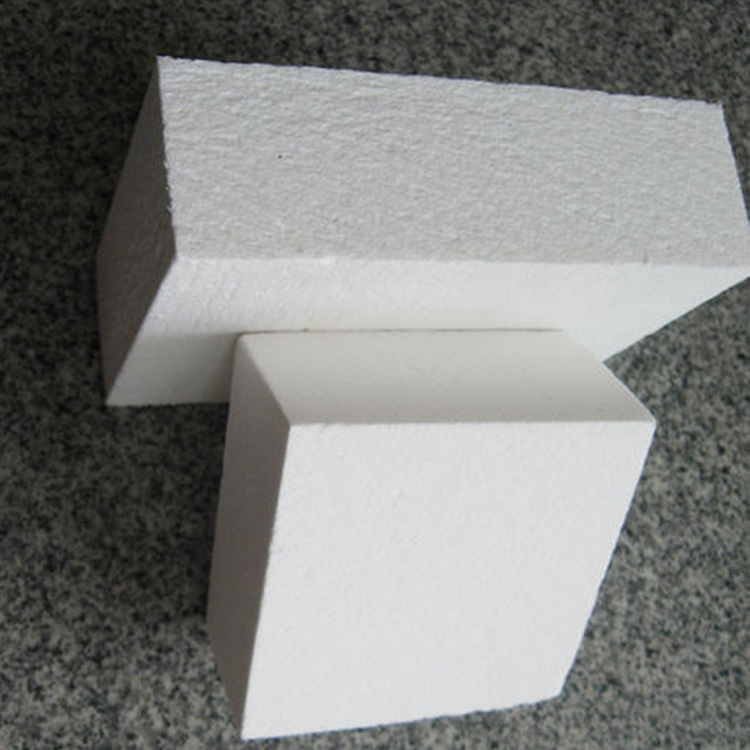
Based on the experience of front - line engineers, we can use data and tools to intervene in potential failure risks in advance. High - alumina mullite bricks have excellent thermal shock resistance and have been stably operating in multiple steel plants for more than half a year. By mastering scientific detection methods and advanced technologies, you can transform from passive maintenance to active maintenance, making the lining more durable and reducing the risk of furnace shutdown.
Are you still struggling with the thermal shock failure of refractory bricks in your dry quenching furnace? Share your experiences and questions in the comments below! And if you want to learn more about high - performance refractory bricks with excellent thermal shock resistance, click here to explore our solutions.