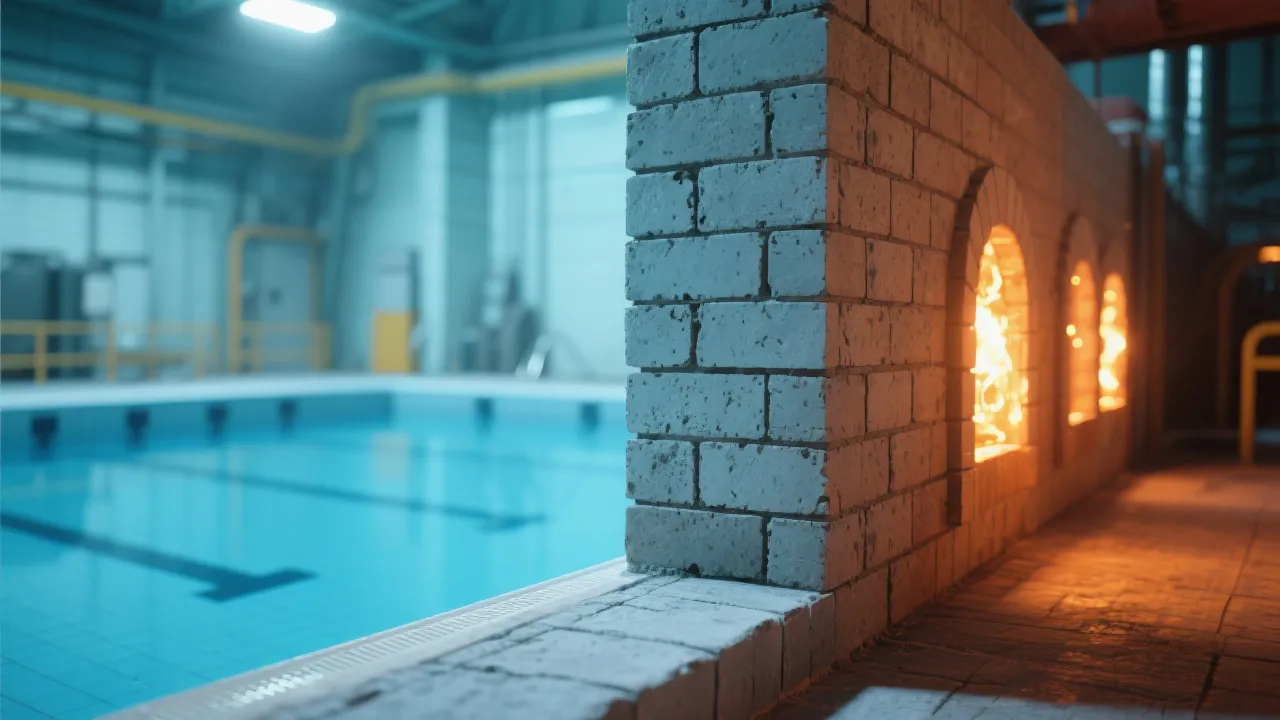
In modern dry quenching (DQ) systems used extensively across steel plants, selecting the right refractory materials for key service zones—namely the slope zone, cooling chamber, and coke discharge port—is critical for operational longevity and cost efficiency. These areas experience drastically different thermal gradients, mechanical stresses, and erosive attacks, driving distinct performance requirements for refractory bricks.
This guide dives into the thermal shock resistance, slag corrosion intensity, and structural stress profiles characteristic to each zone, illustrating why traditional high-alumina bricks often fall short while advanced, high-purity mullite-based composite bricks outperform dramatically in durability and lifespan.
The slope zone encounters steep temperature fluctuations as hot coke transitions toward the cooling chamber. Here, bricks must withstand rapid thermal shock cycles with temperatures regularly oscillating between 900°C to 1200°C. Mechanical abrasion by coke particles exacerbates wear, creating a challenging environment.
The cooling chamber sustains prolonged exposure to stabilized high temperatures (~1000°C) but with lower thermal cycling. However, bricks here endure significant mechanical load and molten slag corrosion from volatile matter deposits.
The coke discharge port features direct contact with discharged hot coke, facing sharp temperature gradients, slag infiltration, and high structural stresses from frequent mechanical impacts and vibrations.
| Zone | Load Softening Temp. (°C) | Thermal Shock Resistance | High-temp Creep Rate | Slag Corrosion Resistance |
|---|---|---|---|---|
| Slope Zone | > 1600 | Excellent (≥150 cycles) | Low creep rate (≤2×10⁻⁶ %/h) | Moderate |
| Cooling Chamber | ≥ 1700 | Good (≥80 cycles) | Very low creep (≤1×10⁻⁶ %/h) | High |
| Coke Discharge Port | > 1650 | Excellent (≥130 cycles) | Moderate creep (≤3×10⁻⁶ %/h) | High |
As summarized above, each zone demands a balance of thermal shock resistance, minimal deformation under load (high load softening temperature and low creep), and appropriate slag corrosion resistance. Standard high-alumina bricks often degrade rapidly under these stress regimes, resulting in average operational lifespans under 12 months and frequent costly replacements.
Recent advances focusing on microcrystalline mullite reinforcement technology deliver significant improvements in refractory brick performance by refining grain structure, reducing internal porosity, and optimizing phase distribution. These factors collectively boost thermal shock tolerance and mechanical strength.
Composite brick structures integrating mullite with alumina and other oxides create synergistic effects — enhanced resistance to slag penetration and minimized high-temperature creep deformation. Detailed microstructural engineering enables bricks to endure 40-50% more thermal cycles before failure compared to traditional bricks.
In situ case studies report mullite-based bricks in slope zones lasting up to 30 months versus 18 months for high-alumina counterparts, reducing downtime and maintenance overhead significantly.
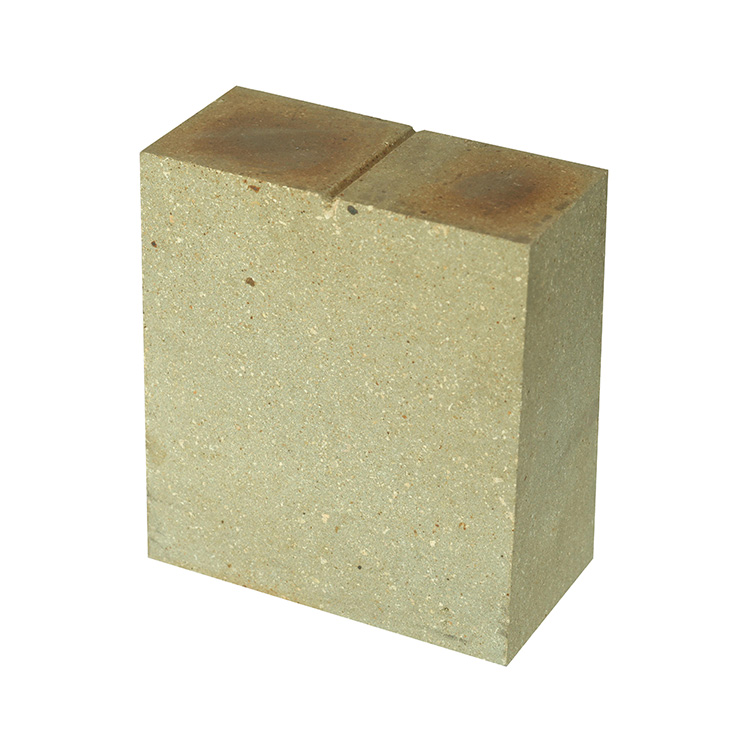
Beyond material selection, the installation phase heavily influences refractory life. Proper expansion joint design and strict control of mortar joint thickness help accommodate thermal expansion while mitigating stress concentration points that propagate cracks.
Ensuring clean, uniform brick surfaces and precise bricklaying sequence reduces mechanical stress and slag seepage paths. Routine supervisory quality checks during construction prove invaluable, adding up to a 25% improvement in operational reliability.
"Implementation of mullite-based refractory bricks with optimized microstructure in the slope and cooling zones has:– Leading integrated steel producer in China."
- Reduced annual brick replacement frequencies by over 40%
- Decreased unplanned outages linked to refractory failure
- Delivered substantiated cost savings exceeding 15% annually in maintenance budgets
This data-driven approach balances upfront material costs against lifecycle benefits, providing steel mill technical managers with a compelling ROI for upgrading to advanced refractory brick technologies.
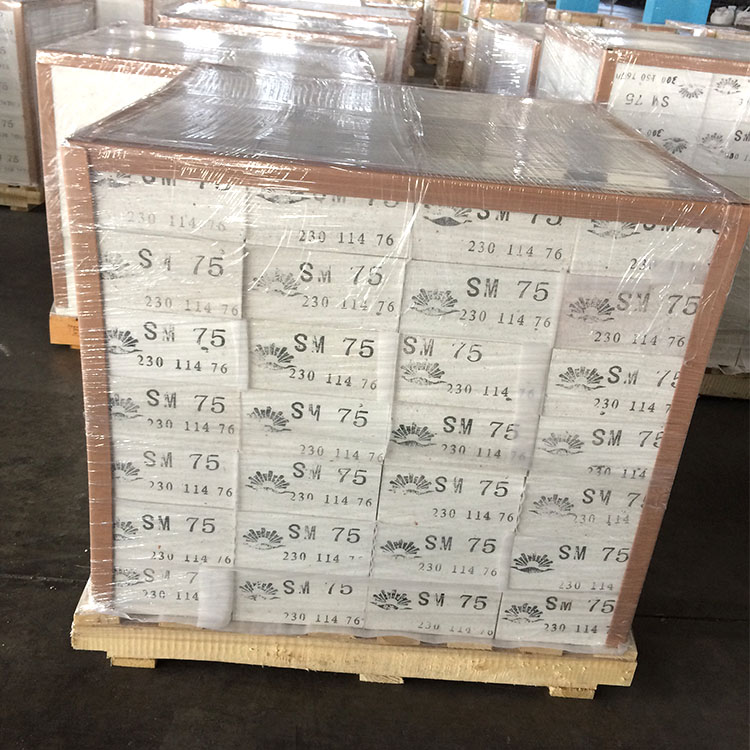
Below are recommended technical specifications for refractory brick selection in each zone based on accumulated field data and lab analyses:
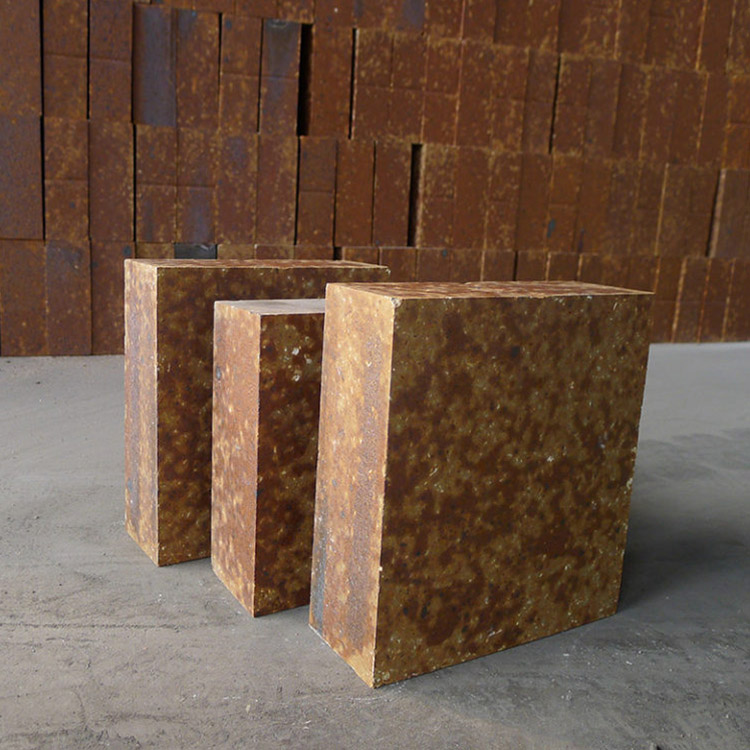
Adoption of these guidelines has enabled multiple steel producers worldwide to significantly extend refractory service life, improving system availability and cutting operational risk.