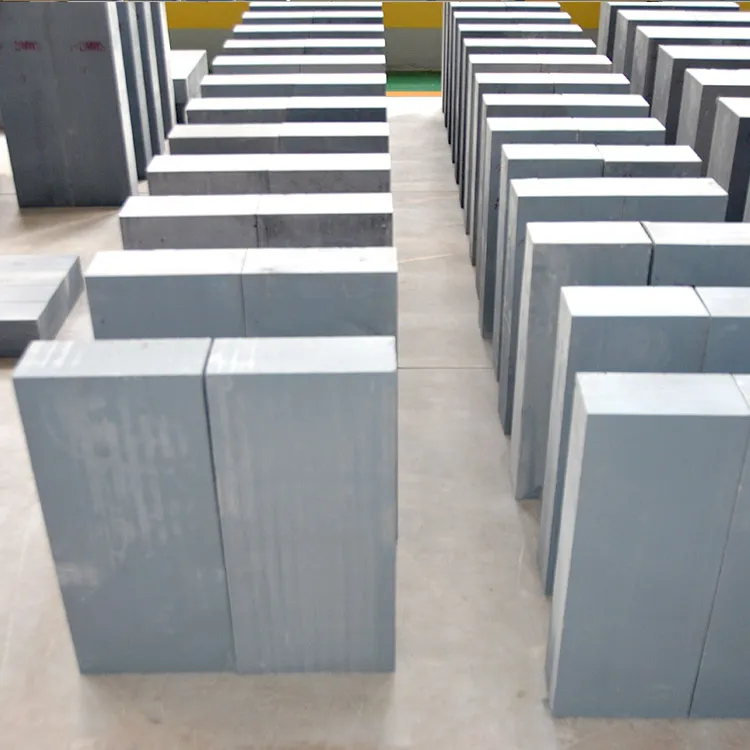
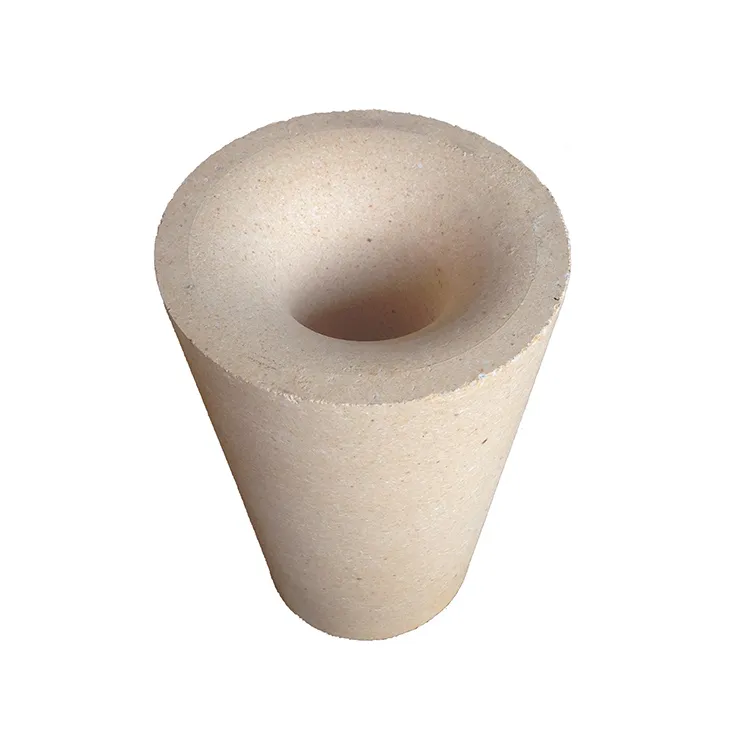
In dry quenching systems used in modern steel plants, refractory bricks are not just passive components—they’re critical to operational stability and cost efficiency. But selecting the right brick type isn’t one-size-fits-all. Each zone—the inclined passage (slope area), cooling chamber, and discharge port—faces distinct thermal, mechanical, and chemical challenges that demand tailored solutions.
Studies show that up to 60% of premature refractory failure stems from incorrect material selection—not poor quality. For example:
Our field data from over 30 global installations confirms: using a uniform refractory across all zones leads to unnecessary maintenance costs averaging $15,000–$25,000 per year per furnace.
High-purity mullite (Al₂O₃·2SiO₂) with controlled grain size distribution significantly improves thermal shock resistance. In lab tests, our proprietary mullite-based bricks showed:
| Property | Standard High-Alumina Brick | Advanced Mullite Brick |
|---|---|---|
| Thermal Shock Resistance (cycles @ 1000°C) | ~15 cycles | >50 cycles |
| Crushing Strength (MPa) | ≥120 MPa | ≥160 MPa |
| Porosity (%) | 18–22% | 12–15% |
These improvements translate directly into reduced downtime and extended service life—often by 1.5 to 2 times compared to legacy options.
Even the best brick fails if installed improperly. Proper expansion joint spacing (typically 3–5 mm per meter of wall), precise mortar consistency, and controlled curing time can increase actual lifespan by up to 30%. One client in Saudi Arabia reported a 40% reduction in refractory replacement frequency simply by adjusting installation practices based on our technical guidance.
Whether you're managing a new build or optimizing an existing system, understanding how each section performs under real conditions is key to making smart decisions.
Ready to optimize your dry quenching system’s refractory performance? We’ve helped over 50 steel mills worldwide reduce refractory-related downtime by up to 50% through customized selection and installation support.
Get Your Custom Refractory Assessment Today