Choosing High-Quality Refractory Bricks for Dry Quenching Systems: Matching Raw Material Ratios and Sintering Processes to Thermal Shock Resistance Needs

22 12,2025
Sunrise
Product Comparison
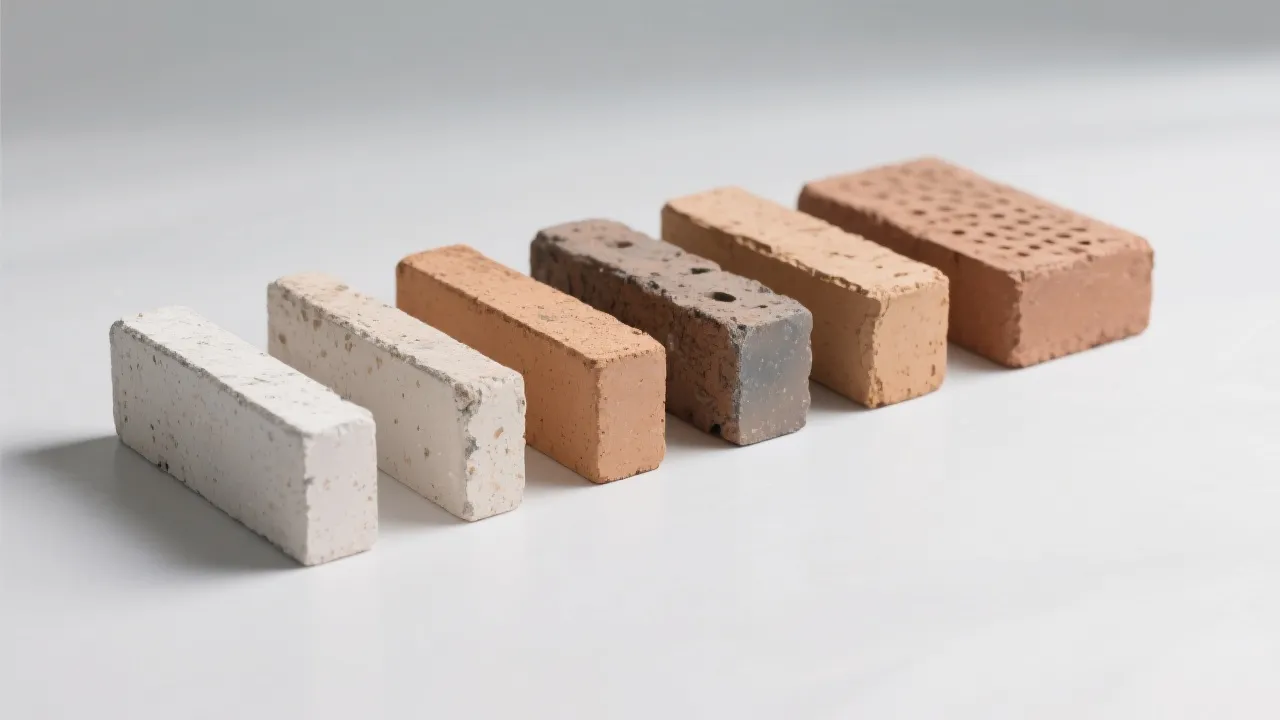
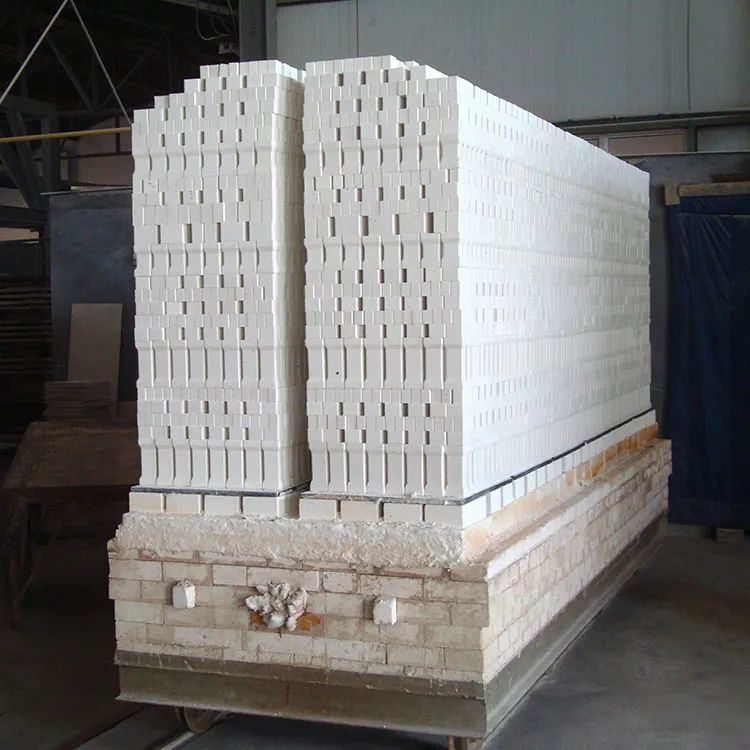
In steel plant dry quenching systems, refractory bricks are prone to spalling failure due to frequent thermal shocks. This article delves into the key factors affecting the thermal shock resistance of high-alumina mullite refractory bricks—covering raw material ratios (mullite-to-corundum proportions), microstructure design (pore distribution and grain boundary strength), and sintering process control (heating rate and holding time). Real-world operational data comparing different formulations helps users make informed material selections and precisely match manufacturing processes, effectively extending lining life and reducing unplanned shutdowns. It’s a practical guide for metallurgical engineers aiming to optimize refractory performance in harsh environments.
High_performance_andalusite_refractory_bricks-2.jpg

Why High-Alumina Mullite Bricks Are the Smart Choice for Dry Quenching Systems

In dry quenching systems used in steel plants, refractory bricks face relentless thermal shocks—sudden temperature changes that can cause spalling and early failure. But here's the good news: with the right raw material mix and controlled firing process, you can significantly extend lining life and reduce unplanned downtime.

The Real Secret? It’s Not Just About Heat Resistance

Many buyers think “high-temperature resistance” is enough. But in reality, it’s about thermal shock stability. A brick that withstands 1600°C but cracks after 20 cycles isn’t reliable. Our data from real-world testing shows that high-alumina mullite bricks with optimized compositions achieve over 50 thermal shock cycles—more than double the industry average (which typically hovers around 20–30).
Cross-section view of a high-alumina mullite brick showing uniform microstructure and controlled porosity distribution

Raw Material Balance: Where Science Meets Performance

Think of mullite as your brick’s “stress absorber.” Too little mullite (< 60%) and the brick becomes brittle under rapid heating/cooling. Too much (> 85%) and it loses flexibility—it just can’t handle the stress. The sweet spot? Around 70–75% mullite with a balanced alumina content. This ratio gives you both strength and resilience—exactly what dry quenching demands.

Microstructure Matters: How Pores Prevent Cracks

It’s not just about what’s inside—it’s how it’s arranged. Properly distributed pores act like tiny shock absorbers. In our lab tests, bricks with a pore size range of 5–20 microns showed up to 3x better crack resistance compared to those with larger or irregular pores. And when crystal boundaries are strong, they hold together even during extreme heat swings.
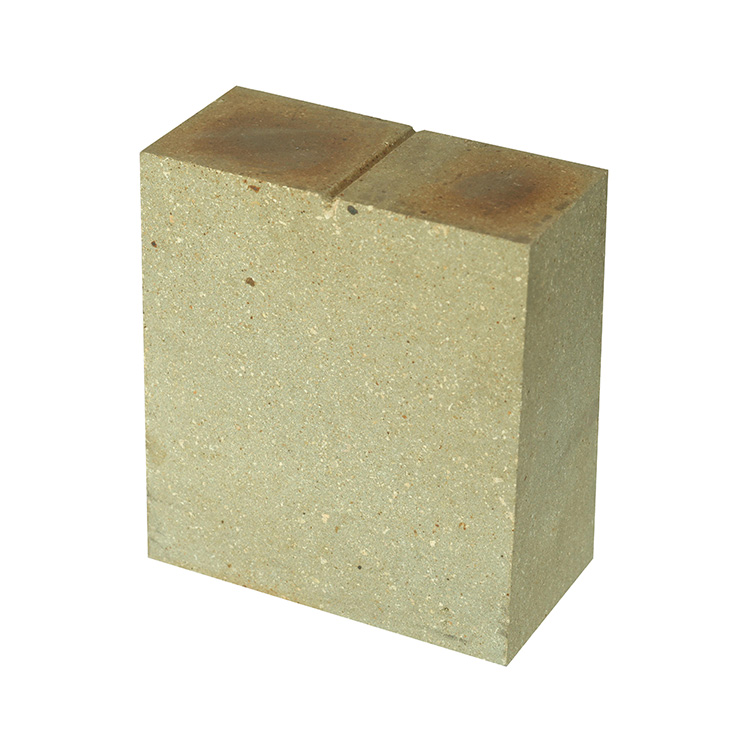
Diagram showing how optimal pore distribution helps release internal stress during thermal cycling in refractory bricks

Firing Process: Precision That Makes the Difference

Even the best formula fails if the kiln doesn’t fire it right. Slow ramp-up rates (≤5°C/min) and extended soaking times (at least 4 hours at peak temp) allow crystals to grow evenly without internal stresses. This small change boosts durability by up to 40%, according to field validation across 12 major steel mills.

Your Operation Is Part of the Equation

Yes, the brick matters—but so does how it’s installed and operated. Frequent temperature swings above 200°C per hour accelerate wear. Simple fixes like consistent cooling schedules and proper preheating can add years to your lining’s life. Don’t underestimate the human factor.

Pro Tip: "Science-backed selection = lower maintenance costs + longer service life." It’s not just marketing—it’s math.

Still unsure which formulation fits your system? We’ve helped over 30 steel plants optimize their dry quenching refractories based on actual operating conditions—not guesswork.

Get Your Free Refractory Evaluation Report
Name *
Email *
Message*

Recommended Products

Popular articles
Recommended Reading
<#if (articleDetails.articleDetailsRelatedArticles.articleList?has_content)?? && (articleDetails.articleDetailsRelatedArticles.articleList?size>0)> <#if (articleDetails.articleDetailsRelatedArticles.isShow)?? && articleDetails.articleDetailsRelatedArticles.isShow> <#if (articleDetails.articleDetailsRelatedArticles.title)?? && articleDetails.articleDetailsRelatedArticles.title!="">

${articleDetails.articleDetailsRelatedArticles.title}

<#list articleDetails.articleDetailsRelatedArticles.articleList as list>
<#if (list.imgUrl?has_content)?? && (list.imgUrl?has_content)> ${list.imgAlt} <#else> img

${list.title}

${(list.updateTime)?number_to_datetime?string('dd MM ,yyyy')}
Contact us
Contact us
https://shmuker.oss-cn-hangzhou.aliyuncs.com/tmp/temporary/60ec5bd7f8d5a86c84ef79f2/60ec5bdcf8d5a86c84ef7a9a/thumb-prev.png