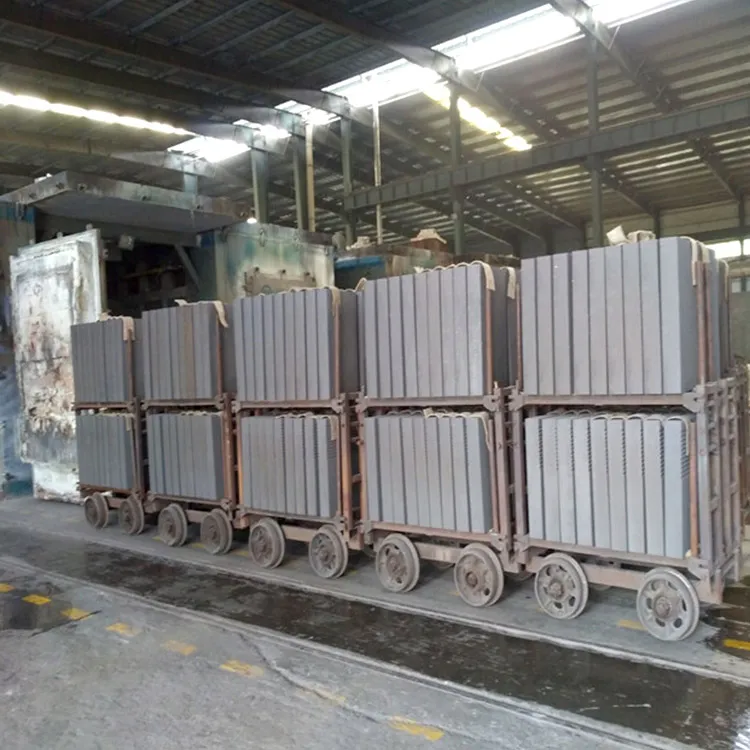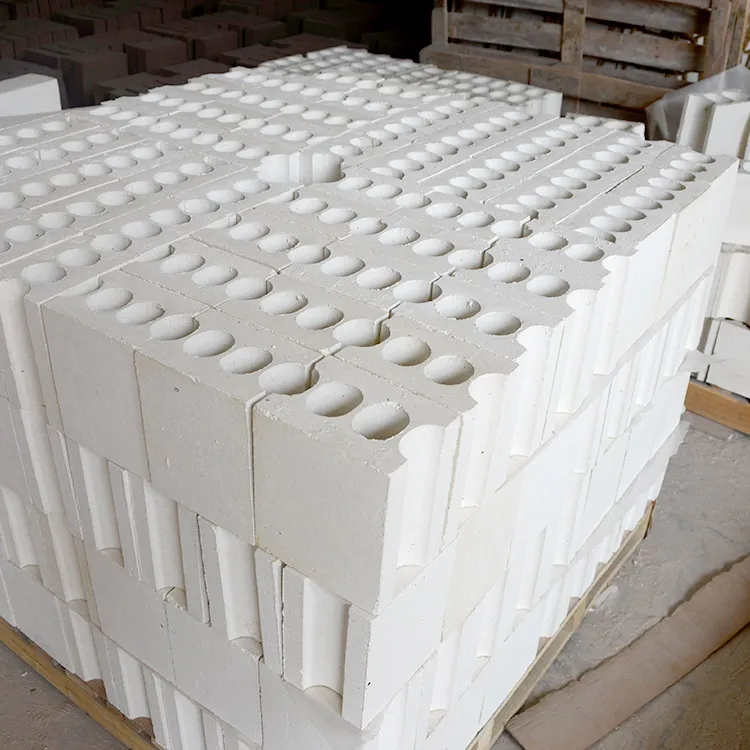
For metallurgical engineers and plant managers overseeing dry quenching systems, the choice of refractory materials is only half the battle—how they’re installed makes all the difference in long-term performance.
Modern dry quenching systems operate under extreme conditions: temperature swings up to 1,200°C during startup/shutdown cycles, frequent thermal shocks from coke loading, and aggressive chemical erosion from molten slag. In such environments, traditional high-alumina bricks often fail within 6–12 months due to microcracking and spalling.
A study conducted across five steel plants in China showed that systems using properly installed high-alumina mullite bricks lasted an average of 28 months—more than double the lifespan of standard bricks—when key installation parameters like joint width and expansion gap were optimized.
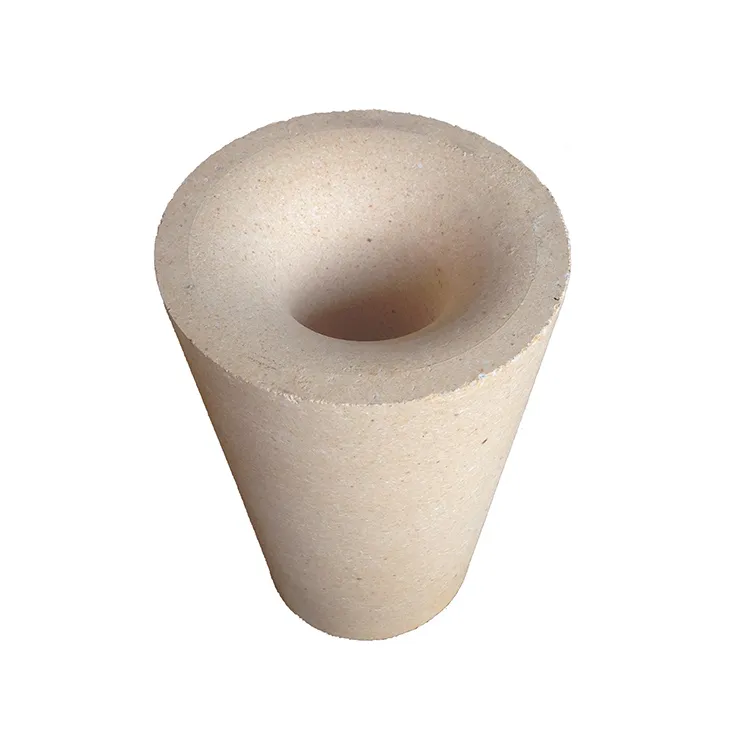
High-alumina mullite bricks aren’t just about alumina content—they feature advanced microstructure design:
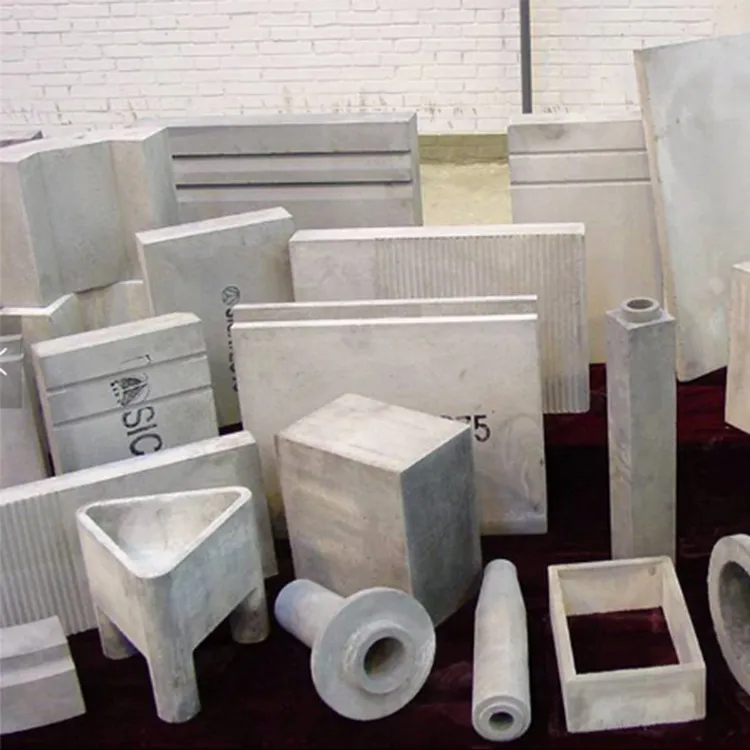
These properties make them ideal for critical zones such as the cooling chamber (where temperatures exceed 900°C), the discharge chute (subject to mechanical abrasion), and the inclined flue area (high thermal gradient).
Even the best material will underperform if not installed correctly. Two critical practices often overlooked:
When combined with proper curing time (minimum 72 hours at 40–60°C), these steps can extend service life by 30–50%, directly impacting maintenance costs and operational uptime.
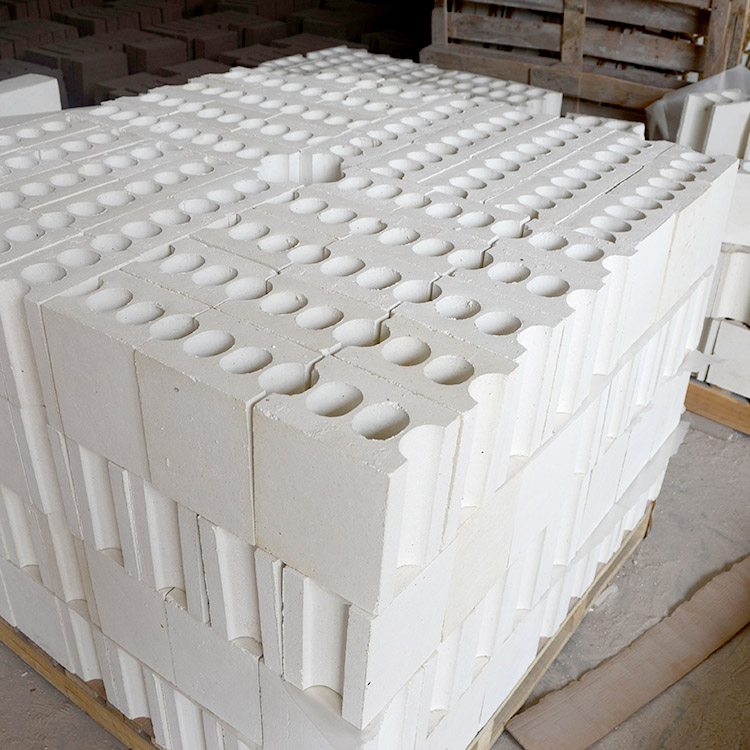
A major European steel mill experienced repeated refractory failures in their dry quenching unit, leading to unplanned downtime averaging 14 days per year. After switching to high-alumina mullite bricks and retraining their installation team on joint control and expansion joint placement, they reduced failures by 82% and cut annual maintenance costs by €180,000.
This case highlights that technical excellence isn't just about materials—it's about execution.
Explore how our engineered refractory solutions—backed by real-world data and proven installations—can help you reduce downtime, improve safety, and boost efficiency.
Get Technical Specifications & Application Guide