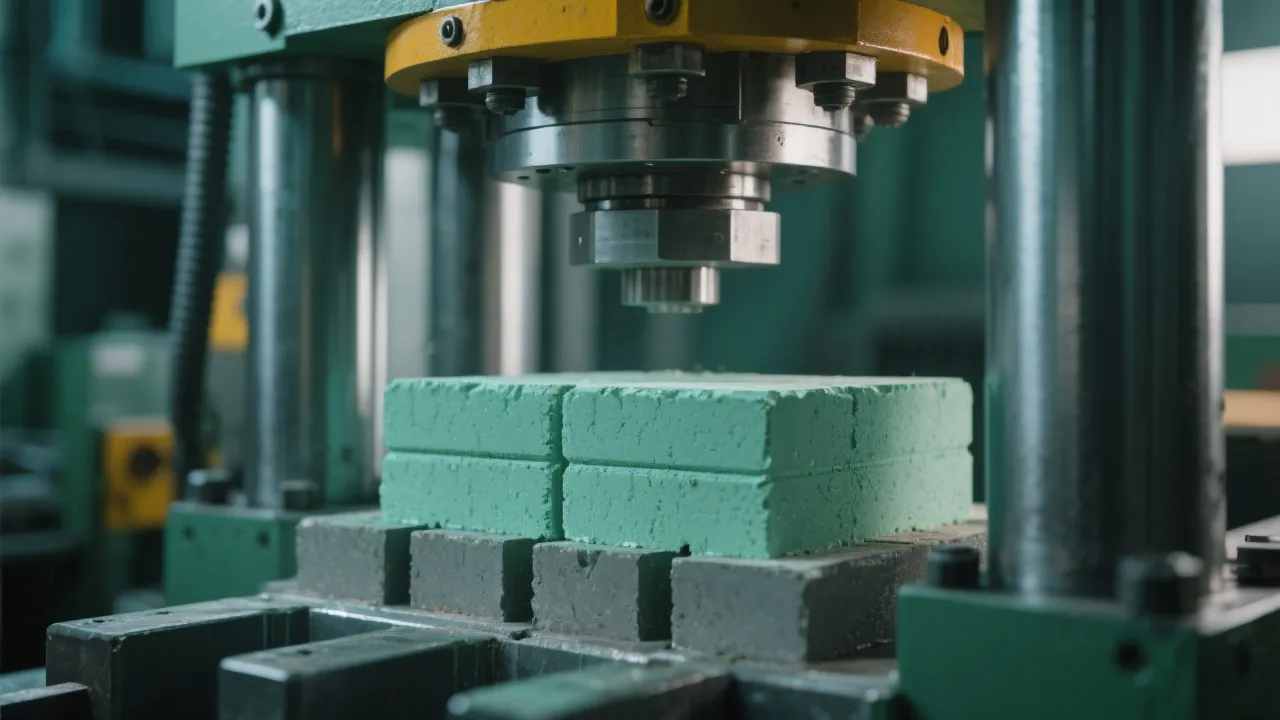
Dry Quenching System Refractory Material Selection Guide: Enhancing Thermal Shock Resistance

02 02,2026
Sunrise
Technical knowledge
This article provides a comprehensive technical guide on selecting refractory materials for dry quenching systems, focusing on the extreme thermal cycling, frequent start-stop operations, and severe slag erosion encountered in coke oven applications. It highlights how high-purity mullite-based compositions combined with microcrystalline strengthening technology significantly improve thermal shock resistance. The performance requirements for key zones—such as the inclined passage, cooling chamber, and discharge port—are analyzed in detail. Practical case studies compare traditional high-alumina bricks with advanced mullite refractories, demonstrating extended service life and reduced maintenance. Supported by data tables and construction diagrams, this guide offers actionable insights for metallurgical engineers seeking to optimize system durability and operational efficiency.
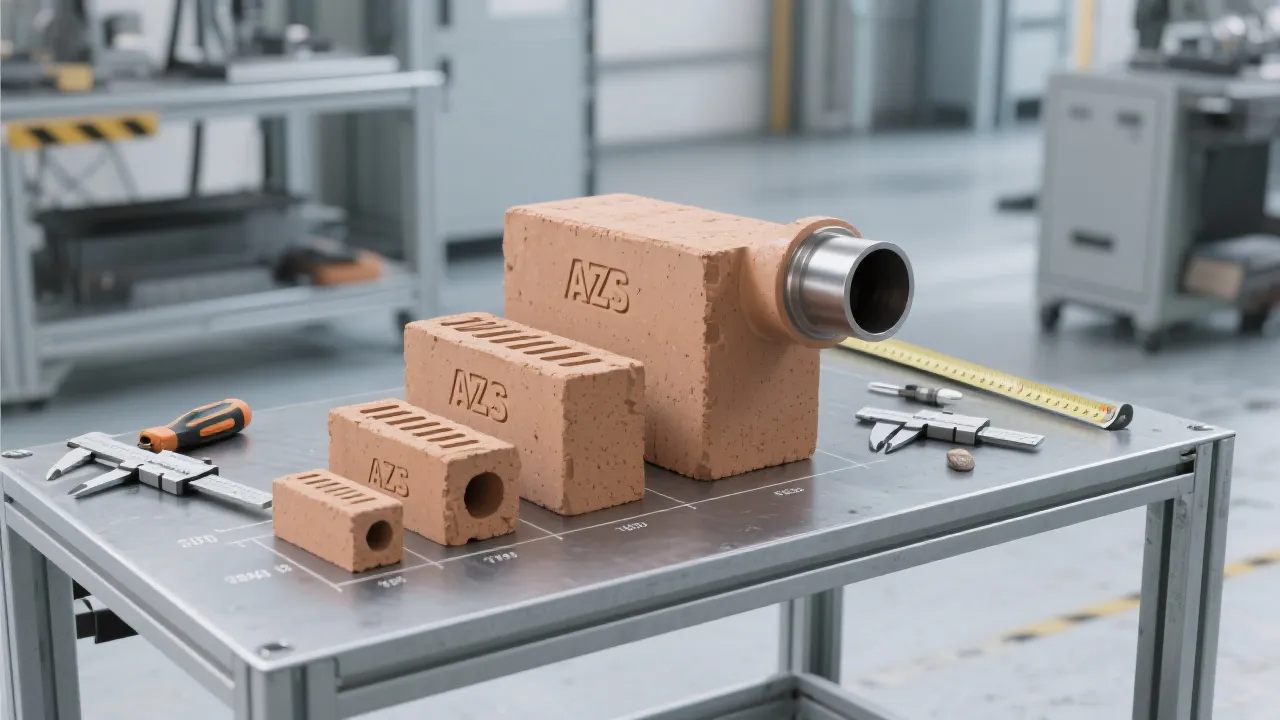
Cross-section showing refractory lining differences between traditional high-alumina brick and advanced mullite-based brick in dry quenching system zones

Mastering Refractory Selection for Dry Quenching Systems: A Technical Guide to Enhancing Thermal Shock Resistance

In the demanding environment of dry quenching systems—where temperatures swing from 100°C to over 1000°C in minutes and chemical erosion is constant—the choice of refractory material isn't just a technical detail—it's a critical decision that impacts system uptime, safety, and long-term ROI.

Why Thermal Shock Resistance Matters More Than Ever

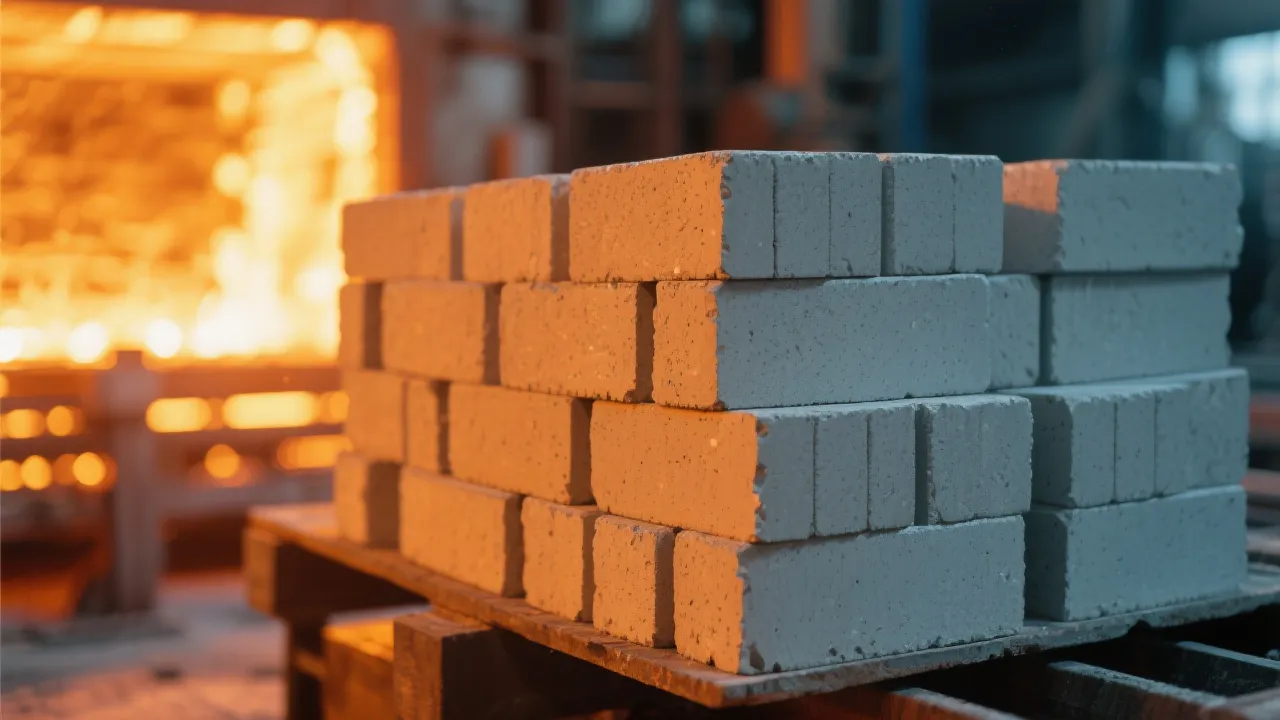
Recent data from steel plants using traditional high-alumina bricks shows an average lifespan of only 6–8 months under frequent start-stop cycles. In contrast, installations with advanced high-purity mullite-based refractories have demonstrated up to 18–24 months of service life—reducing downtime by nearly 50% and cutting maintenance costs significantly.

Tailoring Material Performance by Zone: What Works Where

  • Regenerator Chamber (Cooling Zone): Requires high thermal conductivity and moderate strength—mullite with microcrystalline structure excels here.
  • Discharge Port: Faces severe abrasion and slag attack—need ultra-low porosity and high corrosion resistance.
  • Flue Channels: Subject to rapid temperature shifts—thermal shock resistance must be prioritized over raw strength.

This zone-specific approach ensures no single material bears excessive stress, extending overall system durability. For example, one Middle Eastern steel mill reported a 40% reduction in unexpected shutdowns after switching from standard high-alumina brick to our engineered mullite solution in the discharge port alone.
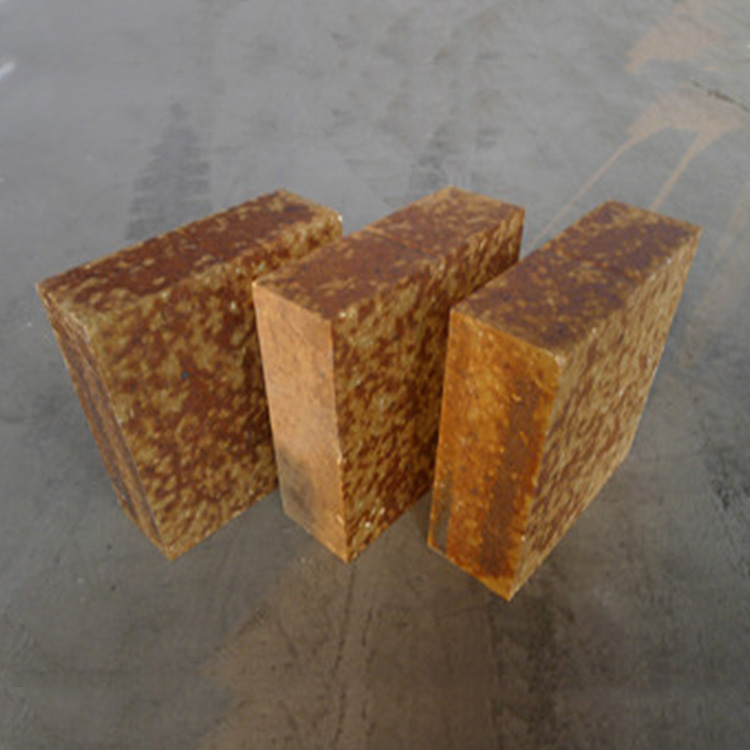
Cross-section showing refractory lining differences between traditional high-alumina brick and advanced mullite-based brick in dry quenching system zones

The Hidden Factor: Construction Quality Is Not Optional

Even the best material fails if installed improperly. Key factors include:

  • Joint width control within ±0.5 mm for uniform heat transfer
  • Expansion joint spacing every 1.5 meters to prevent cracking
  • Proper drying schedule (typically 72 hours at 100–200°C) before operation

One European plant saved €45,000 annually simply by training their masonry team on proper installation techniques—a reminder that engineering excellence starts at the foundation.
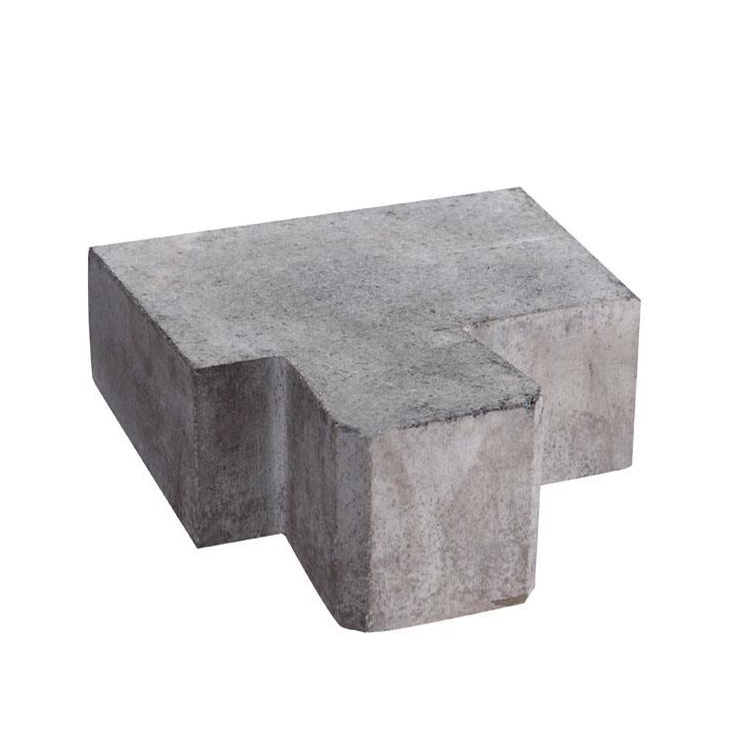
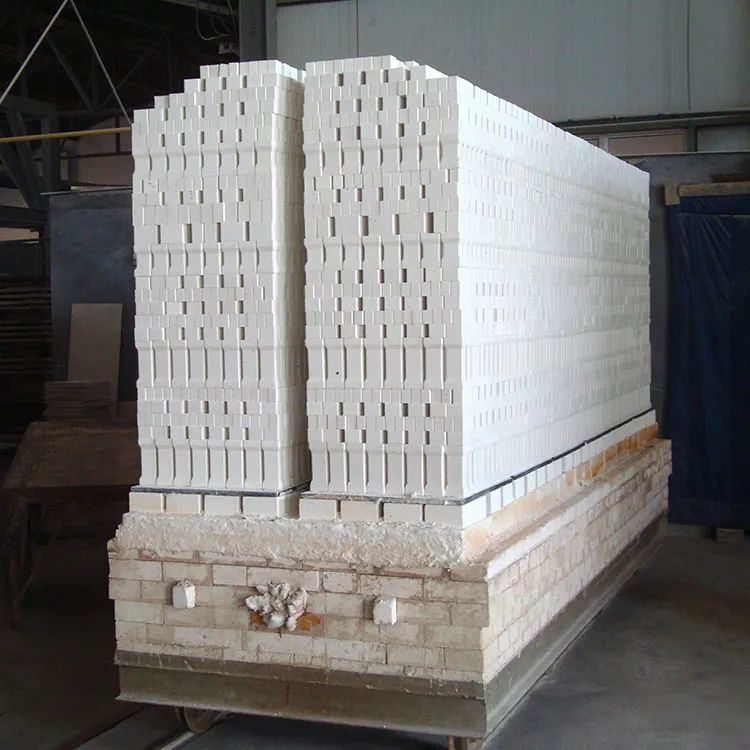
Detail view of properly aligned refractory joints and expansion gaps in a dry quenching system wall

Real Results Speak Louder Than Specs

“We saw a 3x increase in refractory life after switching to mullite-based bricks—and it wasn’t just about the material. The real win was how much less time we spent fixing leaks and replacing parts.” — Plant Manager, South Korea Steel Co.

Whether you're planning a new build or optimizing an existing system, choosing the right refractory isn’t just about specs—it’s about understanding your process, your people, and your priorities.

Ready to Upgrade Your Dry Quenching System?

Explore our full range of high-performance mullite refractories designed specifically for extreme thermal cycling environments—engineered for longer life, fewer failures, and better performance.

Get Your Free Technical Brochure & Customized Recommendation
Name *
Email *
Message*

Recommended Products

Popular articles
Recommended Reading

Related Reading

Contact us
Contact us
https://shmuker.oss-accelerate.aliyuncs.com/tmp/temporary/60ec5bd7f8d5a86c84ef79f2/60ec5bdcf8d5a86c84ef7a9a/thumb-prev.png