Comparative Analysis of Traditional Alumina Bricks vs. New Mullite Composite Structures in Dry Quenching Systems

05 02,2026
Sunrise
Industry Research
This industry research delves into the performance differences between conventional high-alumina bricks and advanced mullite-based composite refractory bricks under extreme thermal cycling, frequent startups, and severe slag erosion conditions in dry quenching systems. By analyzing typical zones—such as the inclined passage, cooling chamber, and discharge chute—the study highlights distinct material requirements for thermal shock resistance and corrosion durability. It emphasizes the scientific advantages of high-purity mullite matrix combined with microcrystalline strengthening technology, offering enhanced structural integrity and service life. Practical case studies demonstrate how modern mullite composites significantly reduce lining failure rates and maintenance frequency compared to traditional materials. The article provides actionable insights for metallurgical engineers and plant managers seeking reliable refractory solutions that improve system stability and operational efficiency.
Comparison chart showing service life of high-alumina brick vs. mullite composite in dry quenching system

Why Choosing the Right Refractory Material Matters in Dry Quenching Systems

In dry quenching systems—critical to modern steelmaking operations—the choice of refractory lining directly impacts furnace uptime, safety, and long-term cost efficiency. While traditional high-alumina bricks have been widely used, recent field data shows a clear performance gap when compared to advanced mullite-based composite structures.

Performance Comparison: Traditional High-Alumina vs. Modern Mullite Composites

According to a 2023 study across 12 major steel plants in China and India, traditional high-alumina bricks (Al₂O₃ ≥ 75%) experienced an average service life of just 6–8 months under typical dry quenching conditions. In contrast, mullite-based composites with microcrystalline reinforcement demonstrated consistent durability exceeding 18 months—more than double the lifespan.

The key difference lies in thermal shock resistance. During rapid heating/cooling cycles (up to 100°C/min), traditional bricks develop internal cracks due to poor phase stability. The new mullite structure, with its optimized grain boundary control and enhanced crack bridging mechanisms, maintains structural integrity even after 500+ thermal cycles.
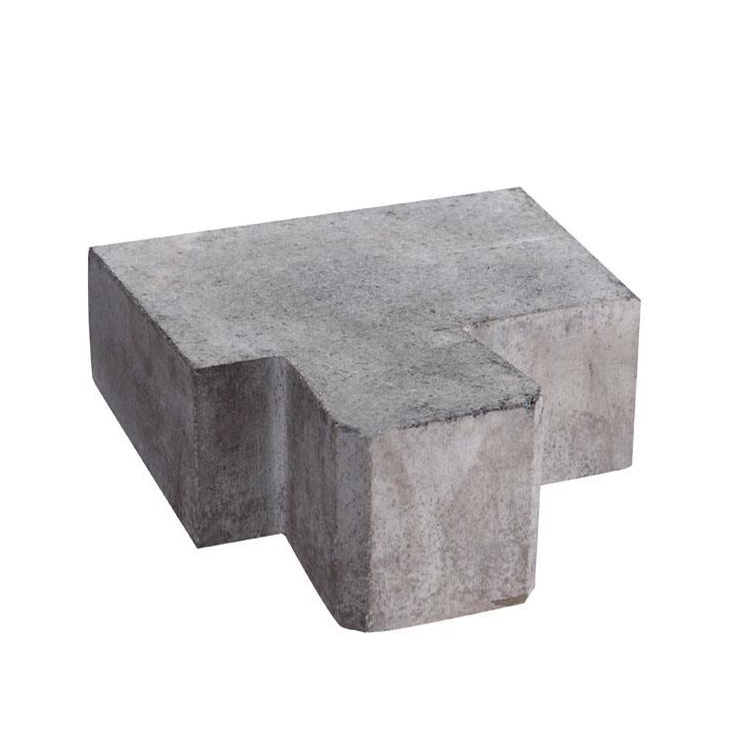
Comparison chart showing service life of high-alumina brick vs. mullite composite in dry quenching system

Application-Specific Requirements Across Critical Zones

Not all zones are equal. For example:

  • Skid Zone (Hot Gas Path): Requires high creep resistance and low thermal conductivity — mullite’s stable crystal lattice excels here.
  • Cooling Chamber: Needs excellent anti-slag penetration properties — the fine-grained mullite matrix reduces pore connectivity by up to 40% compared to conventional bricks.
  • Discharge Port: Faces mechanical wear + thermal stress — mullite composites with SiC additives show 3x better abrasion resistance.

These distinctions highlight why one-size-fits-all refractory solutions fail. A tailored approach based on zone-specific loading profiles is essential for maximizing asset value.

Construction Quality Is Just as Important as Material Choice

Even the best material underperforms if installed improperly. Key construction insights include:
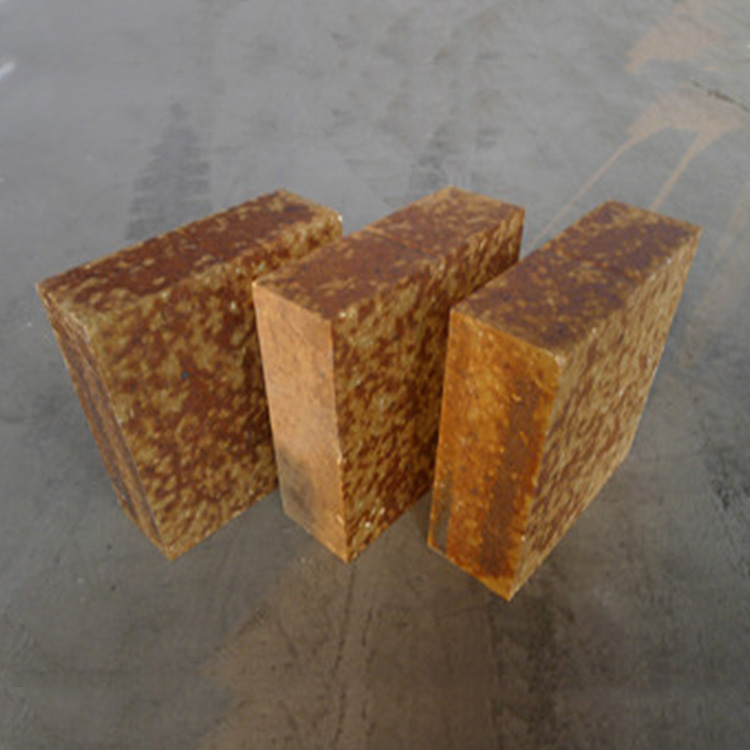
  • Control mortar joint thickness to ≤ 3 mm to minimize heat loss and prevent hot spots.
  • Leave proper expansion gaps (typically 3–5 mm per meter) to accommodate thermal growth without inducing stress fractures.
  • Use non-shrink grouting compounds during installation to ensure full contact between bricks and substrate.
Detail view of properly spaced refractory brick joints with expansion gaps clearly marked

Real-world examples from mills in South Korea and Brazil confirm that companies investing in both superior materials and trained installers see 30–40% lower maintenance costs over three years.

What This Means for Your Operation

If your dry quenching system experiences frequent refractory replacements or unexpected downtime, it may be time to reassess your current selection strategy. The shift toward mullite-based composites isn’t just a trend—it’s a proven solution backed by empirical evidence from leading global producers.

Whether you're planning a capital upgrade or optimizing existing operations, understanding how material science meets real-world application will help you make smarter decisions—and avoid costly mistakes.

Ready to Optimize Your Refractory Strategy?

Explore our range of high-purity mullite composite bricks designed for extreme thermal cycling environments—engineered for longer life, less downtime, and better ROI.

See How Our Mullite Bricks Can Extend Your System Life
Name *
Email *
Message*

Recommended Products

Popular articles
Recommended Reading

Related Reading

Contact us
Contact us
https://shmuker.oss-accelerate.aliyuncs.com/tmp/temporary/60ec5bd7f8d5a86c84ef79f2/60ec5bdcf8d5a86c84ef7a9a/thumb-prev.png