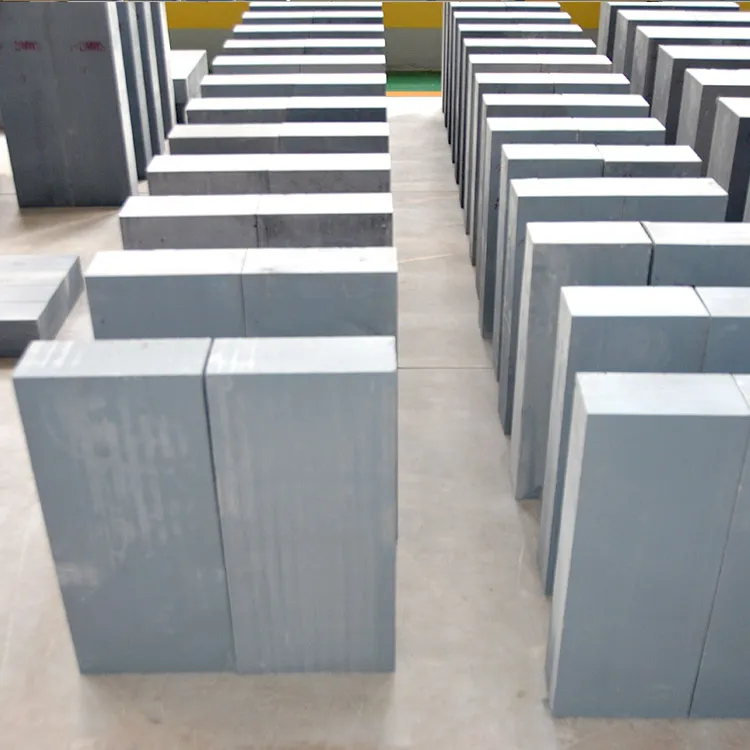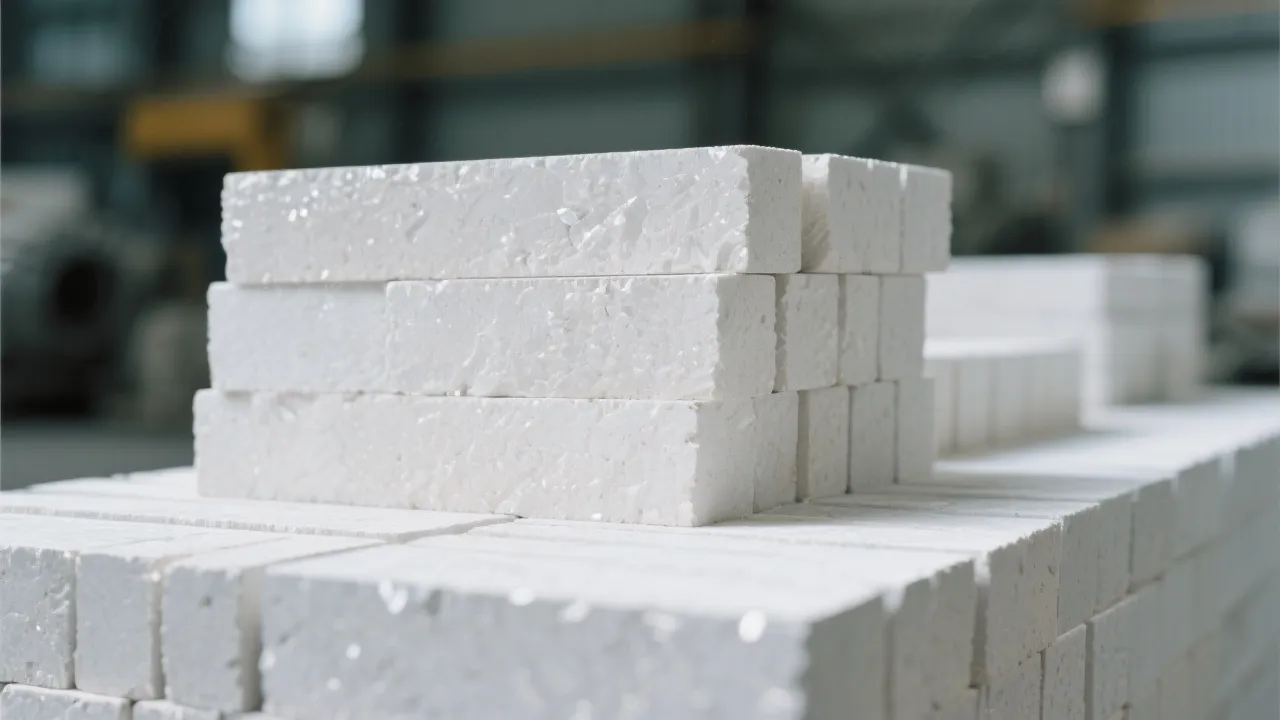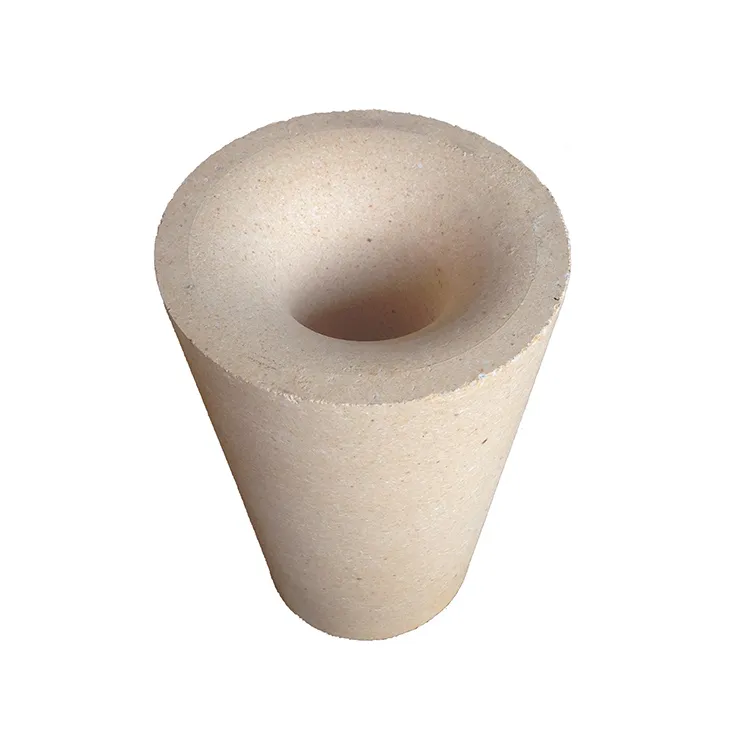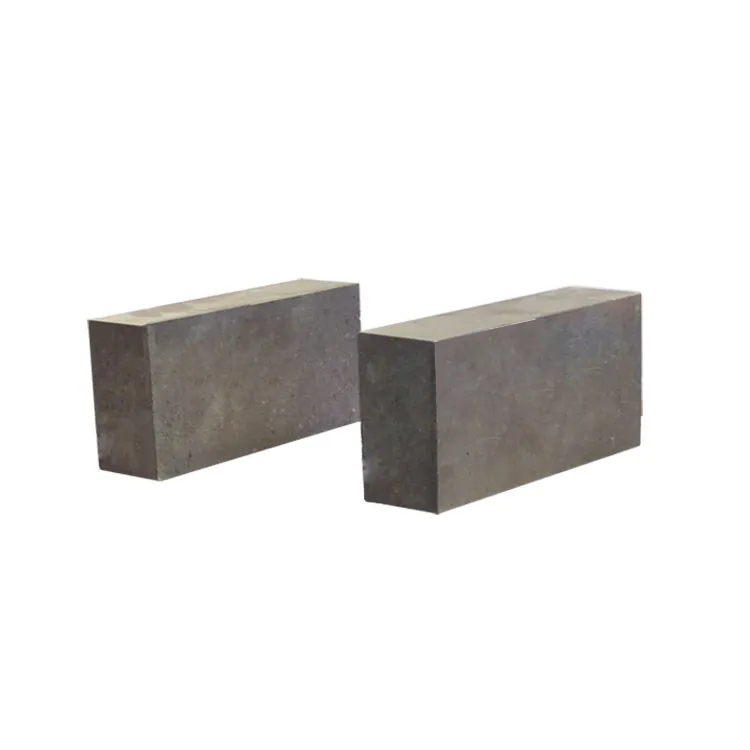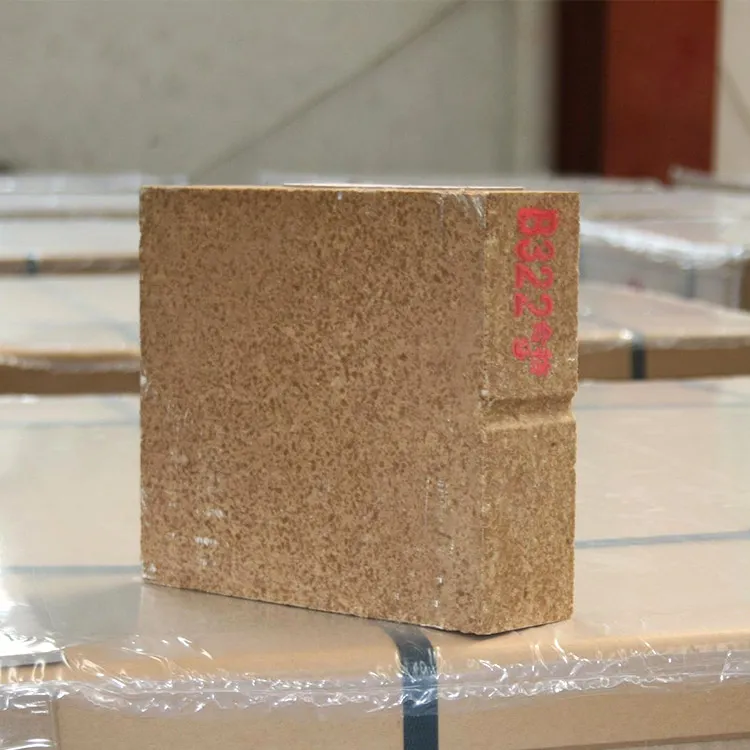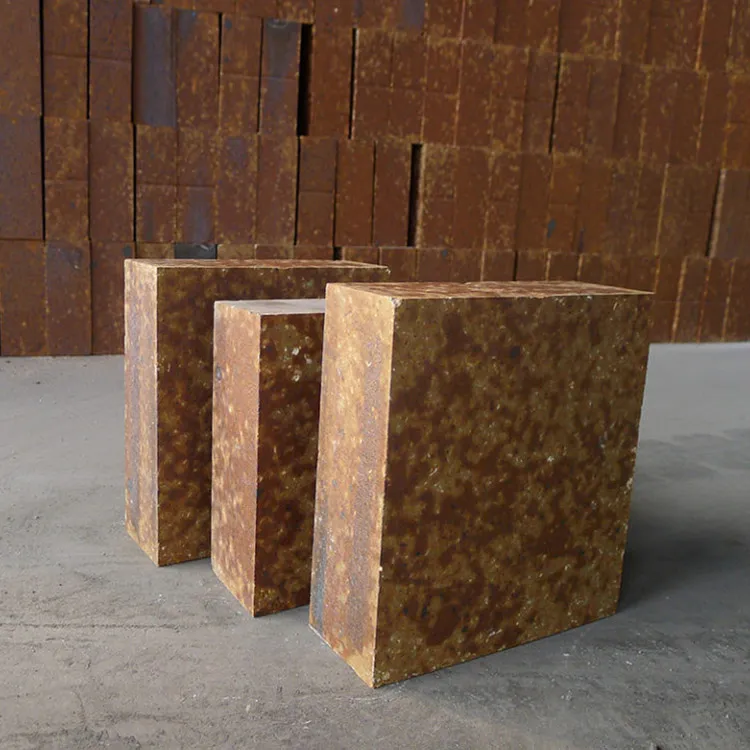
In the demanding environment of modern steelmaking, dry quenching (DQ) systems stand as critical components that directly impact energy efficiency, operational safety, and overall productivity. The refractory materials lining these systems face relentless challenges—temperatures swinging between 800°C and 1,400°C, aggressive slag attack, and mechanical stress that would compromise ordinary materials within months. For plant managers and technical directors, selecting the right refractory solution isn't just a maintenance decision; it's a strategic investment in operational reliability and cost control.
Industry data shows that refractory failures account for approximately 28% of unplanned downtime in DQ systems, with each incident costing an average of $120,000 in lost production and repair expenses. Traditional high-alumina bricks typically deliver 6-8 months of service life under moderate conditions, but in severe DQ environments, this can shrink to as little as 3-4 months. The key to extending service intervals lies in understanding the unique demands of each DQ zone and matching them with advanced refractory solutions.
Dry quenching systems present distinct challenges across different operational zones, each requiring specialized refractory properties:
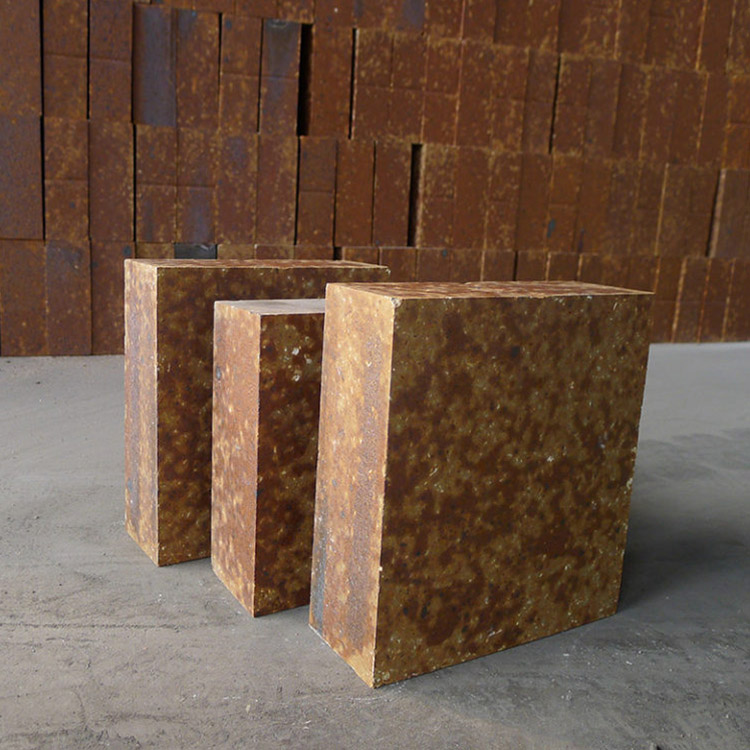
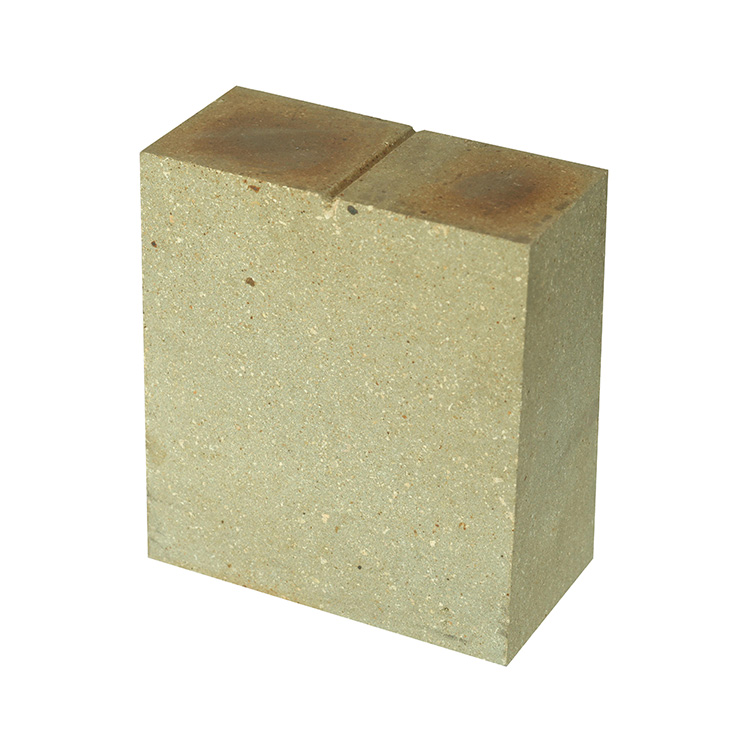
Sunrise high-alumina mullite refractories represent a significant advancement over conventional materials, leveraging two key innovations: microcrystalline reinforcement technology and composite structure design. These engineered solutions address the core failure modes in DQ systems through precise material science.
Mullite (3Al₂O₃·2SiO₂) offers an optimal balance of thermal expansion (3.5-4.0 × 10⁻⁶/°C) and thermal conductivity (2.5-3.0 W/m·K), creating a material inherently resistant to thermal cycling. Sunrise's proprietary microcrystalline reinforcement further refines the microstructure, reducing crystal size to 5-10 μm—resulting in a 40% improvement in thermal shock resistance compared to standard mullite bricks, as measured by the water quenching test (ASTM C1171).
The composite structure design incorporates graded porosity and tailored additives that create a multi-layered defense against slag penetration. Field tests conducted at three major steel mills in China and Europe demonstrated that these advanced refractories maintained structural integrity even after 1,200 thermal cycles between 200°C and 1,300°C—performance that translates directly to extended service life.
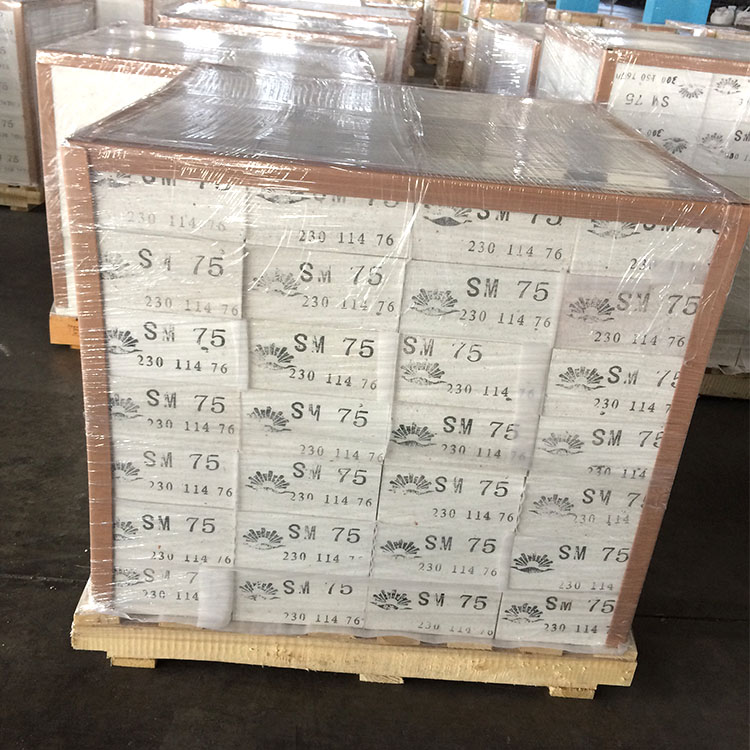
The true measure of refractory performance lies in operational results. Consider the experience of a leading European steel producer that upgraded their DQ system with Sunrise high-alumina mullite bricks:
| Performance Metric | Traditional High-Alumina Bricks | Sunrise Mullite Refractories | Improvement |
|---|---|---|---|
| Service Life | 5-7 months | 14-16 months | +140% |
| Maintenance Cost | $85,000/year | $32,000/year | -62% |
| Unplanned Downtime | 42 hours/year | 8 hours/year | -81% |
Even the most advanced refractory materials will underperform without proper installation. The precision of mortar application, joint thickness control (ideally 1-2mm), and expansion joint management directly impact thermal shock resistance. Sunrise provides comprehensive installation guidance, including temperature-controlled curing protocols and specialized tools to ensure optimal material performance.
Download our comprehensive Dry Quenching Refractory Selection Toolkit featuring material selection guides, installation checklists, and ROI calculators tailored for steel industry professionals.
Get Your Free Toolkit NowFor technical directors facing the challenge of balancing performance, maintenance costs, and operational reliability, the choice of refractory materials represents a critical decision with far-reaching implications. By understanding the specific demands of each DQ zone and leveraging advanced materials like Sunrise high-alumina mullite refractories, steel producers can achieve substantial improvements in service life while reducing maintenance expenses and unplanned downtime.
The future of DQ system refractories lies in the precise engineering of materials at the microstructural level, combined with application-specific design and expert installation. As steelmakers continue to push for greater efficiency and sustainability, the role of advanced refractories will only grow in importance—making informed material selection more critical than ever before.