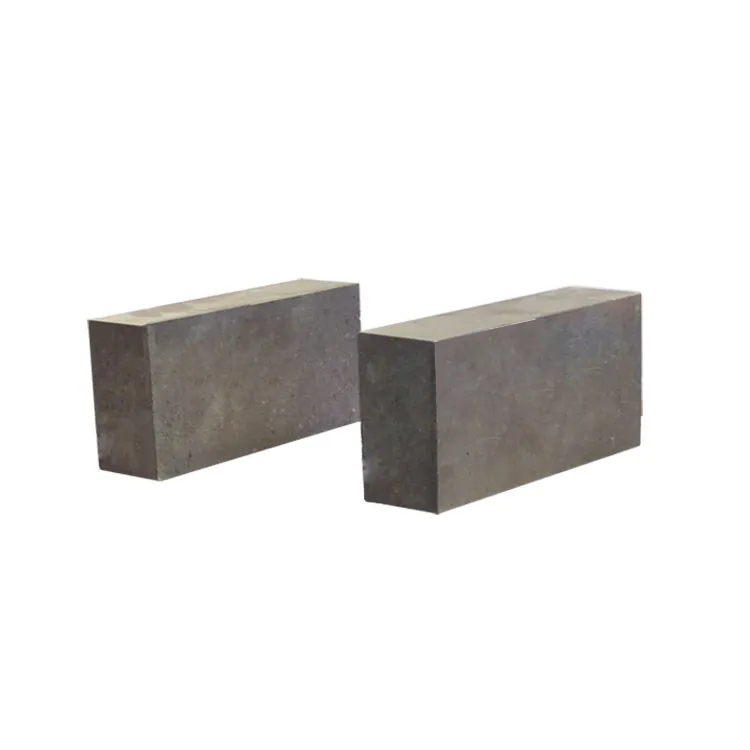
Are you still selecting high-alumina mullite bricks for your dry quenching furnace based solely on their load softening temperature? If so, you may be setting yourself up for frequent unplanned shutdowns — and costly repairs.
In a recent case study from a major steel plant in China, operators reported an average of 3–4 unscheduled outages per month. The root cause? A seemingly “qualified” refractory brick that passed standard lab tests but failed under real-world thermal cycling. Why? Because the team focused only on load softening temperature (typically >1600°C), ignoring one critical parameter: thermal shock resistance.
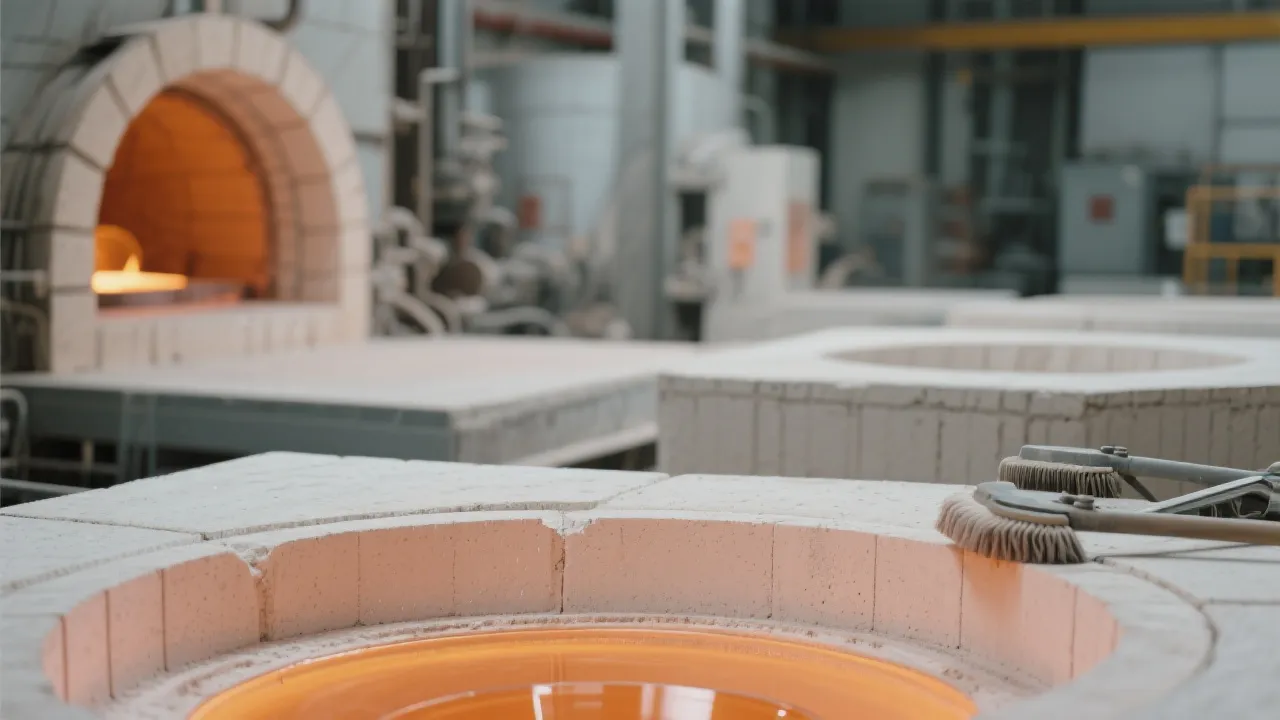
Load softening temperature tells you when a brick starts to deform under weight at high temps — but it doesn’t tell you how well it survives rapid heating and cooling cycles. In dry quenching systems, where temperatures swing from ~100°C to over 1000°C within minutes, this is exactly what happens daily.
Our internal testing shows that even bricks with identical load softening points can differ by up to 40% in crack initiation rate after repeated ΔT = 850°C water-cooling cycles. One batch cracked after just 50 cycles; another lasted over 150 — despite both meeting ISO 1889 standards.
Field data from 12 operating dry quenching units revealed that bricks with poor thermal shock performance showed visible surface spalling within 6 months — often starting as small cracks near the charging port. These weren't detected until they caused liner failure.
Engineers now use infrared thermography to spot early hotspots — areas where heat builds faster than expected due to micro-cracking. This proactive approach has helped reduce unexpected downtime by up to 70% in pilot sites.
Don’t rely on a single metric. Instead, demand full thermal shock evaluation — including:
And here's a pro tip from our field engineers: if your supplier can’t provide detailed heat cycle data or explain why their product performs better than competitors under extreme thermal stress, ask yourself — are they really solving your problem… or just selling a label?
Share your story below — we’ll help analyze it and guide you toward smarter material selection.
Download our expert-tested protocol for evaluating thermal shock resistance — used by top-tier steel plants globally.
👉 Download Now – No Email Required