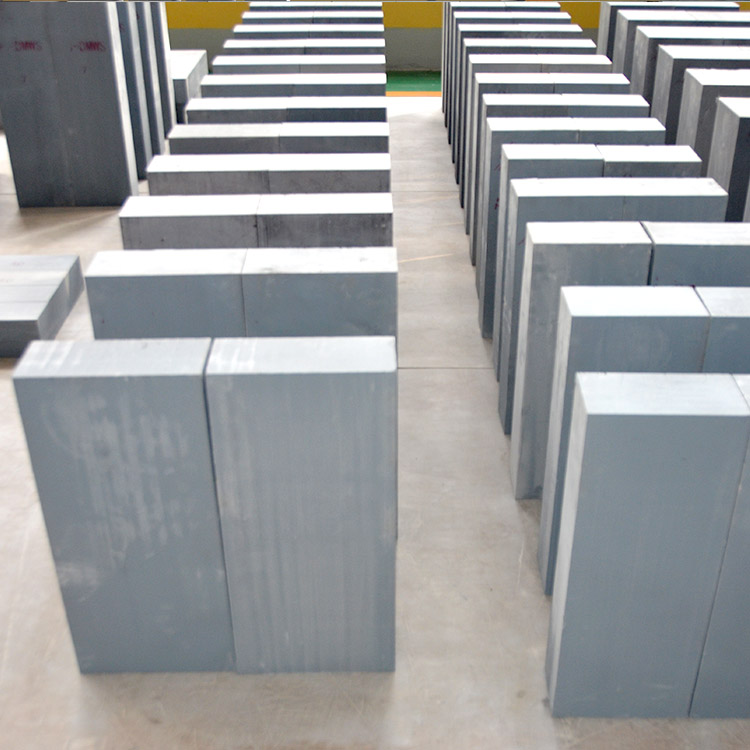
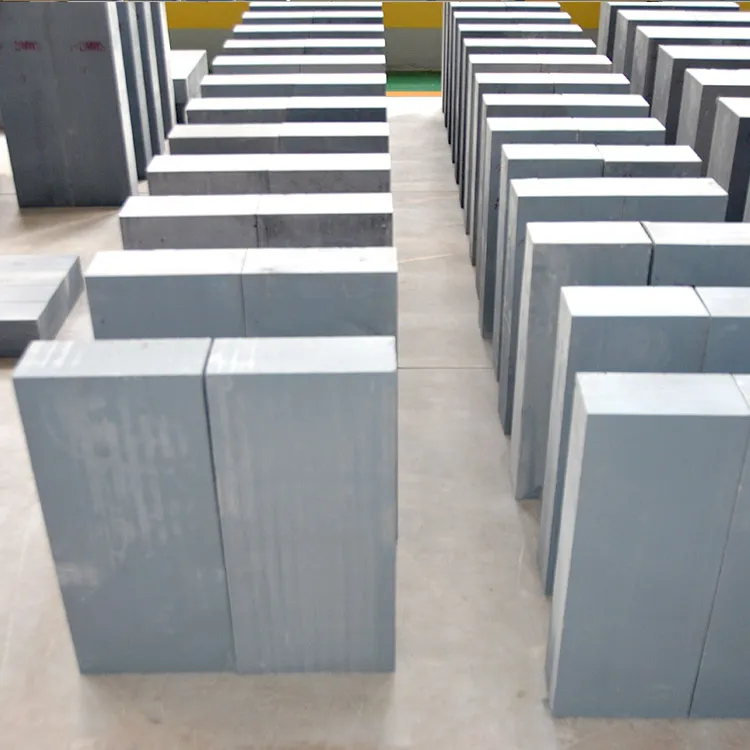
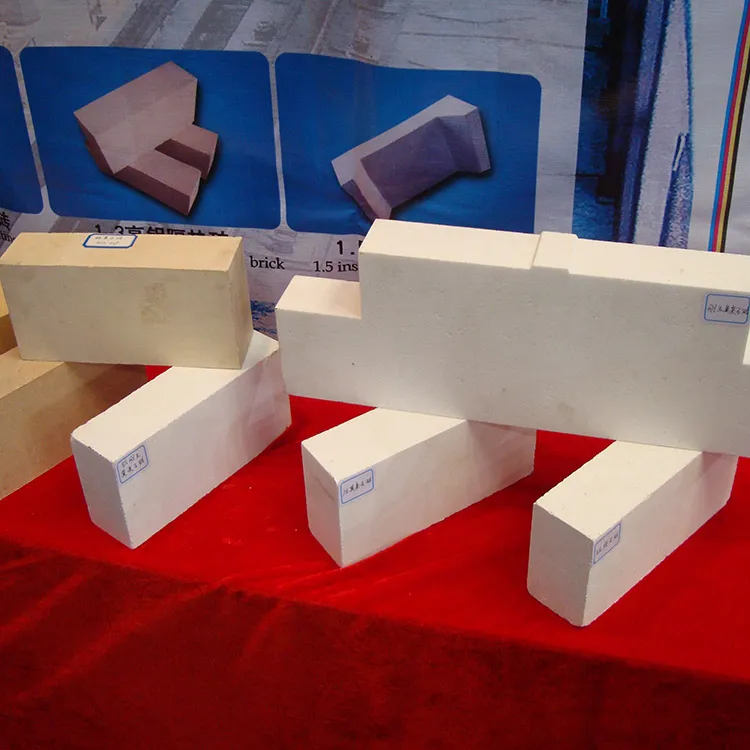
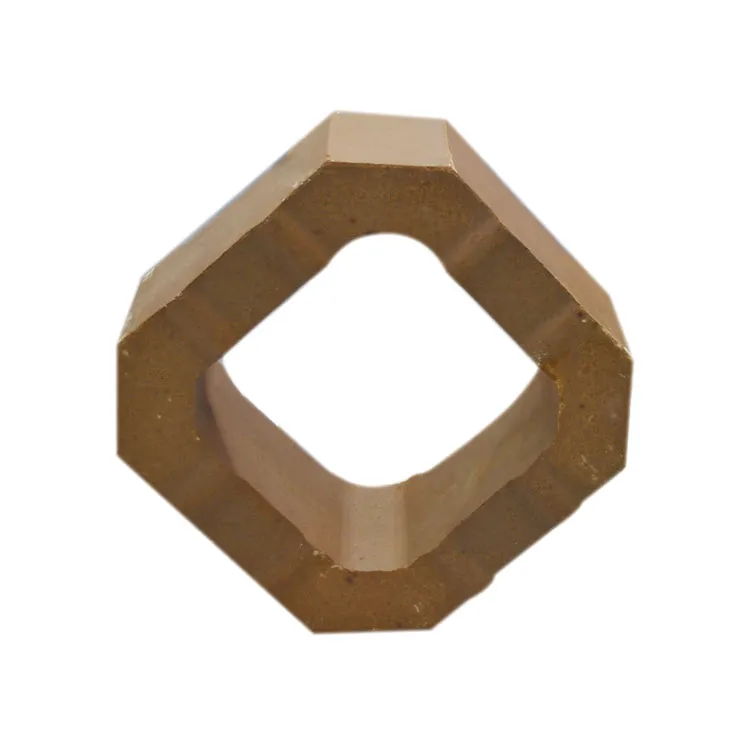
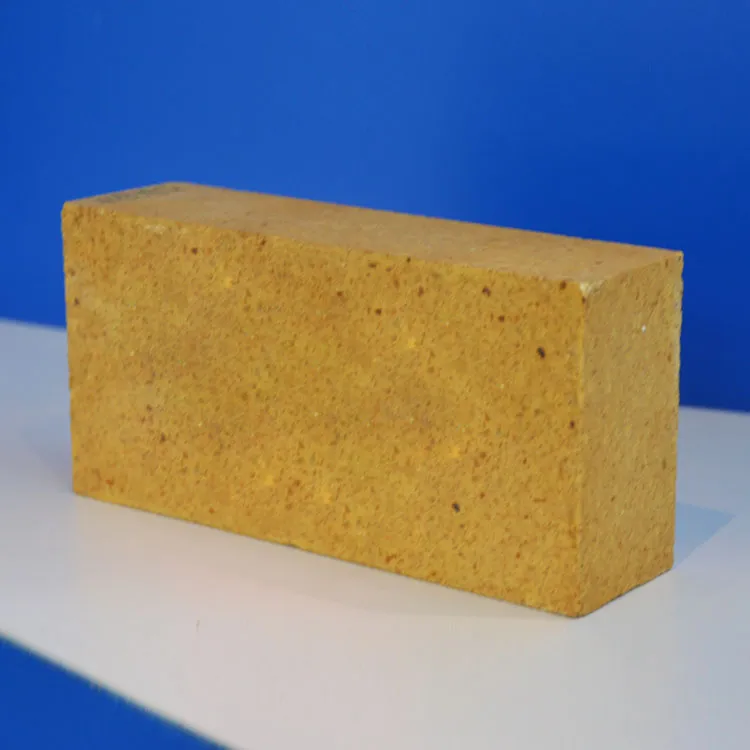
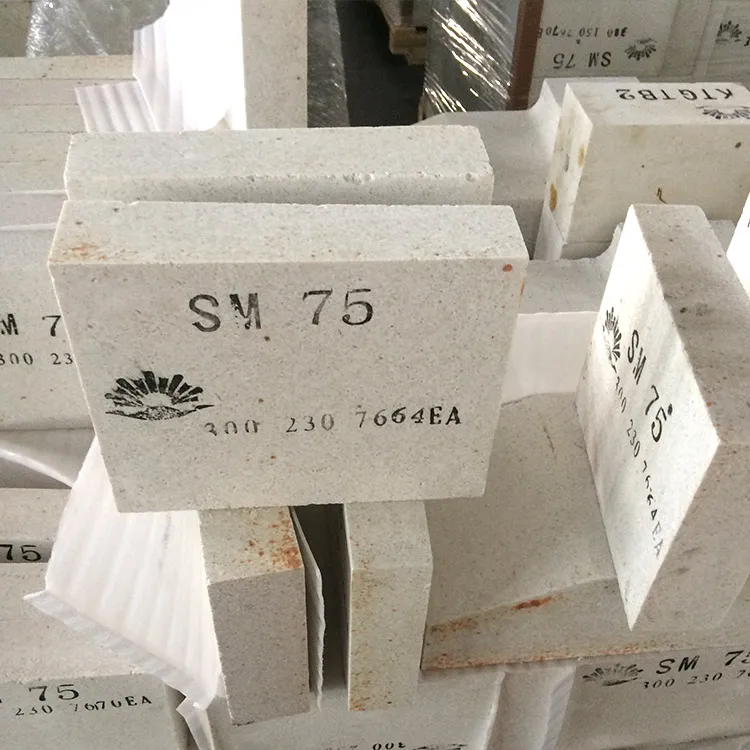
In dry quenching (DQ) systems, high-alumina mullite refractory bricks are critical for maintaining operational safety and efficiency. Yet, thermal shock-induced cracking remains one of the most frequent causes of premature failure—often leading to unplanned downtime and increased maintenance costs.
Most manufacturers rely on standardized water-quench thermal shock tests per ASTM C1721. While useful for initial screening, these lab results don’t always reflect real-world performance. Field data from over 30 DQ units show that average crack propagation rates range between 0.5 mm/hour to 2.3 mm/hour under actual operating conditions—a variation often missed during controlled testing.
For example, a steel plant in India reported sudden brick spalling after just 18 months of service despite passing lab tests. Post-failure analysis revealed rapid crack growth due to inconsistent cooling cycles—not accounted for in standard protocols.
One key insight emerging from frontline engineers is the value of infrared thermography for early detection. In a case study at a Chinese cokeworks, infrared imaging detected temperature anomalies (ΔT > 15°C) at crack initiation points before visible damage occurred. This allowed scheduled replacement instead of emergency shutdowns—reducing repair time by up to 40%.
These findings support a shift from reactive to predictive maintenance strategies. By tracking both crack extension rate and surface degradation area over time, operators can estimate remaining brick life with 85–90% accuracy using simple regression models.
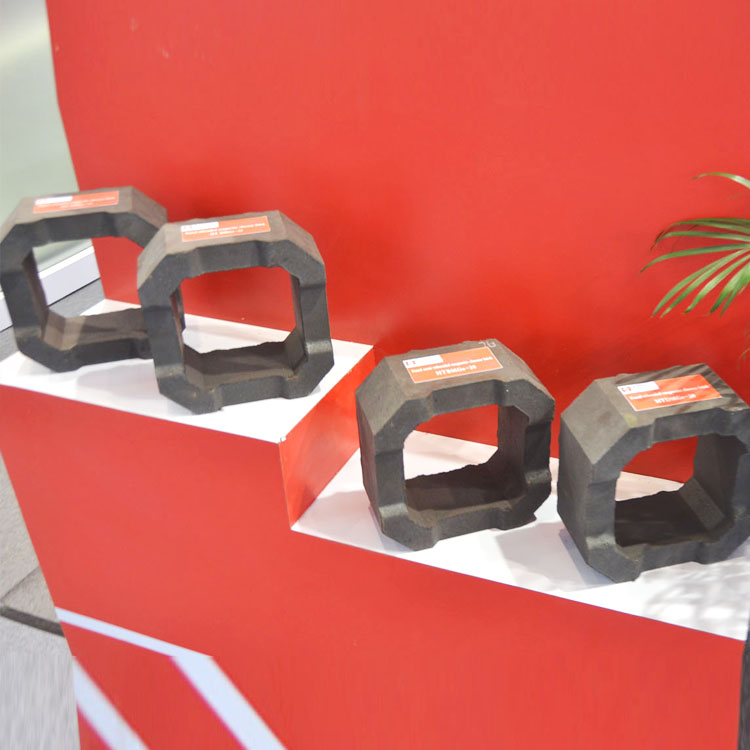
Many users assume uniform wear across all bricks—leading to incorrect assumptions about material quality. However, data shows that localized hot zones (especially near gas inlet ports) account for over 60% of total damage. Ignoring this leads to misdiagnosed failures and wasted resources.
Another common mistake: relying solely on visual inspection. Cracks deeper than 5 mm are often invisible until catastrophic failure occurs. Implementing periodic ultrasonic or thermographic scans can prevent such surprises.
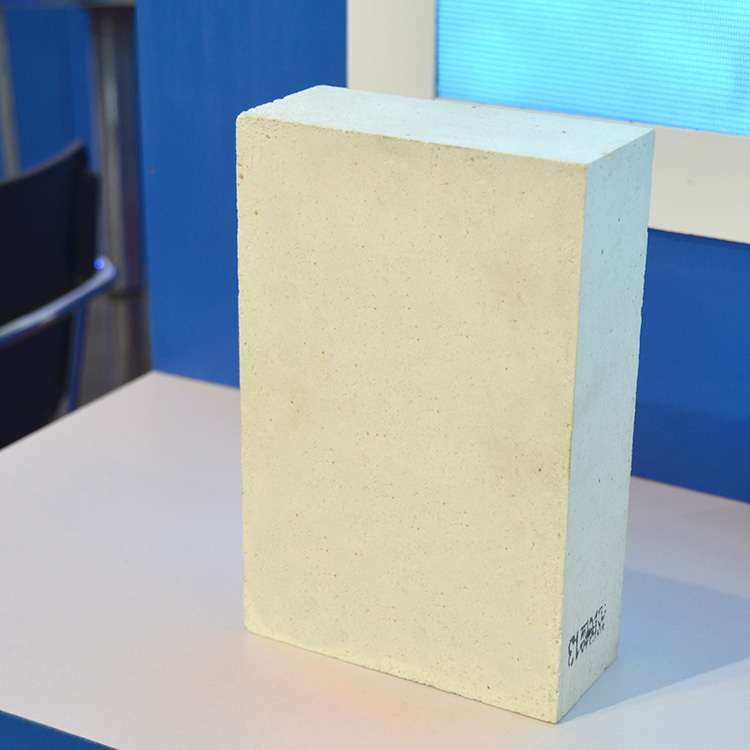
If you're managing a dry quenching system, consider integrating these practices:
We’ve compiled a free technical white paper detailing our methodology, including sample data tables, diagnostic checklists, and best practices used by top-tier steel producers worldwide.
Get actionable insights, real-world examples, and tools to improve your refractory lifecycle management.
Access Now – No Registration Required