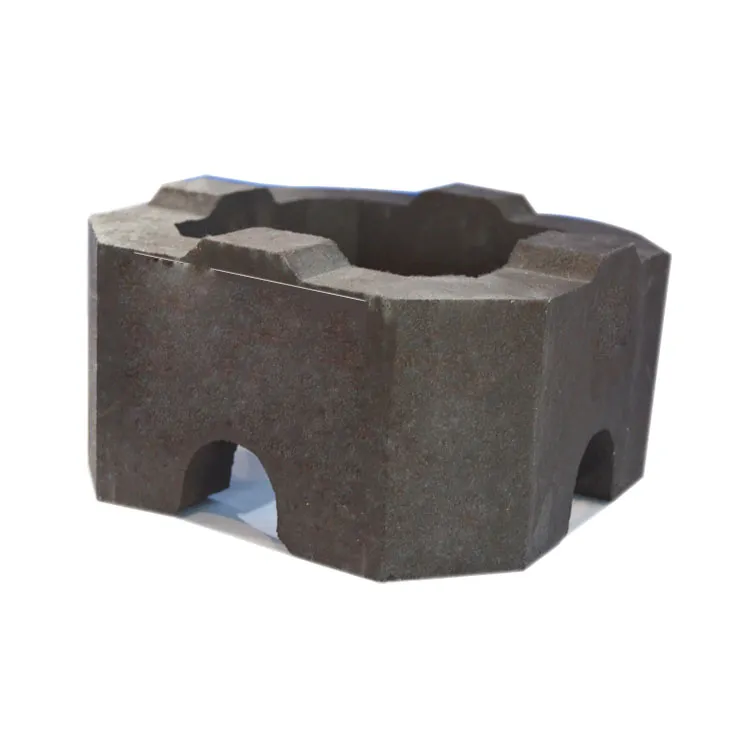
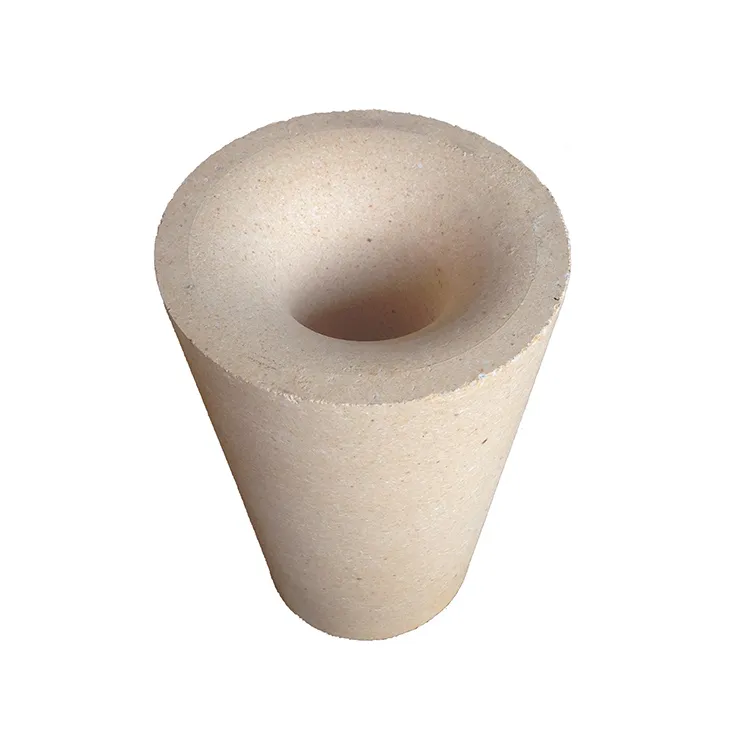
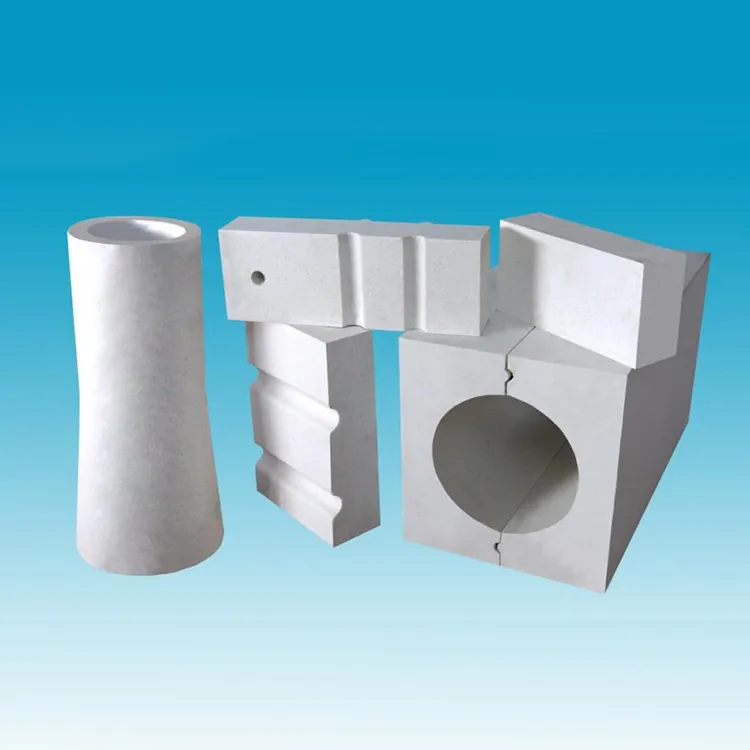
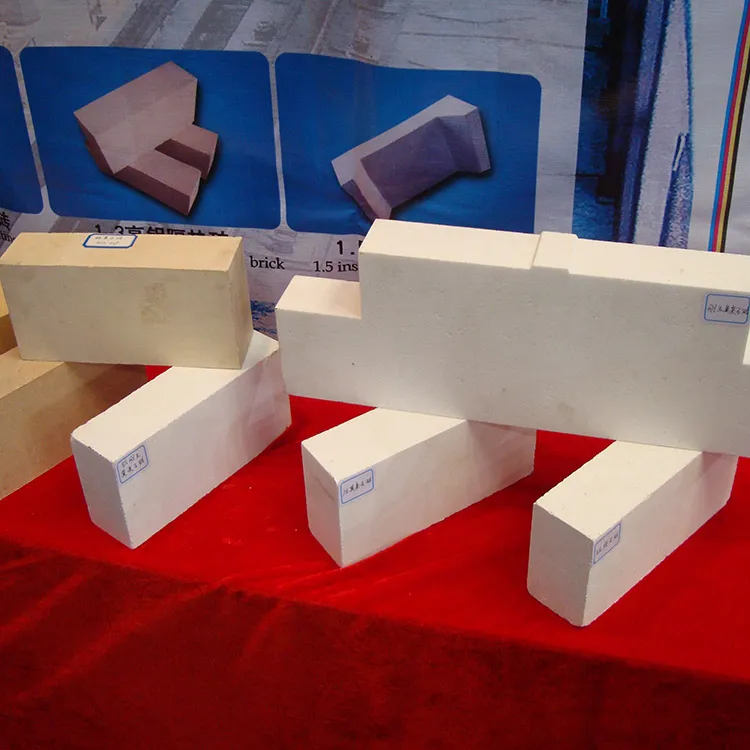
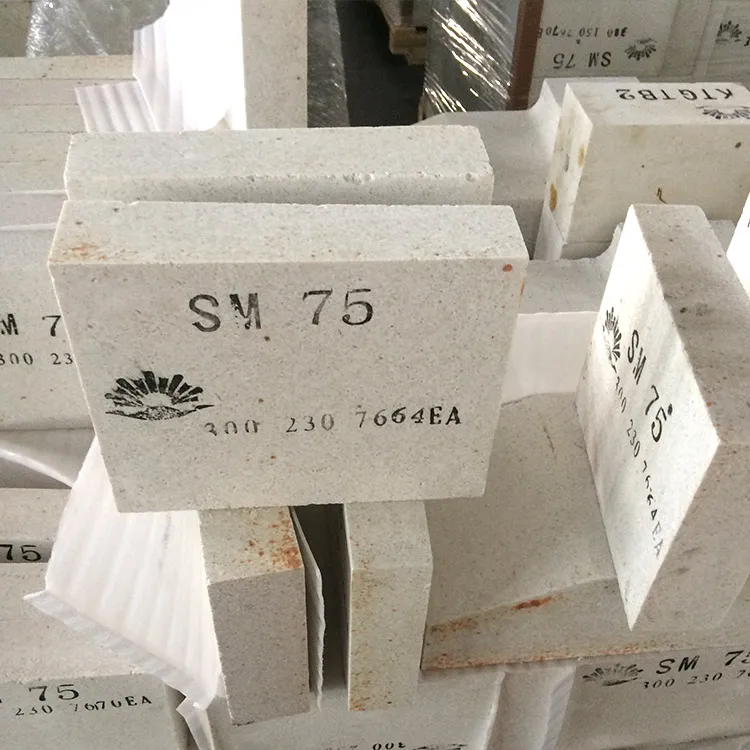
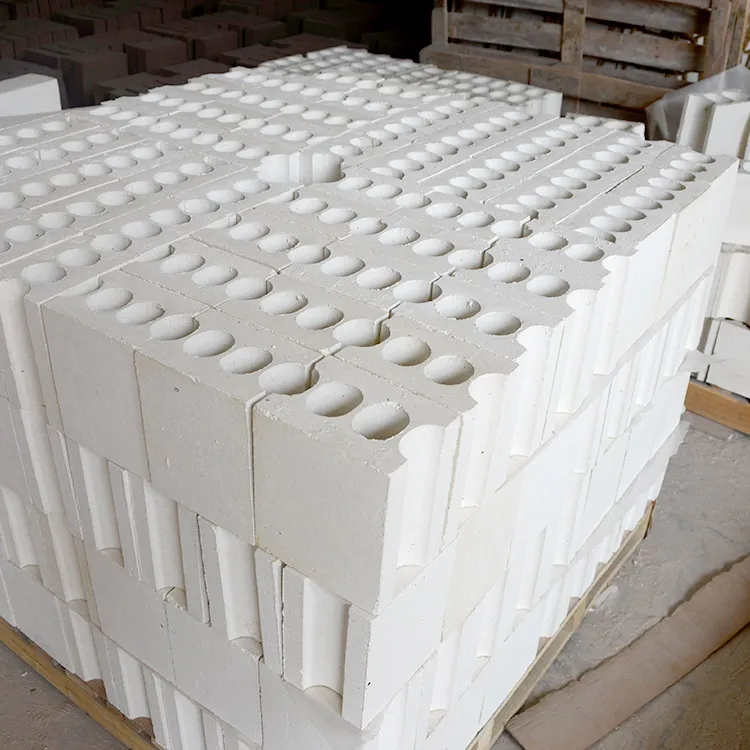
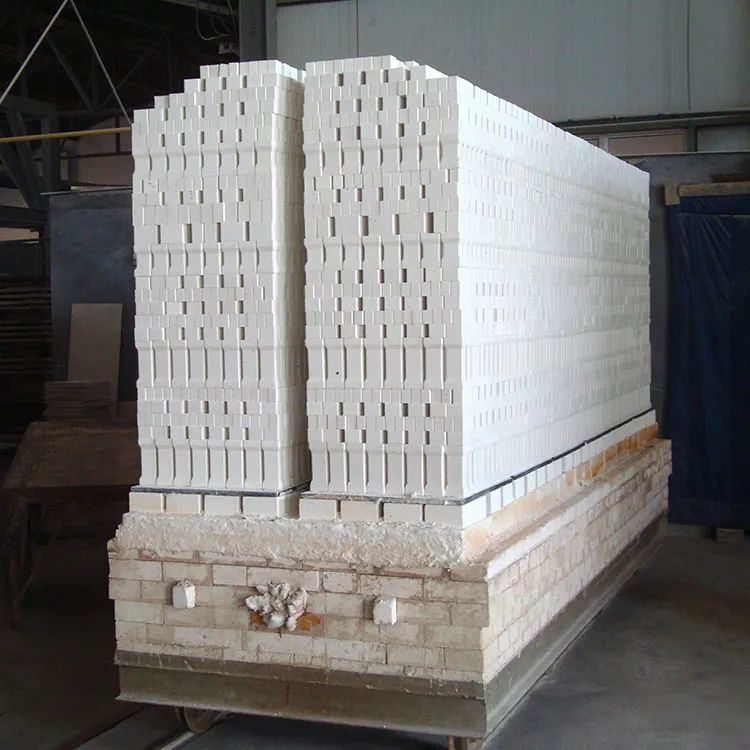
In the harsh environments of steelmaking, coking, and petrochemical industries, refractory bricks face extreme temperatures exceeding 1600°C, mechanical abrasion from moving materials, and rapid thermal cycling that can cause catastrophic failure. Recent industry studies indicate that refractory-related downtime costs steel manufacturers an average of $250,000 per hour, making material performance optimization a critical factor in operational efficiency and profitability.
Engineering Challenge:
Modern industrial processes demand refractories that maintain structural integrity through 500+ thermal cycles while withstanding abrasion rates 30% higher than standard operating conditions. Traditional materials often fail within 3-6 months in severe service areas.
The performance leap in modern refractory bricks begins with material selection. Sunrise has pioneered formulations incorporating three critical components that address the dual challenges of wear resistance and thermal shock stability:
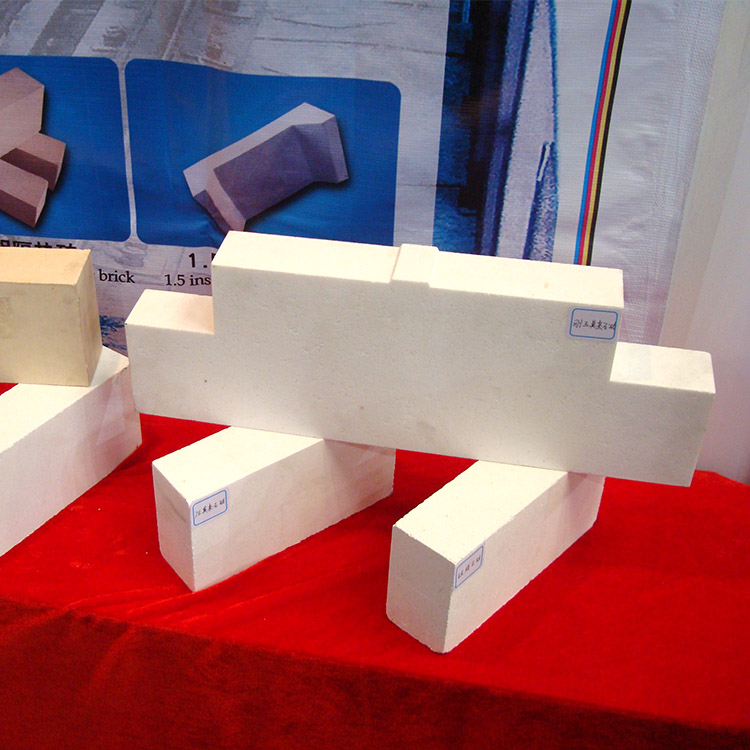
Beyond raw materials, the microstructure architecture determines ultimate performance. Advanced refractories employ a carefully engineered multiphase design that creates a material with complementary properties:
A fine-grained matrix (1-5μm particles) provides dense packing and chemical resistance, while larger aggregate particles (50-200μm) contribute to mechanical strength and thermal shock resistance through microcrack deflection.
Controlled formation of ceramic bonds between phases creates a material that can withstand thermal gradients of 800°C/m without catastrophic failure, a critical requirement in steel ladle applications.
Laboratory testing shows that this microstructure design increases thermal shock resistance (as measured by water quenching cycles) from 15-20 cycles for conventional bricks to 50+ cycles for advanced formulations, directly translating to extended service life in industrial applications.

Different industrial processes impose unique demands on refractory materials. Sunrise refractory solutions are engineered to address these specific challenges:
In BOF converters and ladles, refractories face temperatures up to 1700°C and severe mechanical冲击 from molten metal and slag. Field data from a major steel producer showed that Sunrise refractory bricks increased campaign life by 45% in ladle linings compared to previous materials, reducing relining frequency from 85 to 123 heats.
Coke oven walls experience extreme temperature fluctuations (ambient to 1300°C) during charging and pushing cycles. A European coking plant reported 30% longer service life using optimized refractory formulations, reducing maintenance costs by €1.2 million annually.
In steam crackers and reformers, refractories must resist both high temperatures and chemical attack from hydrocarbons. API 560 compliance testing demonstrated that advanced silicon carbide-containing refractories reduced corrosion rates by 58% compared to standard alumina bricks.
Consistent performance requires rigorous quality control throughout the manufacturing process. Sunrise implements a multi-stage quality assurance protocol that includes:
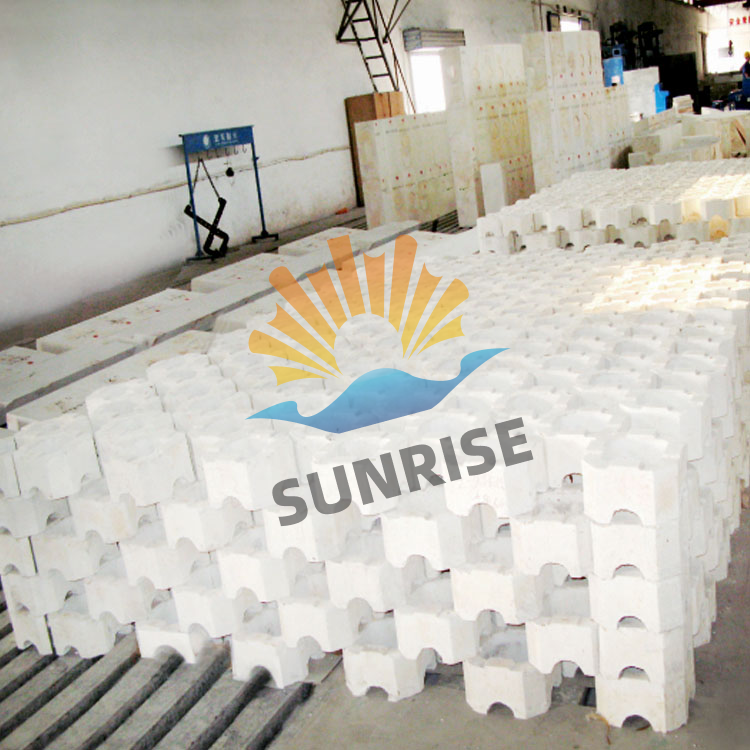
Our engineering team specializes in developing custom refractory solutions tailored to your specific operating conditions. With Sunrise advanced refractories, companies typically see:
35-50%
Extended service life
25-40%
Reduction in maintenance costs
99.6%
On-spec performance rate
Maintenance engineers should consider not only initial material cost but total lifecycle expenses. A comparative study by the Refractory Industry Association found that premium refractories, despite higher upfront cost, typically deliver 2.3x better value through extended service life and reduced downtime.
Proper installation and maintenance further maximize refractory performance. Sunrise provides comprehensive technical support, including thermal profiling, installation guidance, and wear monitoring to ensure optimal performance throughout the refractory service life.