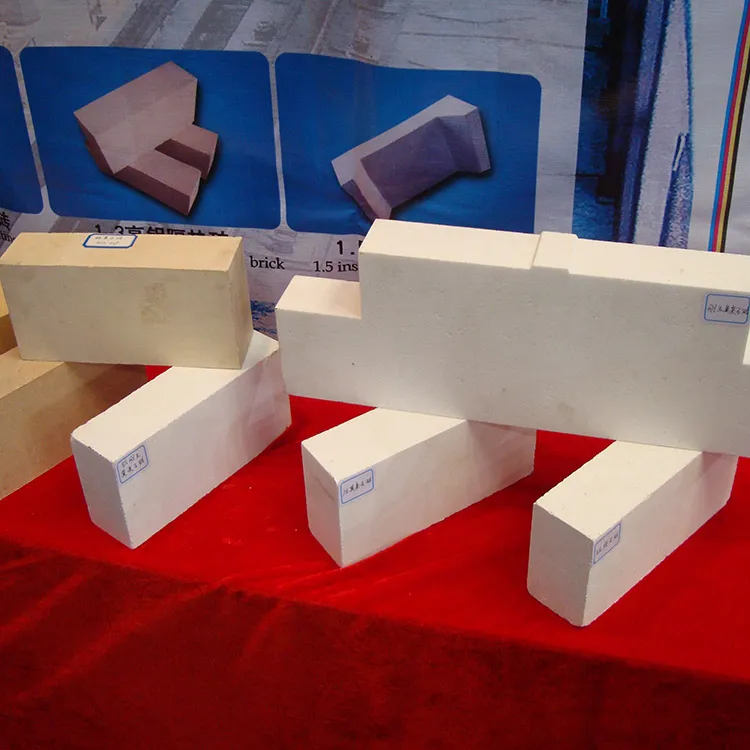
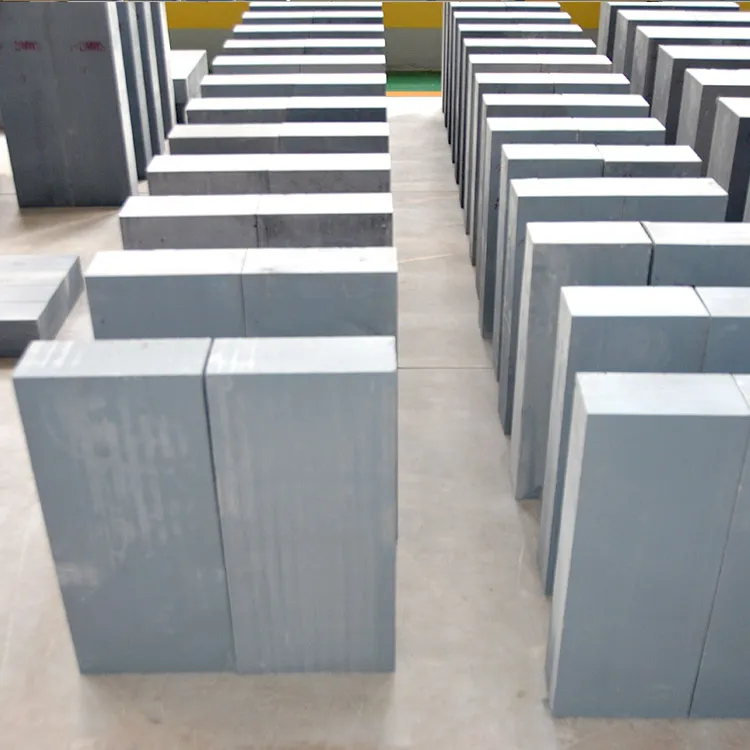
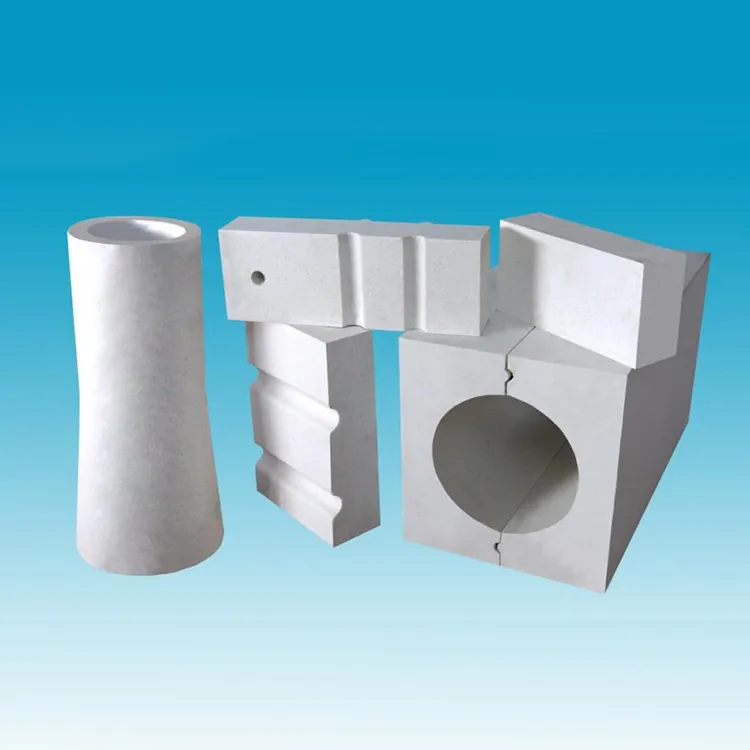
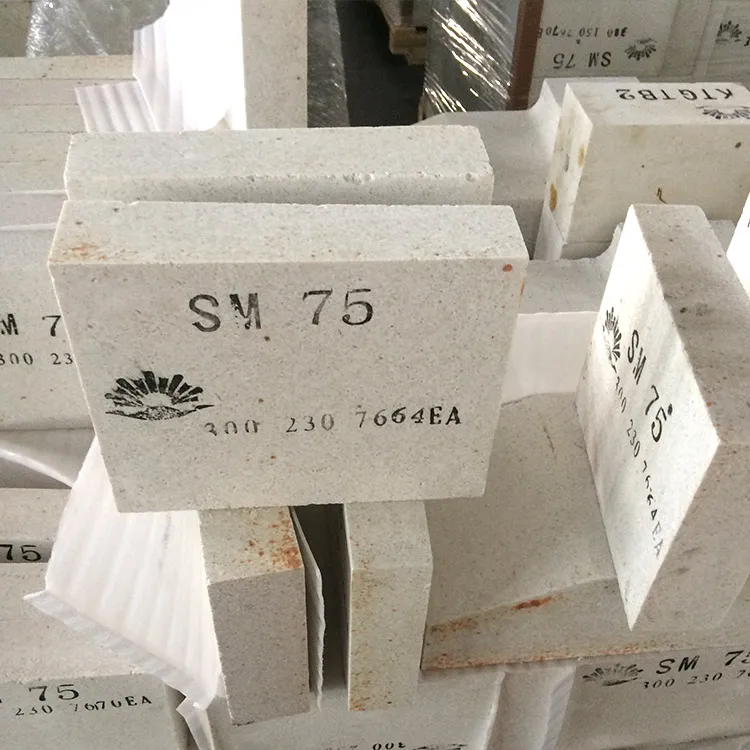
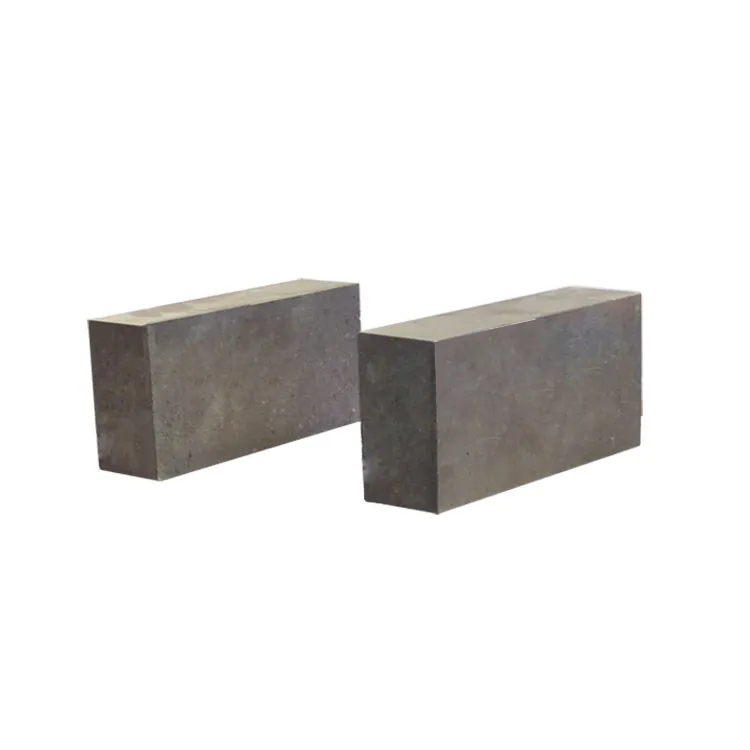
In the steel manufacturing industry, where operational efficiency directly impacts profitability, the blast furnace iron trough stands as a critical component often overlooked until failures occur. Unplanned downtime due to trough wear can cost a mid-sized steel plant an estimated $200,000 to $500,000 per incident, not including the cascading effects on production schedules and supply chain commitments.
Industry Insight:
A recent survey of 30 major steel producers across Europe and Asia revealed that blast furnace troughs typically require complete replacement every 3-6 months under standard operating conditions, with 78% of failures attributed to preventable material degradation and inadequate maintenance practices.
The operational environment of a blast furnace trough presents a unique combination of challenges that test material science to its limits. Three primary factors determine lifespan:
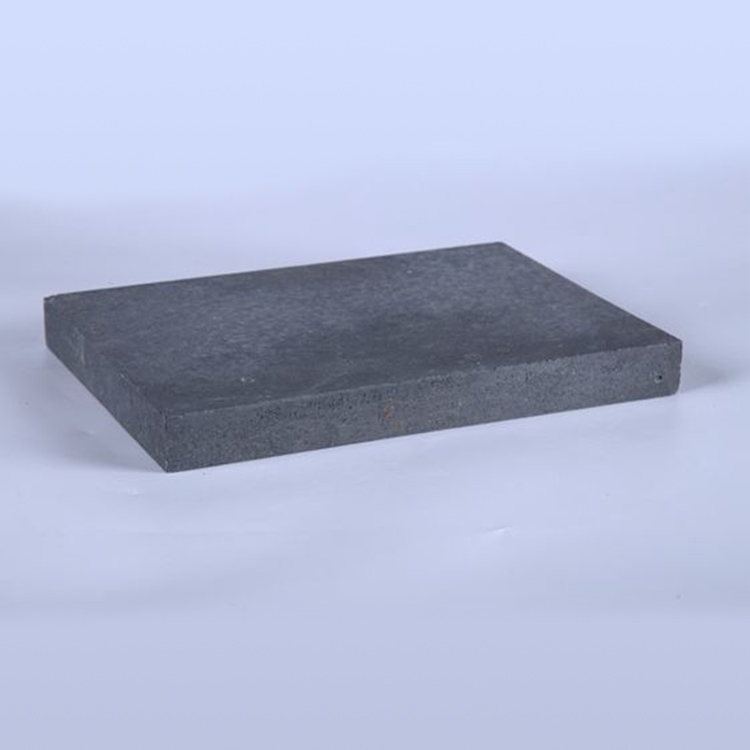
The evolution of trough materials has progressed significantly beyond conventional alumina-silica refractories. Modern solutions now incorporate advanced composite materials engineered for specific operating conditions:
| Material Type | Key Properties | Average Lifespan Improvement | Optimal Application |
|---|---|---|---|
| Alumina-Carbon Composites | High thermal shock resistance, low wettability by molten iron | 35-45% | High-volume production furnaces |
| Silicon Carbide Reinforced | Exceptional abrasion resistance, high thermal conductivity | 50-60% | High-velocity flow sections |
| Magnesia-Alumina Spinel | Superior slag resistance, excellent chemical stability | 25-30% | Slag line areas |
Sunrise has been at the forefront of implementing these advanced materials, working closely with refractory manufacturers to develop application-specific solutions that address the unique challenges of each steel plant's operating conditions.
Even the most advanced materials will underperform without proper installation techniques. Modern construction methods have evolved to ensure optimal material performance:
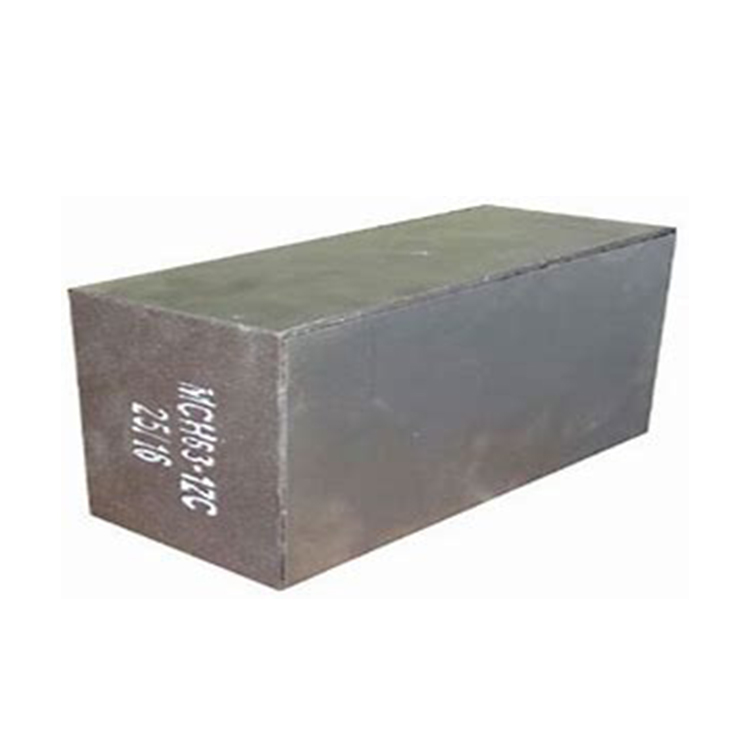
The most significant gains in trough lifespan come not from materials alone but from implementing comprehensive condition monitoring systems. Leading steel producers have adopted predictive maintenance programs that have shown remarkable results:
"After implementing a comprehensive condition monitoring system, our plant reduced trough-related downtime by 62% and extended average trough lifespan from 4 to 7 months. The investment paid for itself within two production cycles."
— Maintenance Director, Major European Steel Producer

The most successful steel producers recognize that extending trough lifespan requires an integrated approach combining advanced materials, precision construction, and continuous monitoring. By addressing all three areas simultaneously, plants have achieved remarkable results, with some reporting up to 85% extension in trough service life compared to traditional approaches.
This integrated approach not only reduces maintenance costs and unplanned downtime but also contributes to improved safety conditions and more stable production processes. As steel manufacturers face increasing pressure to optimize efficiency and reduce environmental impact, extending equipment lifespan has become a critical component of sustainable operations.
Discover how Sunrise's intelligent temperature monitoring and thickness scanning solutions can help you predict issues before they cause downtime.
Schedule a Technical ConsultationImplementing these advanced technologies requires a partnership between plant operations, maintenance teams, and technology providers. By working together to analyze specific operating conditions and develop customized solutions, steel producers can achieve significant improvements in trough lifespan and overall operational efficiency.