If you're managing high-temperature industrial kilns—whether in cement, glass, or metallurgy—you know that refractory lining failure isn’t just costly—it’s a safety risk. The good news? With the right high-alumina dense wear-resistant clay bricks, proper installation, and proactive maintenance, you can extend your furnace lining by up to 30–50%.
Before any brick is placed, assess your kiln’s operating environment: temperature gradients, chemical exposure (e.g., alkali vapor in cement kilns), and mechanical stress points. According to ISO 1973-2, improper preparation accounts for nearly 40% of premature refractory failure.
| Pre-Installation Checklist | Critical Action |
|---|---|
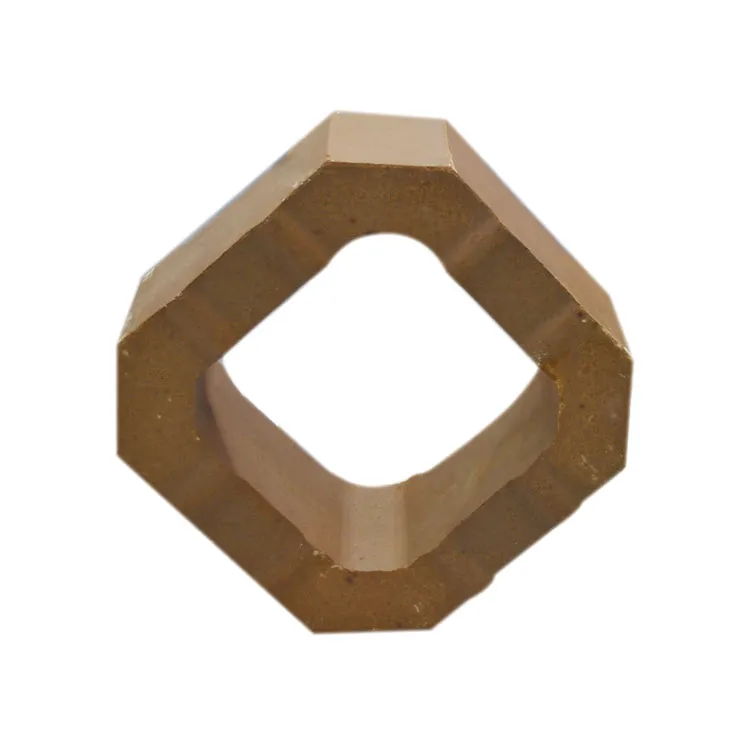
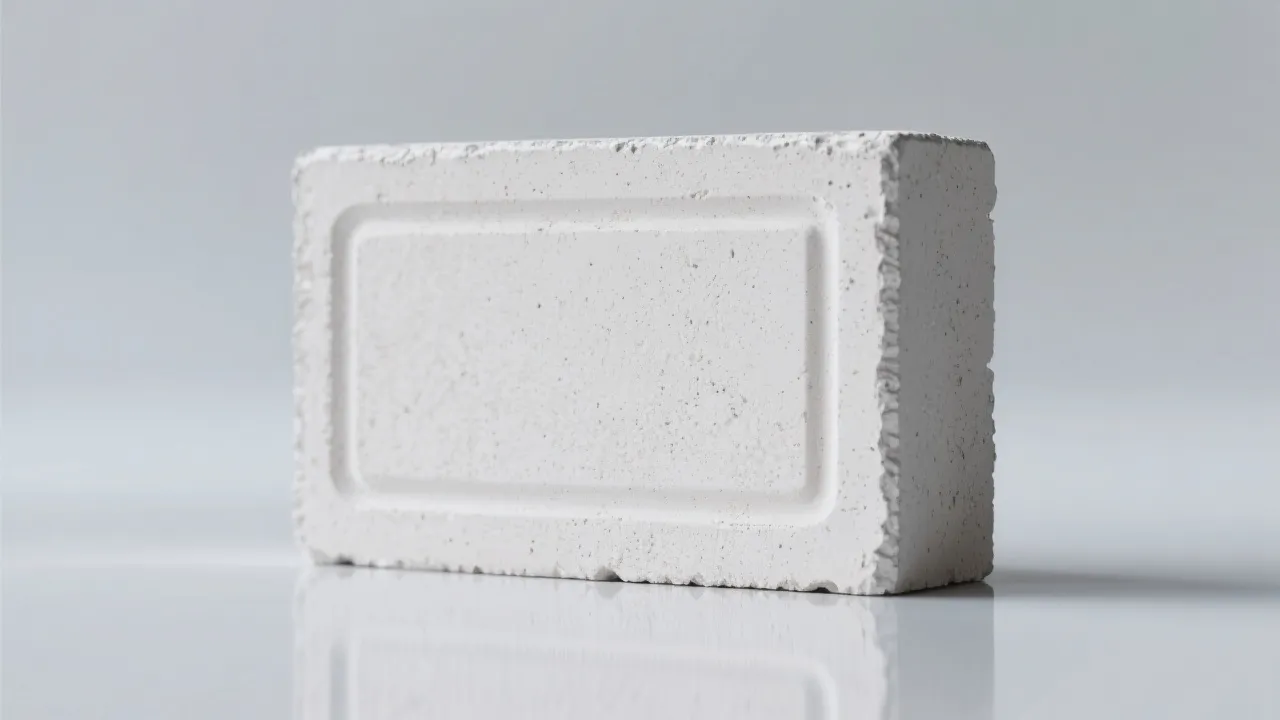
| Brick Inspection | Check for cracks, density uniformity, and Al₂O₃ content (must be ≥30%) |
| Team Training | Ensure installers understand thermal expansion joints (typically 3–5 mm per meter) |
| Environmental Readiness | Confirm dryness, no moisture absorption (>1% moisture = reduced service life by ~20%) |
Use staggered joints (错缝排列) and ensure each layer is leveled before proceeding. A common mistake: ignoring hot-side alignment. In one case study from a German steel plant, misaligned bricks led to localized hot spots at 1680°C—causing 12 months of unplanned downtime.
“The key isn’t just choosing the right alumina level—it’s how it's installed.” — Dr. Elena Rodriguez, ASTM C1068 Committee Member
For temperatures between 1580°C and 1770°C, use bricks with 38–46% Al₂O₃. Below 38%, you risk softening under load; above 46%, brittleness increases. Our field data shows that optimal performance occurs when brick composition aligns within ±2% of target.
Implement monthly inspections using infrared thermography. If surface temperature exceeds ambient by more than 100°C, investigate immediately. Early intervention can prevent catastrophic failure and save an average of $15k per incident in repair costs.
A Brazilian glass manufacturer increased their kiln lining lifespan from 18 months to 27 months after switching to our optimized brick system—thanks to better oxide control and improved installation training. No more surprise shutdowns during peak production cycles.
Get a free, customized refractory selection guide based on your specific process conditions—including thermal profile, chemical exposure, and expected runtime.
👉 Get My Customized Refractory Plan Now