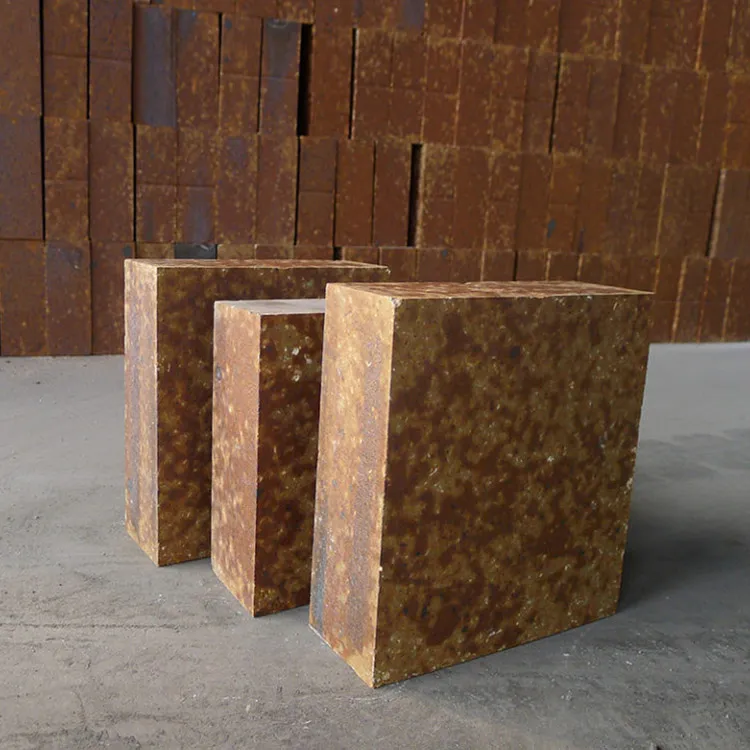
Glass furnaces represent one of the most demanding industrial environments, operating continuously at temperatures exceeding 1600°C while processing corrosive molten glass. The performance and longevity of these critical assets depend fundamentally on the quality and strategic selection of glass furnace refractory materials—the specialized materials designed to withstand extreme thermal, chemical, and mechanical stresses.
Zhengzhou Sunrise Refractory Co., Ltd. brings decades of specialized experience in manufacturing refractories for glass melting applications. Our technical team understands that optimal material selection requires matching specific furnace components with refractories engineered to address their unique operational challenges.
Refractory materials serve as the "thermal backbone" of glass manufacturing, providing structural integrity while insulating against heat loss and resisting chemical attack from molten glass and furnace atmospheres. Their performance directly impacts:
Unlike standard construction materials, refractories for glass furnaces must maintain dimensional stability under prolonged exposure to temperatures that would melt most metals, while simultaneously withstanding erosion from molten glass, gaseous corrosion, and thermal shock from heating and cooling cycles.
Effective refractory selection follows a component-specific approach, as each area of the glass furnace presents distinct challenges. Understanding these requirements ensures optimal material performance and cost-efficiency:
The melting tank, where raw materials transform into molten glass, demands refractories with exceptional resistance to glass melt corrosion and high-temperature creep. Key materials include:
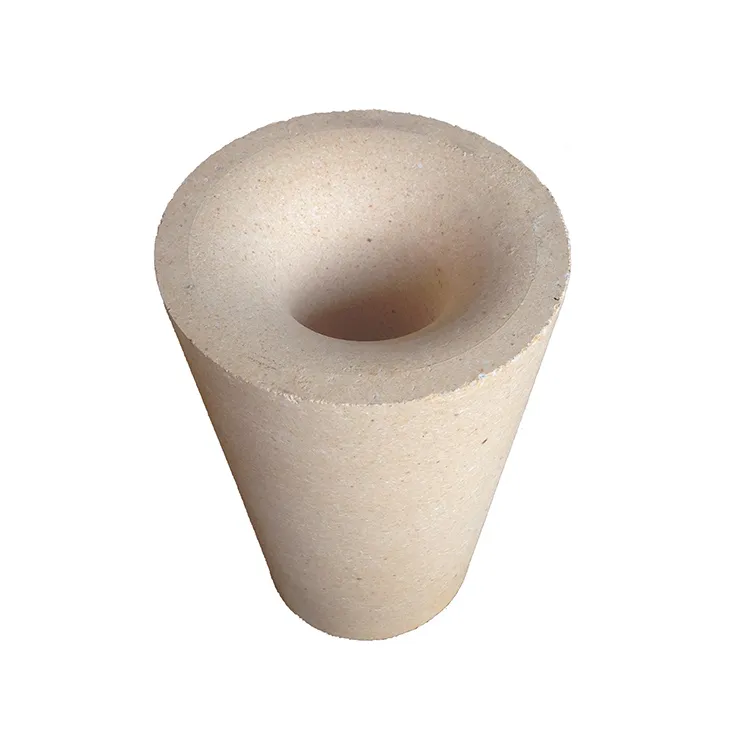
Fused Cast AZS Bricks (Alumina-Zirconia-Silica): Available in 33#, 36#, and 41# formulations, these bricks offer superior resistance to molten glass penetration and corrosion, making them ideal for critical tank linings. The varying zirconia content allows optimization for specific glass types and operating conditions.
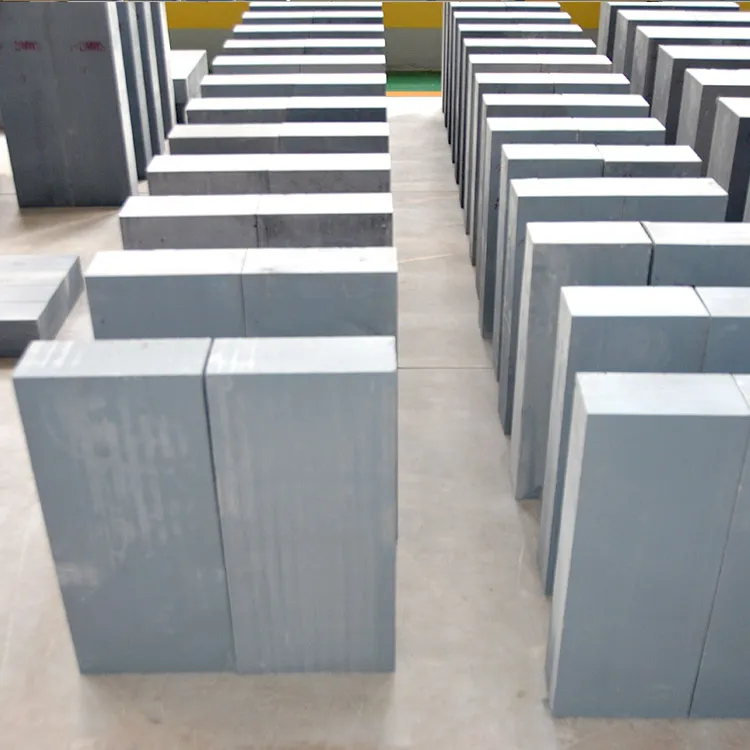
Fused Cast Alumina Bricks: Characterized by high purity and excellent thermal shock resistance, these materials perform well in areas subject to temperature fluctuations and mechanical stress.
These components manage heat recovery and transfer, requiring refractories that balance thermal insulation properties with resistance to temperature cycling and gas corrosion. Primary materials include:
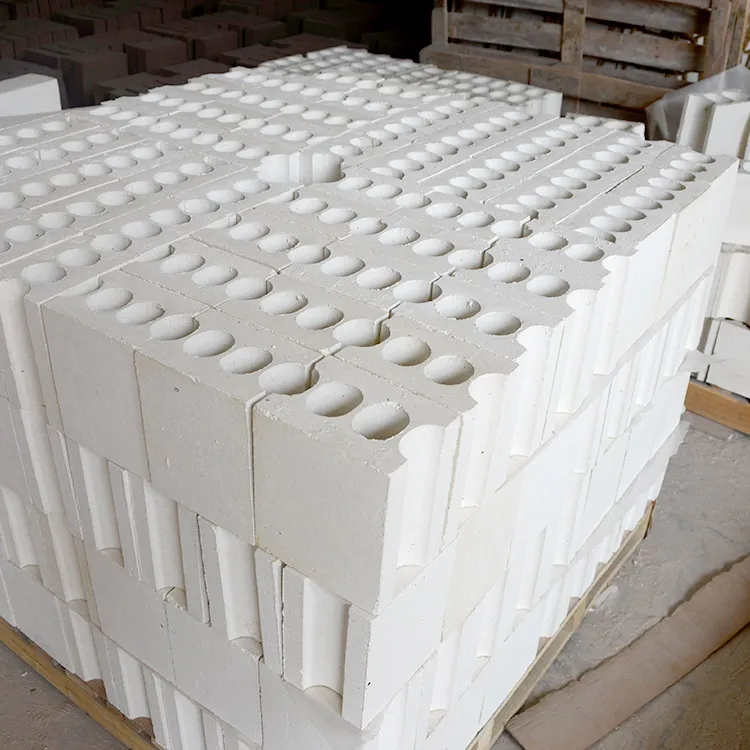
Offering excellent thermal shock resistance and low thermal conductivity, making them ideal for regenerator checkerwork and hot blast systems.
Providing good structural strength and resistance to alkalis at moderate temperatures in regenerator zones.
The furnace crown and superstructure must support their own weight while withstanding radiant heat and occasional thermal cycling. Key materials include:
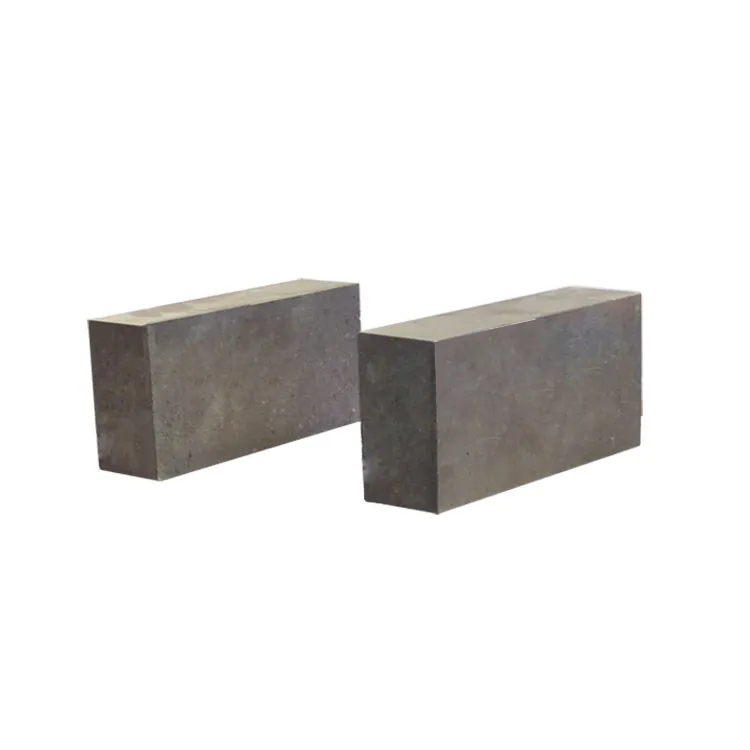
Silica Bricks: Offering excellent load-bearing capacity at high temperatures, making them suitable for crown construction in oxy-fuel fired furnaces.
Zircon Bricks: Providing superior resistance to vapor phase corrosion and thermal shock, often used in critical superstructure areas and port necks.
These components control glass flow and temperature conditioning, requiring refractories that minimize contamination and maintain dimensional stability. Materials include:
Low Porosity Fireclay Bricks: Offering good thermal insulation and resistance to glass penetration in non-critical feeder areas.
Corundum Bricks: Providing high density and chemical inertness for critical areas where glass quality preservation is paramount.
| Property | Definition | Critical Applications |
|---|---|---|
| Refractoriness | Ability to withstand high temperatures without melting or deforming | Melting tank, crown, burner blocks |
| Chemical Resistance | Resistance to corrosion by molten glass, fluxes, and gases | Tank linings, throat, feeders |
| Thermal Shock Resistance | Ability to withstand rapid temperature changes without cracking | Portals, regenerators, charging areas |
| Load-Bearing Strength | Ability to support structural loads at operating temperatures | Crown, sidewalls, support structures |
| Thermal Conductivity | Rate of heat transfer through the material | Insulation layers, regenerators, furnace walls |
As a specialized manufacturer of glass furnace refractories, Zhengzhou Sunrise Refractory Co., Ltd. combines technical expertise with advanced production capabilities to deliver materials optimized for specific furnace components and operating conditions.
Our product portfolio includes fused cast AZS bricks (33#, 36#, 41#), mullite bricks, zircon bricks, and other specialized refractories engineered to meet the demanding requirements of modern glass manufacturing. With a focus on quality control and technical support, we help glass producers optimize furnace performance, extend service life, and reduce operational costs.
Serving glass manufacturers across Southern Europe, Northern Europe, Central America, Southeast Asia, and the Middle East with tailored refractory solutions.
"The right refractory selection is not just about material quality—it's about understanding how each component contributes to overall furnace performance. Our approach combines material science with practical furnace engineering experience to deliver solutions that address the unique challenges of each glass production facility."
Selecting the appropriate glass furnace refractory materials requires careful consideration of multiple factors, including furnace design, glass type, operating parameters, maintenance strategy, and budget constraints. By understanding the specific requirements of each furnace component and matching them with refractories engineered for those conditions, glass producers can achieve optimal performance, extended furnace life, and reduced total cost of ownership.
Zhengzhou Sunrise Refractory Co., Ltd. offers technical consultation and material selection support to help glass manufacturers navigate these complex decisions. Our team of refractory specialists works closely with customers to analyze their specific operating conditions and recommend tailored solutions that balance performance, durability, and cost-effectiveness.