Key Parameters for Selecting High-Alumina Dense Wear-Resistant Clay Bricks: Aligning Alumina Content with Refractory Temperature

03 12,2025
Sunrise
Solution
How do you choose the optimal high-alumina dense wear-resistant clay brick for high-temperature applications between 1580–1770°C? This article provides an in-depth analysis of the relationship between Al₂O₃ content (30%-46%) and refractory temperature compatibility. It guides you through scientifically selecting and strategically arranging bricks based on application scenarios such as cement rotary kilns and glass melting furnaces. Additionally, practical installation best practices and routine maintenance techniques are covered to help extend kiln life, improve operational safety, and address critical challenges encountered in industrial refractory use.
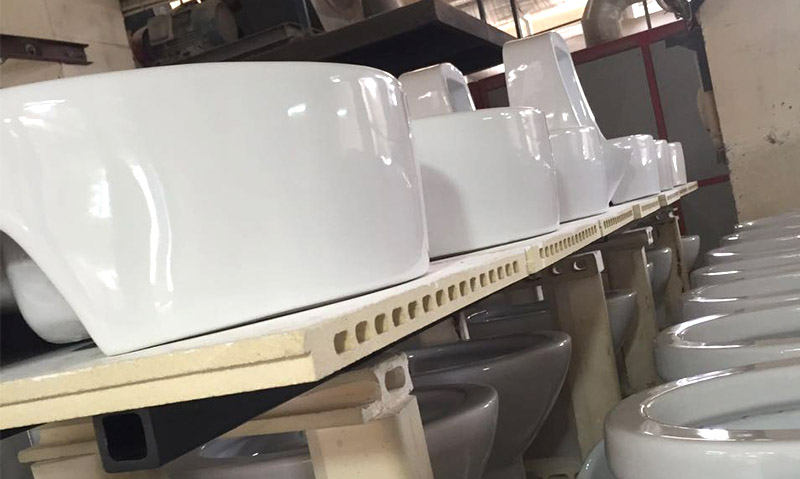
perforated-batts-6.jpg

Selecting Key Parameters for High Alumina Dense Wear-Resistant Fireclay Bricks: Alumina Content & Refractoriness Matching Guide

When operating in demanding high-temperature environments of 1580–1770°C, choosing a suitable high alumina dense wear-resistant fireclay brick is critical for ensuring kiln longevity, operational safety, and cost-effective maintenance. You, as a technical engineer or plant manager, understand that not all fireclay bricks are created equal—especially when it comes to the essential parameters of alumina (Al₂O₃) content and corresponding refractoriness. This guide breaks down the selection logic based on these parameters, tailored for diverse industrial applications such as cement rotary kilns and glass melting furnaces.

Understanding Alumina Content and Its Impact on Refractoriness

The alumina content in high alumina fireclay bricks typically ranges from 30% to 46%, directly impacting their refractoriness—the brick's ability to withstand high temperatures without deformation or chemical breakdown.

Al₂O₃ Content (%) Refractoriness (°C) Typical Application Key Performance Traits
30% - 35% 1580 – 1620 Secondary furnace zones, less aggressive wear spots Good chemical stability, moderate wear resistance
36% - 41% 1620 – 1730 Main firing zones in cement kilns, glass refining tanks Enhanced wear resistance, improved thermal shock durability
42% - 46% 1730 – 1770+ Critical hot zones, glass melting furnaces, and high-wear spots Superior refractoriness, maximum abrasion resistance

* Data derived according to ASTM C71 and ISO 1927 refractoriness standards.

Application-Specific Alumina Selection Strategies

Not all kilns operate under the same thermal stresses or chemical atmospheres. For example, in cement rotary kilns, areas subject to thermal cycling and moderate abrasion can often rely on bricks with alumina content between 36%-41%. The balance here allows for exceptional thermal shock resistance while keeping costs reasonable.

Conversely, in glass melting furnaces, where constant exposure to molten glass and peak temperatures exceeding 1750°C are common, bricks with >42% alumina provide the necessary durability and chemical inertness to minimize corrosion and erosion.

Optimizing Brick Layout for Thermal and Chemical Compatibility

Beyond simply selecting the right brick type, proper placement according to operational zones is paramount. Consider the following when designing your brickwork:

  • Thermal Gradient Management: Strategically position lower-alumina bricks in cooler zones to absorb routine thermal fluctuations without cracking.
  • Chemical Compatibility: Given the weakly acidic nature of the operating atmosphere, ensure that the brick choice resists alkali attack—opt for bricks with higher alumina content in chemically aggressive zones.
  • Stress Distribution: Use thicker bricks or refractory anchors in high-stress areas to avoid spalling and premature wear.

Installation Best Practices to Maximize Performance

Installation precision influences your refractory's service life dramatically. Based on industry-proven procedures, here are critical steps to abide by:

  1. Surface Preparation: Ensure kiln shell surfaces are structurally sound and free from contaminants before laying bricks.
  2. Mortar Selection: Use refractory mortars compatible with both the brick composition and firing temperatures to maintain strong bonding and prevent gaps.
  3. Brick Alignment: Avoid aligning vertical joints to reduce crack propagation. Stagger brick layers to improve mechanical interlock.
  4. Post-installation Curing: Follow controlled heating schedules to prevent thermal shock during initial kiln startup.

Maintenance & Monitoring: Extending Kiln Service Life

Regular inspections and maintenance are essential to detect wear and prevent unexpected shutdowns. Implement the following monitoring routines:

  • Wear Thickness Measurement: Use ultrasonic or laser scanning tools periodically to map brick wear depth.
  • Corrosion Analysis: Identify chemically induced damage early through surface sampling and microscopy.
  • Thermal Imaging: Detect abnormal hot spots or cold zones indicating brick damage or poor installation.
  • Scheduled Repairs: Plan replacements during routine maintenance windows based on wear rate analytics.

Such proactive care can boost kiln uptime by up to 20%, significantly reducing repair costs and production losses.
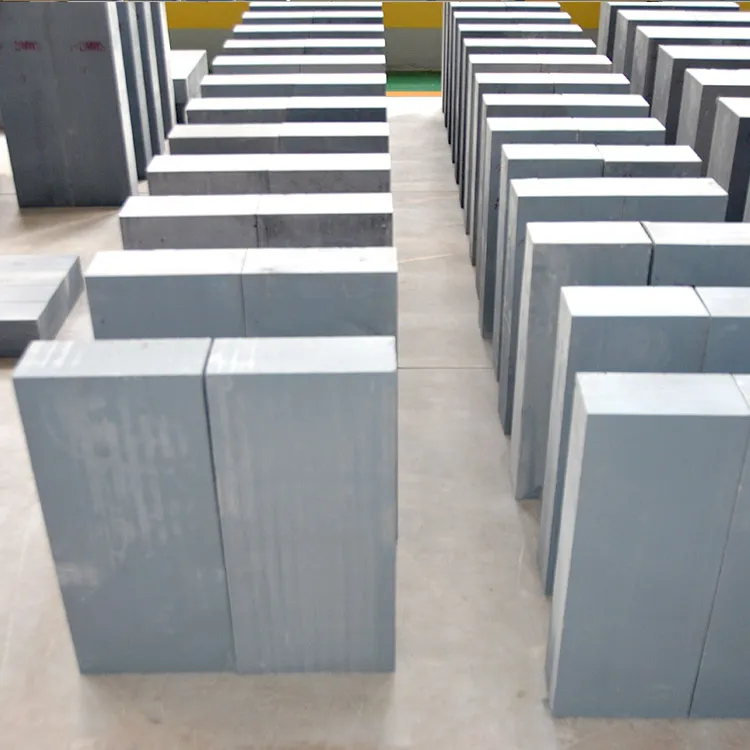
“The ASTM C71 standard defines the refractoriness of ceramic materials as the temperature at which a specimen deforms under a specific load. For dense fireclay bricks with 40-46% Al₂O₃, refractoriness ratings commonly exceed 1750°C, suitable for critical high-heat industrial applications.” – ASTM C71 Extract
Graph illustrating the relationship between Alumina content and refractoriness of fireclay bricks

Empower Your Operation with Expert Guidance

You don’t have to navigate refractory selection and installation alone. Our team specializes in customized solutions tailored to your specific kiln configurations and operational demands. From consulting on precise alumina content recommendations to guiding field installation and maintenance protocols, we ensure your refractories perform at their best.

Get the Complete Installation Manual Now
Name *
Email *
Message*

Recommended Products

<#if (articleDetails.articleDetailsRelatedArticles.articleList?has_content)?? && (articleDetails.articleDetailsRelatedArticles.articleList?size>0)> <#if (articleDetails.articleDetailsRelatedArticles.isShow)?? && articleDetails.articleDetailsRelatedArticles.isShow> <#if (articleDetails.articleDetailsRelatedArticles.title)?? && articleDetails.articleDetailsRelatedArticles.title!="">

${articleDetails.articleDetailsRelatedArticles.title}

<#list articleDetails.articleDetailsRelatedArticles.articleList as list>
<#if (list.imgUrl?has_content)?? && (list.imgUrl?has_content)> ${list.imgAlt} <#else> img

${list.title}

${(list.updateTime)?number_to_datetime?string('dd MM ,yyyy')}
Contact us
Contact us
https://shmuker.oss-cn-hangzhou.aliyuncs.com/tmp/temporary/60ec5bd7f8d5a86c84ef79f2/60ec5bdcf8d5a86c84ef7a9a/thumb-prev.png