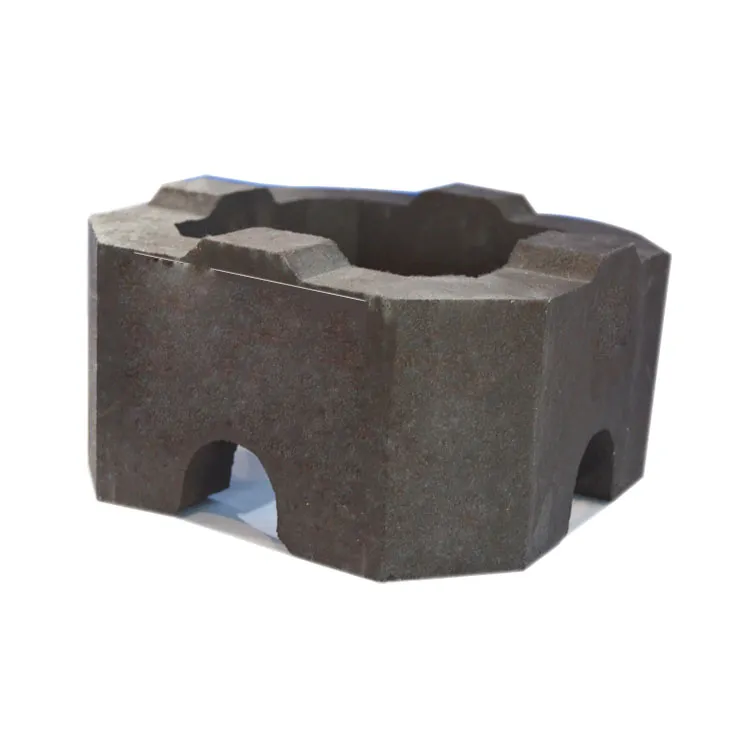
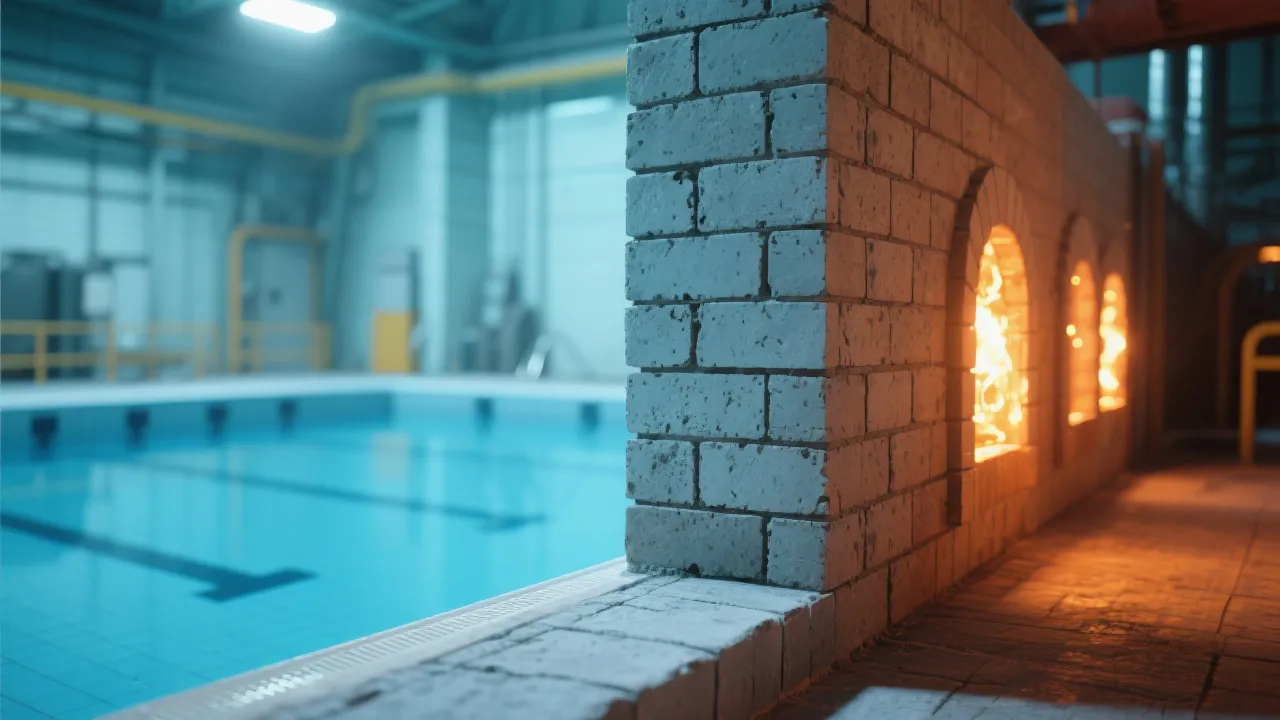
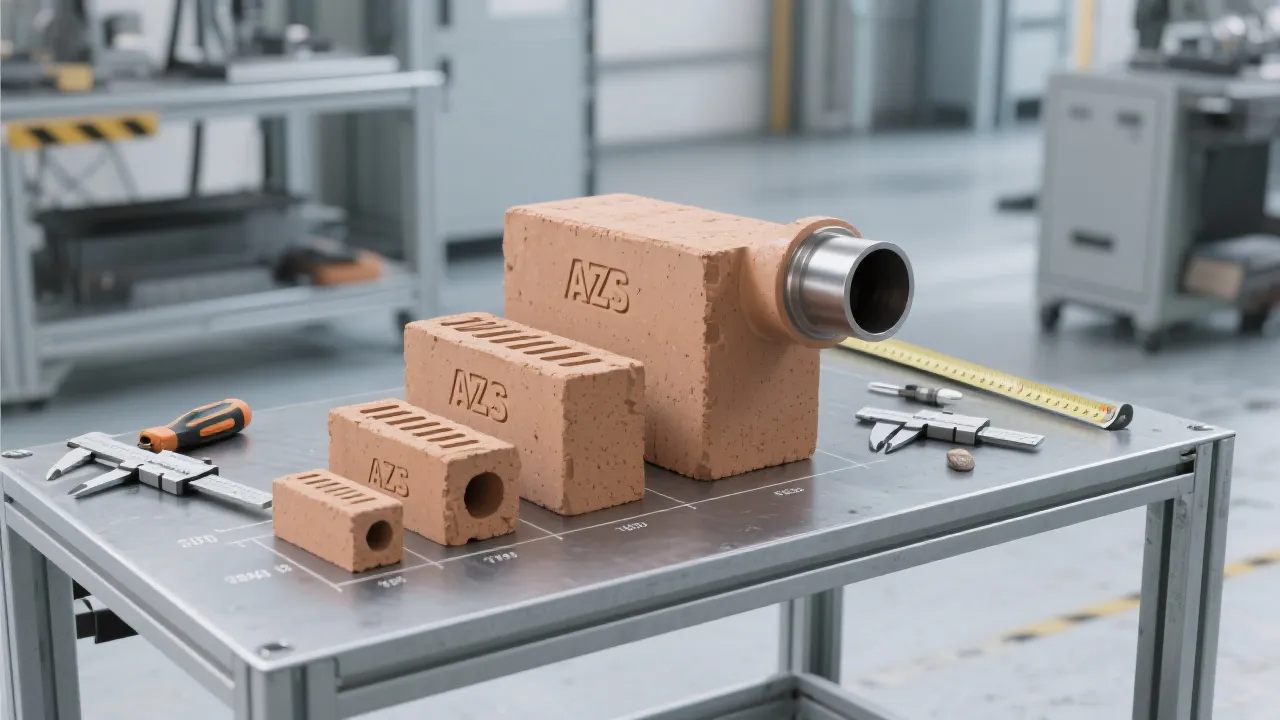
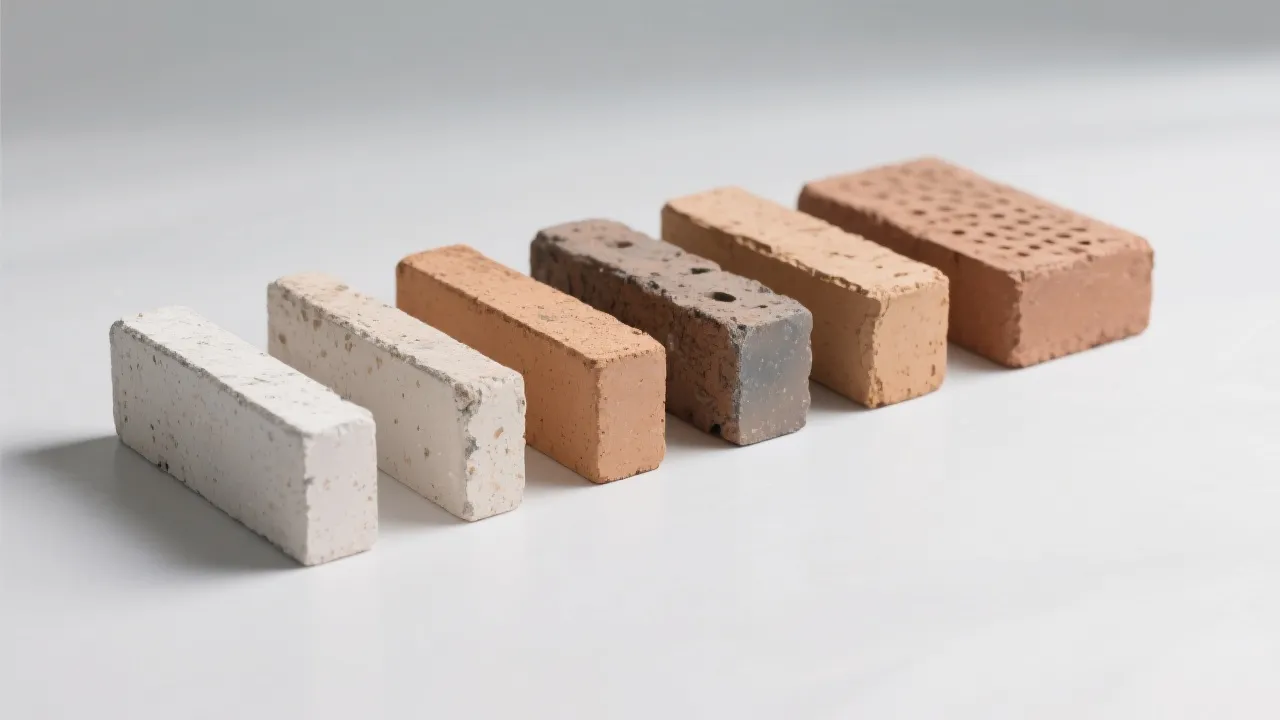
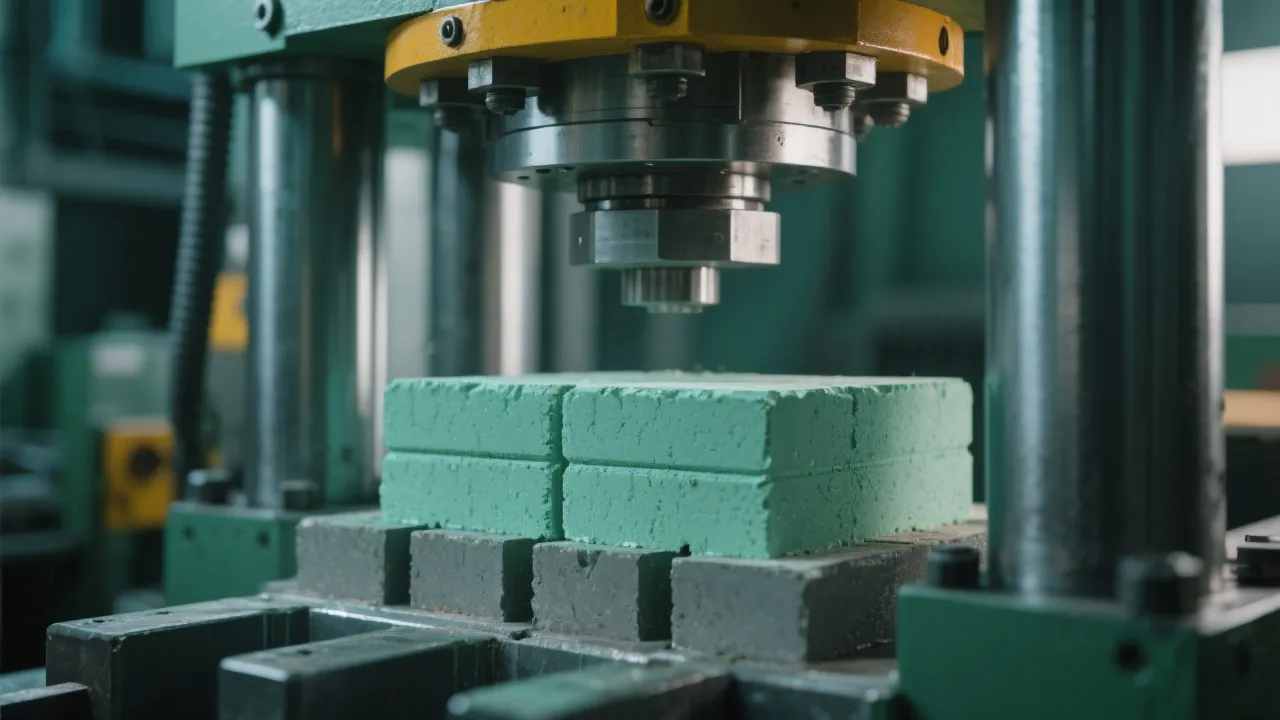
In high-temperature industrial applications—from cement kilns to steel furnaces—material durability directly impacts operational safety, efficiency, and cost control. This article dives into real-world practices for selecting, installing, and maintaining high-alumina dense wear-resistant firebrick (with Al₂O₃ content between 30–46%) under extreme conditions (1580–1770°C).
A study by the International Ceramics Association found that improper refractory selection leads to up to 30% premature failure in furnace linings. For example, using a brick with only 30% alumina in a 1700°C zone may result in rapid softening and spalling within 6 months. Conversely, choosing a 46% Al₂O₃ grade can extend service life by 2–3 years in similar environments.
| Al₂O₃ Content (%) | Recommended Temp Range (°C) | Typical Application |
|---|---|---|
| 30–35% | 1580–1650 | Preheater zones, low-heat sections |
| 40–46% | 1650–1770 | Firing chambers, hot zones |
“After switching from standard clay bricks to our 46% Al₂O₃ dense wear-resistant solution, our kiln downtime dropped by 40% over 18 months.” — Technical Manager, Saudi Cement Co.
Proper installation is often overlooked but critical. According to ISO 18482 standards, mortar joints should not exceed 3 mm, and bricks must be installed in staggered patterns to avoid thermal stress concentration. In one case study from China’s largest iron ore sintering plant, incorrect alignment caused uneven heat distribution, leading to localized cracking after just 90 days of operation.
Implementing a bi-weekly visual inspection routine combined with monthly chemical analysis (especially for alkali and sulfur levels) helps detect early signs of degradation. A European steel mill reported saving €28k annually by adopting this predictive maintenance strategy—avoiding unplanned shutdowns and costly replacements.
Key Takeaway: Regular monitoring isn’t optional—it’s how top performers stay ahead of failures.
Whether you're managing a single kiln or an entire production line, understanding the relationship between alumina content, temperature resistance, and proper handling makes all the difference. Our materials are manufactured to meet ASTM C1187 and EN 1850 standards—ensuring consistency, reliability, and long-term performance across global markets.
Get expert guidance on material selection, installation, and maintenance tailored to your specific process needs.
Download Technical Brochure & Contact Support