

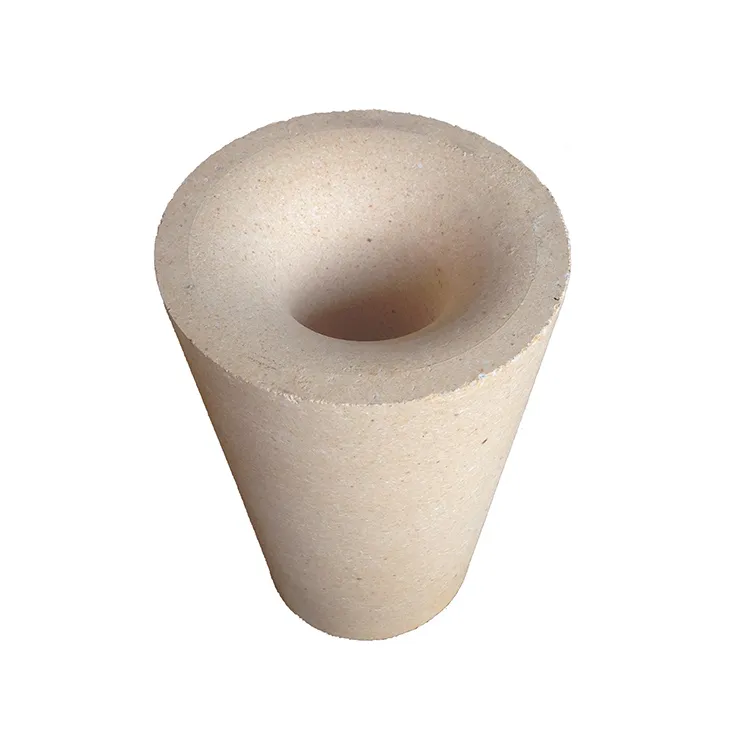
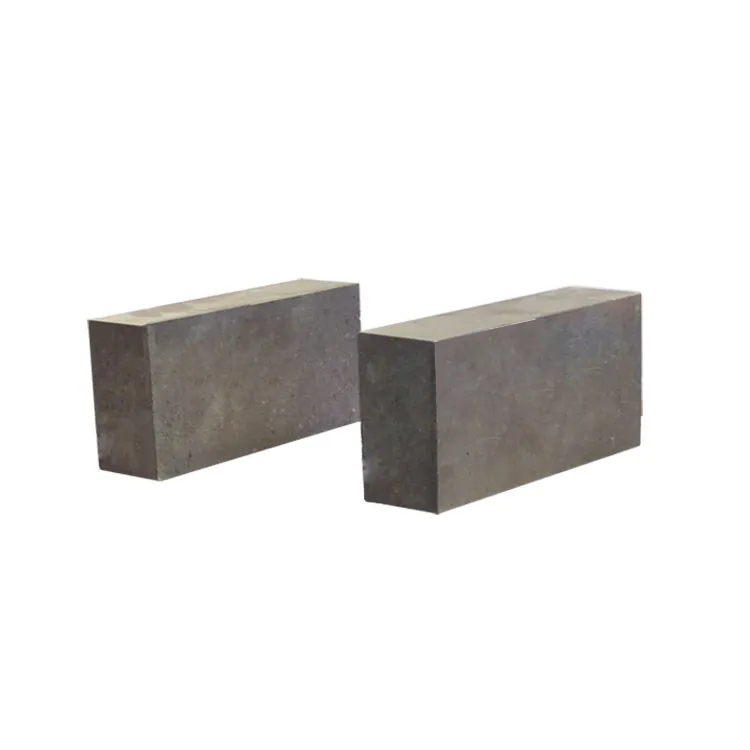
High alumina dense wear-resistant clay bricks are essential refractory materials widely used in high-temperature industrial kilns. Their performance is closely related to the alumina content and refractory temperature. The alumina content in these bricks significantly affects their refractoriness, with the refractory temperature ranging from 1580 to 1770°C. This wide range allows them to adapt to various high-temperature environments, ensuring stable operation in industrial kilns.
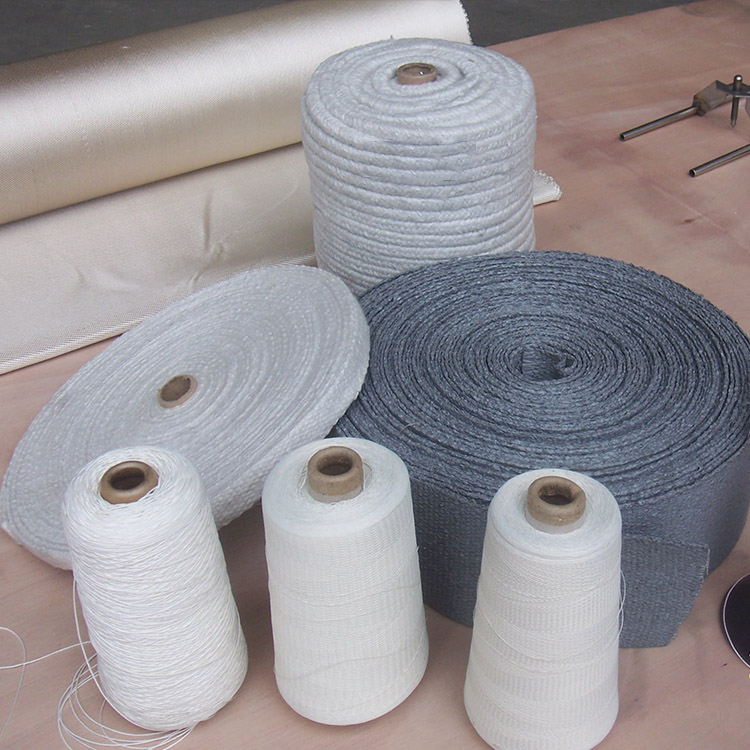
Before installation, thorough preparation is crucial. First, check the quality of the bricks, including their size, density, and alumina content. Ensure that the bricks meet the industry standards. The installation site should be clean and flat, free from debris and unevenness. The necessary installation tools, such as trowels, levels, and measuring tapes, should be ready.
For example, in a large - scale steelmaking kiln project, the installation team spent a week on site preparation, carefully cleaning the kiln base and calibrating the installation equipment to ensure accurate installation.
1. Base Laying: Start by laying the first layer of bricks on the base. Use a level to ensure the bricks are horizontally and vertically aligned. The joints between the bricks should be as small as possible, usually within 1 - 2mm, to prevent heat leakage.
2. Mortar Application: Apply high - temperature resistant mortar evenly on the surface of the bricks. The thickness of the mortar layer should be about 3 - 5mm. This helps to bond the bricks firmly and improve the overall heat - resistance of the structure.
3. Brick Placement: Place the bricks one by one, gently tapping them with a rubber mallet to ensure they are in close contact with the mortar and adjacent bricks. Check the alignment regularly during the installation process.
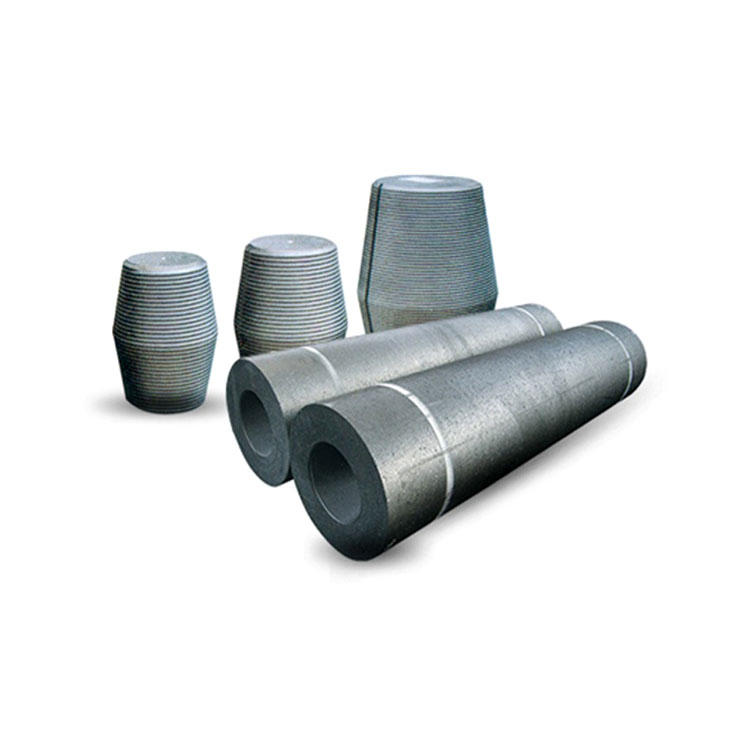
To ensure the high - temperature stability of the kiln lining, it is necessary to arrange the bricks according to their alumina content and high - temperature resistance. For areas with extremely high temperatures, bricks with higher alumina content (e.g., over 70%) should be used. These bricks can withstand temperatures up to 1770°C, providing better heat - resistance and stability.
In a glass - melting kiln, the areas near the flame nozzle require bricks with high alumina content to resist the intense heat. By arranging the bricks rationally, the overall heat - resistance of the kiln lining can be improved, reducing the risk of brick failure and ensuring the long - term operation of the kiln.
Regularly check the wear of the bricks. One common method is to measure the thickness of the bricks at different positions. If the wear exceeds 20% of the original thickness, it is necessary to consider replacing the bricks. For example, in a cement kiln, the wear rate of the bricks near the material inlet is relatively high, so more frequent inspections are required.
Monitor the chemical corrosion of the bricks. Analyze the chemical composition of the kiln atmosphere and the contact substances. If there are signs of chemical corrosion, such as discoloration or surface pitting, appropriate protective measures should be taken, such as applying anti - corrosion coatings.
It is recommended to conduct a comprehensive maintenance every 3 - 6 months, depending on the operating conditions of the kiln. During the maintenance, clean the surface of the bricks, repair any damaged joints, and check the overall structure of the kiln lining.
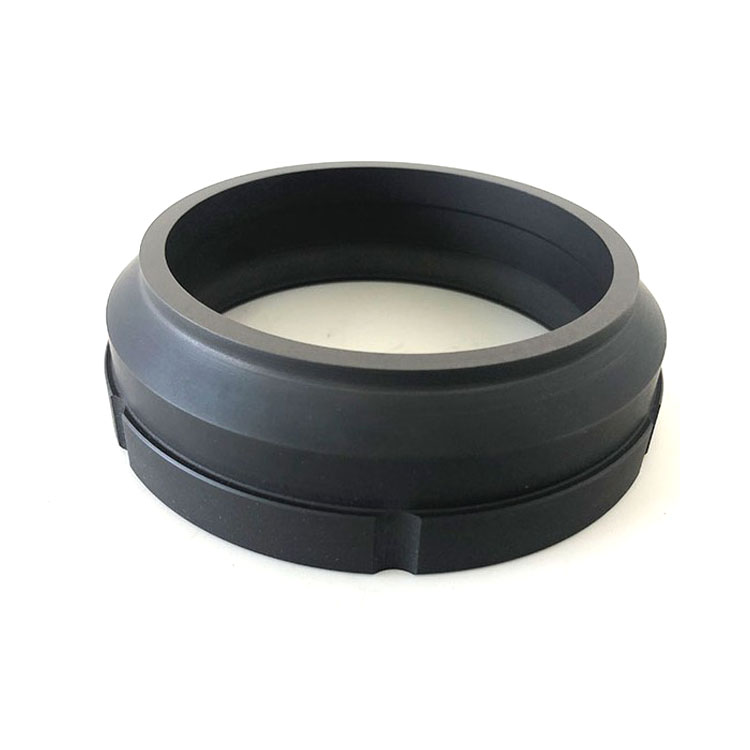
By following these installation and maintenance guidelines, you can significantly extend the service life of high alumina dense wear - resistant clay bricks, improve the safety and efficiency of the kiln lining. If you have any further questions about high alumina dense wear - resistant clay bricks or need professional technical support, click here to learn more.


 <#else>


