Performance Assurance Techniques for High-Alumina Dense Wear-Resistant Clay Bricks in High-Temperature Kilns (1580–1770°C)

30 11,2025
Sunrise
Technical knowledge
This technical article provides a comprehensive guide to ensuring the performance and longevity of high-alumina dense wear-resistant clay bricks used in industrial kilns operating between 1580°C and 1770°C. It covers precise installation procedures, material behavior under extreme thermal conditions, and effective maintenance strategies including wear monitoring and chemical corrosion assessment. Supported by international standards and real-world case studies, this resource offers actionable insights for engineers and plant managers aiming to optimize refractory system reliability, reduce downtime, and extend lining life. The content is designed for professionals seeking data-driven solutions in high-temperature process applications.
perforated-batts-6.jpg

High-Temperature Performance Assurance for High-Alumina Dense Wear-Resistant Clay Bricks (1580–1770°C)

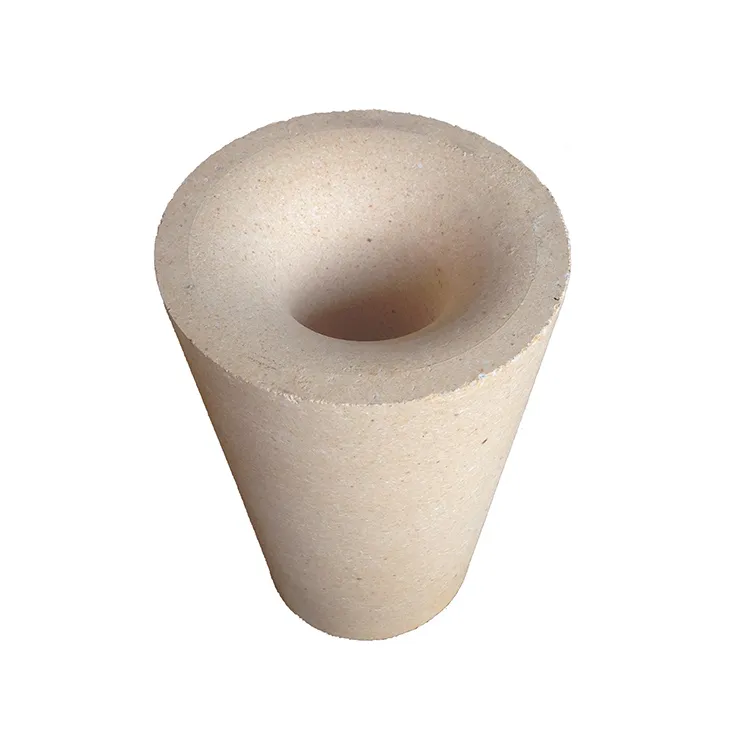
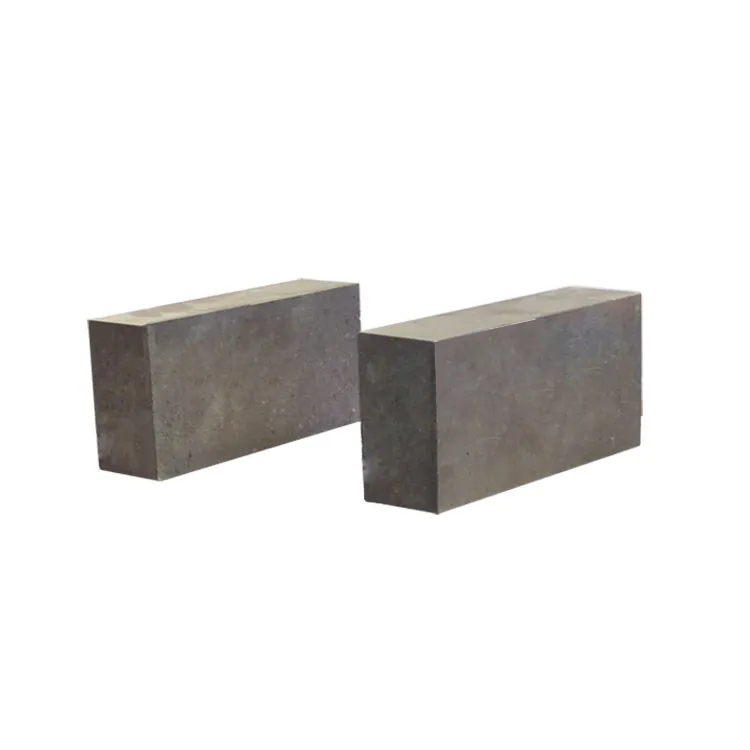
Operating in extreme thermal environments—such as those found in cement kilns, glass furnaces, and metallurgical reactors—requires refractory materials that not only withstand high temperatures but also maintain structural integrity over time. High-alumina dense wear-resistant clay bricks are engineered specifically for these demanding applications, with proven performance up to 1770°C, provided they are installed and maintained correctly.

Key Installation Techniques for Optimal Stability

Proper installation is the foundation of long-term refractory performance. According to ISO 18845:2018, brick alignment must be within ±1° deviation from horizontal planes to prevent stress concentration. A typical installation process includes:

  • Pre-installation inspection: Verify oxide content (Al₂O₃ ≥ 45%) and bulk density (>2.6 g/cm³) using certified lab reports.
  • Joint control: Maintain consistent mortar thickness (≤3 mm) between bricks to avoid hot spots.
  • Thermal expansion allowance: Leave 5–8 mm gaps per meter at joints to accommodate thermal movement.

Case study: In a 2023 project at a Saudi Arabian petrochemical plant, improper joint spacing led to premature spalling after just 14 months. After corrective reinstallation following ASTM C1075 guidelines, service life extended by 38%—from 18 to 25 months.

Performance Monitoring & Maintenance Strategy

Maintenance Task Frequency Indicator of Degradation
Surface wear measurement Monthly Thickness loss > 1.5 mm/month
Chemical attack check Quarterly Spalling, blistering, or discoloration
Thermal imaging scan Biannual Hot spots exceeding 1700°C

These checks align with European Refractories Association (ERA) best practices and can reduce unplanned downtime by up to 40%, according to a 2022 industry survey across 120 industrial sites.

Why This Matters for Your Operations

For engineers and plant managers dealing with continuous high-temperature processes, every millimeter of wear translates directly into operational cost and safety risk. By adopting a systematic approach—from precise installation to proactive monitoring—you’re not just extending brick life; you’re optimizing furnace efficiency, reducing emissions, and ensuring compliance with international standards like ISO 18845 and EN 1388.

Ready to optimize your refractory strategy?
Explore our full range of high-alumina dense wear-resistant clay bricks designed for 1580–1770°C applications. Get technical support tailored to your specific kiln configuration—no guesswork, just results.
Name *
Email *
Message*

Recommended Products

<#if (articleDetails.articleDetailsRelatedArticles.articleList?has_content)?? && (articleDetails.articleDetailsRelatedArticles.articleList?size>0)> <#if (articleDetails.articleDetailsRelatedArticles.isShow)?? && articleDetails.articleDetailsRelatedArticles.isShow> <#if (articleDetails.articleDetailsRelatedArticles.title)?? && articleDetails.articleDetailsRelatedArticles.title!="">

${articleDetails.articleDetailsRelatedArticles.title}

<#list articleDetails.articleDetailsRelatedArticles.articleList as list>
<#if (list.imgUrl?has_content)?? && (list.imgUrl?has_content)> ${list.imgAlt} <#else> img

${list.title}

${(list.updateTime)?number_to_datetime?string('dd MM ,yyyy')}
Contact us
Contact us
https://shmuker.oss-cn-hangzhou.aliyuncs.com/tmp/temporary/60ec5bd7f8d5a86c84ef79f2/60ec5bdcf8d5a86c84ef7a9a/thumb-prev.png