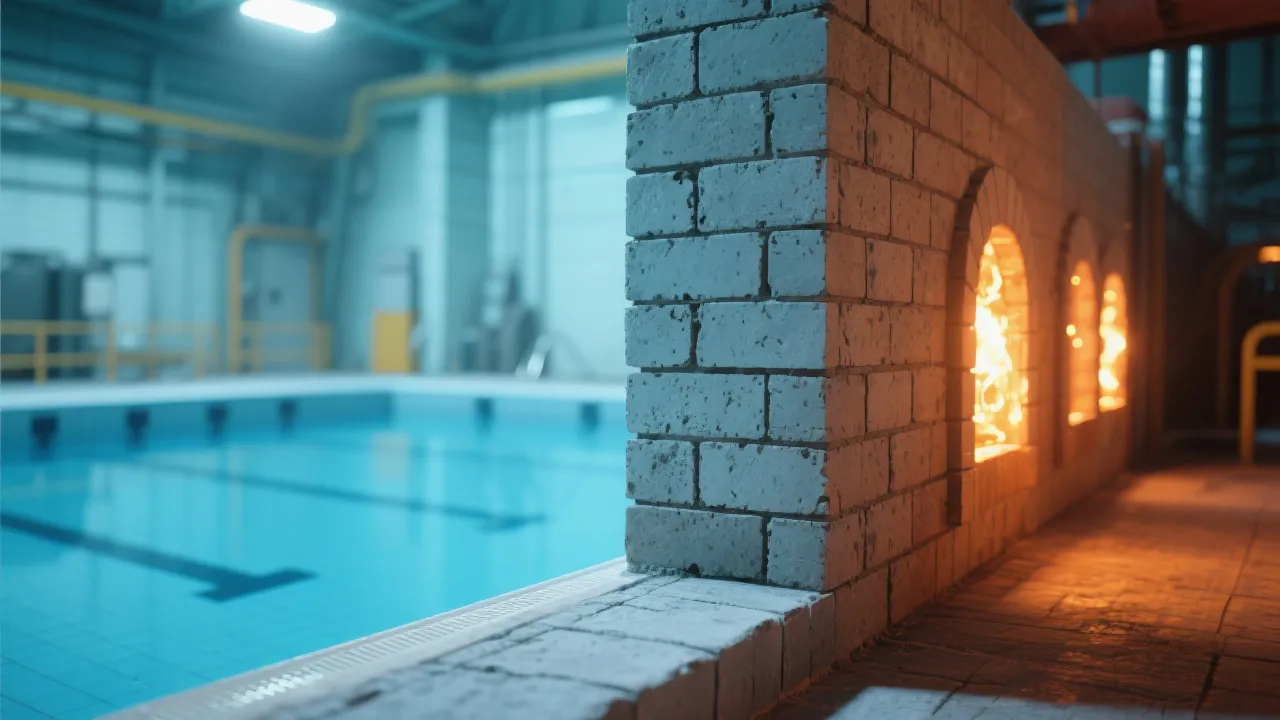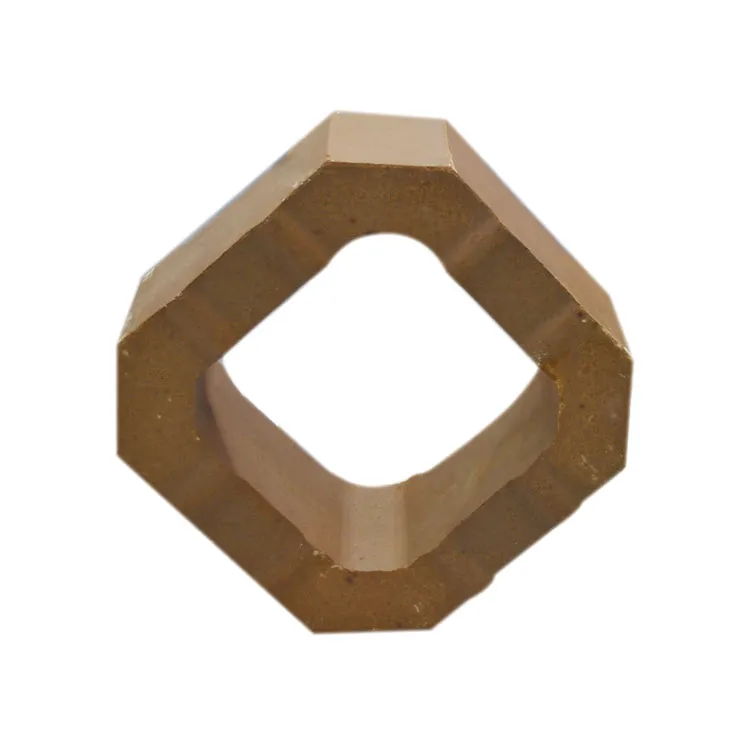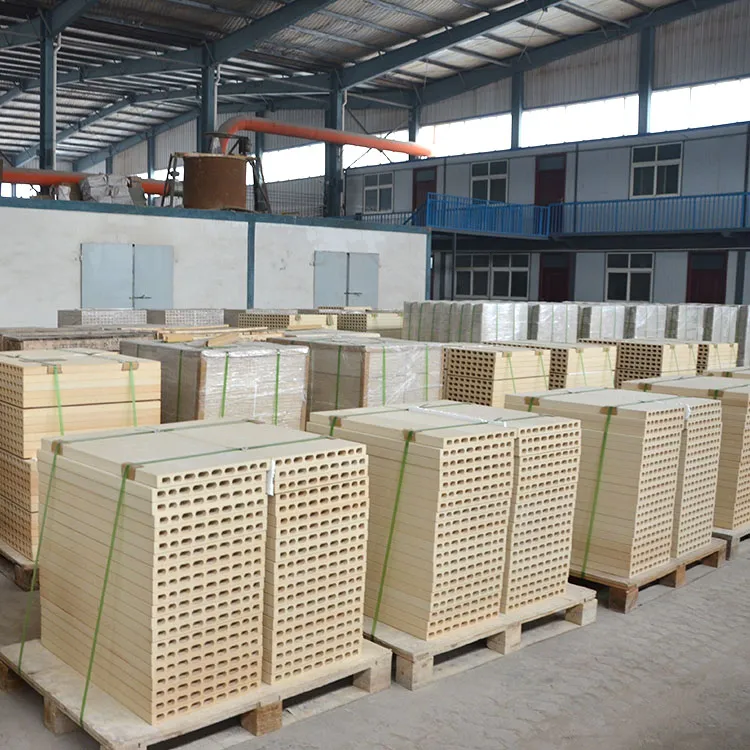
Operating kilns under extreme temperatures ranging from 1580°C to 1770°C demands refractory materials with exceptional stability and durability. High alumina dense wear-resistant fire clay bricks, containing 30% to 46% alumina (Al₂O₃), have emerged as a reliable solution for enhancing kiln longevity and safety. This article delves into the critical technical points ensuring optimal performance of these bricks within such harsh conditions, incorporating installation procedures, layout optimization, wear and corrosion monitoring methods, and maintenance intervals—all backed by international standards and real-world case studies.
Prior to installation, a comprehensive environmental assessment is indispensable. Key factors include kiln atmosphere, thermal cycles, and chemical aggressiveness, which determine the selection criteria for the brick type. For high alumina fire clay bricks, alumina content should precisely range between 30% and 46%, balancing thermal shock resistance and wear performance.
Selection of construction tools must align with safety protocols, including heat-resistant gloves, precision alignment instruments, and dust control measures. Adherence to occupational health standards ensures both installer safety and installation quality.
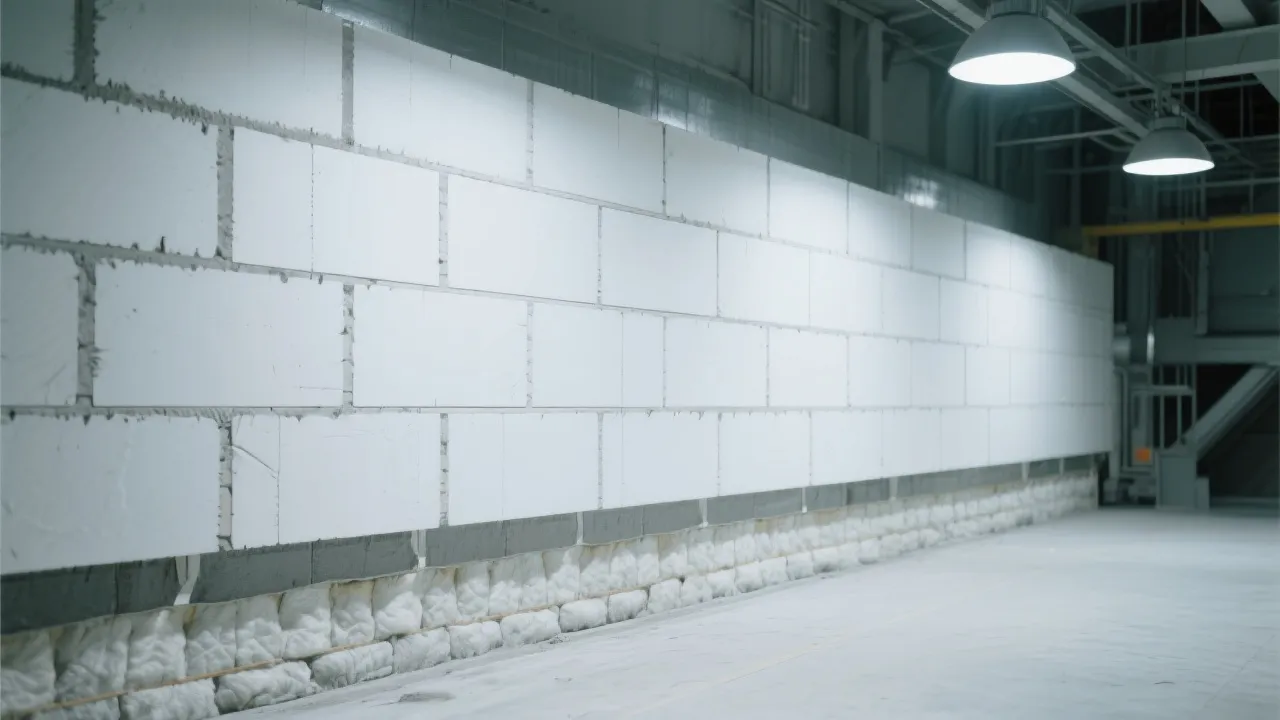
Precision in positioning bricks is critical. Dimensional tolerances should not deviate beyond ±1.5 mm during laying to maintain structural integrity. Core masonry techniques involve meticulous joint formation and intentional gaps for thermal expansion—usually designed with a tolerance of 8–12 mm depending on kiln dimensions and material expansion coefficients.
The use of specialized refractory mortars that withstand temperatures exceeding 1800°C is recommended to ensure cohesion without compromising brick microstructure.
Thermal shock resistance is a paramount property for bricks in cycling kilns. Laboratory thermal shock stability tests typically apply rapid temperature changes exceeding 100°C per minute for 30 cycles, ensuring bricks retain over 90% of their mechanical strength.
Structural densification significantly influences high-temperature strength. Dense microstructures minimize porosity, directly reducing crack propagation paths and erosion rates under corrosive gases and particulate matter.
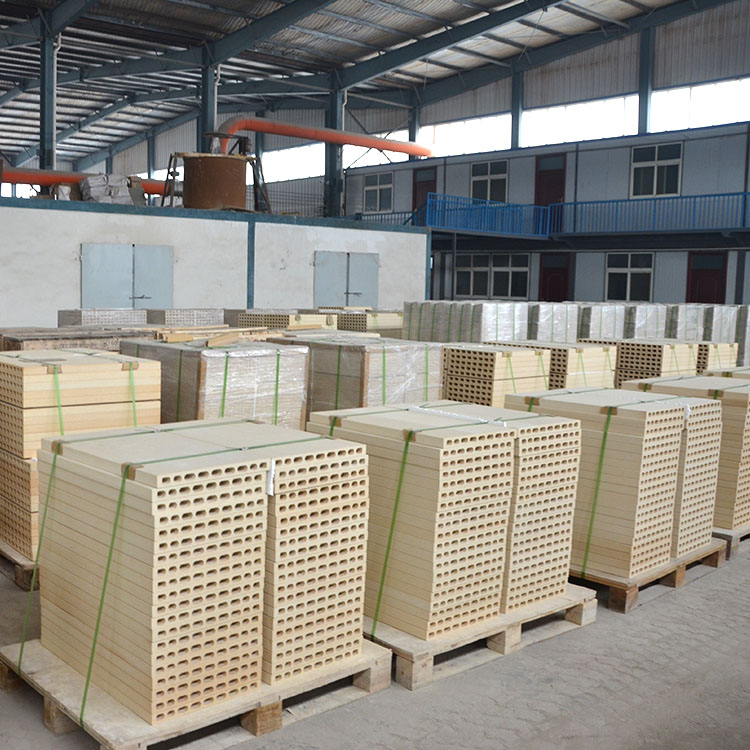
Maintenance schedules should incorporate periodic inspections every three to six months, depending on kiln usage intensity. Key indicators include visible surface wear, joint separation, and discoloration indicative of chemical erosion.
| Inspection Parameter | Assessment Method | Action Threshold |
|---|---|---|
| Wear depth | Ultrasonic thickness gauge | >10 mm loss triggers replacement review |
| Chemical corrosion | Visual and chemical residue analysis | Corrosion cracks deeper than 2 mm |
| Joint integrity | Gap measurement & mortar condition inspection | Gap widening beyond 12 mm warrants immediate repair |
Leading kiln operators who have employed strict installation precision and proactive maintenance have observed over 30% lifespan extension compared with prior refractory systems. One notable case involved a petrochemical plant reducing unplanned downtime by 25% while achieving roughly 2% fuel savings post the adoption of these high alumina bricks.
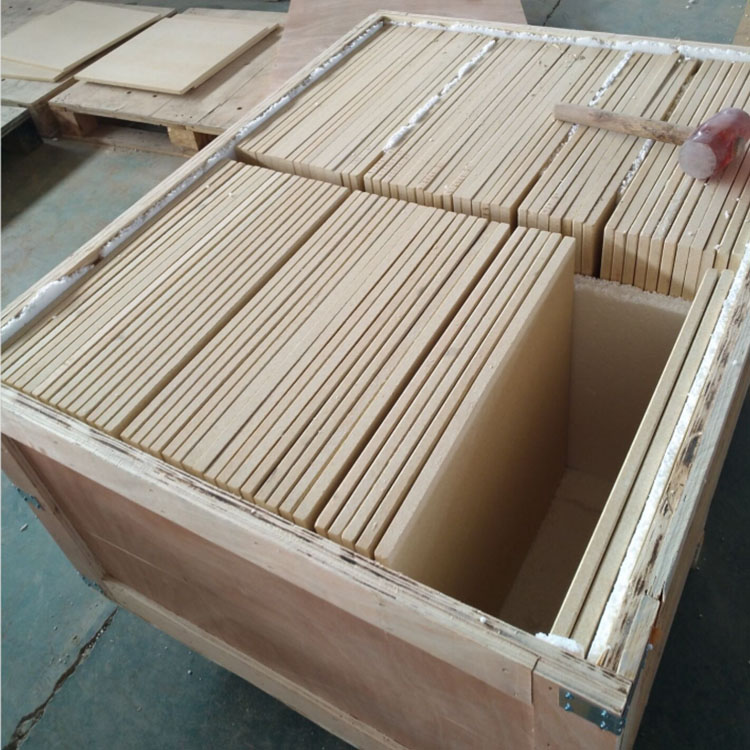
These bricks fully comply with ISO 1907:2005 and ASTM C704/C704M requirements, certifying their chemical composition, mechanical strength, and heat resistance. Quoting from ISO 1907:
"High alumina refractory bricks shall demonstrate a minimum cold crushing strength of 70 MPa at ambient temperature and retain at least 80% of their structural integrity after thermal cycling between ambient and 1600°C."
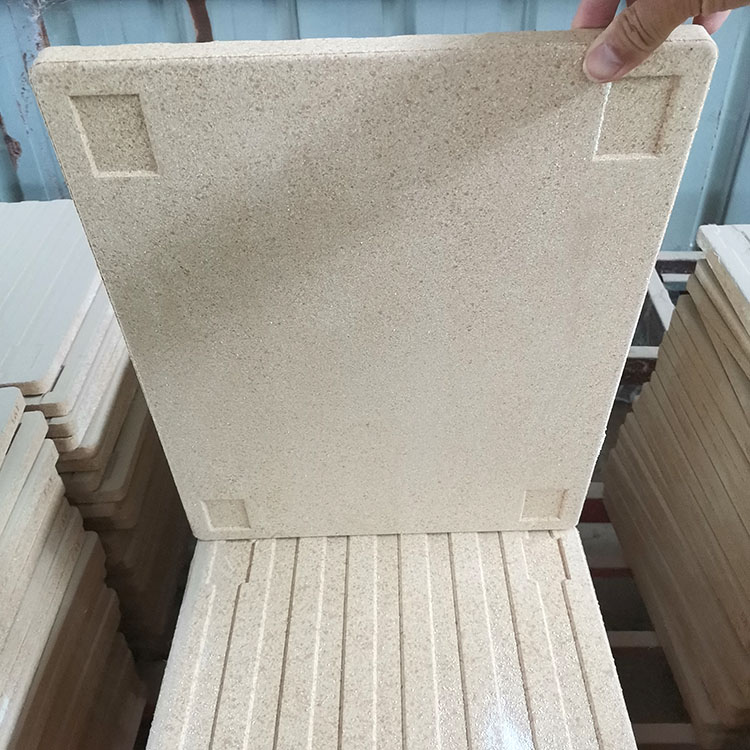
Interactive Prompt: Is your kiln currently operating within the 1580–1770°C range? Assessing your existing refractory performance can reveal critical optimization opportunities.