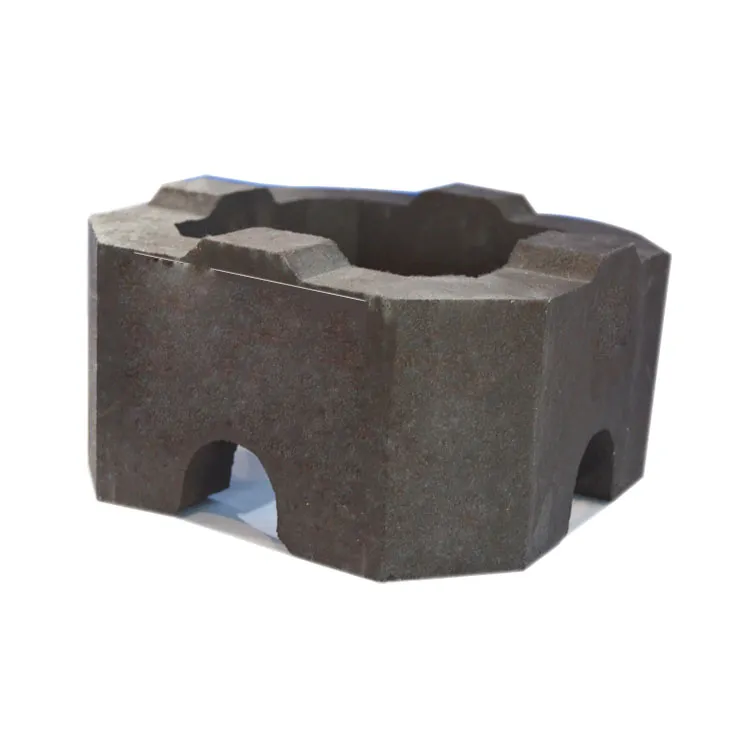
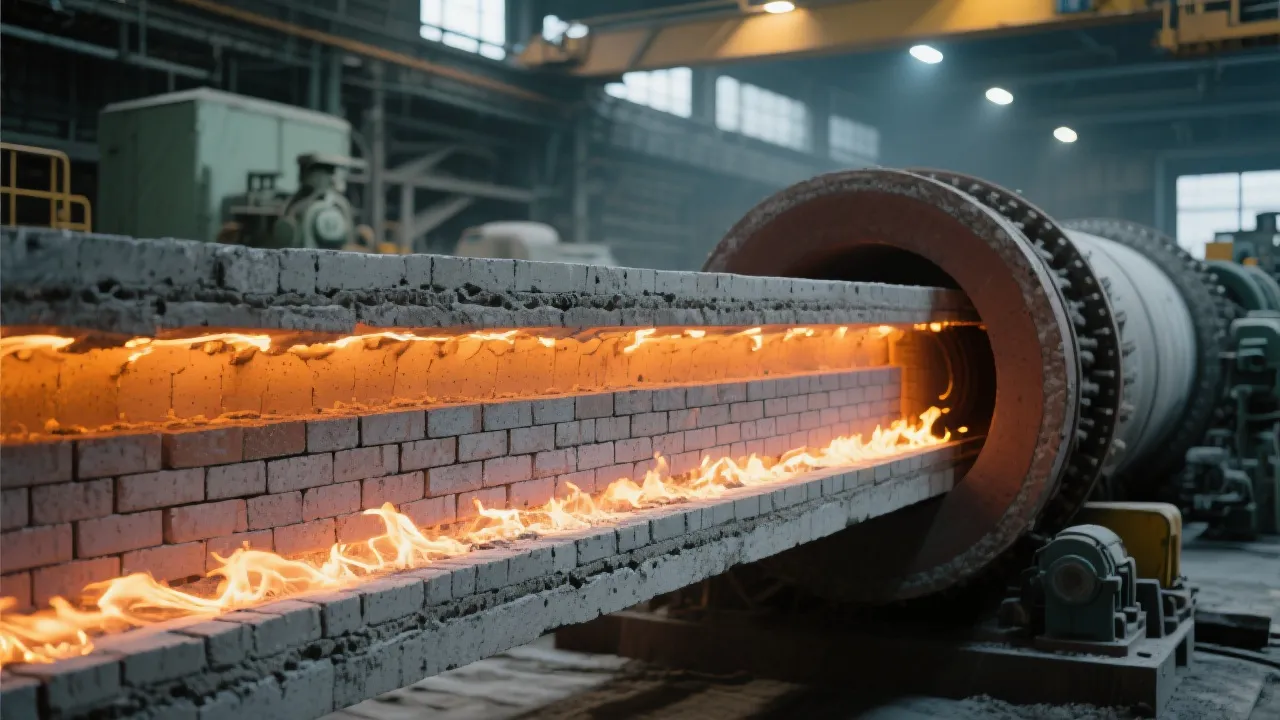
High - alumina dense wear - resistant clay bricks are crucial refractory materials widely used in high - temperature kilns. Their performance directly affects the operation efficiency and safety of kilns. This article provides a comprehensive solution for the installation, operation, and maintenance of these bricks in high - temperature environments.
Before installation, it is essential to understand the alumina content and refractoriness temperature of the bricks. Generally, bricks with an alumina content of 48% - 75% can withstand temperatures ranging from 1580°C to 1770°C. Based on these parameters, a reasonable layout plan should be developed. For example, in areas with higher heat loads, bricks with higher alumina content should be used.
The installation process involves several key steps. First, clean the installation surface to ensure it is flat and free of debris. Then, apply a suitable refractory mortar evenly on the surface. Place the bricks carefully, ensuring proper alignment and joint width. According to industry standards, the joint width should be controlled within 2 - 3mm to ensure the overall stability of the lining.
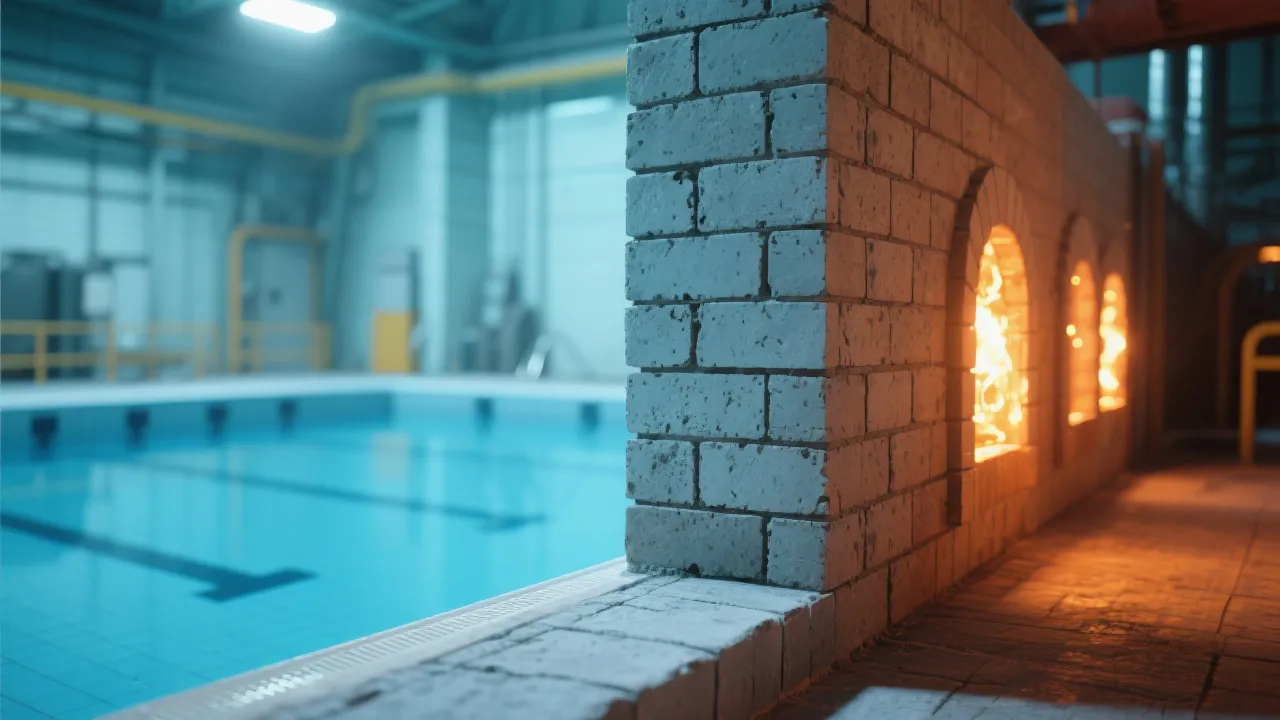
In high - temperature kilns operating at 1580°C - 1770°C, the stable operation of high - alumina dense wear - resistant clay bricks is crucial. The high alumina content provides excellent thermal stability and chemical resistance. The dense structure of the bricks reduces the penetration of corrosive substances, ensuring long - term performance.
To ensure stable operation, it is necessary to control the heating and cooling rates of the kiln. A rapid temperature change can cause thermal stress, leading to brick cracking. According to practical experience, a heating rate of 10°C - 20°C per hour is recommended during the start - up process.
Regular wear detection and chemical corrosion monitoring are essential for extending the service life of the bricks. Non - destructive testing methods, such as ultrasonic testing and infrared thermography, can be used to detect internal defects and wear conditions. Chemical analysis of the brick surface can help identify the degree of corrosion.
The maintenance cycle should be determined based on the operating conditions of the kiln. For kilns operating continuously, a monthly inspection is recommended. For intermittent operation, an inspection every 2 - 3 months is sufficient. By detecting and addressing problems in a timely manner, the service life of the bricks can be extended by up to 30%.
This article incorporates real - world cases to illustrate the effectiveness of the proposed solutions. For example, in a steelmaking kiln, by following the installation and maintenance procedures described in this article, the kiln lining's service life was extended from 12 months to 18 months, significantly reducing maintenance costs.
All the methods and procedures in this article comply with international industry standards, such as ISO 10051 for refractory products. These standards ensure the reliability and safety of the solutions.
In conclusion, high - alumina dense wear - resistant clay bricks play a vital role in high - temperature kilns. By following the installation, operation, and maintenance solutions provided in this article, users can ensure the stable operation of their kilns, extend the service life of the bricks, and improve overall production efficiency. If you are interested in our high - quality high - alumina dense wear - resistant clay bricks and professional technical support, please click here to contact us.