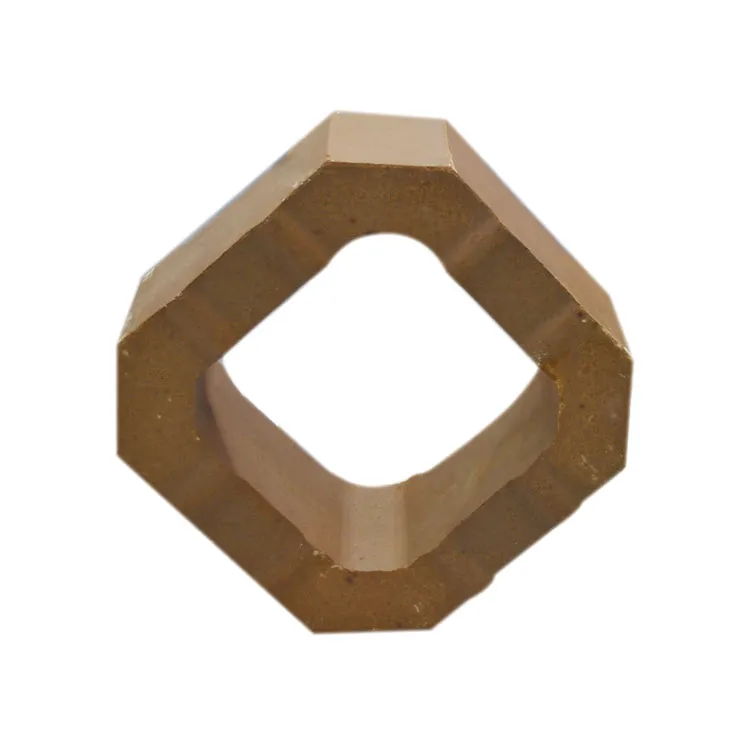
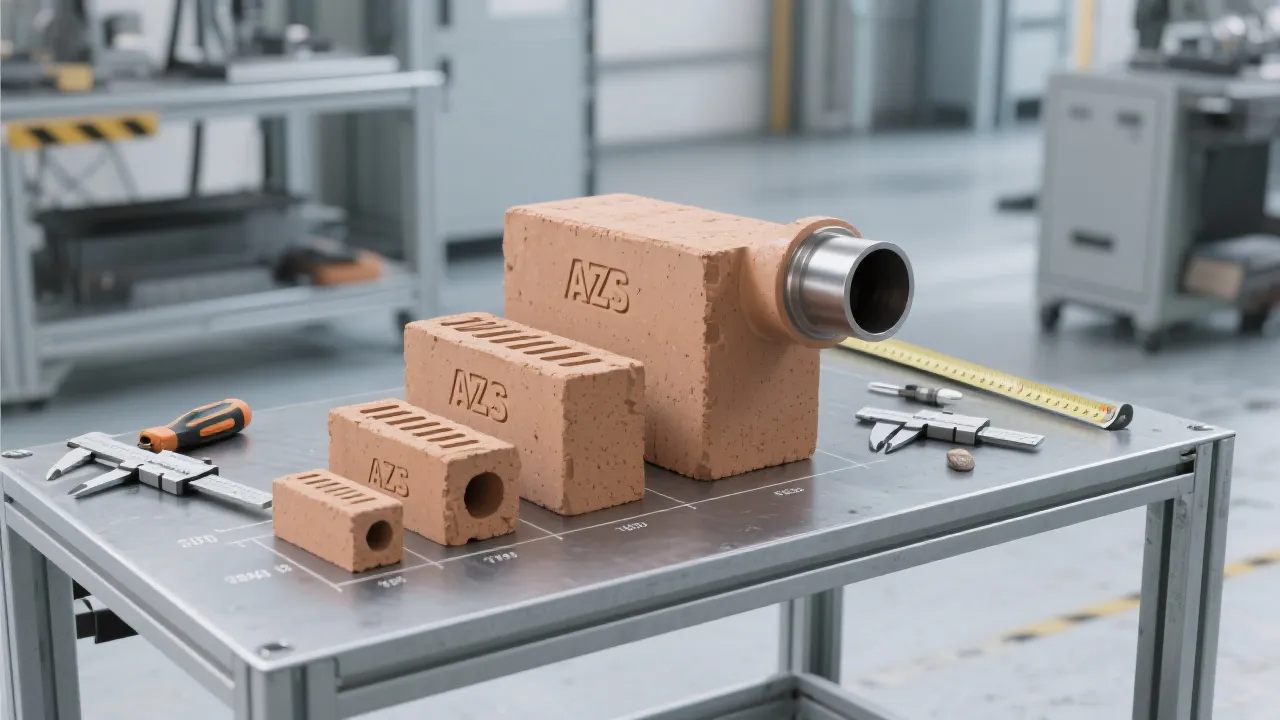
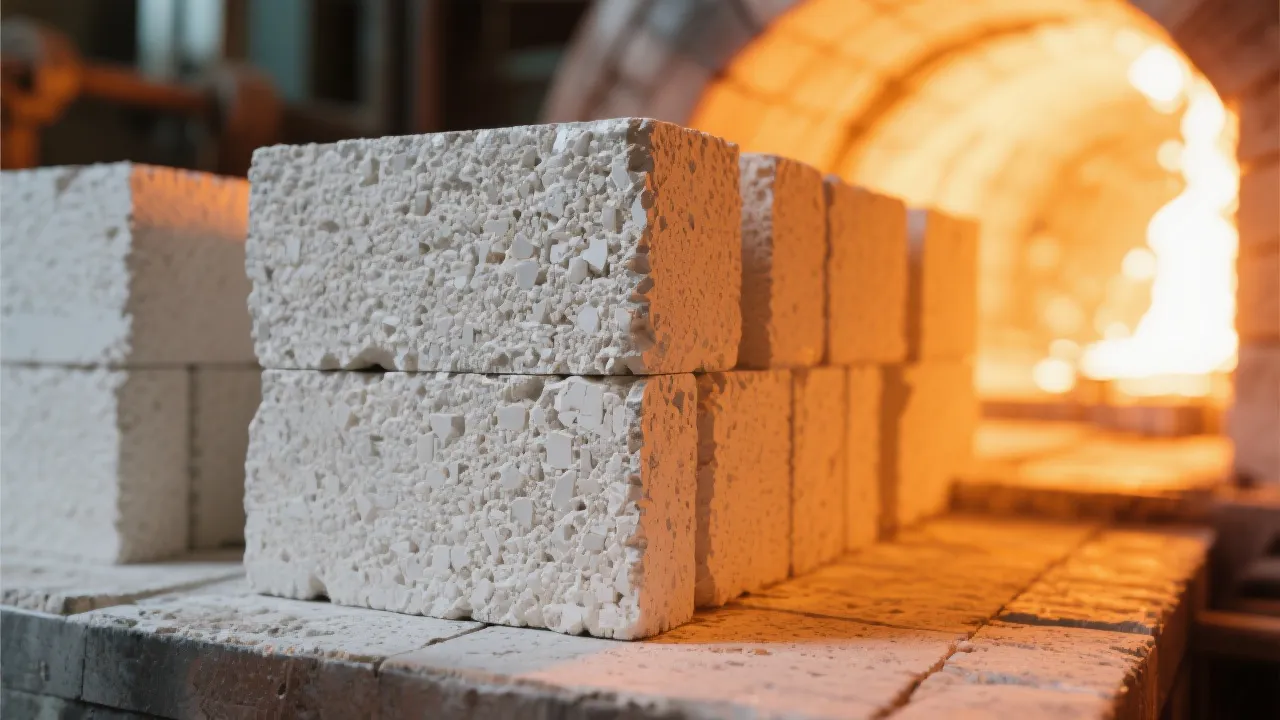
High - alumina dense wear - resistant clay bricks have emerged as a crucial material in high - temperature industrial applications. With a stable Al₂O₃ content ranging from 30% to 46% and excellent high - temperature performance between 1580–1770°C, these bricks play a vital role in ensuring the safety of high - temperature furnace linings and extending their service life.
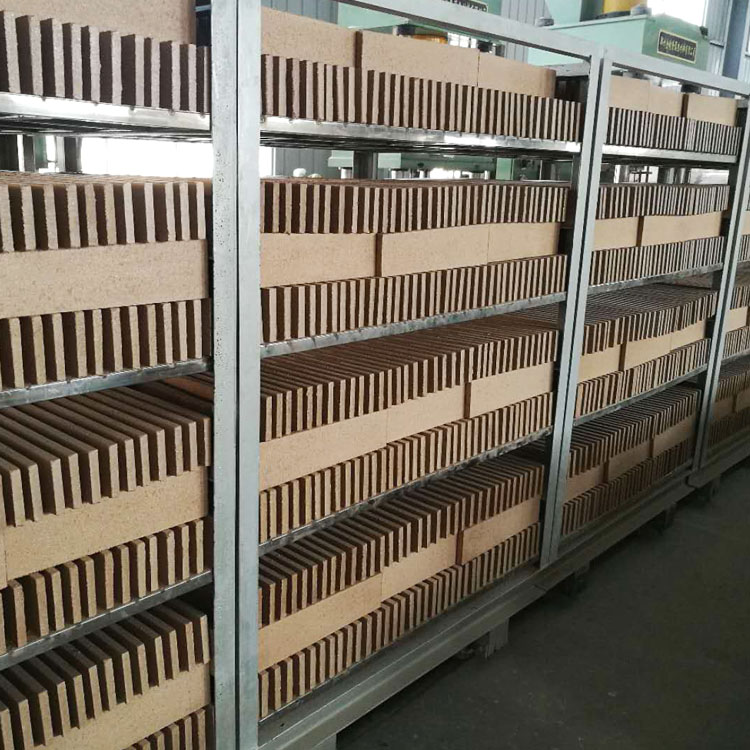
The stability of Al₂O₃ content is a critical factor in maintaining the structural integrity of furnace linings. A consistent Al₂O₃ level ensures that the brick maintains its physical and chemical properties under high - temperature conditions. For example, in a high - temperature furnace, bricks with unstable Al₂O₃ content may experience significant volume changes, leading to cracks and damage in the furnace lining. In contrast, high - alumina dense wear - resistant clay bricks with stable Al₂O₃ content can resist thermal shock and mechanical stress, thereby enhancing the overall stability of the furnace lining.
One of the remarkable features of high - alumina dense wear - resistant clay bricks is their weakly acidic nature. This characteristic allows them to effectively suppress chemical reactions in the furnace environment. In a multi - material furnace lining system, different materials may interact chemically, which can cause damage to the furnace lining. The weakly acidic nature of these bricks acts as a buffer, reducing the occurrence of such chemical reactions and minimizing damage to the lining. As a result, it can improve the industrial operation efficiency and safety.
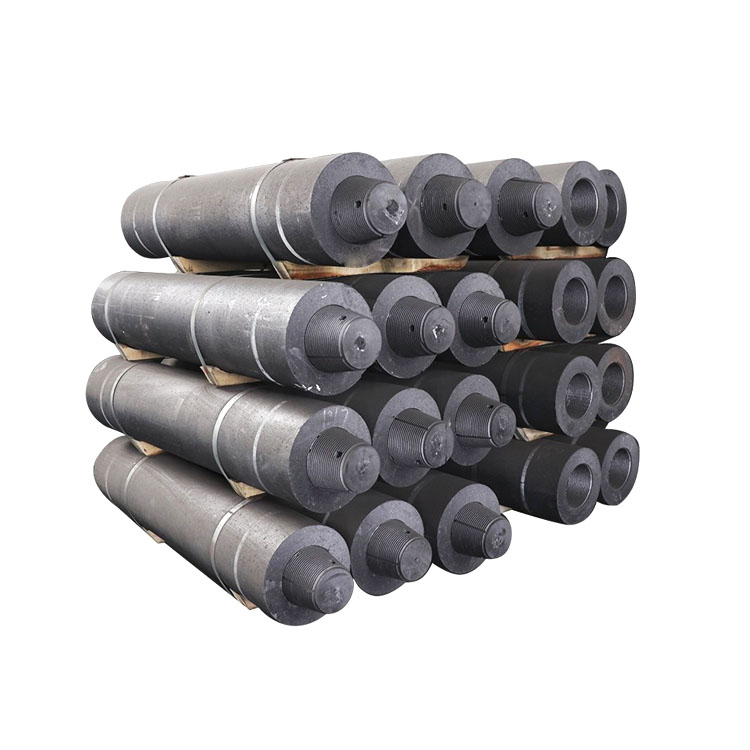
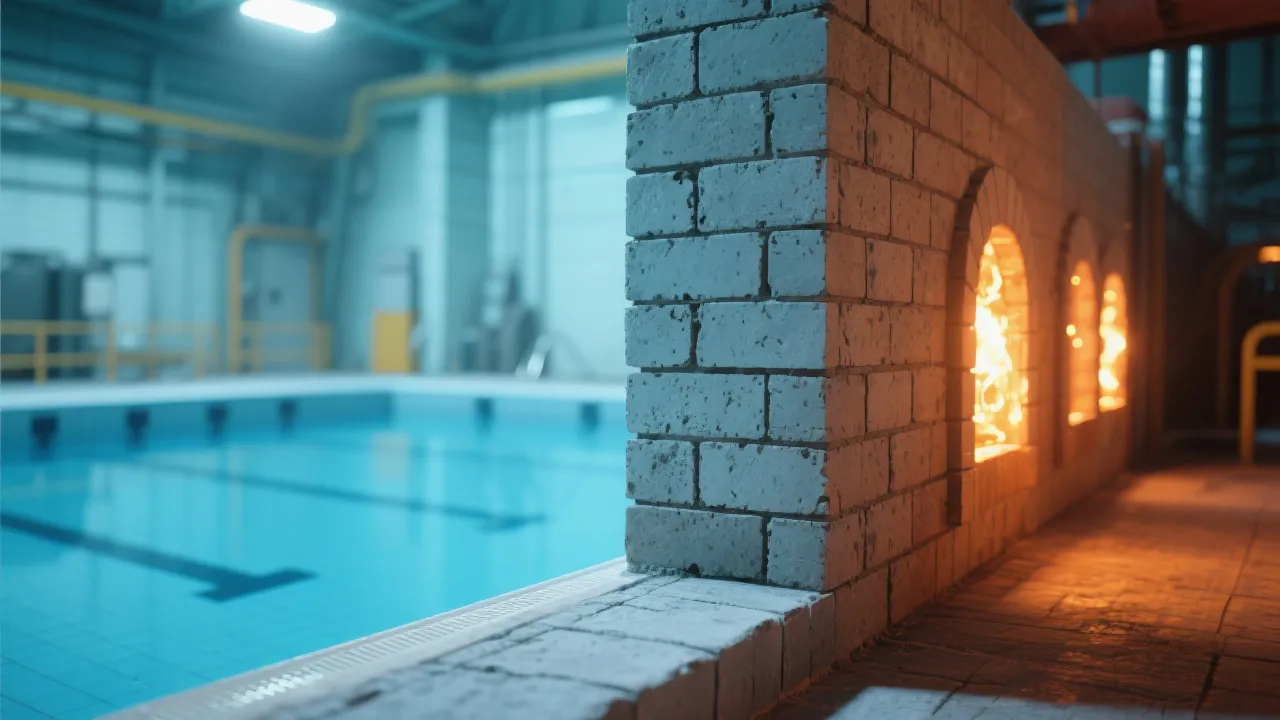
In various high - temperature industries such as metallurgy, cement, and glass production, high - alumina dense wear - resistant clay bricks have demonstrated excellent performance. In the metallurgical industry, where furnaces operate at extremely high temperatures, these bricks can withstand the erosive action of molten metals and slag, significantly reducing the wear and tear of the furnace lining. In the cement industry, they can resist the chemical corrosion of cement raw materials and high - temperature gases. Similarly, in the glass industry, they ensure the stable operation of glass melting furnaces.
According to international standards and industry reports, high - alumina dense wear - resistant clay bricks that meet specific quality criteria can effectively improve the safety of furnace linings and reduce maintenance frequency. For instance, some tests show that using these bricks can extend the service life of furnace linings by up to 30% compared to traditional refractory materials. This data clearly demonstrates the superiority of high - alumina dense wear - resistant clay bricks.
"Since we started using high - alumina dense wear - resistant clay bricks in our glass melting furnaces, the maintenance frequency has been significantly reduced, and the safety of our production process has been greatly improved." - A customer from the glass industry
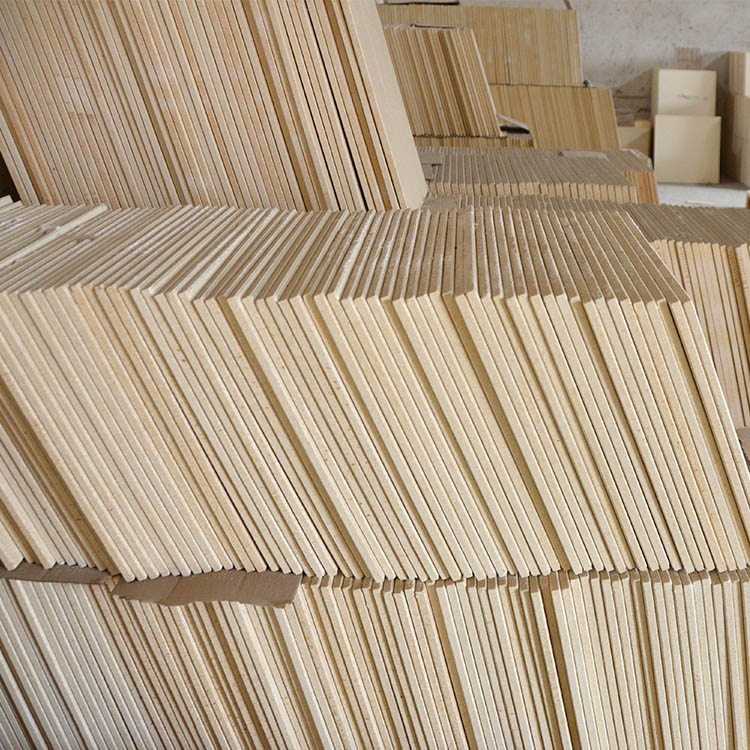
In summary, high - alumina dense wear - resistant clay bricks offer comprehensive value in high - temperature industrial applications. They enhance the safety of furnace linings by suppressing chemical reactions and withstanding high - temperature and mechanical stress. At the same time, they reduce the maintenance frequency, which in turn saves on maintenance costs and improves production efficiency. By choosing these bricks, procurement and technical decision - makers can achieve long - term operational goals of risk control and cost optimization.
Let every high - temperature operation be more reassuring. Click here to learn more about high - alumina dense wear - resistant clay bricks!