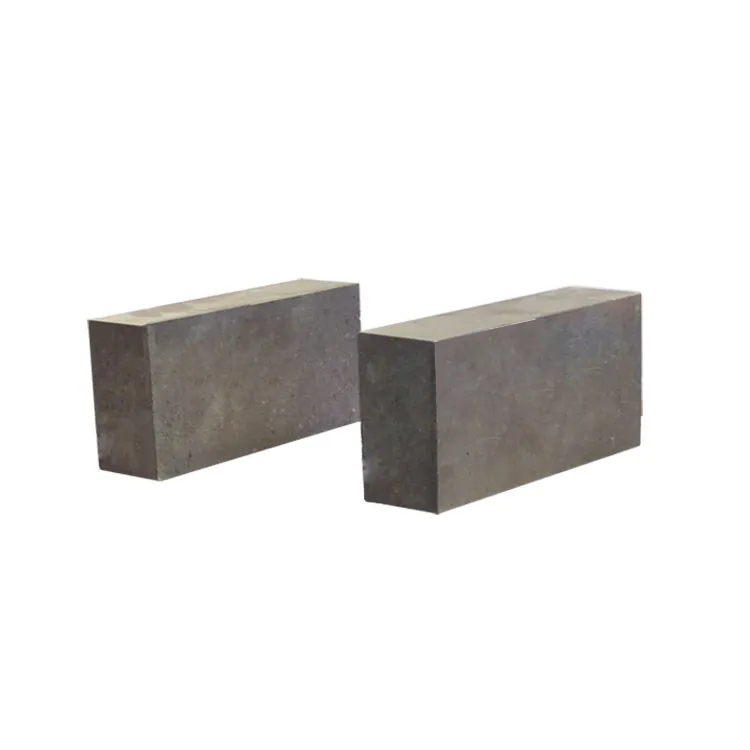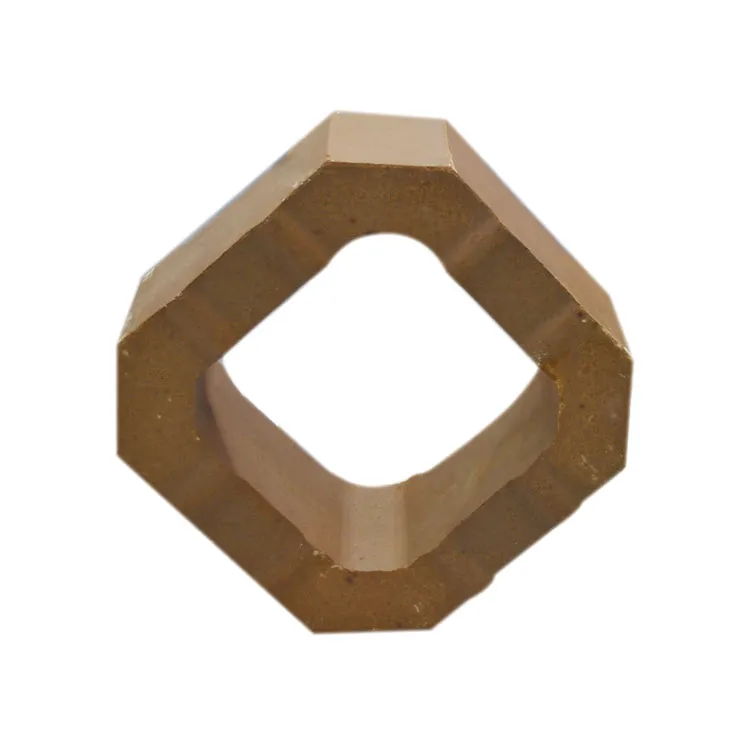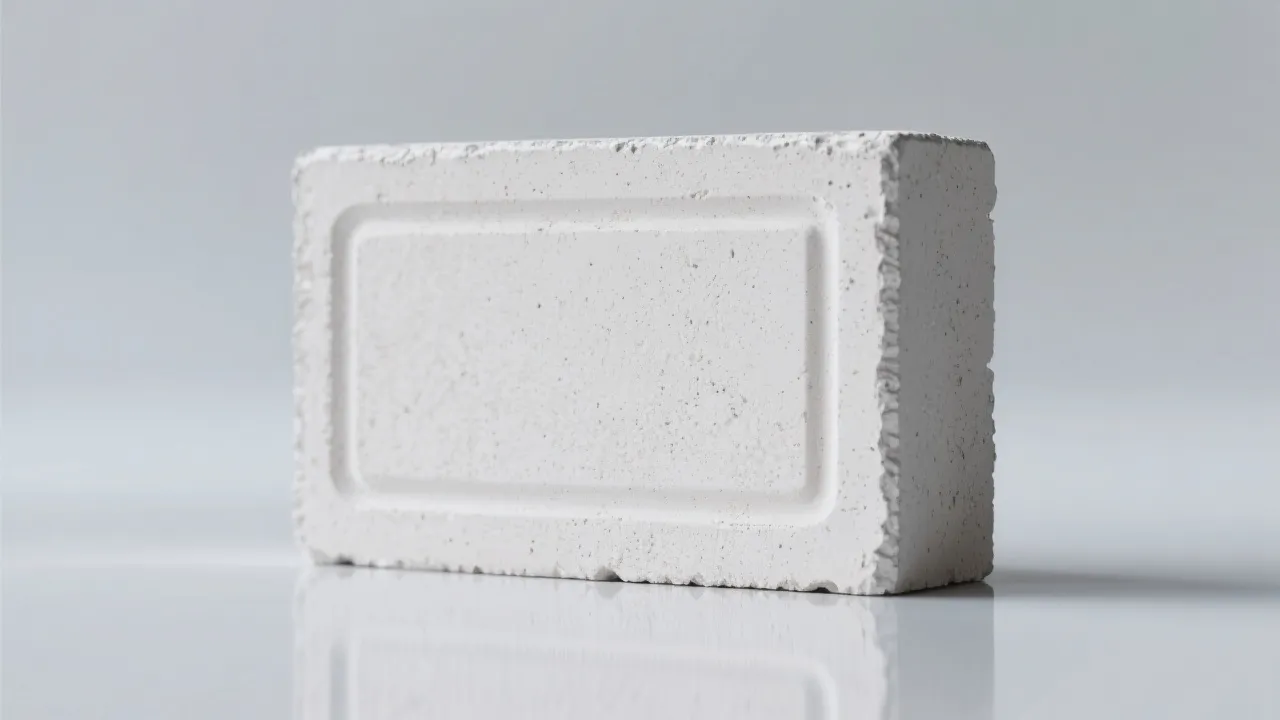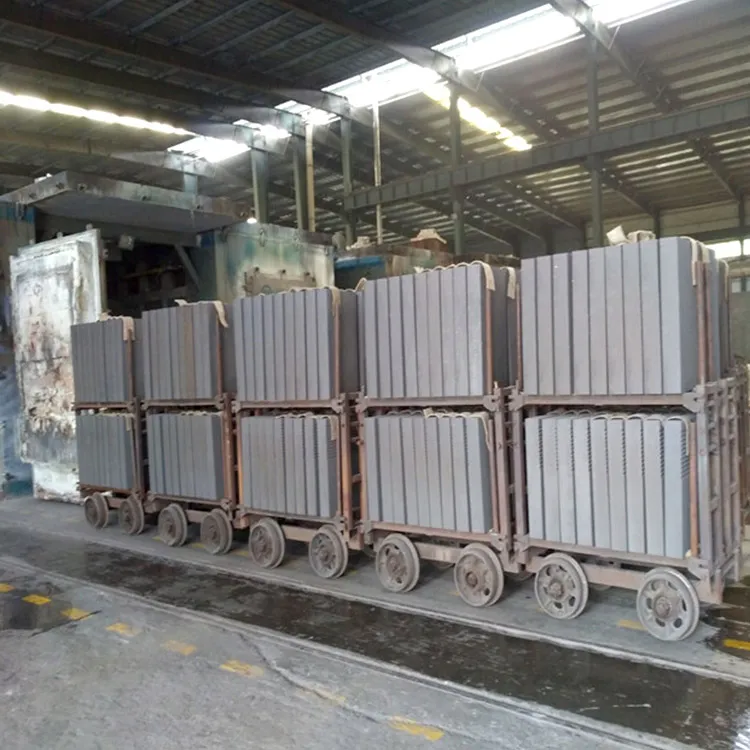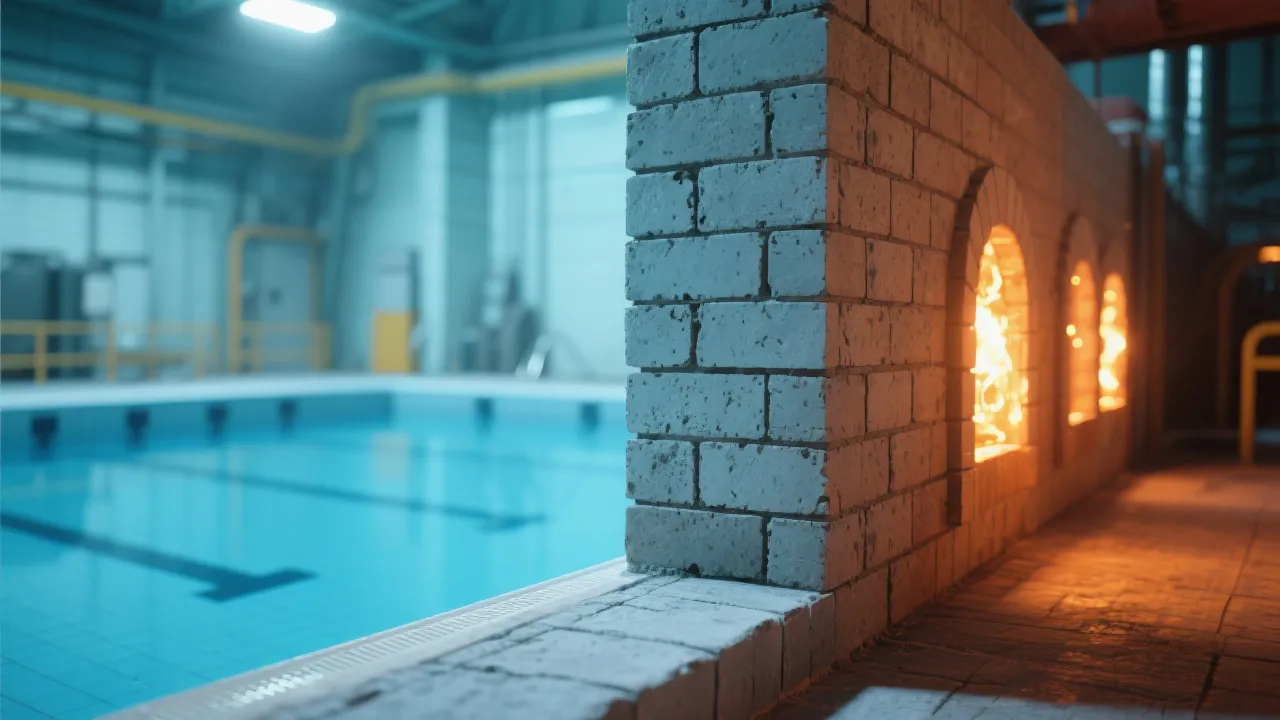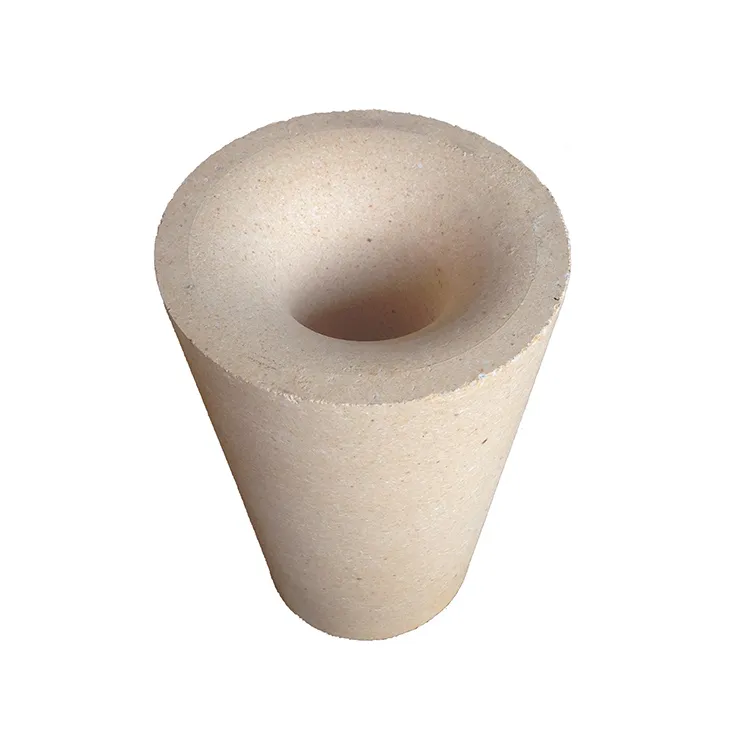
High - alumina dense wear - resistant clay bricks are crucial refractory materials widely used in high - temperature industrial kilns. Understanding their core performance indicators and industry standards is essential for ensuring the efficient and safe operation of kilns.
The performance of high - alumina dense wear - resistant clay bricks is mainly evaluated by several key indicators. Alumina content is one of the most important factors. Generally, the alumina content in these bricks ranges from 48% to 85%. A higher alumina content usually means better refractoriness and wear resistance. According to industry standards, bricks with an alumina content above 75% can be classified as high - grade refractory materials.
Another critical indicator is the refractoriness. These bricks are designed to withstand temperatures ranging from 1580°C to 1770°C. This wide temperature range makes them suitable for various high - temperature industrial applications, such as steelmaking, cement production, and glass manufacturing.
Proper installation is crucial for the performance of high - alumina dense wear - resistant clay bricks. Before installation, thorough preparation is required. This includes cleaning the kiln surface, checking the dimensions of the bricks, and preparing the appropriate bonding materials. The bonding materials should have good heat resistance and adhesion to ensure a strong connection between the bricks.
The specific installation steps involve laying the bricks layer by layer, starting from the bottom of the kiln. When laying the bricks, it is necessary to ensure that the joints are uniform and the bricks are tightly connected. The thickness of the joints should generally be controlled within 2 - 3mm. During the installation process, attention should be paid to the expansion joints. These joints are essential to accommodate the thermal expansion of the bricks at high temperatures, preventing cracking and damage.
The alumina content also affects the layout scheme. Bricks with a higher alumina content are usually more suitable for areas with higher temperatures and more severe wear, such as the burner area and the hearth of the kiln.
To ensure the performance of high - alumina dense wear - resistant clay bricks, several key technical parameters need to be monitored. These include bulk density, porosity, and compressive strength. A higher bulk density and lower porosity usually indicate better quality and performance. Compressive strength is also an important indicator, which reflects the ability of the bricks to withstand pressure at high temperatures.
Regular detection is necessary to ensure the performance of the bricks. Non - destructive testing methods, such as ultrasonic testing and infrared thermography, can be used to detect internal defects and temperature distribution in the bricks. Destructive testing methods, such as sampling and laboratory analysis, can provide more accurate information about the physical and chemical properties of the bricks.
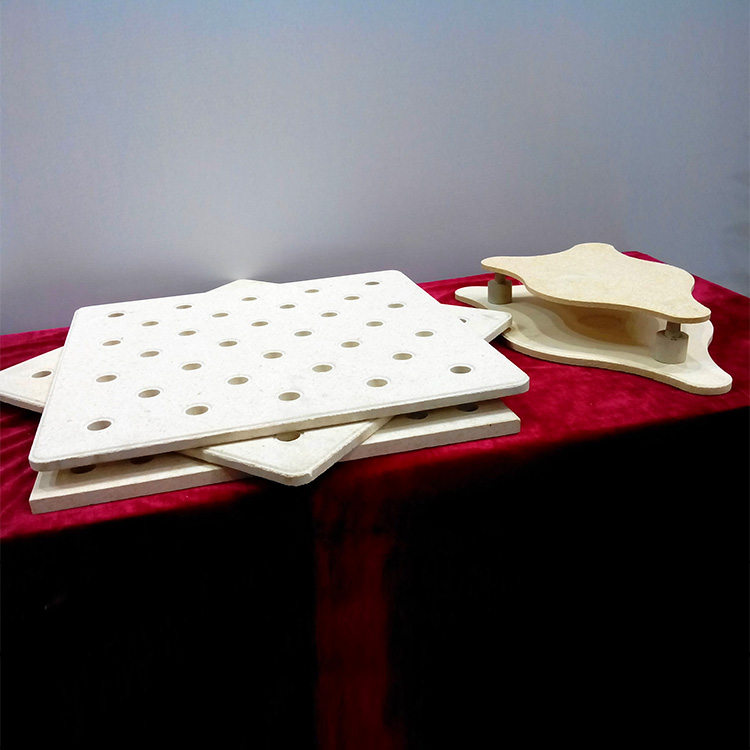
Proper maintenance can significantly extend the service life of high - alumina dense wear - resistant clay bricks. Wear assessment is an important part of maintenance. Regular inspection of the surface wear of the bricks can help detect early signs of damage. Visual inspection and measurement of the thickness of the bricks can be used to assess wear.
Chemical corrosion monitoring is also crucial. In high - temperature environments, the bricks may be corroded by various chemical substances, such as slag and flue gas. Regular analysis of the chemical composition of the corrosion products can help identify the source of corrosion and take appropriate preventive measures.
The recommended maintenance cycle is generally 3 - 6 months for routine inspections and 1 - 2 years for comprehensive maintenance, including replacement of severely damaged bricks.
In a steelmaking plant, high - alumina dense wear - resistant clay bricks were used in the ladle lining. After proper installation and regular maintenance, the service life of the ladle lining was extended by 30%, reducing the frequency of lining replacement and improving production efficiency.
If you are looking for high - quality high - alumina dense wear - resistant clay bricks and professional technical support, click here to explore our solutions!