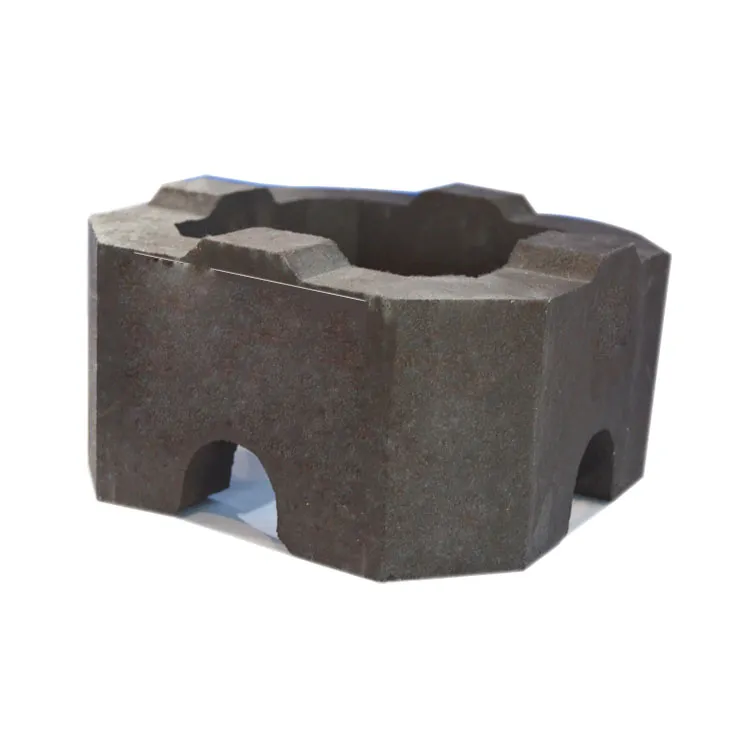
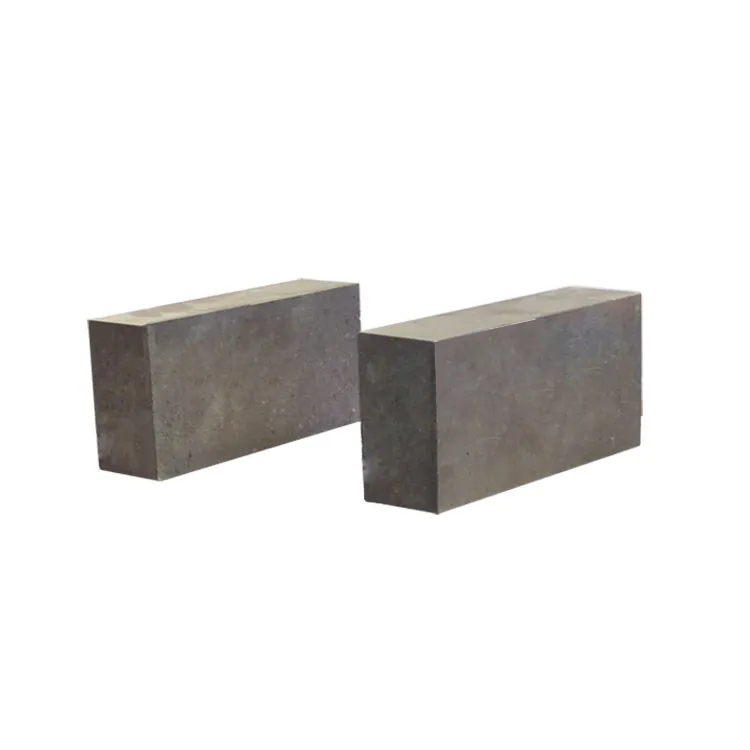
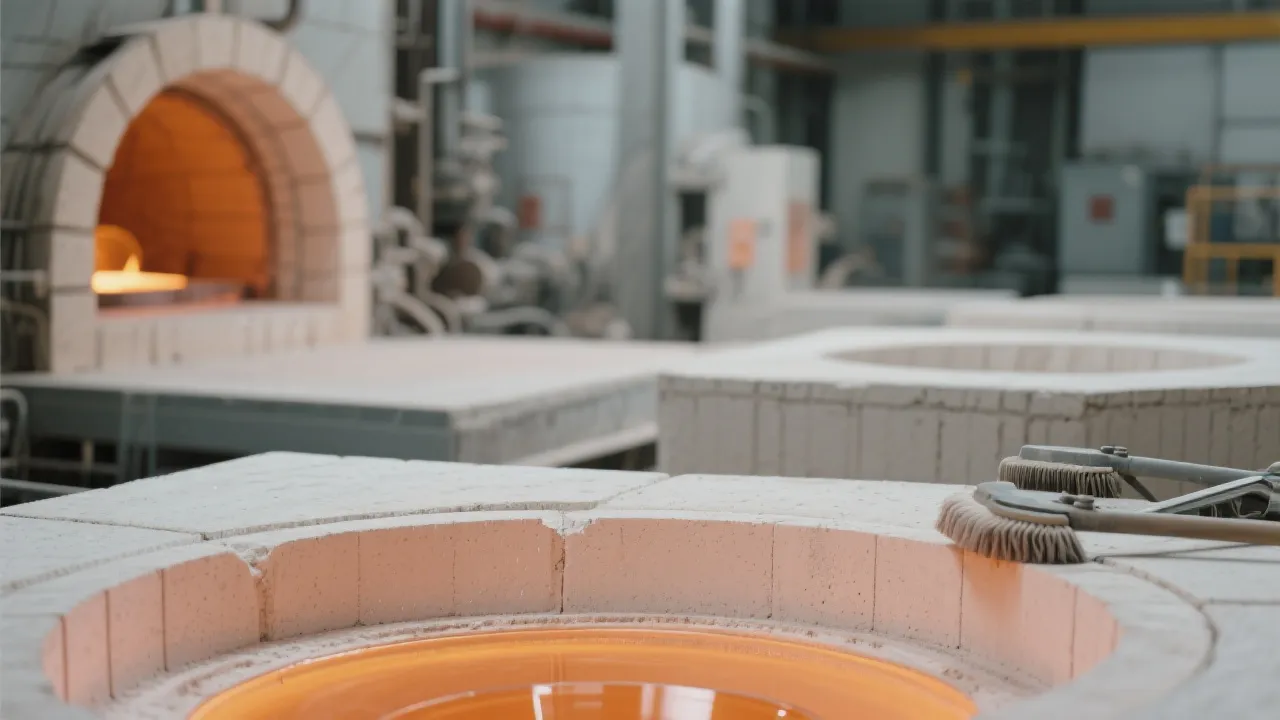
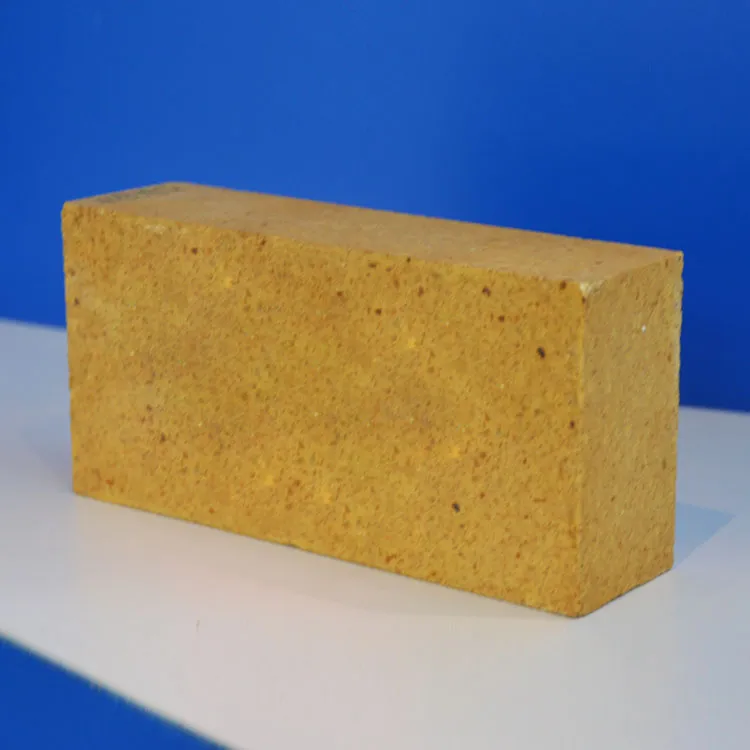
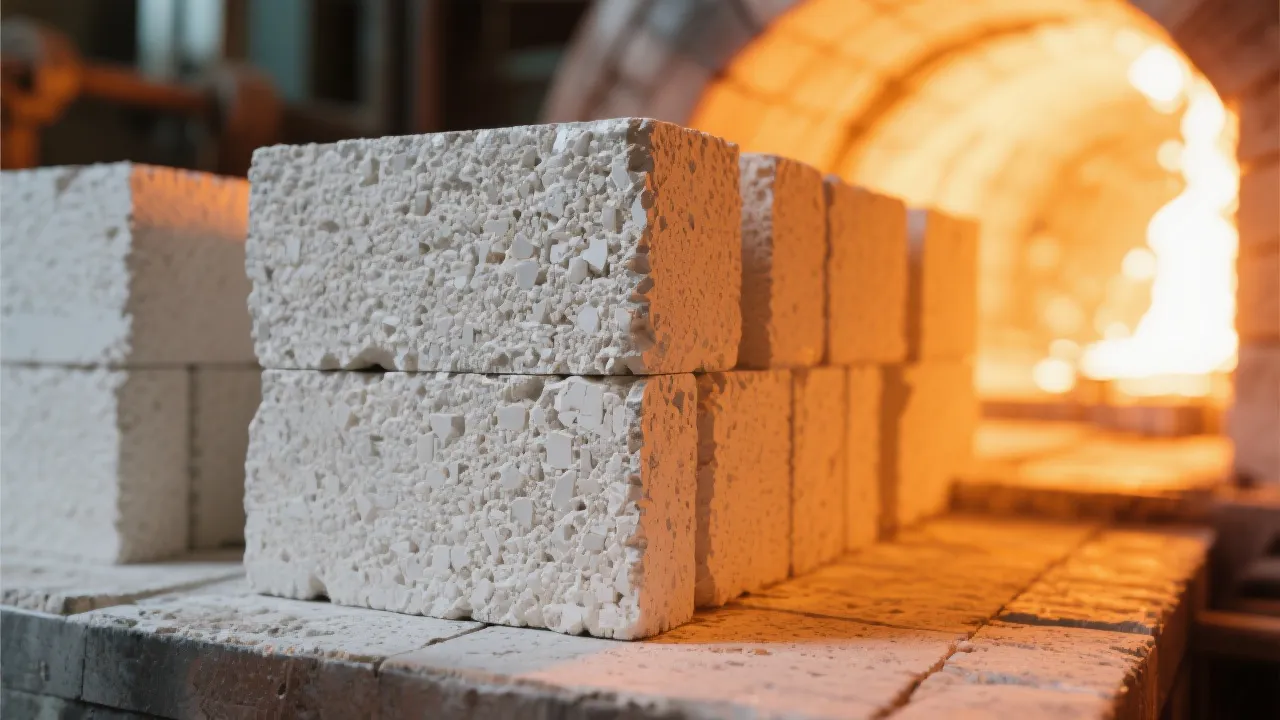
High-alumina dense wear-resistant clay bricks are essential refractory materials widely used in high-temperature kilns. This tutorial aims to provide professional guidance on their installation and maintenance, focusing on how to arrange the bricks reasonably according to the alumina content (30%-46%) and refractory temperature (1580 to 1770°C).
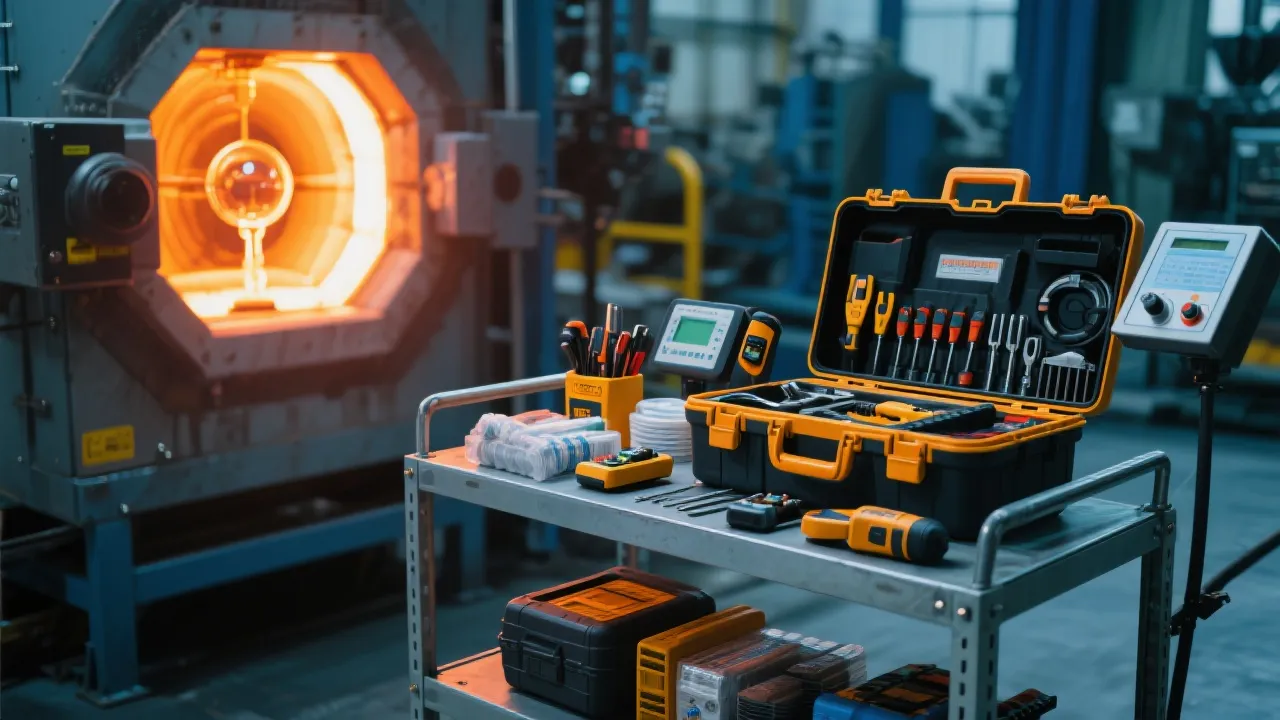
Before installation, it is crucial to conduct a series of preparatory work. First, check the quality of the high-alumina dense wear-resistant clay bricks. The alumina content should be within the range of 30% - 46%, which directly affects the refractory performance of the bricks. For example, a higher alumina content generally means better refractory and wear-resistant properties. Second, measure the internal space of the kiln accurately to determine the quantity and layout of the bricks needed. Third, prepare the necessary installation tools, such as trowels, levels, and measuring tapes.
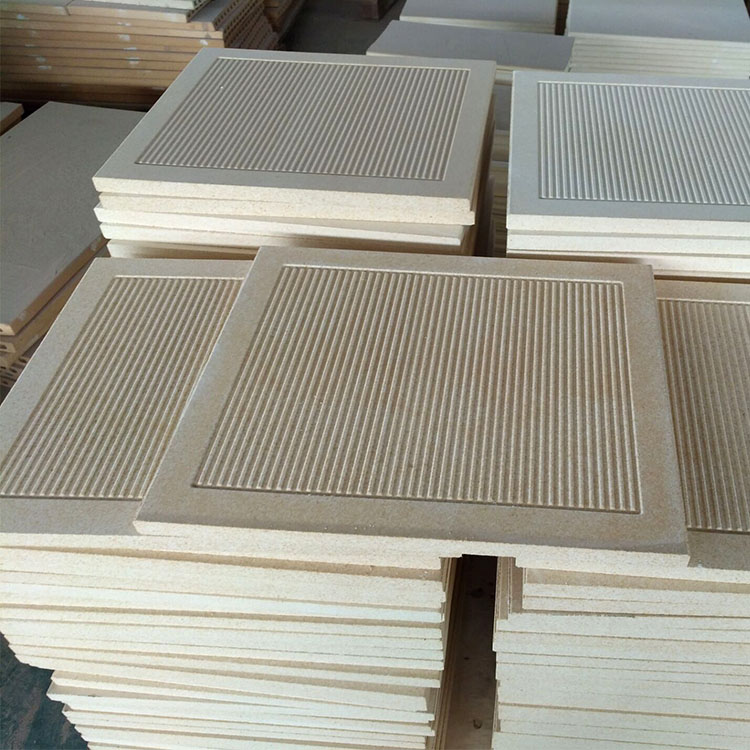
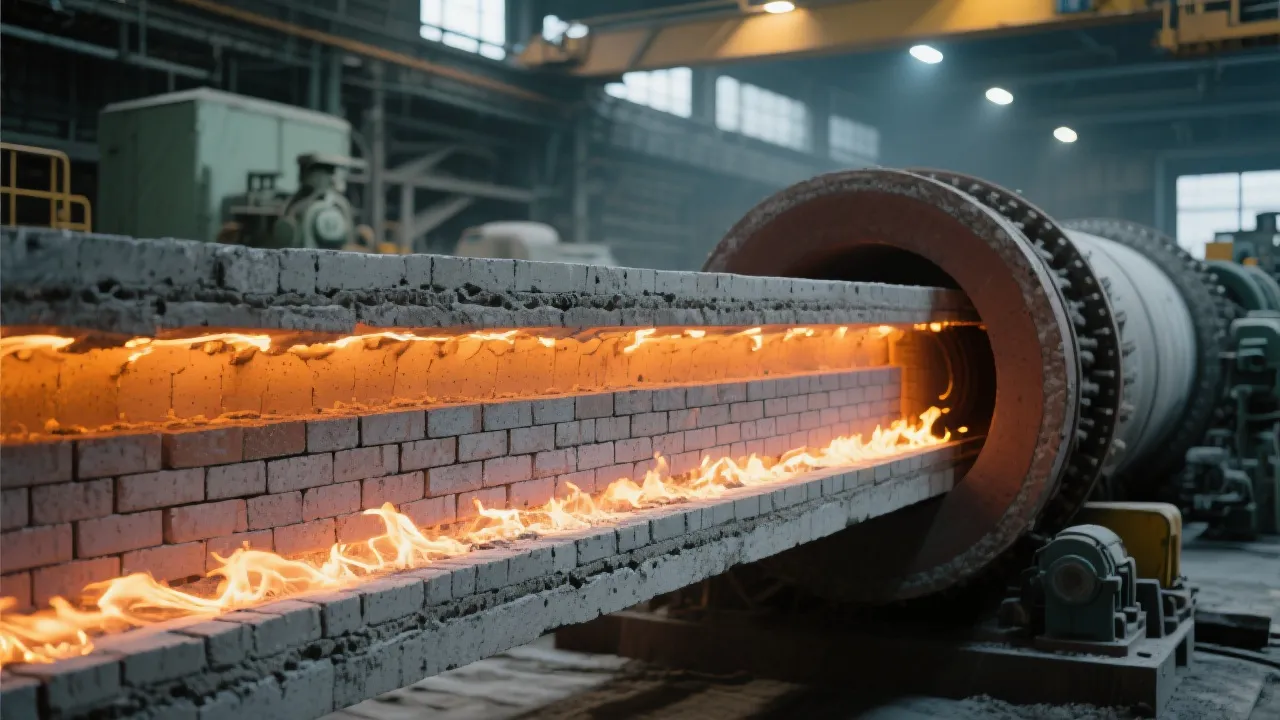
The installation process can be divided into several key steps. First, start from the bottom of the kiln. Apply a layer of high-temperature refractory mortar evenly on the base, and then lay the first row of bricks. Use a level to ensure that the bricks are laid horizontally and vertically. The thickness of the mortar layer should be controlled within 3 - 5 mm to ensure a firm connection between the bricks. When laying subsequent rows, stagger the joints of the bricks to enhance the overall stability of the lining. This is a common practice in the industry, which can effectively prevent the penetration of high-temperature gases and molten materials.
During the installation process, pay attention to the layout according to the alumina content and refractory temperature. For areas with higher temperatures, choose bricks with a higher alumina content. For example, in the combustion zone of the kiln, where the temperature can reach 1700 - 1770°C, bricks with an alumina content of about 46% are more suitable. In areas with relatively lower temperatures, such as the entrance and exit of the kiln, bricks with an alumina content of 30% - 35% can meet the requirements.
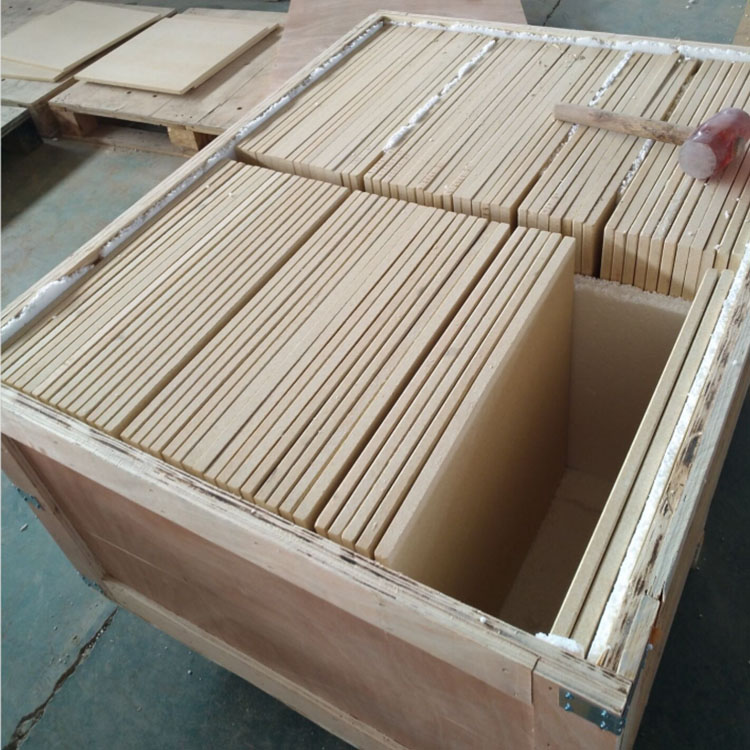
To ensure the quality of the installation, there are several key precautions. First, avoid direct contact between the bricks and water during the installation process, as this may affect the performance of the bricks. Second, after each row of bricks is laid, check the flatness and verticality immediately. If there are any deviations, adjust them in time. Third, leave appropriate expansion joints between the bricks to prevent the bricks from cracking due to thermal expansion during the heating process. The width of the expansion joints is generally 3 - 5 mm, which can be filled with high-temperature-resistant fiber materials.
To ensure the stable performance of the high-alumina dense wear-resistant clay bricks in the extreme working conditions of 1580 to 1770°C, it is necessary to take a series of performance assurance measures. Regularly monitor the wear and chemical corrosion of the bricks. For wear monitoring, ultrasonic thickness measurement can be used to detect the thickness change of the bricks. For chemical corrosion detection, sampling analysis can be carried out to determine the degree of corrosion of the bricks by molten materials and gases.
Establish a periodic maintenance strategy. For example, conduct a comprehensive inspection every 3 - 6 months, and replace the severely worn or corroded bricks in time. This can effectively extend the service life of the kiln lining and ensure the long-term stable operation of the equipment.
In conclusion, the correct installation and maintenance of high-alumina dense wear-resistant clay bricks are crucial for the performance and safety of high-temperature kilns. By following the guidance in this tutorial, technical personnel and engineering managers can improve the efficiency of furnace lining management and achieve the dual improvement of operating efficiency and safety. If you need more detailed technical support or product information, please click here to contact us.