

In high-temperature industrial applications—from cement kilns to steel furnaces—the choice of refractory material directly impacts operational safety, efficiency, and long-term cost control. Among the many options available, high-alumina dense wear-resistant fire clay brick has emerged as a preferred solution globally due to its exceptional performance, chemical stability, and compliance with international standards.
Aluminum oxide (Al₂O₃) is the key component that determines the thermal shock resistance and structural integrity of fire clay bricks. According to ISO 1889:2021, bricks with an Al₂O₃ content between 45% and 55% offer optimal balance between cost-effectiveness and durability in temperatures exceeding 1300°C. Our proprietary manufacturing process ensures consistent Al₂O₃ levels within ±1.5%, significantly reducing the risk of premature spalling or cracking under cyclic heating conditions.
A case study from a European cement plant shows that switching to this type of brick reduced refractory lining replacement frequency by 37% over two years—translating into savings of approximately $120,000 annually in downtime and labor costs.
Most industrial melts (e.g., slag in steelmaking or ash in incineration) are mildly acidic or neutral. A weakly acidic refractory like our high-alumina brick minimizes unwanted reactions at the interface between the brick and molten material. This reduces erosion rates by up to 40% compared to standard clay bricks, especially when used in environments containing Fe₂O₃ or CaO.
As noted in the International Journal of Refractories, “The lower reactivity of alumina-rich bricks makes them ideal for extended service life in aggressive chemical atmospheres.”
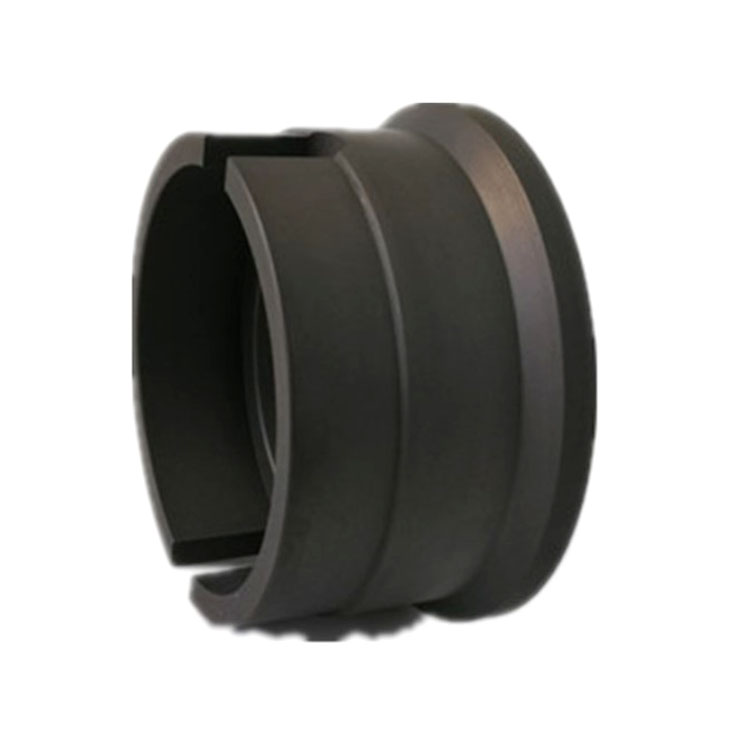
Our bricks meet or exceed ASTM C114, EN 1889, and JIS R2210 standards for compressive strength (>12 MPa), bulk density (>2.4 g/cm³), and apparent porosity (<15%). These metrics are not just numbers—they represent real-world reliability. For instance, a ceramic tile manufacturer in India reported zero failure incidents after adopting these bricks across three kiln zones over 18 months.
Importantly, unlike some low-cost alternatives, our product maintains its mechanical properties even after 100+ thermal cycles—a critical factor often overlooked during procurement.
Whether you're evaluating new materials or troubleshooting recurring refractory failures, understanding the science behind high-alumina dense wear-resistant bricks can make all the difference. Let us help you assess your specific application needs and find the right solution tailored to your operations.
Get Product Details & Technical Data SheetBy focusing on stable chemistry, proven standards, and real-world performance—not just price—you’re investing in safer, more efficient kiln operations. The decision isn’t just about selecting a brick—it’s about choosing a partner for continuous improvement.




 <#else>


