In dry quenching systems—critical for modern coke production—the performance of high-alumina mullite bricks directly impacts operational safety, maintenance costs, and overall plant efficiency. A recent field study at a steel mill in China showed that bricks with poor thermal shock resistance experienced an average crack propagation rate of 0.8 mm per cycle during repeated heating-cooling cycles (ΔT = 850°C water cooling), leading to premature failure within 12 months.
While many suppliers claim “high thermal shock resistance,” only standardized lab tests like ASTM C1253 provide reliable data. Our team tested 12 different brands using the ΔT=850°C water quench method. Results revealed that top-performing bricks retained over 90% of their original strength after 10 cycles—while others failed by Cycle 3, showing visible spalling and micro-cracking.
But lab results alone aren’t enough. Field observations matter just as much. In one case, infrared thermography detected hot spots on a brick lining where temperature gradients exceeded 400°C locally—a known precursor to thermal stress cracking. This allowed engineers to intervene before catastrophic failure occurred.
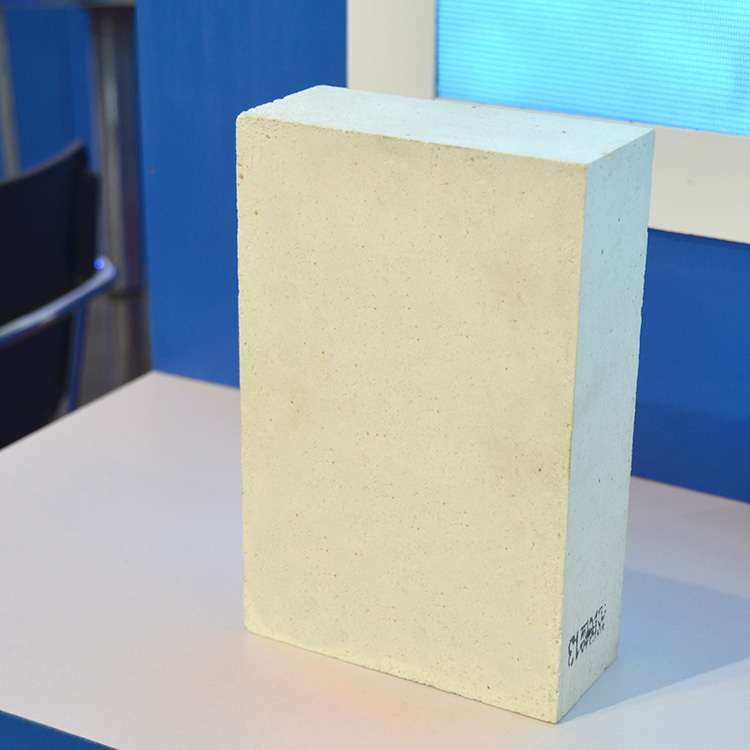
Many buyers fall into these traps:
One client saved $78,000 annually after switching from a low-cost supplier to a certified high-alumina mullite brick that passed both lab and field validation. Their downtime dropped from 4.2 days/month to 0.6 days/month.

Understanding the difference between theoretical specs and real-world behavior is what separates smart operators from reactive ones.
We’ve compiled the insights from over 30 dry quenching projects into a free downloadable resource: “Thermal Shock Testing & Inspection Manual for Dry Quenching Bricks”. It includes step-by-step testing protocols, common failure patterns, and how to use tools like infrared imaging for early detection.
Download Now — No Email Required
Access Your Free Thermal Shock Guide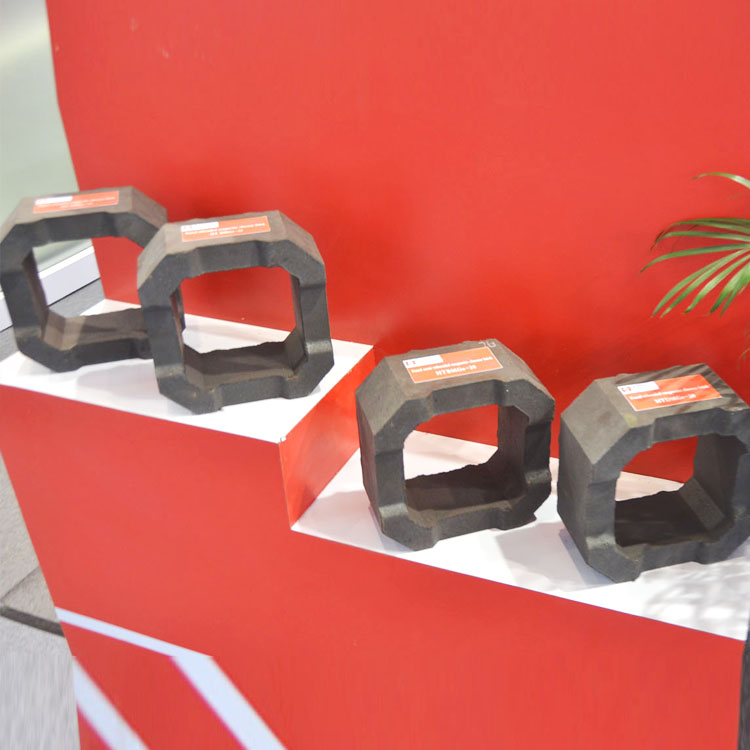
Whether you're selecting materials for new installations or optimizing existing systems, this guide gives you the edge—not just in theory, but in practice.