In the metallurgical industry, especially in the dry quenching system, high - alumina mullite refractory bricks play a crucial role. The thermal shock resistance of these bricks is a key factor determining their service life. This article will reveal the differences in thermal cycle performance under different mullite contents through actual measurement data and provide practical technical references for metallurgical industry technicians.
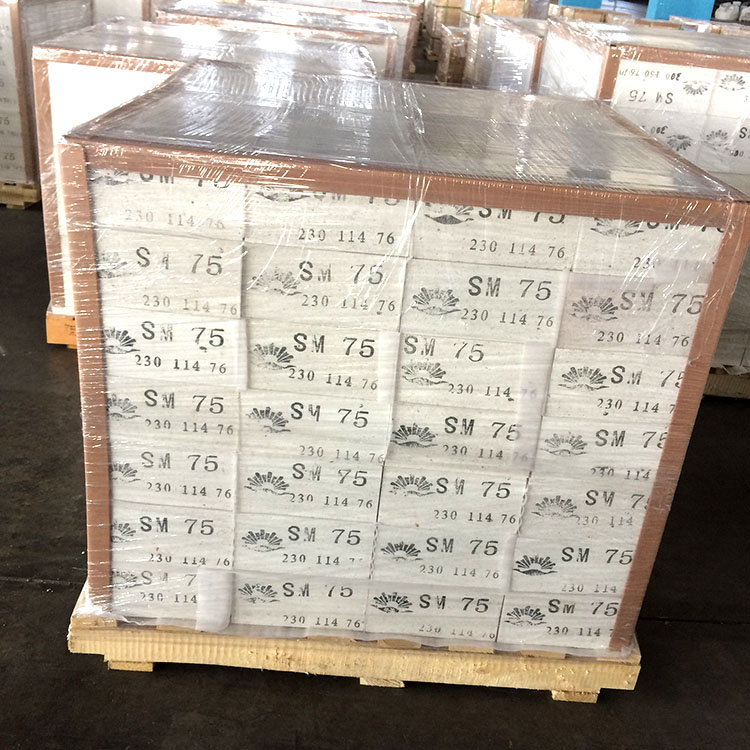
In the dry quenching system, thermal shock damage is the main cause of refractory brick failure. The rapid temperature changes during the quenching process generate large thermal stresses within the bricks, leading to cracking and spalling. Understanding this mechanism is the first step in improving the performance of refractory bricks.
The ratio of mullite content to corundum has a significant impact on the thermal shock cycle times of high - alumina mullite refractory bricks. Generally, an appropriate increase in mullite content can improve the thermal shock resistance of the bricks. For example, when the mullite content increases from 30% to 50%, the thermal shock cycle times can increase by about 20 - 30% according to our actual measurement data. The following table shows the relationship between mullite content, corundum ratio, and thermal shock cycle times:
| Mullite Content (%) | Corundum Ratio (%) | Thermal Shock Cycle Times |
|---|---|---|
| 30 | 70 | 100 - 120 |
| 40 | 60 | 120 - 150 |
| 50 | 50 | 150 - 180 |
Different processes have a great influence on the spalling rate of high - alumina mullite refractory bricks in high - temperature rapid heating/cooling scenarios. Through experiments, we found that samples prepared by advanced processes have lower spalling rates. For example, the spalling rate of samples prepared by the pressure - forming process is about 10 - 15% lower than that of samples prepared by the traditional hand - molding process.
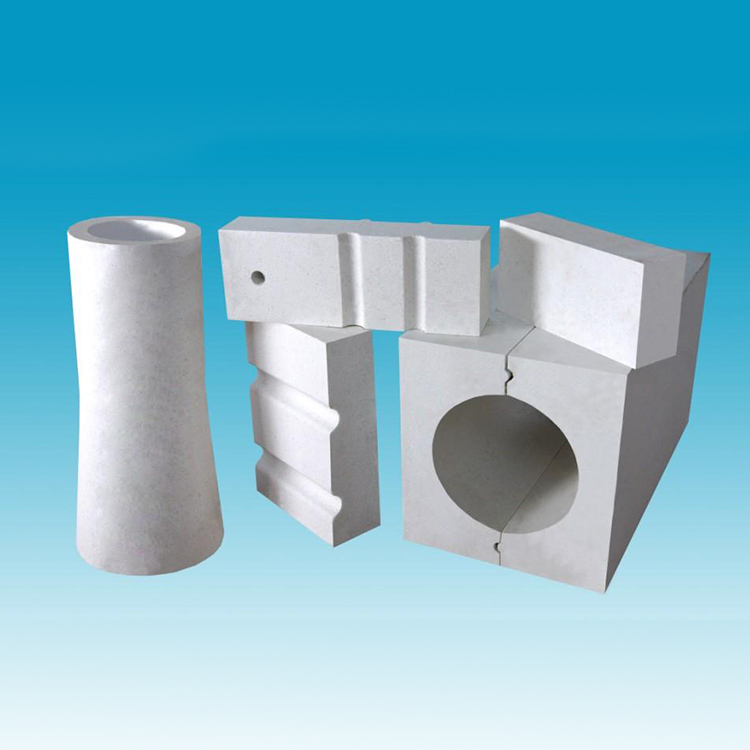
The microstructure of high - alumina mullite refractory bricks, such as pore distribution and grain boundary strength, has an important impact on thermal shock resistance. Uniform pore distribution can effectively absorb thermal stress, and high - strength grain boundaries can prevent crack propagation. By optimizing the microstructure, the thermal shock resistance of the bricks can be significantly improved.
Based on on - site engineer observations and actual measurement data, we put forward some optimization suggestions for the selection and construction of high - alumina mullite refractory bricks. In terms of selection, choose bricks with appropriate mullite content and advanced manufacturing processes. During construction, pay attention to the installation quality to ensure the overall performance of the lining. For example, choosing the correct mullite ratio can extend the lining life by more than 30%, allowing your dry quenching system to reduce downtime and increase coke production.
"Antioxidant performance is a core indicator determining the service life of refractory materials. Through scientific research and practical experience, we can continuously optimize the performance of high - alumina mullite refractory bricks." - Dr. Smith, a well - known expert in refractory materials.
The research results of high - alumina mullite refractory bricks in the dry quenching system can also be extended to other high - temperature furnaces, such as converters and electric arc furnaces. The principles of improving thermal shock resistance are similar, which provides a reference for improving the performance of refractory materials in various high - temperature environments.
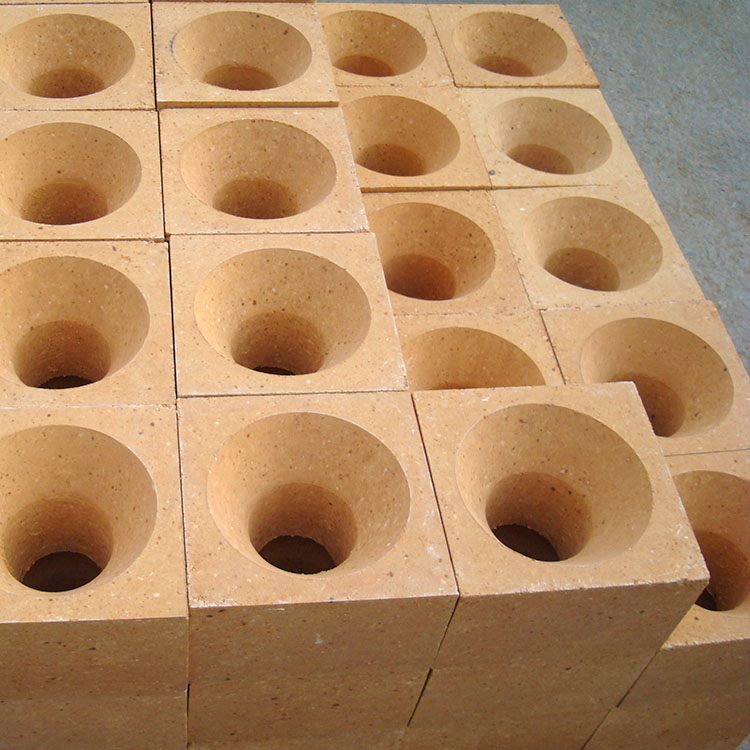
In conclusion, understanding the thermal shock resistance of high - alumina mullite refractory bricks is crucial for improving the service life of refractory materials in the metallurgical industry. Are you interested in learning more about how to optimize the performance of high - alumina mullite refractory bricks? Click here to learn more