
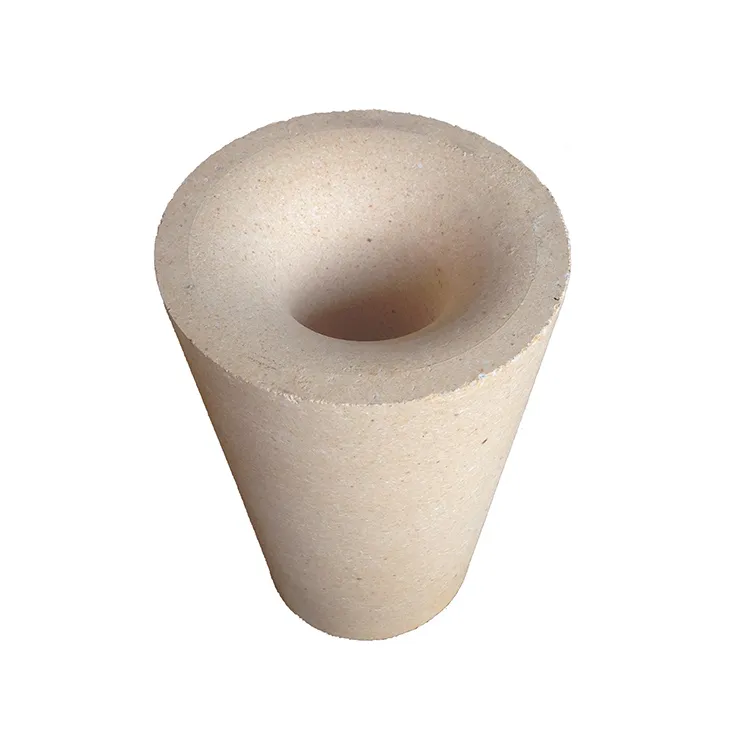
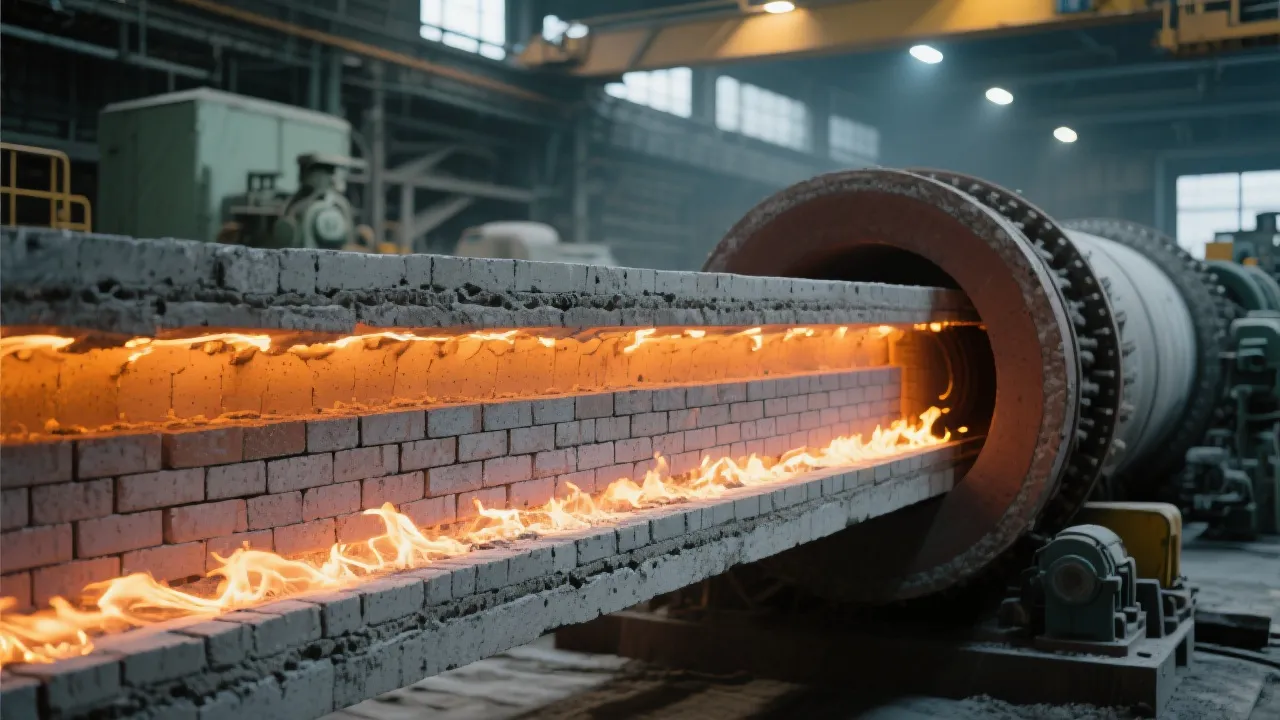
You're not alone if your dry quenching furnace lining is failing faster than expected — especially when the temperature swings from 100°C to over 850°C in just minutes. Many operators assume that a high refractoriness under load (RUL) means good performance, but here's what most miss: thermal shock resistance is the real battlefield.
In our field data from over 40 dry quenching systems across Asia and Europe, we found that bricks with >1600°C RUL still cracked within 6–12 months — while those with slightly lower RUL (1550°C) lasted 2+ years without major failure. Why? Because thermal shock isn't about how hot it can handle — it’s about how fast it can survive sudden changes.
Here’s the key metric: ΔT = 850°C water quench test. A brick passing this test (no visible cracks after 5 cycles) typically shows 70% less crack propagation in service compared to non-tested materials. Yet, more than 60% of suppliers still only report RUL — leaving buyers vulnerable to premature failures.
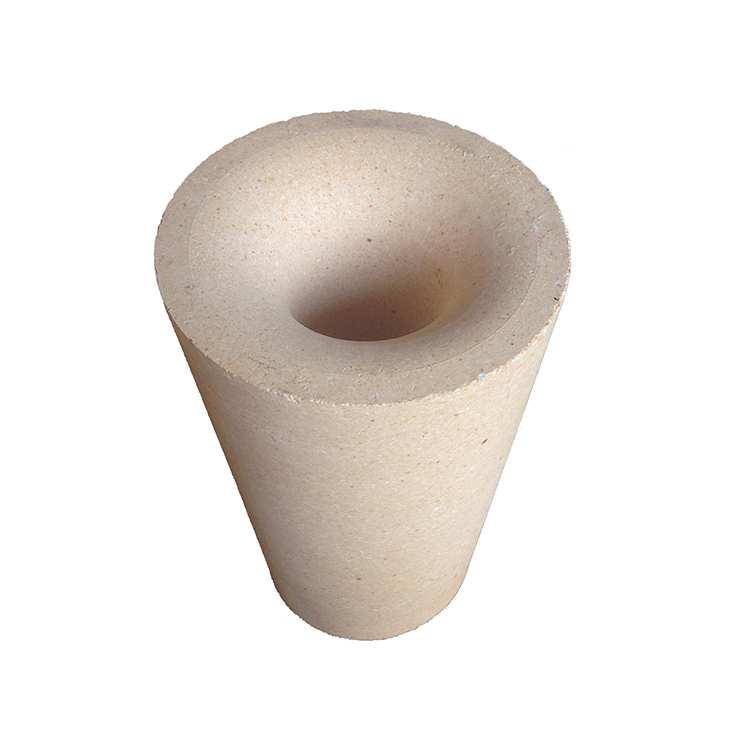
One client in Saudi Arabia reduced downtime by 45% after implementing infrared thermography inspections every 2 weeks. Engineers used thermal imaging to detect localized overheating spots (above 950°C) before any visible damage occurred — allowing them to schedule maintenance during planned outages instead of emergency shutdowns.
This shift from reactive to proactive isn’t just smart — it’s essential for safety-critical environments like coke ovens or blast furnaces. In fact, companies using predictive thermal diagnostics report up to 30% longer refractory life and 20% lower operating costs.
If you’re seeing frequent brick cracking or unexpected lining degradation:
Don’t wait until the next outage to realize your brick selection wasn’t based on real-world resilience. The difference between a costly repair and a long-term solution often comes down to one overlooked parameter: thermal shock stability.
Download our free “Dry Quenching Refractory Selection Checklist” PDF — including real-world test comparisons, IR imaging tips, and a step-by-step process to evaluate thermal shock performance.
Download Now – No Cost, Just Value





 <#else>


