In the high - temperature industrial sector, the selection of refractory materials is crucial for ensuring the safety and efficiency of equipment operation. High alumina refractory clay bricks, with their unique properties, have become a preferred choice for many industries. This article will delve into the technical advantages and practical applications of these bricks.
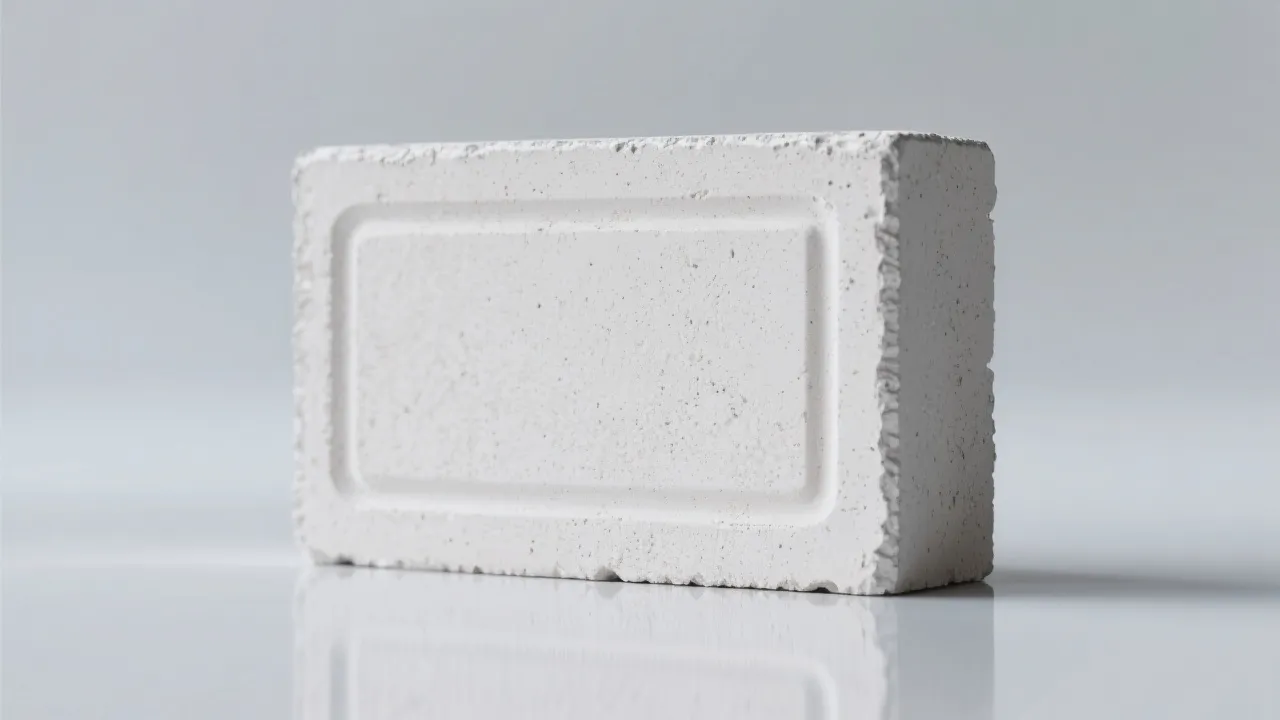
High alumina refractory clay bricks typically contain a stable Al₂O₃ content of around 48% - 80%. This high and stable content is the key to their excellent refractory performance. According to international refractory material standards, such as ISO 1005 - 3, materials with a high Al₂O₃ content can withstand higher temperatures. For example, in a blast furnace, where the temperature can reach up to 1600°C, high alumina refractory clay bricks with a high Al₂O₃ content can maintain their structural integrity, ensuring the normal operation of the furnace.

One of the remarkable features of high alumina refractory clay bricks is their weak acidic properties. In high - temperature environments, chemical reactions often occur between the furnace lining and the surrounding substances. The weak acidic nature of these bricks can effectively reduce these chemical reactions. For instance, in a glass melting furnace, the weak acidic bricks can prevent the reaction with the alkaline glass raw materials, thereby delaying the damage to the furnace lining. Studies have shown that using high alumina refractory clay bricks can extend the service life of the furnace lining by up to 30% compared to ordinary refractory materials.
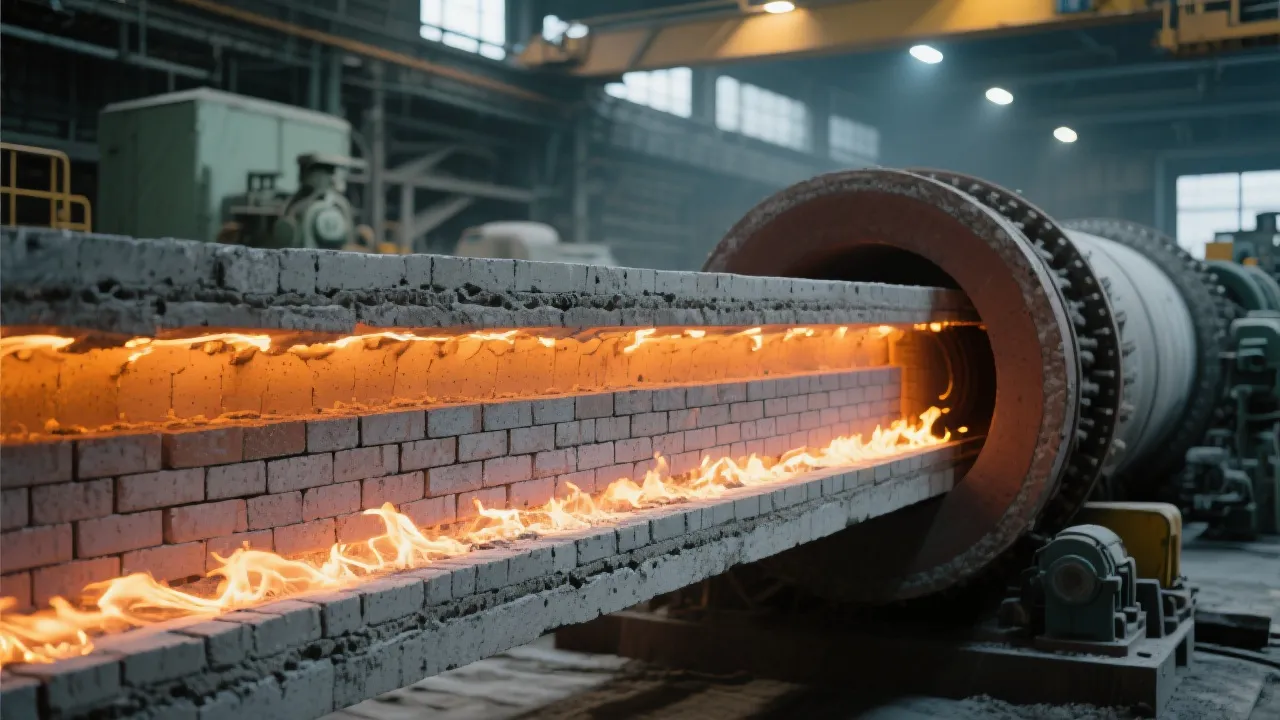
High alumina refractory clay bricks have been widely used in various industries, including steel, glass, cement, and non - ferrous metals. In the steel industry, they are used in the lining of converters, electric arc furnaces, and ladles. In the glass industry, they are used in glass melting furnaces. A case study in a cement plant showed that after replacing the original refractory materials with high alumina refractory clay bricks, the maintenance frequency of the kiln decreased by 40%, and the production efficiency increased by 15%.
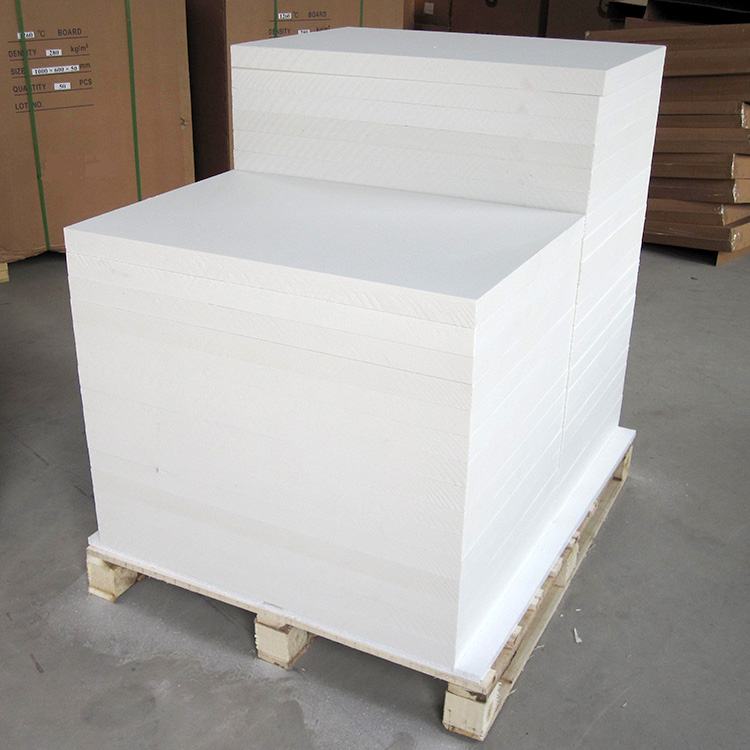
By reducing the damage to the furnace lining and extending its service life, high alumina refractory clay bricks can significantly improve industrial operation efficiency. They also play an important role in risk management. Unplanned shutdowns due to furnace lining damage can cause huge economic losses. With these bricks, the probability of such shutdowns can be greatly reduced.
The market for high alumina refractory clay bricks is constantly evolving. New technologies are being developed to further improve their performance, such as enhancing the Al₂O₃ content and optimizing the weak acidic properties. Keeping up with these market trends and technological advancements is essential for procurement and technical decision - makers.
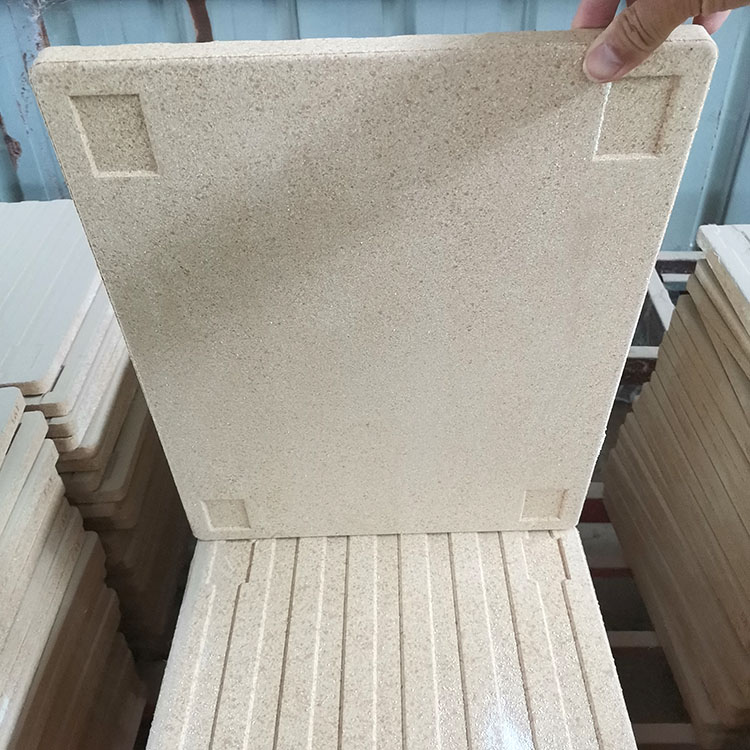
In conclusion, high alumina refractory clay bricks offer significant advantages in high - temperature industrial applications. If you are interested in learning more about these high - performance refractory materials or need professional advice, please click here to contact our experts.