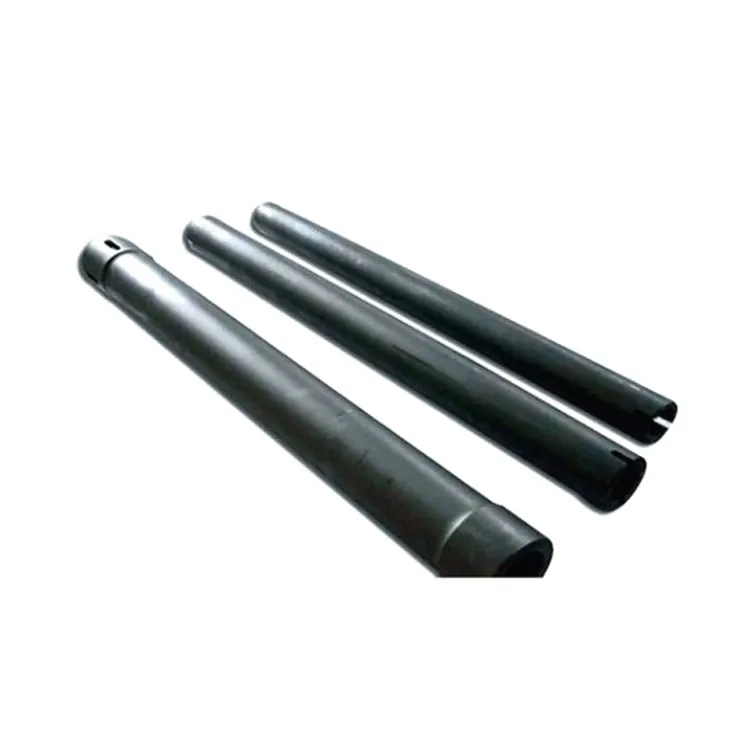
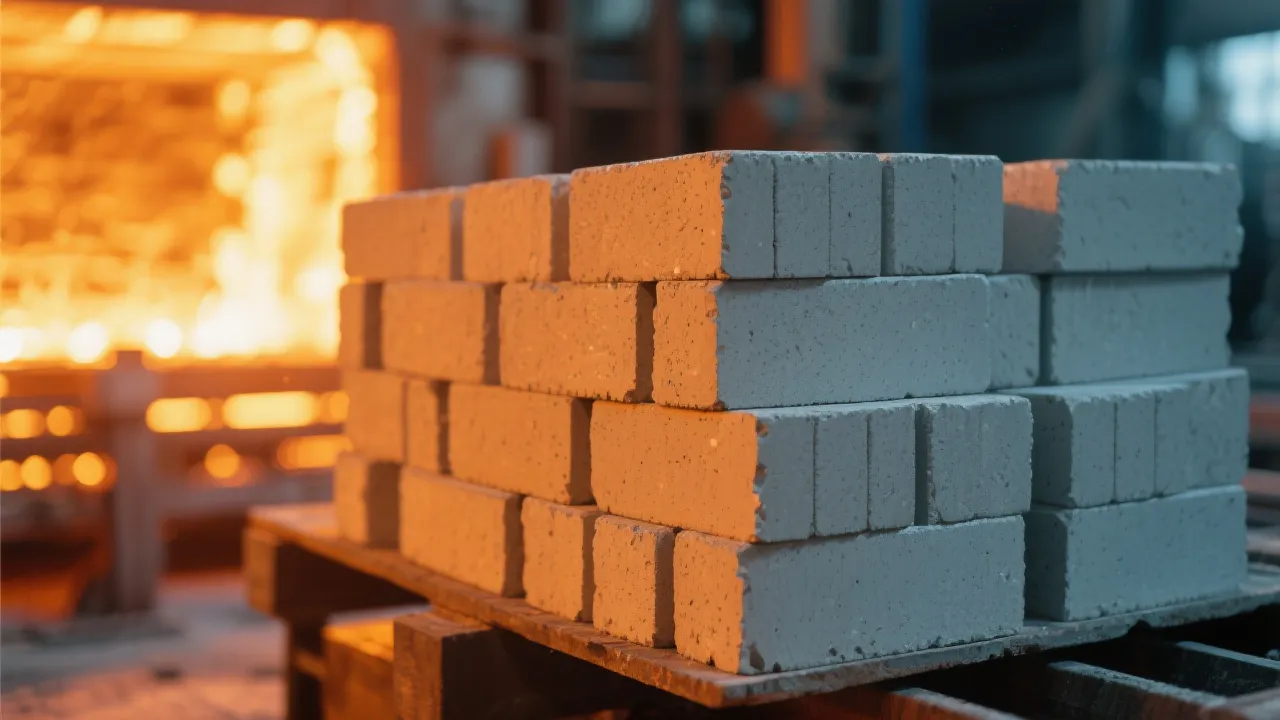
Coke dry quenching systems face several severe challenges under complex working conditions. High - temperature fluctuations, frequent start - stops, and acid slag corrosion pose significant threats to the performance and lifespan of refractory materials. For example, high - temperature fluctuations can reach up to 300 - 500°C within a short period, which puts the thermal shock resistance of refractory materials to a strict test. Frequent start - stops and acid slag corrosion further accelerate the aging and damage of traditional refractory materials.
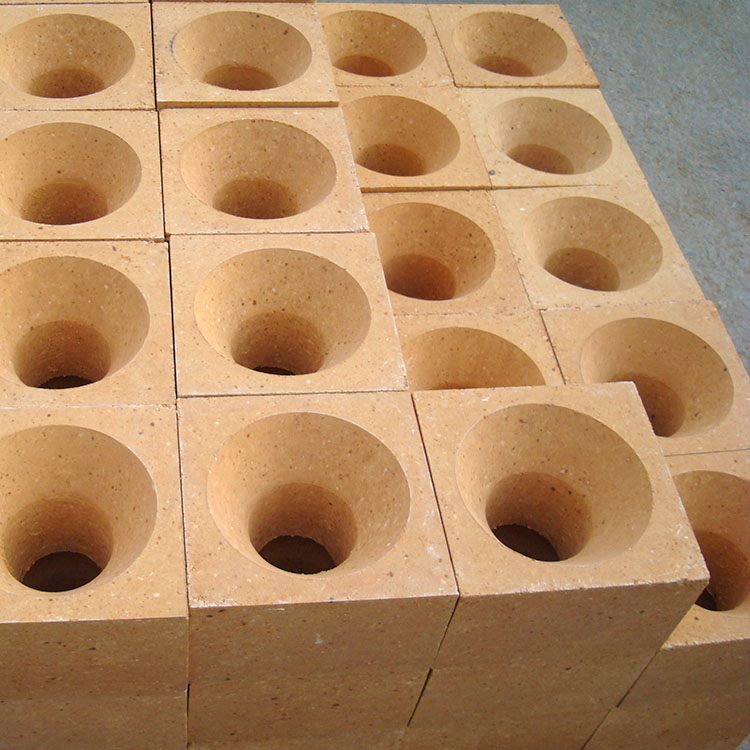
In coke dry quenching systems, different workstations have different performance priorities. In the chute area, the material needs to have high abrasion resistance and thermal shock resistance because it is constantly scoured by high - speed coke particles and affected by temperature changes. The cooling chamber requires materials with good heat insulation performance to ensure efficient heat exchange. At the coke discharge port, corrosion resistance is the key factor due to the long - term contact with acidic slag. The following table shows the performance priority ranking of different workstations:
| Workstation | Performance Priority |
|---|---|
| Chute Area | Abrasion Resistance, Thermal Shock Resistance |
| Cooling Chamber | Heat Insulation Performance |
| Coke Discharge Port | Corrosion Resistance |
The high - purity mullite matrix + fine - grained crystal strengthening technology is the core solution to improve the thermal shock resistance of refractory materials. The high - purity mullite matrix provides a stable structure, and the fine - grained crystal strengthening mechanism can effectively disperse stress and prevent crack propagation. This technology can increase the thermal shock resistance of refractory materials by 30% - 50% compared with traditional materials.
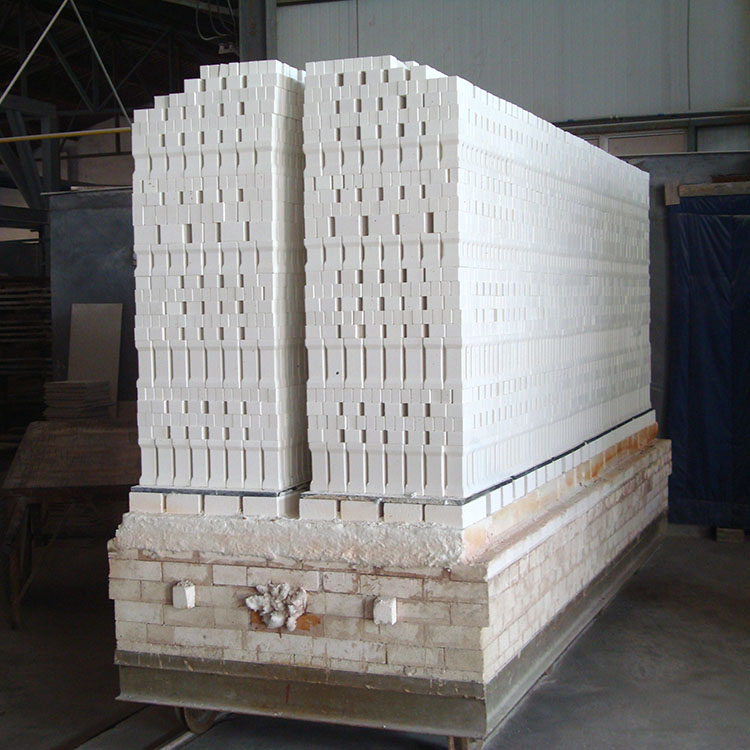
Construction quality also has a crucial impact on the overall thermal shock performance. The control of masonry joints and the setting of expansion joints are two key factors. A reasonable masonry joint width of 1 - 2mm and a proper expansion joint setting can effectively release the thermal stress generated by temperature changes, thus improving the overall performance of the refractory lining. According to relevant research, a well - constructed refractory lining can extend its service life by about 20%.
In real - world projects, the performance differences between traditional high - alumina bricks and new mullite products are very obvious. Traditional high - alumina bricks often experience issues such as cracking and spalling under the influence of high - temperature fluctuations, frequent start - stops, and acid slag corrosion, and need to be replaced 2 - 3 times a year. In contrast, new mullite products can serve for more than 5 years, greatly reducing the annual replacement frequency and extending the lining lifespan.
"The use of new mullite refractory bricks in our dry quenching system has significantly improved production stability and reduced maintenance costs. It is truly a reliable solution." - A metallurgical enterprise engineer
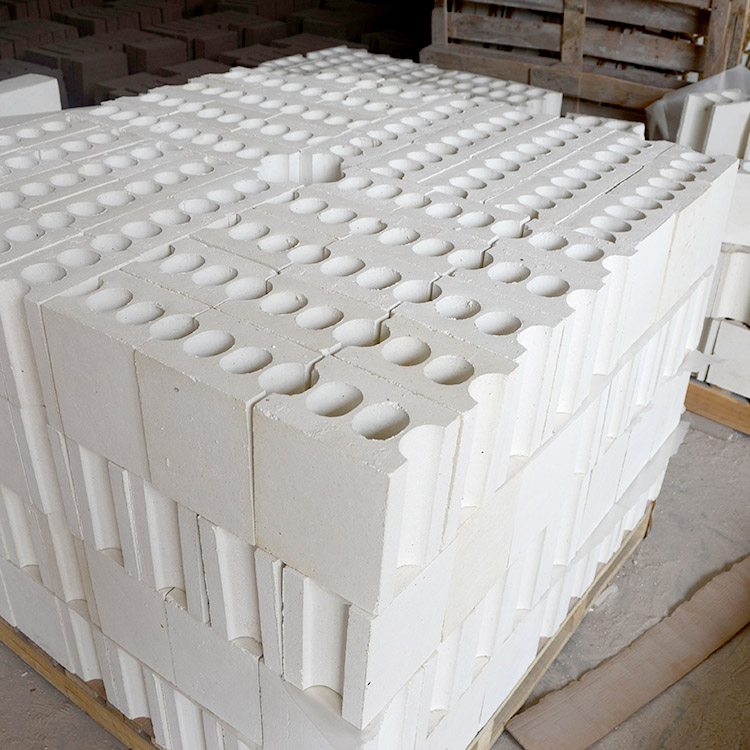
When making engineering decisions, enterprises should choose materials based on the performance - cost ratio and maintenance cycle. For areas with high requirements for thermal shock resistance and corrosion resistance, new mullite products are a better choice, although the initial investment may be slightly higher, but the long - term cost - effectiveness is more prominent. More technical parameters can be found in the product manual. If you are interested in customized solutions, please contact our engineers for more information.