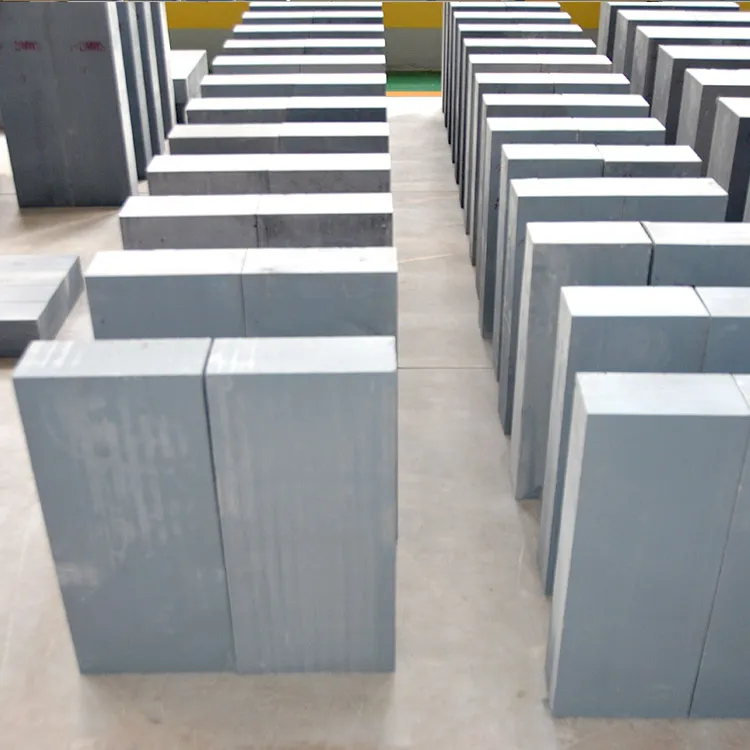
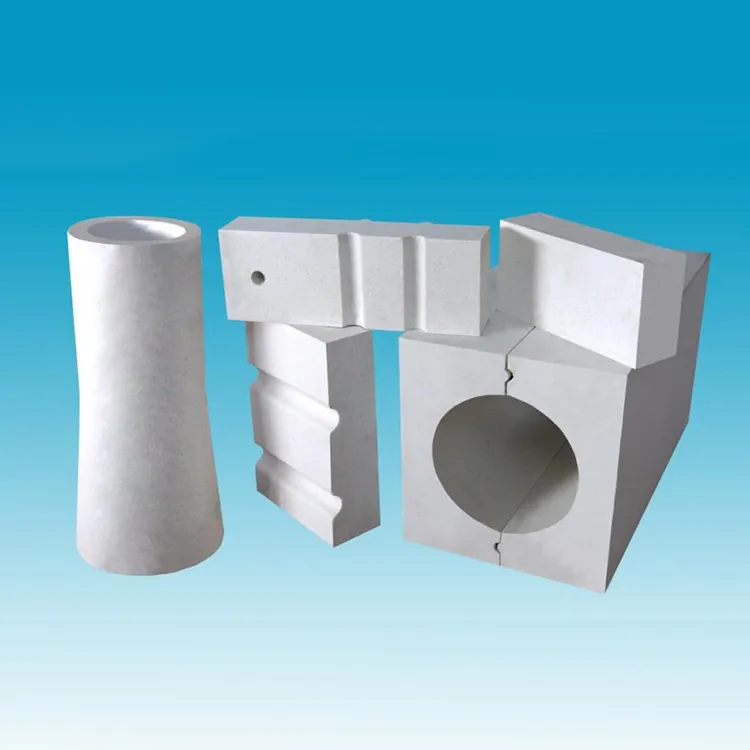
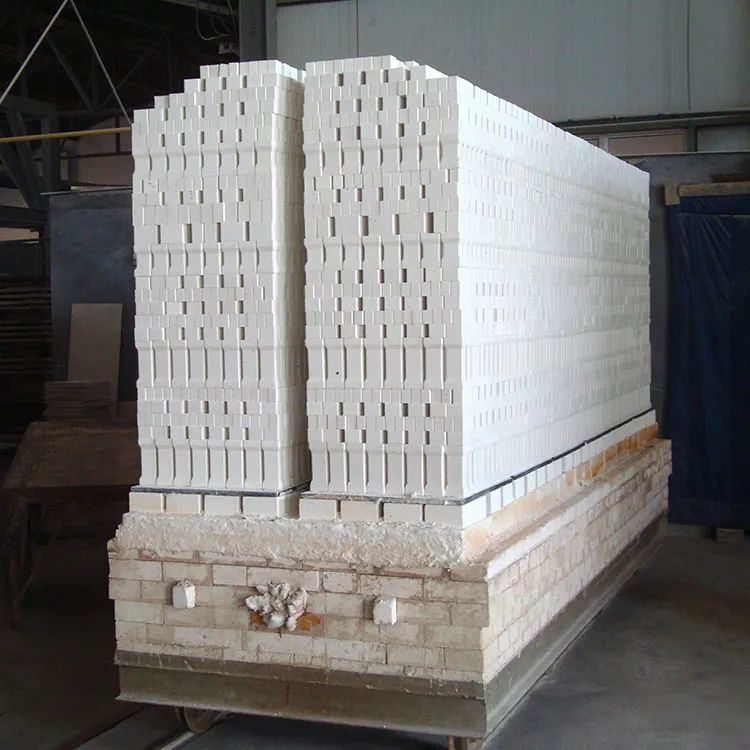
In high-temperature industrial environments, refractory materials serve as the first line of defense against extreme heat, chemical attack, and mechanical abrasion. For industries such as steelmaking, coking, and petrochemical processing, the performance of refractory bricks directly impacts operational efficiency, maintenance costs, and overall productivity. Recent advancements in material science have led to the development of next-generation refractory solutions that address the critical performance bottlenecks faced by engineers and maintenance professionals worldwide.
"In steelmaking operations, refractory failure accounts for approximately 23% of unplanned downtime, resulting in average losses of $150,000 to $300,000 per hour of production stoppage." — Steel Industry Technical Journal, 2023
At the core of modern refractory performance optimization lies the strategic combination of high-purity fused mullite, andalusite, and ultrafine silicon carbide. This synergistic material blend creates a multiphase microstructure that delivers exceptional mechanical strength and thermal stability—two critical factors in harsh industrial environments.
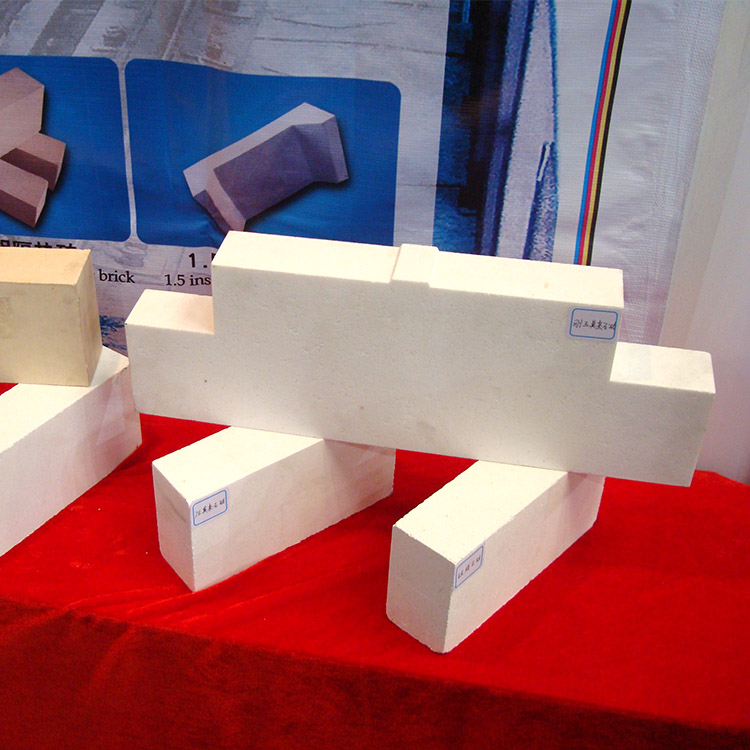
Fused mullite (3Al₂O₃·2SiO₂) provides the backbone of structural integrity with its high melting point (approximately 1850°C) and low thermal expansion coefficient. When combined with andalusite, which undergoes controlled volume expansion during heating, the material develops microcracks that effectively absorb thermal stress. The addition of ultrafine silicon carbide (SiC) particles—typically 1-5 microns in diameter—further enhances wear resistance by creating hard phases within the matrix that resist abrasion from moving materials and gas flow.
The practical benefits of these advanced refractory materials become most apparent in specific industrial scenarios where traditional bricks fail prematurely. Take coke oven charging areas, for example, where temperatures exceed 1200°C and materials undergo constant mechanical impact and chemical attack from alkalis and carbonaceous deposits.
| Application | Traditional Refractory Lifespan | Advanced Composite Lifespan | Improvement |
|---|---|---|---|
| Coke Oven Charging Chutes | 3-4 months | 9-12 months | 150-200% |
| Steel Ladle Linings | 50-60 heats | 85-95 heats | 40-58% |
| Petrochemical Reactor Linings | 18-24 months | 36-42 months | 50-75% |
In熄焦溜槽 applications, where hot coke at 1000°C+ is rapidly quenched with water, thermal shock resistance becomes paramount. The multiphase microstructure developed by Sunrise refractory solutions demonstrates exceptional resistance to thermal cycling, withstanding over 1000 thermal shock cycles without catastrophic failure—a 300% improvement over conventional alumina-silica refractories.
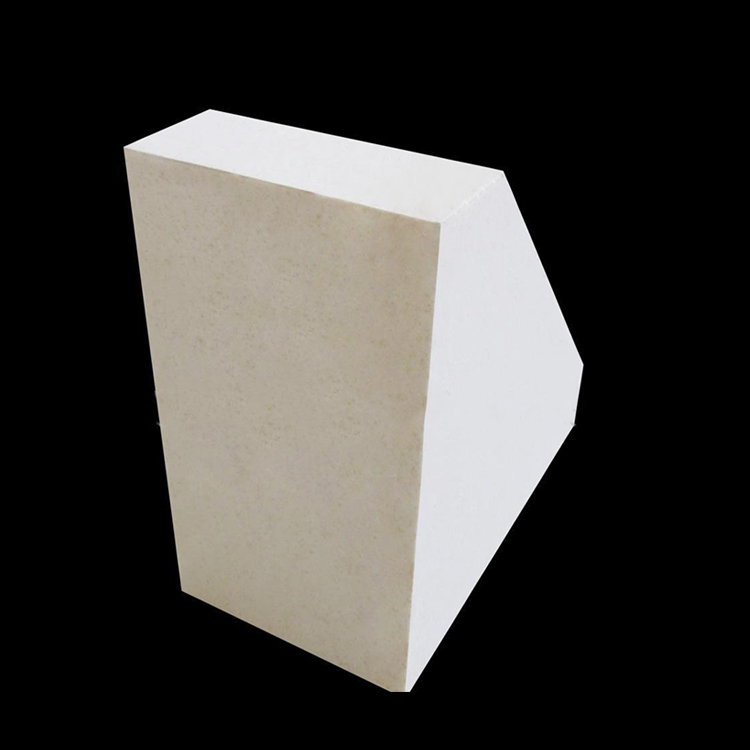
The reliability of advanced refractory materials depends not only on innovative material design but also on rigorous quality control processes. Leading manufacturers implement ISO 18869-compliant production systems that ensure batch-to-batch consistency and performance predictability.
ISO 18869 Compliance Requirements:
Non-destructive testing methods, including ultrasonic inspection and X-ray fluorescence analysis, further ensure material integrity before installation. These quality assurance protocols have enabled Sunrise refractory solutions to achieve a 98.7% on-specification delivery rate across global installations.
The real measure of refractory performance lies in actual industrial applications. At a major steel mill in Germany, the implementation of mullite-SiC composite bricks in the electric arc furnace sidewalls resulted in a 40% reduction in maintenance downtime and a 27% decrease in refractory consumption. Similarly, a coking plant in China reported extending chute lining life from 4 months to over a year after switching to advanced andalusite-reinforced refractories.
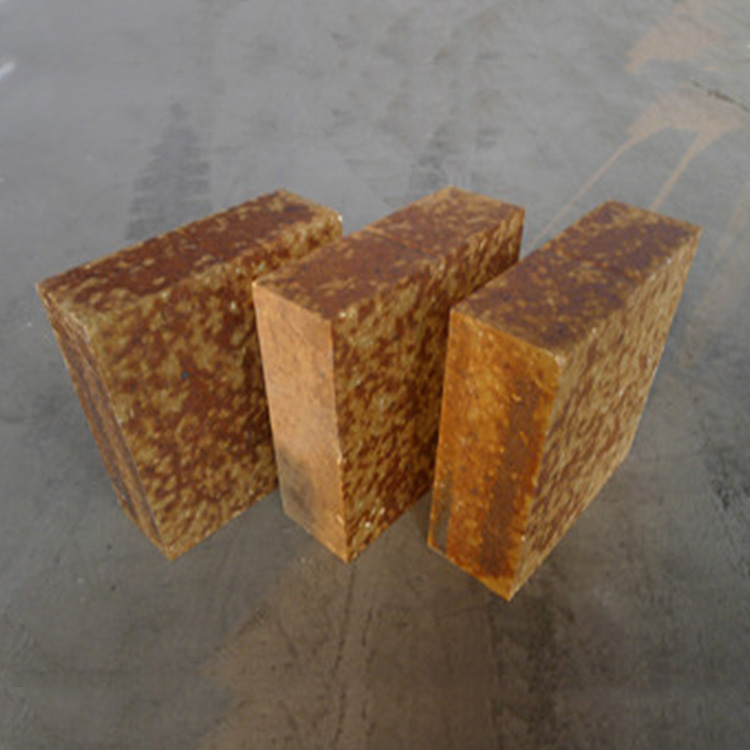
In the petrochemical sector, a refinery in Texas upgraded to high-purity mullite refractories in their catalytic reformer units, resulting in a 35% extension of run length between turnarounds and an estimated annual savings of $1.2 million in maintenance costs and production losses.
Discover how Sunrise advanced refractory solutions are helping industrial facilities worldwide reduce downtime, lower maintenance costs, and improve operational efficiency.
Download the Industrial Refractory Performance GuideAs industries face increasing pressure to improve sustainability and reduce carbon footprint, the role of high-performance refractories becomes even more critical. By extending equipment lifespan and reducing maintenance requirements, advanced refractory materials contribute to resource conservation and energy efficiency. The development of next-generation materials continues to push the boundaries of what's possible, with ongoing research into nanocomposite reinforcements and smart refractory systems that can self-monitor performance in real-time.
For engineering and maintenance professionals tasked with optimizing high-temperature processes, staying informed about these material advancements is key to making strategic decisions that impact bottom-line performance. The integration of scientific principles with practical application knowledge ultimately determines the success of any refractory installation, ensuring reliable operation even under the most extreme industrial conditions.