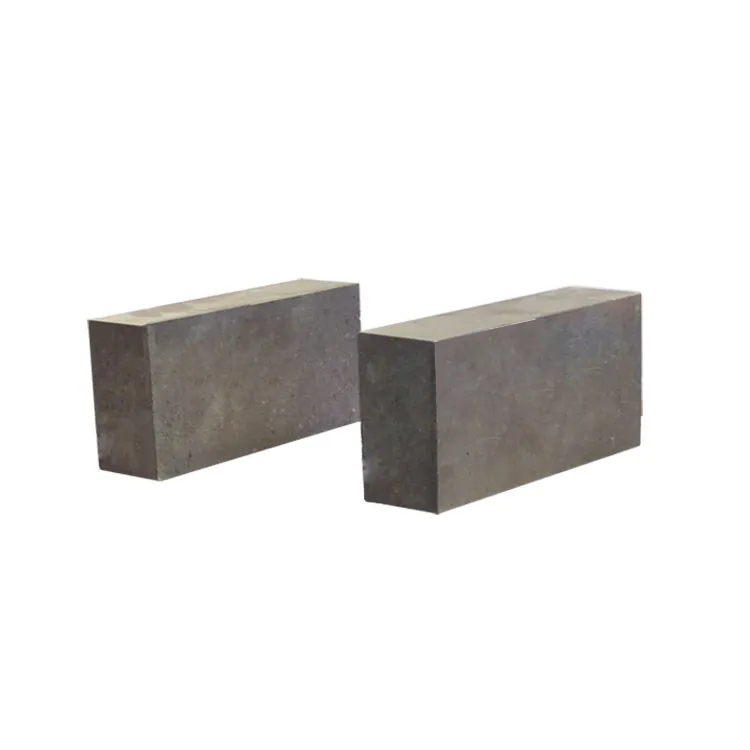
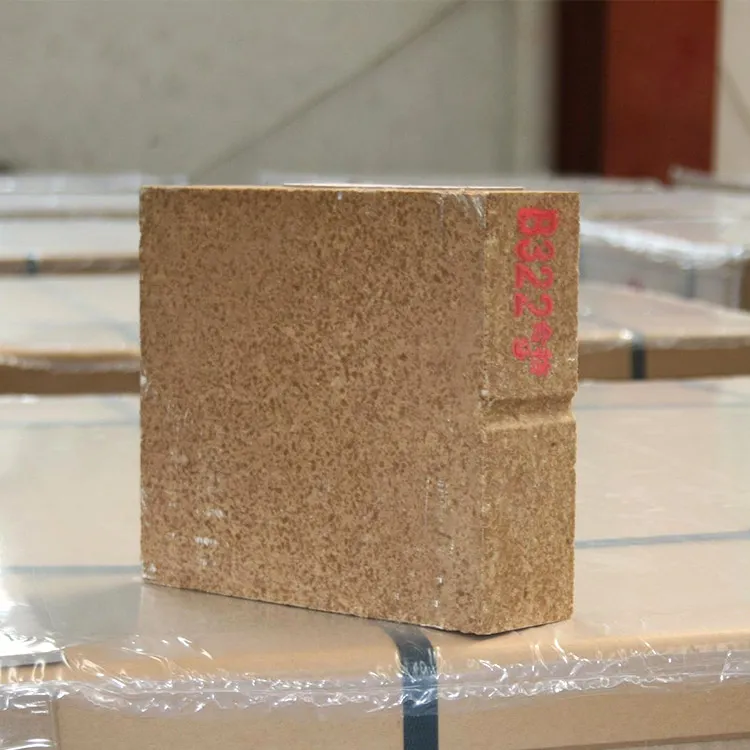
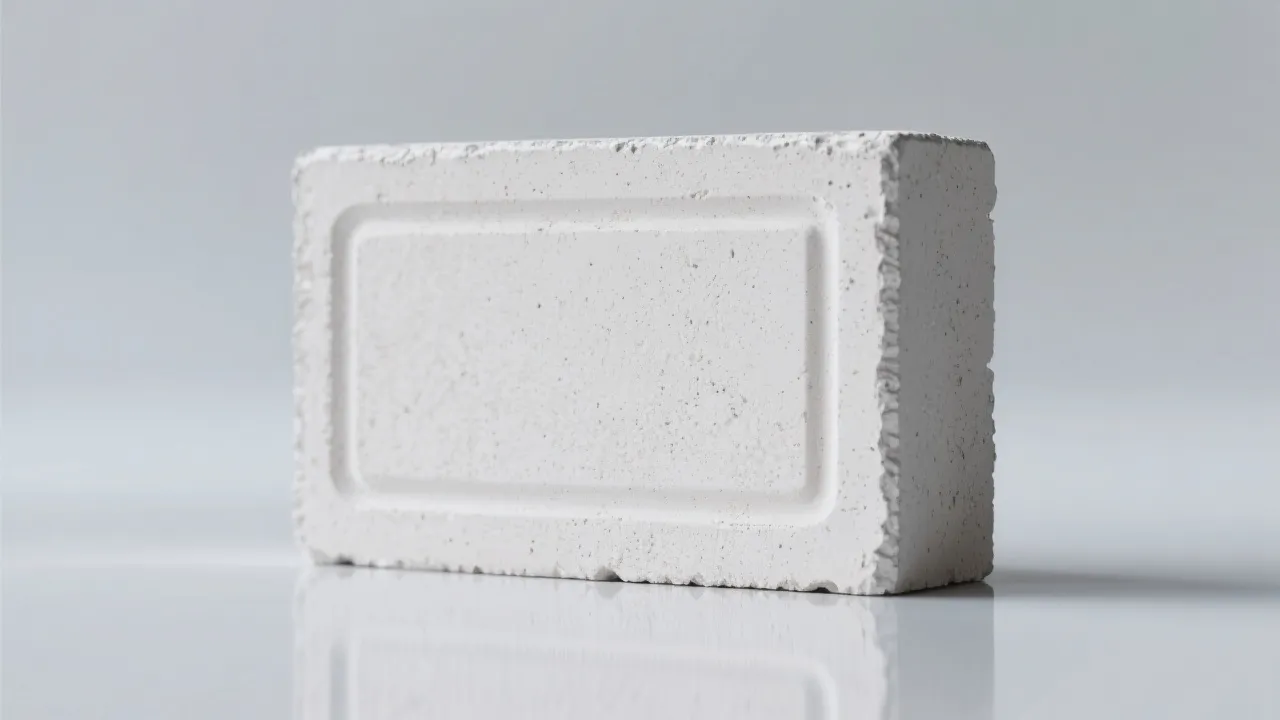
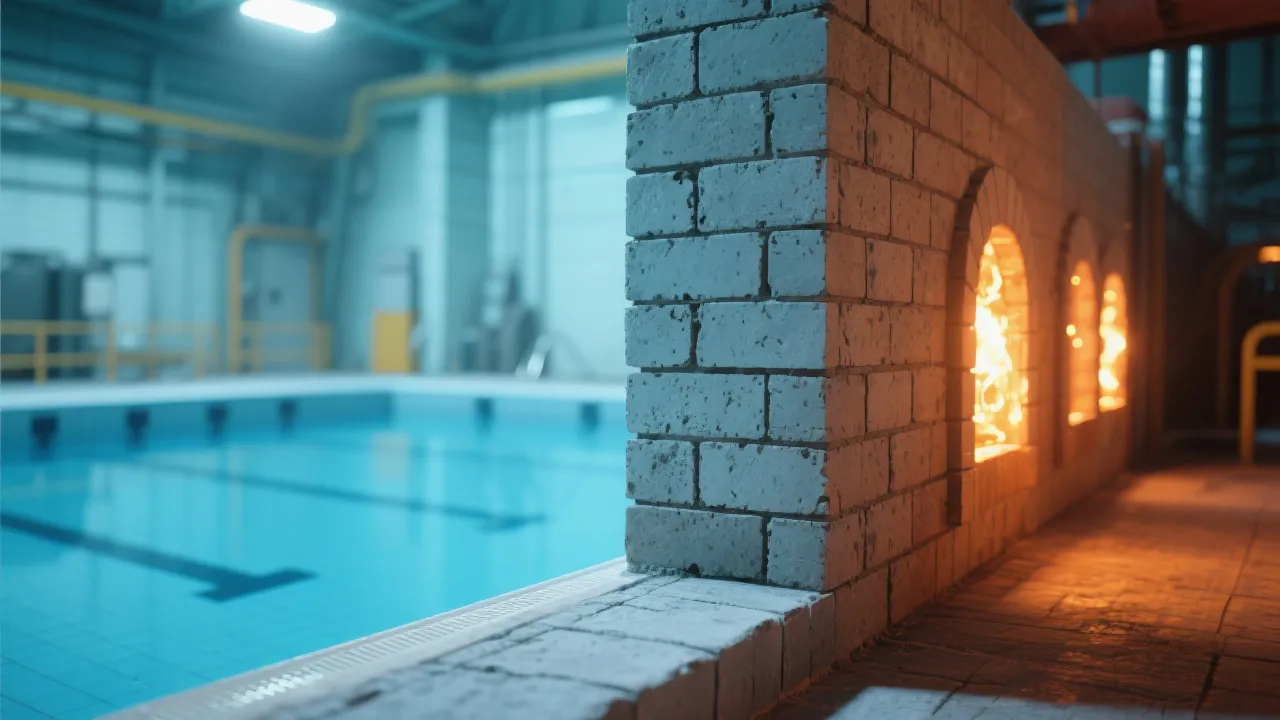
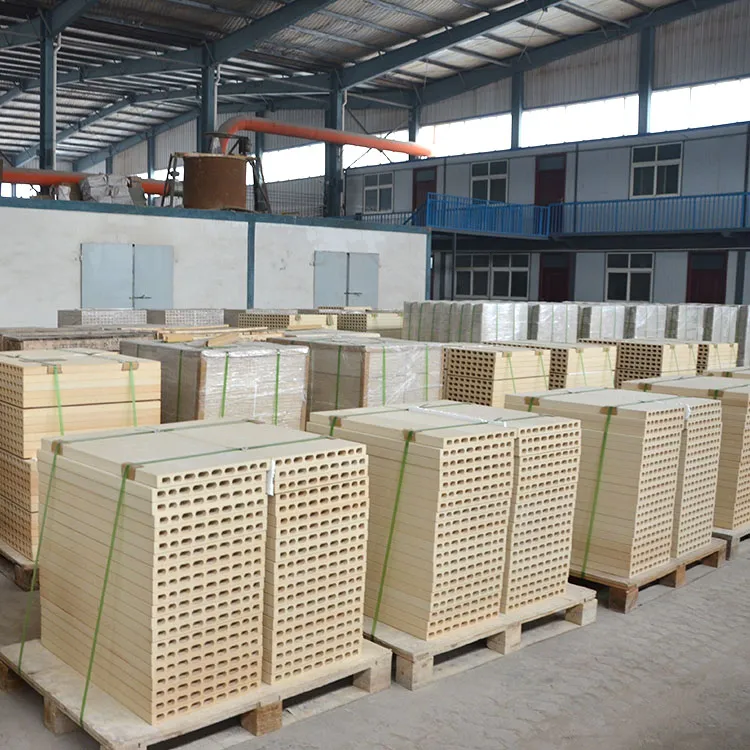
As an industrial furnace maintenance professional, you understand the critical role that high - alumina dense wear - resistant clay bricks play in the efficient operation of high - temperature industrial kilns. These bricks, with an alumina content ranging from 30% to 46% and a refractoriness of 1580 - 1770°C, are widely used in various industrial applications.
Their excellent wear resistance and high - temperature stability make them suitable for environments where there is intense heat and mechanical abrasion, such as in steelmaking, cement production, and glass manufacturing.
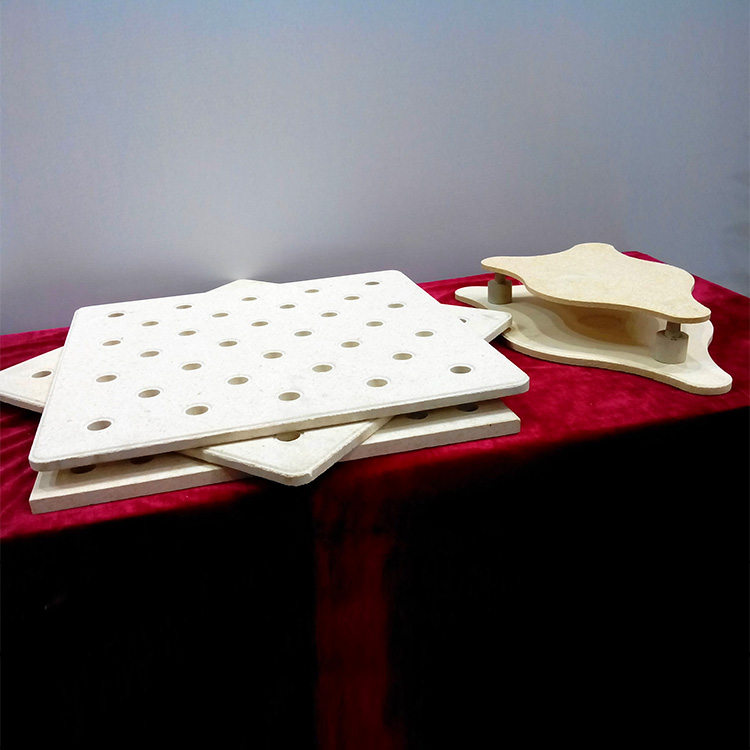
During the installation phase, it's crucial to ensure that the alumina content of the bricks matches the specific requirements of your kiln. A mismatch can lead to premature wear and reduced efficiency. For example, in a high - temperature steel - making kiln, a higher alumina content (closer to 46%) may be required to withstand the extreme heat.
You also need to consider the temperature range of your kiln. The bricks should be able to operate within the specific temperature intervals of your process. Moreover, proper layout of the bricks is essential. A well - planned layout can distribute the heat and mechanical stress evenly, reducing the risk of localized wear.
Regular daily inspections are vital for detecting physical wear of the bricks. Visual observation is the first step. Look for signs of surface cracks, chipping, or spalling. These can indicate that the bricks are starting to break down.
Using measuring tools such as calipers to measure the thickness of the bricks can provide quantitative data on wear. A reduction in thickness over time can be a clear sign of physical abrasion. Thermal imaging is another effective method. It can detect hot spots on the bricks, which may indicate areas of increased wear or potential damage.
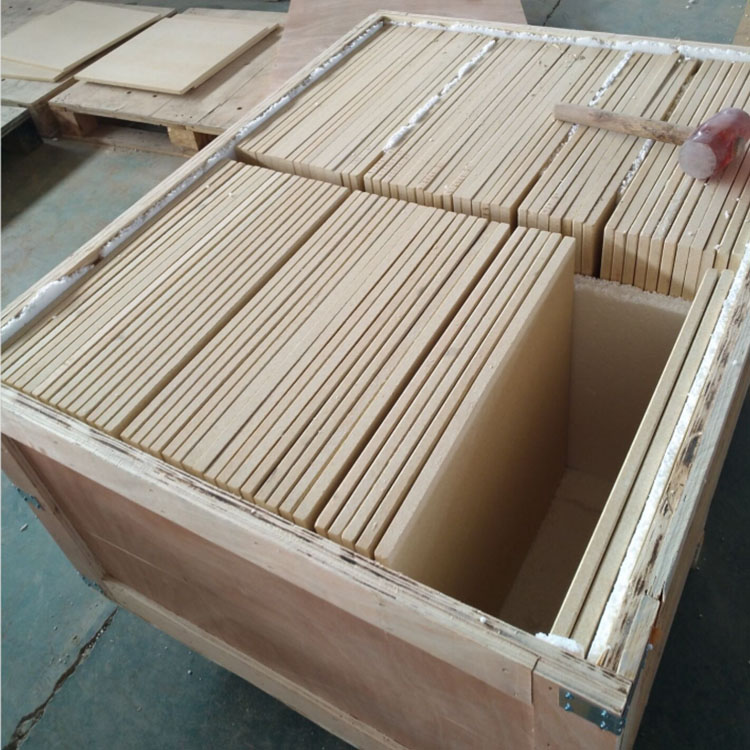
Chemical corrosion is another significant threat to the lifespan of high - alumina dense wear - resistant clay bricks. Common types of chemical corrosion include alkaline erosion and acidic reactions. Alkaline substances in the kiln environment can react with the bricks, causing them to deteriorate.
To detect chemical corrosion, you should establish specific detection indicators and frequencies. For example, you can measure the pH value of the kiln atmosphere regularly. If the pH value shows a significant deviation from the normal range, it may indicate the presence of chemical corrosion.
| Corrosion Type | Detection Indicator | Detection Frequency |
|---|---|---|
| Alkaline Erosion | pH value of kiln atmosphere | Once a week |
| Acidic Reaction | Concentration of acidic gases | Once every two weeks |
Let's look at some real - world examples. In a cement production plant, by implementing a regular inspection and maintenance program for high - alumina dense wear - resistant clay bricks, the plant was able to reduce the number of unplanned shutdowns by 30%. This not only saved on repair costs but also increased the overall production efficiency.
In a steel - making facility, proper maintenance of the bricks led to a 20% increase in the lifespan of the kiln lining, resulting in significant cost savings on replacement bricks.
To ensure the long - term performance of your high - alumina dense wear - resistant clay bricks, it's essential to establish a standardized inspection and maintenance process. This includes regular visual inspections, thickness measurements, and chemical corrosion monitoring.
Documenting all inspection results and maintenance activities can help you track the condition of the bricks over time and make more informed decisions. By implementing a long - term maintenance mechanism, you can extend the lifespan of the bricks, reduce downtime, and improve the overall efficiency of your industrial kiln.
If you're looking to optimize the maintenance of your high - alumina dense wear - resistant clay bricks and ensure the smooth operation of your industrial kiln, click here to get a customized detection plan and professional technical support.