Selecting the right refractory material is a critical decision that directly impacts industrial furnace performance, safety, and operational costs. In high-temperature environments where temperatures can exceed 1600°C and chemical conditions vary dramatically, silicon carbide refractories have emerged as a preferred solution for demanding applications. This comprehensive guide explores how to match silicon carbide brick properties with specific furnace types, temperature ranges, and atmospheric conditions to optimize your industrial furnace operations.
Industrial furnaces create some of the most extreme environments on earth, with operating conditions that vary widely across different industries. Understanding these conditions is the first step in selecting appropriate silicon carbide refractories.
Key Temperature Ranges by Industry
Equally important to temperature is the furnace atmosphere, which can be highly reactive and significantly impact refractory life. Acidic atmospheres containing sulfur oxides or chlorine can rapidly degrade traditional refractories, while alkaline conditions with sodium or potassium oxides present different challenges. Oxidizing environments accelerate material degradation through oxidation reactions, while reducing atmospheres can cause carbidation or metal penetration.
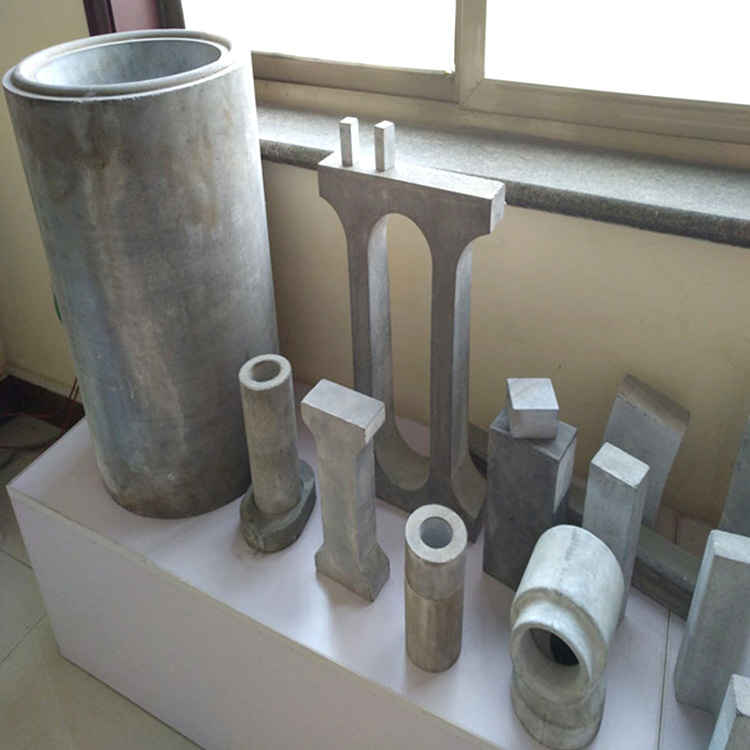
Silicon carbide (SiC) refractories offer exceptional chemical stability across a wide range of industrial environments, but their performance characteristics vary significantly based on their bonding system and manufacturing process. Understanding these differences is crucial for optimal material selection.
In acidic environments common in chemical processing and waste incineration, silicon carbide exhibits remarkable resistance due to its stable Si-O bonds formed during oxidation. This natural protective layer prevents further chemical attack, even when exposed to sulfuric or hydrochloric acid vapors at temperatures up to 1300°C. Field data from chemical plants shows silicon carbide refractories lasting 3-5 times longer than traditional alumina-silica refractories in similar acidic conditions.
Alkaline environments present greater challenges, as sodium and potassium oxides can react with silicon carbide to form low-melting-point silicates. However, recent innovations in silicon carbide formulations have improved performance in these conditions, with specialized grades now achieving service lives of 12-18 months in alkaline slag environments where conventional materials fail within 3-6 months.
"The key to maximizing silicon carbide refractory life is matching the material's chemical resistance profile to the specific furnace atmosphere. In one steel mill application, simply switching from a clay-bonded to a nitride-bonded silicon carbide brick reduced maintenance costs by 47% and extended campaign life from 6 months to over 14 months." — Dr. James Wilson, Refractory Materials Specialist, Industrial Materials Research Institute
Silicon carbide's behavior in oxidizing versus reducing atmospheres represents one of its most significant performance differentiators. In oxidizing conditions, SiC forms a protective silica layer that inhibits further oxidation up to approximately 1600°C. However, in reducing environments lacking oxygen, this protective layer cannot form, increasing vulnerability to carbon monoxide and other reactive gases.
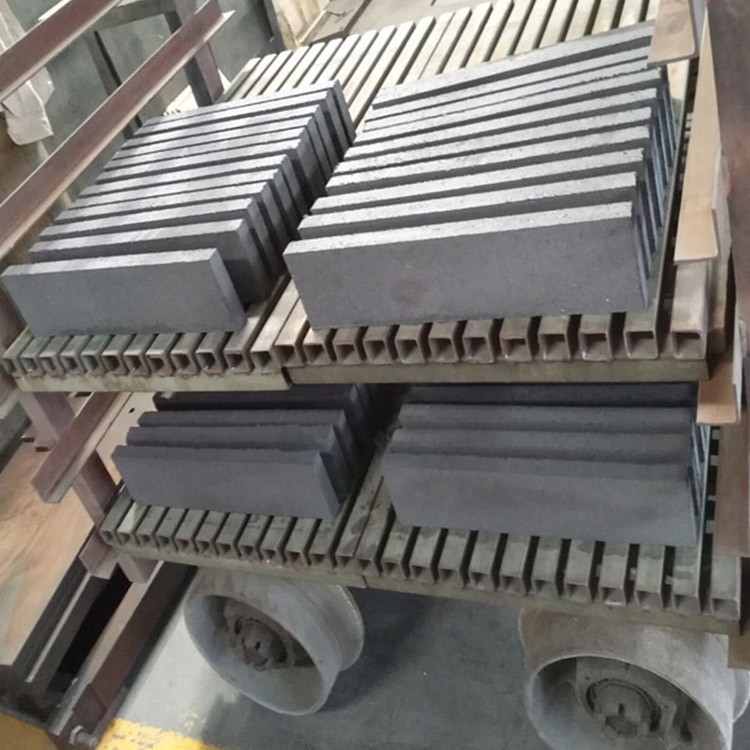
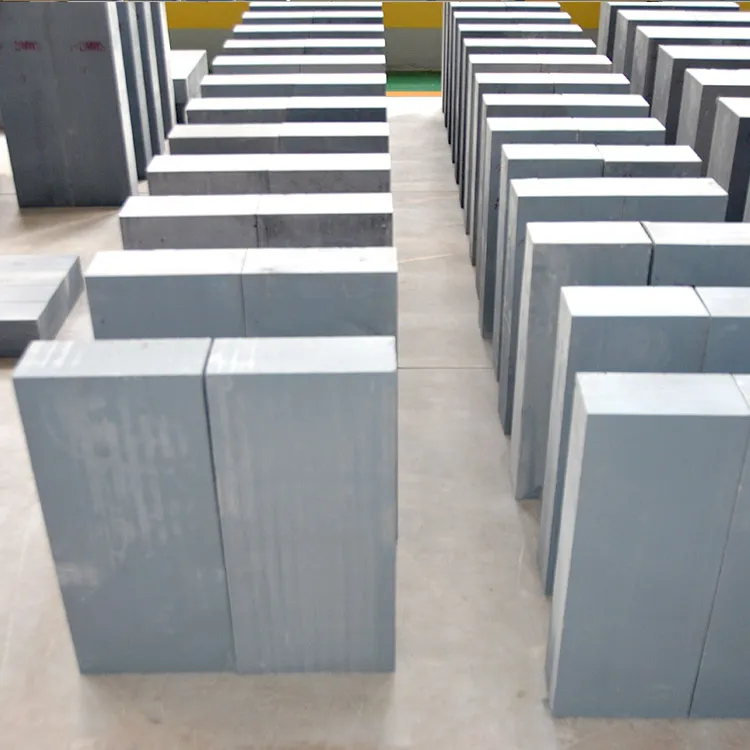
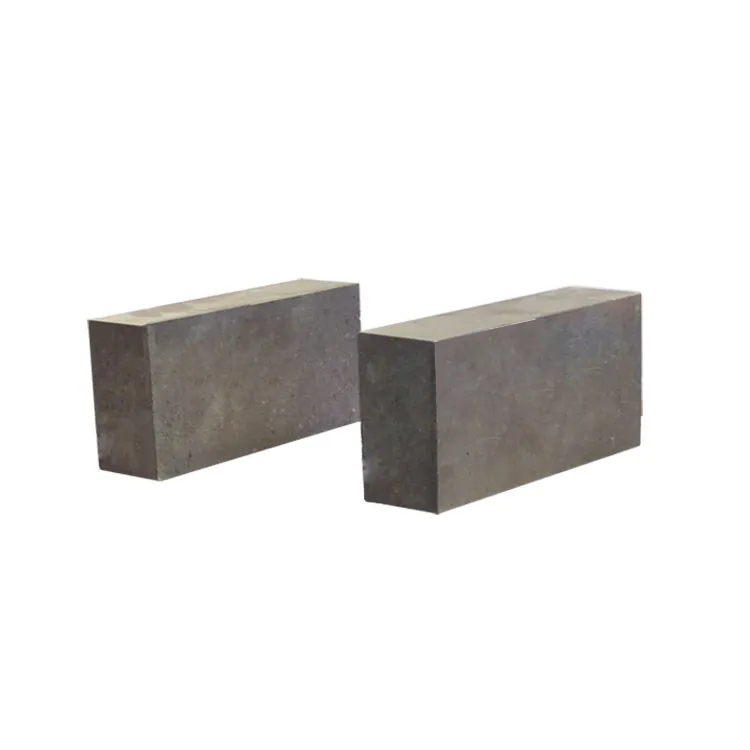
Among the various silicon carbide refractory formulations, nitride-bonded silicon carbide has emerged as the premium solution for high-performance applications. This advanced material offers a unique combination of properties that address the most challenging furnace conditions.
| Property | Clay-Bonded SiC | Nitride-Bonded SiC (Sunrise) | Performance Improvement |
|---|---|---|---|
| Thermal Conductivity (W/m·K) | 30-45 | 60-85 | +70-90% |
| Coefficient of Thermal Expansion (10⁻⁶/°C) | 4.5-5.5 | 3.5-4.0 | -20-27% |
| Cold Crushing Strength (MPa) | 200-250 | 300-380 | +30-52% |
| Thermal Shock Resistance (cycles) | 50-80 | 150-200 | +112-150% |
The exceptional thermal conductivity of nitride-bonded silicon carbide promotes more uniform temperature distribution within furnace linings, reducing hot spots and thermal gradients that cause thermal shock failure. This property is particularly valuable in cyclic operation furnaces where rapid temperature changes are common.
Lower thermal expansion coefficients minimize internal stresses during temperature fluctuations, while higher mechanical strength resists physical damage from thermal cycling and mechanical abrasion. Together, these properties translate to significantly longer service life and reduced maintenance requirements.
While temperature and atmosphere are primary considerations, successful refractory selection requires a holistic approach that accounts for furnace design, operational practices, and maintenance protocols. A comprehensive selection process should incorporate the following elements:
炉体结构设计直接影响耐火材料的受力状态和热分布。在设计有复杂几何形状或存在明显热应力集中的区域,如炉门、观察孔和物料入口,应选用具有优异抗热震性的氮化硅结合碳化硅砖。这些高应力区域通常是炉衬最先失效的部位,占所有早期损毁案例的63%以上。
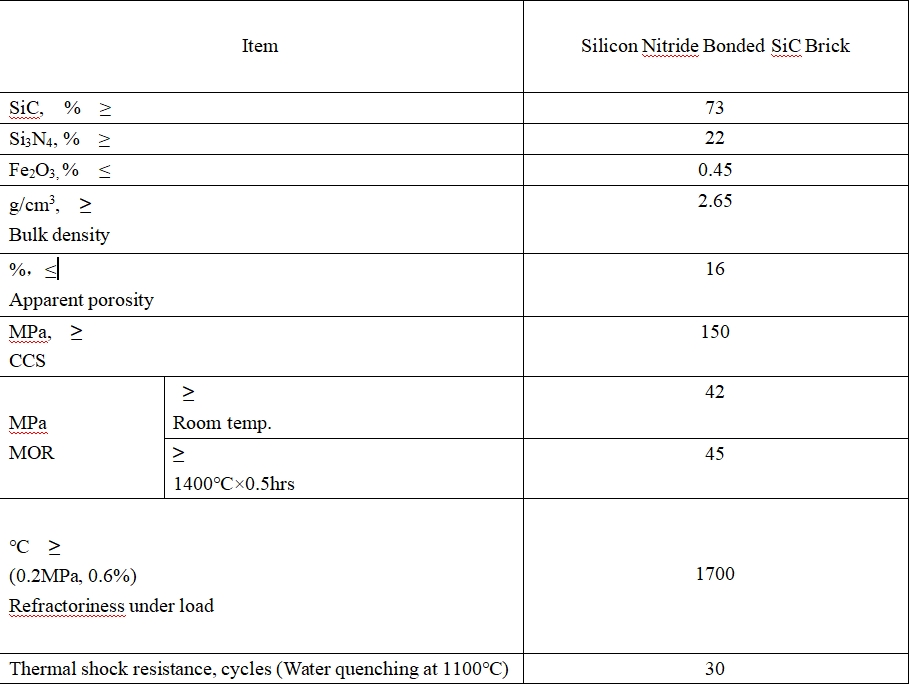
操作制度的稳定性对耐火材料寿命有显著影响。频繁的温度波动、超过设计参数的峰值温度以及不规律的开停炉操作都会加速耐火材料的退化。在一项针对12家钢铁企业的研究中,实施严格温度控制程序的企业其氮化硅结合碳化硅衬里寿命平均延长了37%。
维护周期和方法也应纳入选材决策。对于难以接近进行频繁维护的区域,应选择具有更长预期寿命的高级材料,即使初始成本较高。Sunrise提供的技术支持服务可以帮助企业制定基于实际运行数据的维护计划,优化耐火材料更换周期,最大限度减少非计划停机时间。
虽然优质氮化硅结合碳化硅砖的初始成本通常高于传统耐火材料,但全生命周期成本分析几乎总是证明其投资价值。一家大型垃圾焚烧发电厂的案例显示,使用Sunrise氮化硅结合碳化硅砖替代传统高铝砖,虽然初始投资增加了40%,但因减少停机时间和延长更换周期,总体拥有成本在18个月内实现了盈亏平衡,3年周期内节省总成本达230万美元。
Not sure which silicon carbide refractory is right for your specific furnace application? Our team of materials engineers can help you conduct a comprehensive assessment of your operating conditions and recommend the optimal solution.
Get Your Personalized Refractory AssessmentDespite advances in refractory technology, improper material selection remains a common issue in industrial furnace operations. These mistakes often stem from overemphasizing initial cost or failing to consider all operating parameters, leading to premature failure and significant financial consequences.
Perhaps the most frequent error is selecting refractories based solely on temperature rating without adequate consideration of chemical atmosphere. In one petrochemical plant, standard silicon carbide bricks were installed in a hydrogen reformer, resulting in catastrophic failure within 8 weeks due to hydrogen embrittlement. The correct approach would have been specifying a nitride-bonded silicon carbide with enhanced resistance to reducing environments.
Another common issue is neglecting to account for thermal expansion differences between adjacent refractory materials. This oversight can lead to joint failures, cracking, and ultimately, furnace leaks. Proper material selection involves ensuring compatible expansion rates throughout the furnace lining system, particularly at transition zones between different temperature regions.
By avoiding these common pitfalls and following a systematic selection process that considers all relevant operating parameters, industrial operators can maximize furnace availability, reduce maintenance costs, and improve overall operational efficiency. With its advanced nitride-bonded silicon carbide technology, Sunrise offers tailored solutions that address the most challenging furnace environments across diverse industries.