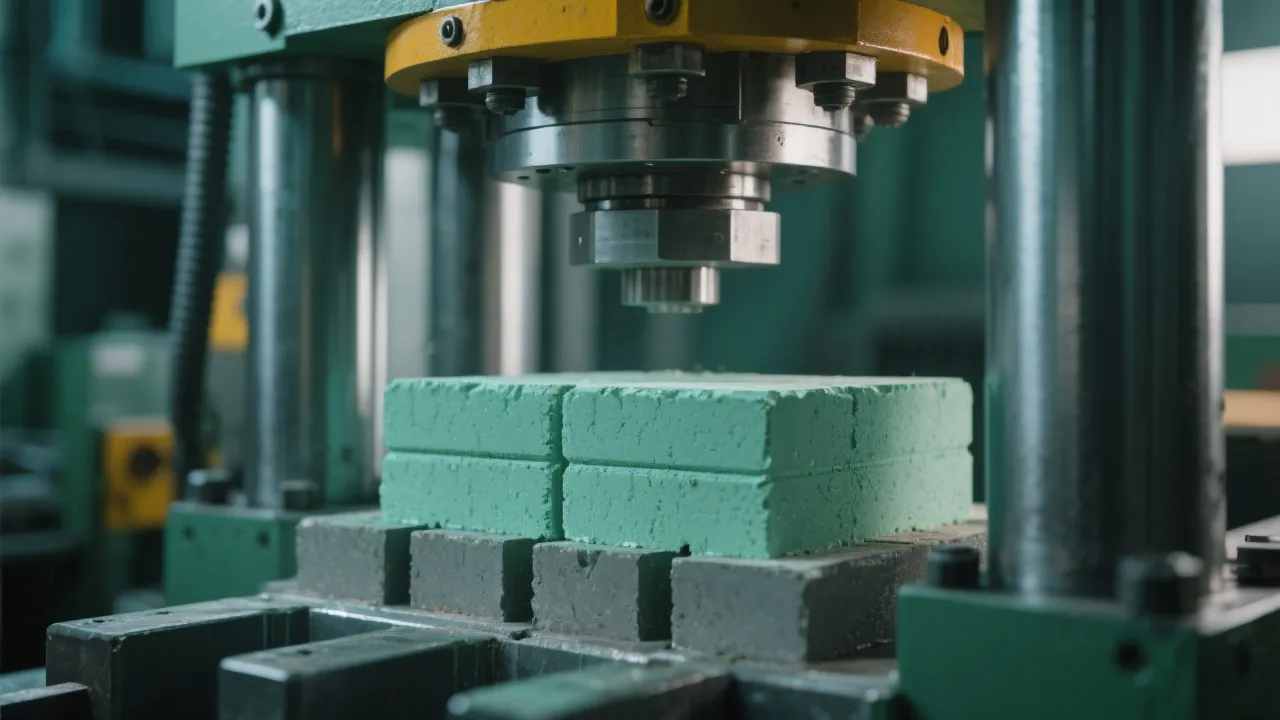
You’ve probably seen it: a dry quenching coking oven suddenly develops cracks during cooldown — not after years of operation, but within weeks or even days. This isn’t just bad luck. It’s often the result of misjudging refractory material performance under thermal shock.
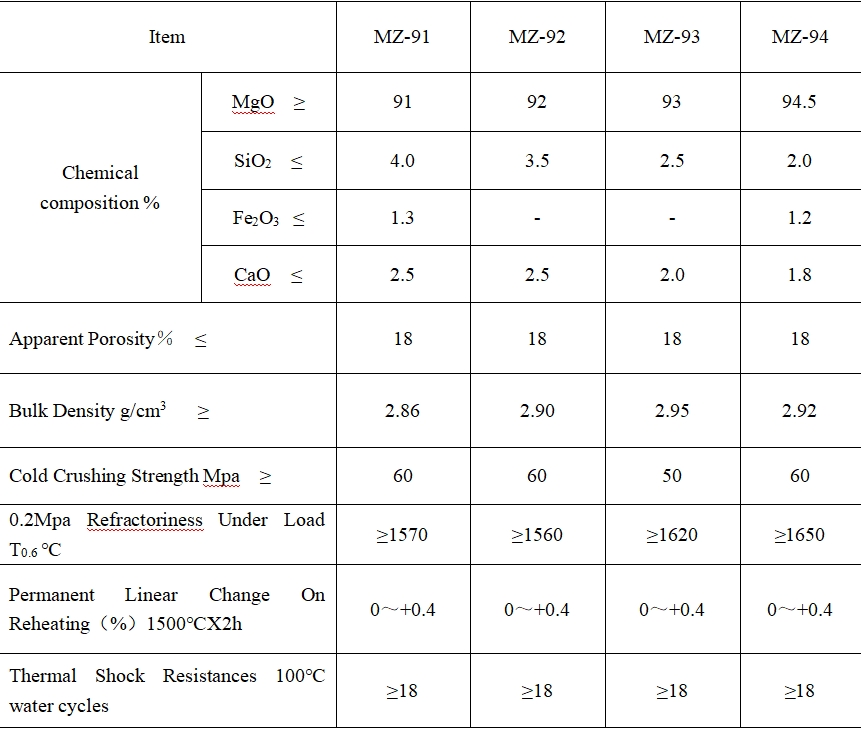
Most engineers still rely on traditional metrics like load-bearing softening temperature (typically >1700°C for high-alumina mullite bricks) — but that alone doesn’t tell the full story. In real-world conditions, where temperature swings can exceed 850°C in minutes, materials fail fast if they lack true thermal shock resistance.
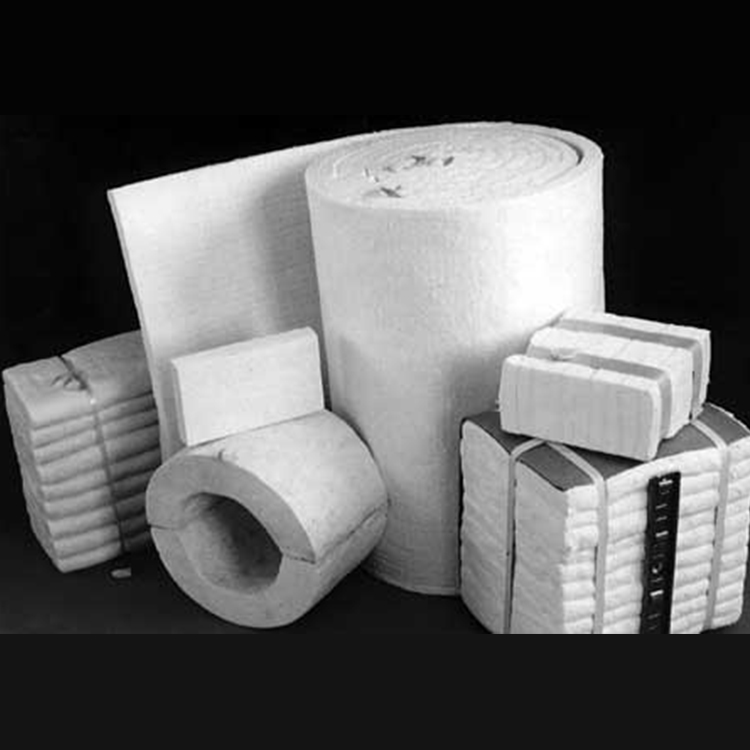
Yes, lab tests like the ISO 18892 ΔT=850°C water-cooling method are useful — but only when paired with field data. One steel plant reported that their previous refractory lining showed no visible damage after 10 cycles in the lab... yet developed surface spalling within 3 months of actual operation. Why?
“We used to think load-bearing softening was enough. Now we know — if you don’t measure crack propagation rate and heat flux variation, you’re flying blind.”
— Zhang Wei, Senior Refractory Engineer, Baoshan Iron & Steel
That’s where infrared thermography comes in. With a handheld thermal imager, you can detect hotspots — areas where heat builds up faster than expected — long before visible damage appears. These early signs indicate localized stress accumulation, which leads to micro-cracking and eventual failure.
If your team is still reacting to failures — rather than preventing them — consider this: one client implemented an infrared inspection routine every two weeks. They caught a hotspot pattern developing in Zone B of their furnace. By replacing only 3% of the lining proactively, they avoided a forced shutdown that would have cost over $250K in lost production.
The key? Use tools like thermal imaging to map temperature gradients across the entire inner shell. Combine that with periodic ultrasonic thickness checks and visual inspections. You’ll shift from firefighting to planning — and extend lining life by 30–50%, according to industry benchmarks.
A major Chinese steel mill switched from standard high-alumina bricks to a specially formulated mullite-based solution. After six months of continuous operation, they recorded zero incidents of cracking or spalling — even during rapid cooldowns. Their maintenance team now uses infrared scans monthly instead of quarterly.

Want to see how infrared diagnostics can help your facility avoid costly surprises? Download our free “Thermal Shock Assessment Guide for Dry Quenching Ovens” — a practical PDF with checklists, real case studies, and step-by-step instructions for setting up your own monitoring protocol.