
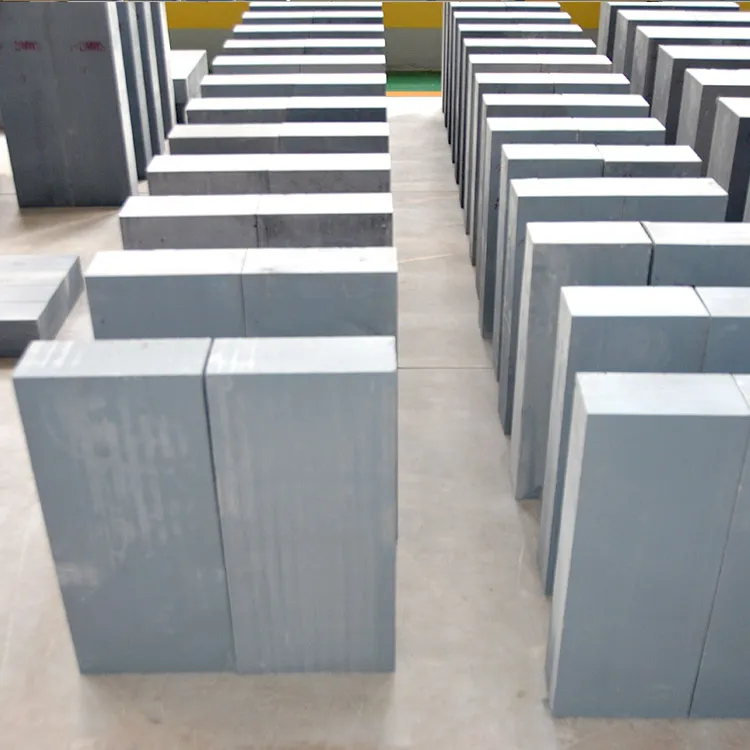
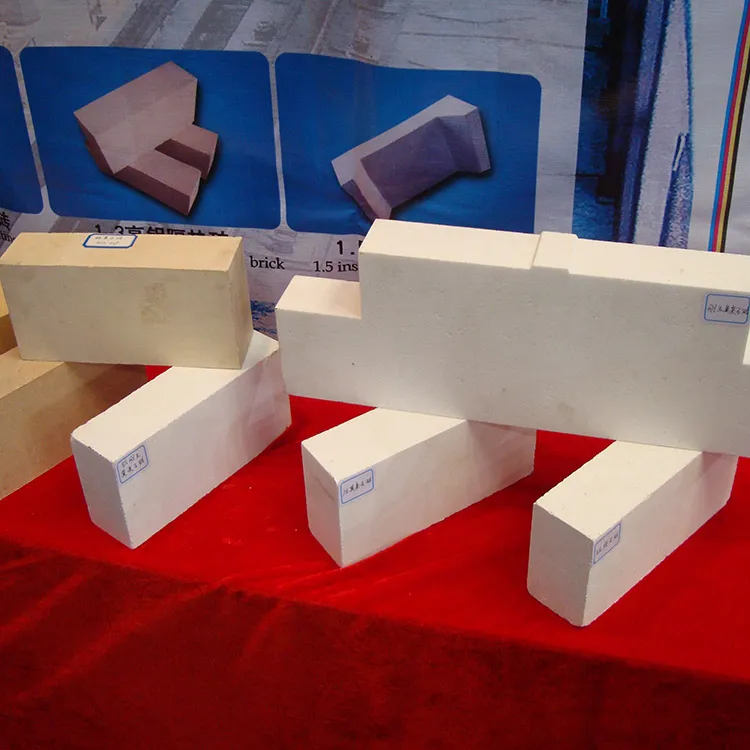
In the industrial domain of dry quench coke ovens, ensuring the durability and integrity of high-alumina mullite refractory bricks is paramount. These bricks undergo extreme thermal cycles, where rapid cooling and heating can lead to severe thermal shock damage, jeopardizing equipment safety and operational continuity. This article sheds light on a comprehensive methodology for assessing the thermal shock resistance of refractory materials, backed by laboratory data and on-site infrared thermography insights from frontline engineers.
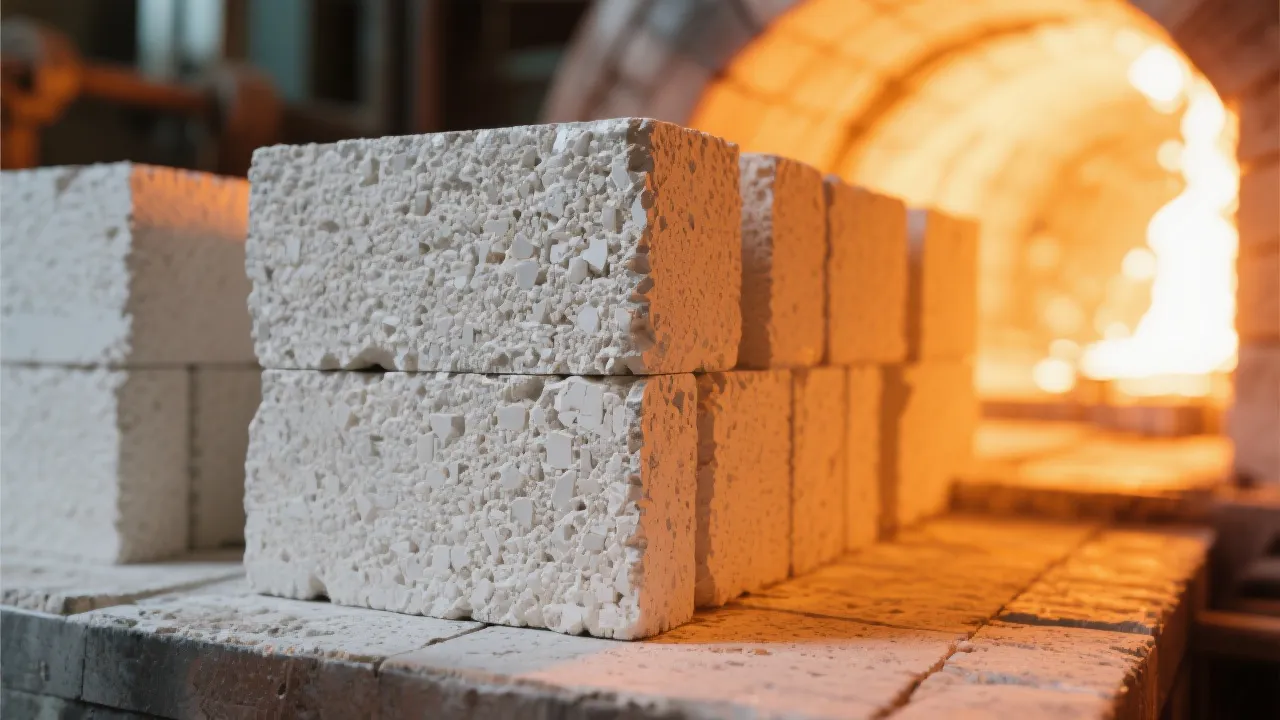
Standardized evaluation of refractory bricks focuses on their ability to withstand rapid temperature drops without cracking or spalling. Water quenching tests simulating a ΔT of 850°C remain the benchmark for measuring anti-thermal shock stability. In controlled experiments, bricks are heated to approximately 1300°C and then rapidly cooled in water, revealing the initiation and propagation of cracks under severe temperature gradients. Quantitative metrics including crack length extension and spalled surface area percentage provide objective criteria for grading material performance.
For instance, high-performance high-alumina mullite bricks show less than 5% spalled area after five quenching cycles, whereas lower grade materials may exceed 15%, correlating strongly with in-situ degradation rates. This data-driven approach enables engineers to discern suitable materials for operational environments characterized by aggressive thermal cycling.
While laboratory tests offer foundational benchmarks, on-site diagnostics are essential for actionable maintenance. One frontline strategy involves using infrared (IR) thermal imaging to identify localized overheating on refractory surfaces—an early indicator of thermal shock vulnerabilities. By capturing thermal maps during furnace operation, engineers can detect anomalies significantly hotter than baseline brick temperatures.
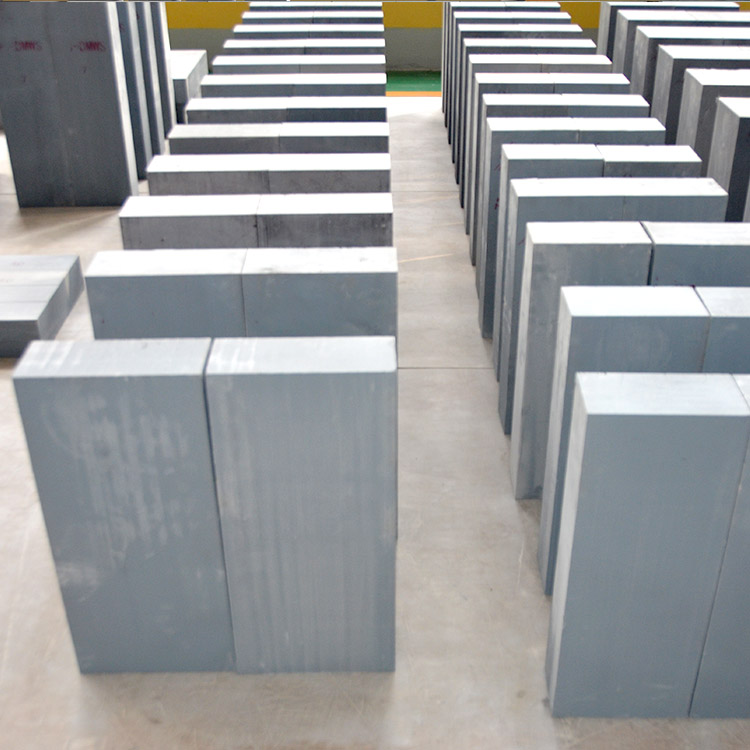
These hotspots correspond to zones at higher risk of cracking or spalling, often invisible to the naked eye. Proactive identification enables targeted cooling interventions or material replacement before catastrophic failures occur, aligning with predictive maintenance paradigms to extend furnace lifespan.
A frequent misstep in refractory selection is over-reliance on certifying standards without cross-validating real-world thermal shock performance. Some certified bricks may excel in compressive strength yet falter in rapid cooling scenarios typical of dry quenching. Incorporating multispectral data—laboratory quenching results combined with thermal imaging feedback—mitigates this risk by fostering an integrated evaluation framework.
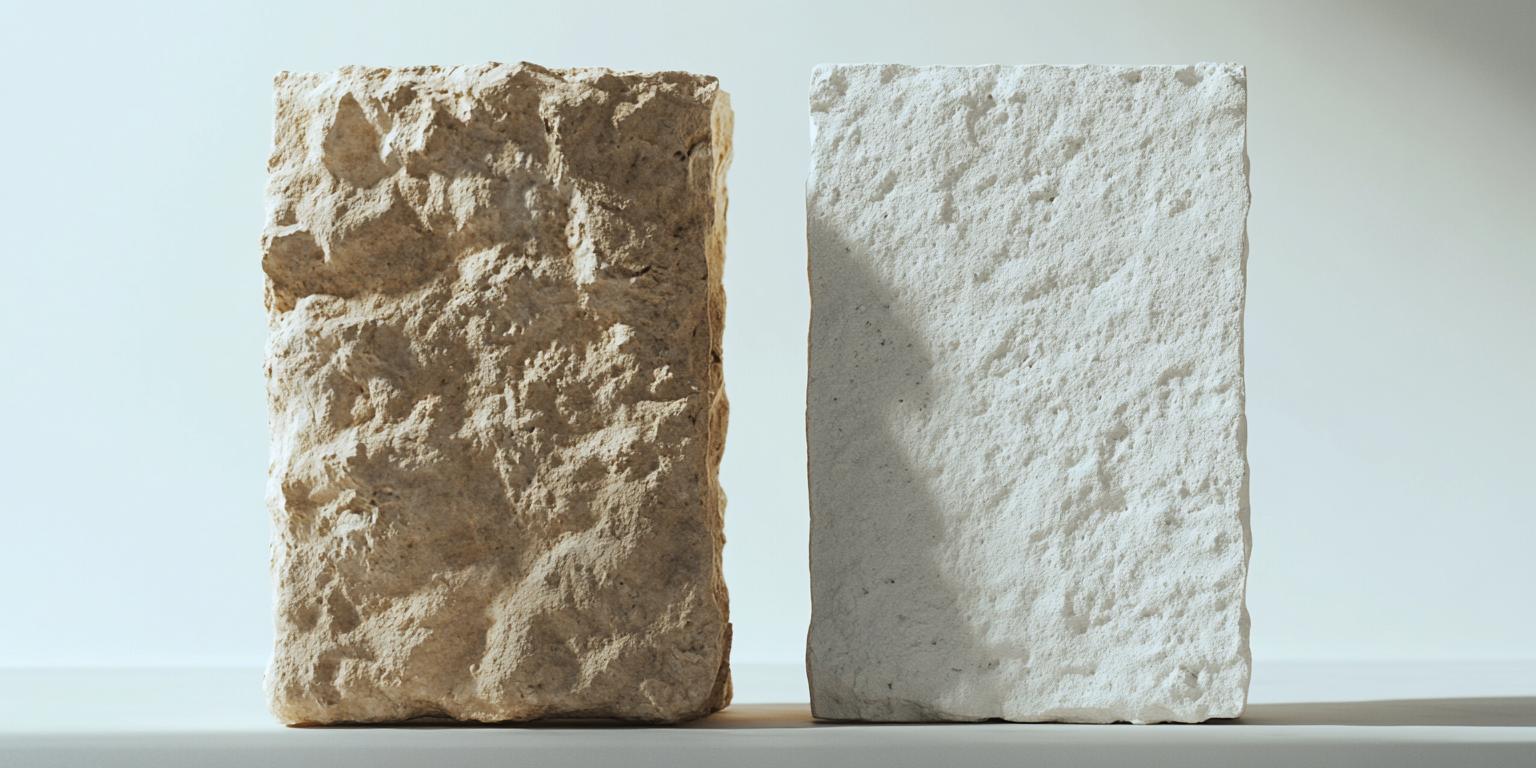
This rigorous, science-driven approach empowers maintenance teams to make informed decisions, reducing downtime and operational hazards associated with sudden material failures.
Recognizing the varied expertise levels among plant operators and engineers, effective communication of these findings is paramount. Deploying content in multiple formats—including technical whitepapers, concise tutorial videos on infrared thermography application, and visual comparison infographics—maximizes reach and comprehension. This diversity encourages interactive learning and feedback, cultivating a knowledgeable user community focused on maintenance excellence.
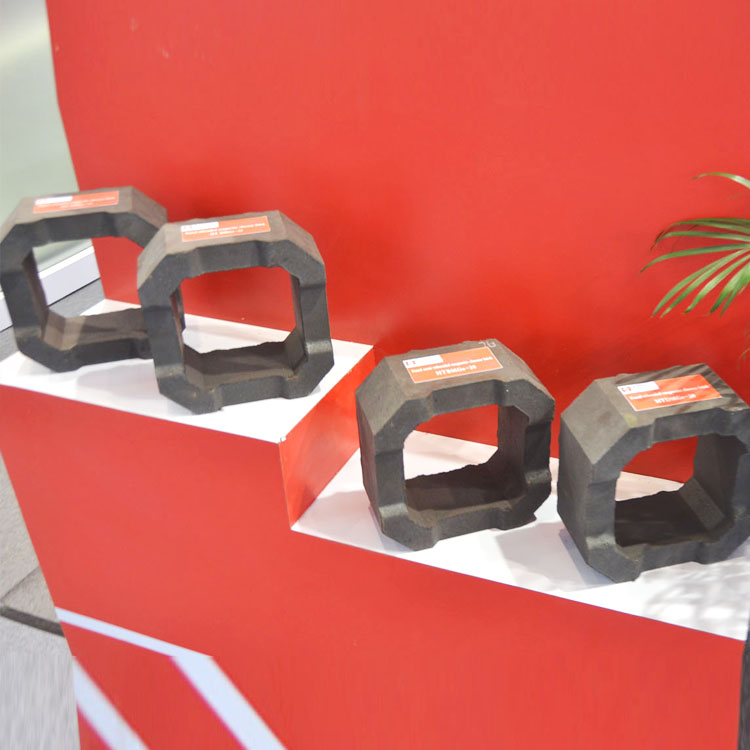
Facilitating user engagement through dedicated comment sections and expert Q&A further contributes to ongoing refinement of refractory selection and maintenance strategies.







.jpg?x-oss-process=image/resize,h_1000,m_lfit/format,webp)