

In the coke dry quenching (CDQ) system, extreme temperature differentials pose significant challenges to the thermal shock resistance of refractory bricks. This situation creates bottlenecks for users in terms of selection and maintenance. The large temperature variations can lead to cracks and spalling in the refractory bricks, affecting the overall safety and stability of the equipment.
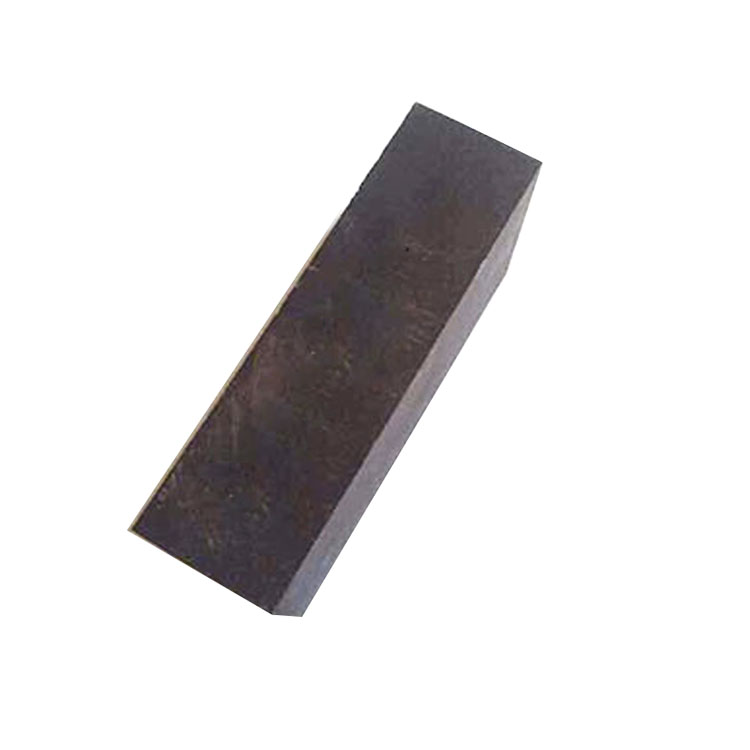
To evaluate the thermal shock resistance of refractory bricks, laboratory standard testing methods play a crucial role. One such method is the ΔT = 850°C water - cooling test. The principle behind this test is to subject the refractory brick samples to a rapid temperature change from a high temperature to water - cooled conditions. By repeating this process multiple times, we can observe the changes in the bricks, such as crack initiation and propagation. This test provides a scientific basis for evaluating the thermal shock performance of materials. For example, after 10 cycles of the ΔT = 850°C water - cooling test, a high - quality refractory brick may show only minor surface cracks, while a lower - quality one may have significant cracks or even breakage.
In addition to laboratory tests, field service data is equally important. By collecting data on crack propagation rates and spalling areas of refractory bricks in actual operation, we can accurately understand their real - world performance. For instance, if the crack propagation rate of a certain type of refractory brick in a dry quenching system is found to be 0.5 mm per month on average, and the spalling area increases by 5% every six months, this data can help us predict the service life of the bricks and plan for timely replacements. This emphasizes the importance of on - site monitoring in ensuring the long - term stable operation of the CDQ system.

There are common misjudgments in the selection of refractory bricks. Some users may only consider the refractoriness under load temperature and ignore the thermal shock resistance index. This can lead to the selection of bricks that are not suitable for the high - temperature and rapid - temperature - change environment of the CDQ system. In fact, a brick with a high refractoriness under load temperature may not necessarily have good thermal shock resistance. Therefore, it is essential to comprehensively evaluate the performance of refractory bricks to avoid wrong selections.
Front - line engineers have accumulated a wealth of practical experience. One of the useful techniques is the use of infrared thermal imaging to identify local overheating and early thermal shock damage. Infrared thermal imaging can detect temperature differences on the surface of refractory bricks, allowing us to identify areas with potential problems at an early stage. For example, if an area on the surface of a refractory brick shows a significantly higher temperature than its surroundings, it may indicate early thermal shock damage. By adopting this proactive maintenance approach, we can transform from passive repairs to active maintenance, ensuring the safe and stable operation of the equipment.
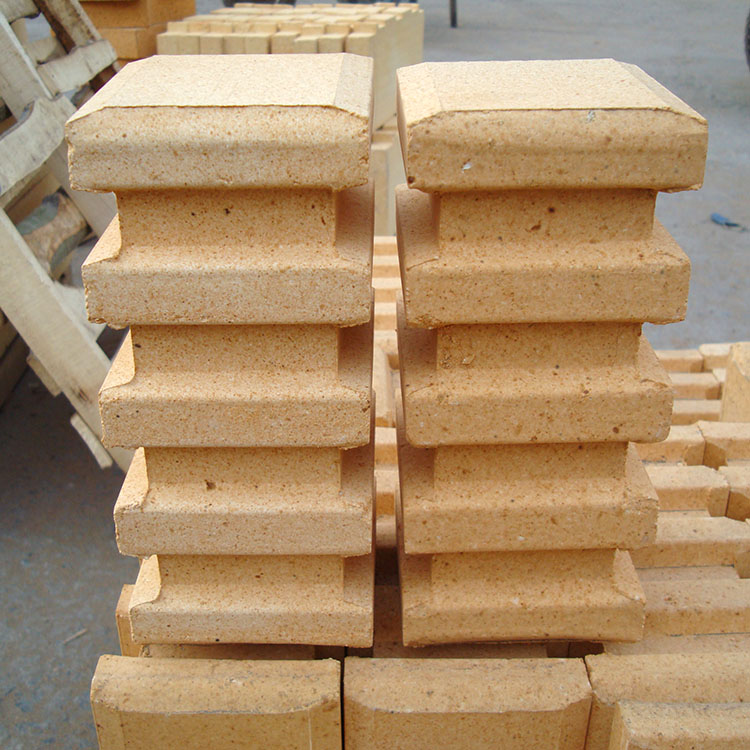
To better disseminate this knowledge, various content forms can be used, such as technical whitepapers, short - video tutorials, and graphic comparisons. These forms can provide users with a more intuitive and in - depth understanding of refractory brick selection and maintenance. Additionally, through actual case reviews, we can further enhance the practicality and persuasiveness of the content. To promote user interaction and potential customer conversion, we can set up interactive Q&A sections and provide free material downloads. For example, users can download a free PDF of The Practical Manual for Testing the Thermal Shock Resistance of Coke Dry Quenching Refractory Bricks to gain more in - depth knowledge.
Are you struggling with the selection and maintenance of refractory bricks for your dry quenching system? Get the Practical Manual for Testing the Thermal Shock Resistance of Coke Dry Quenching Refractory Bricks for free by clicking here. This manual will provide you with detailed technical guidance and practical experience to help you make scientific selections and proactive maintenance decisions.







.jpg?x-oss-process=image/resize,h_1000,m_lfit/format,webp)
