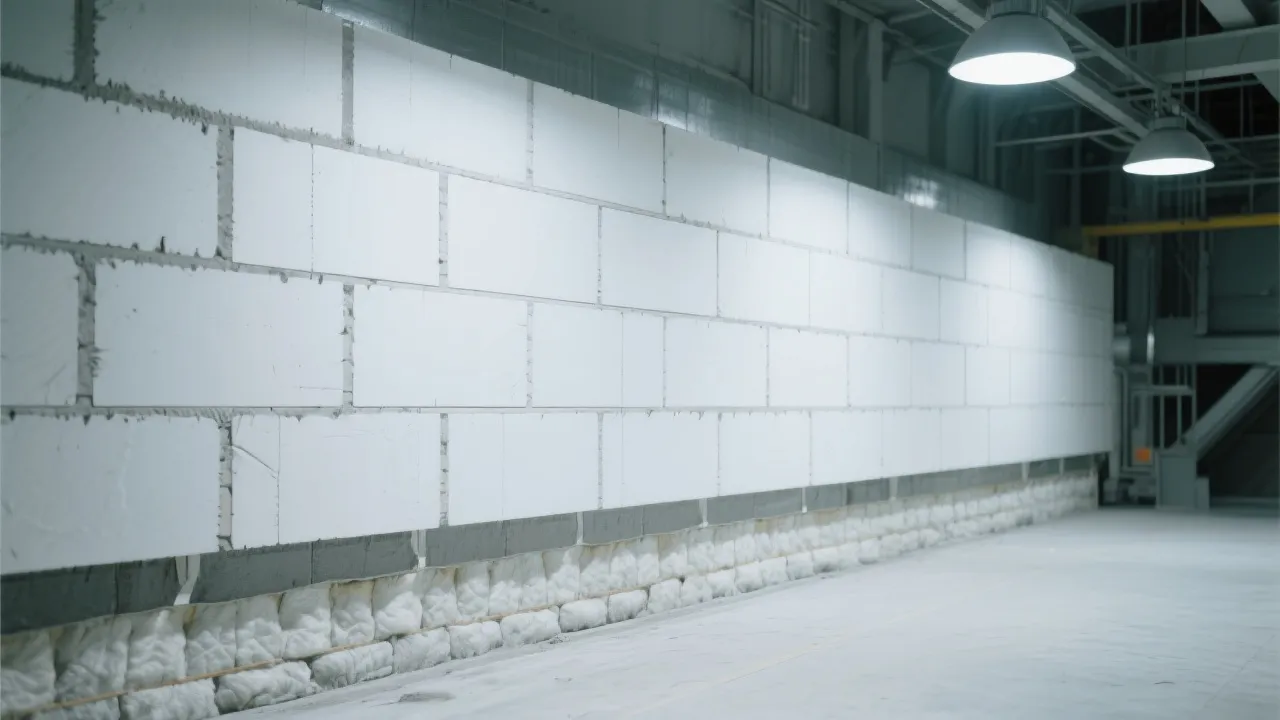
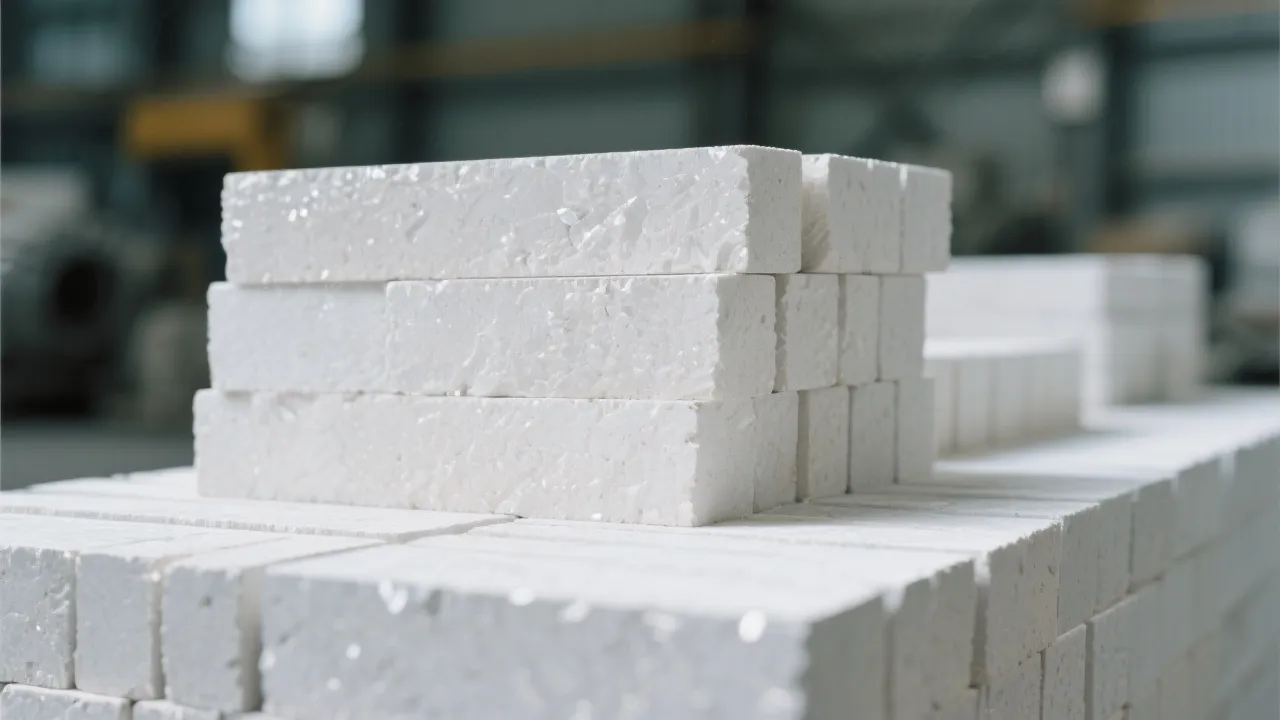
In the steel industry, the dry quenching system of steel mills is a crucial process. However, the thermal shock failure of refractory bricks in this system has become a significant headache for many metallurgical companies. For example, a well - known steel mill once suffered a non - planned shutdown due to the thermal shock failure of refractory bricks in its dry quenching system. This shutdown lasted for about 10 days, resulting in an economic loss of approximately $500,000, including production losses and repair costs. Such cases highlight the urgent need to improve the thermal shock resistance of refractory bricks.
The ratio of mullite to corundum in high - alumina mullite refractory bricks plays a vital role in determining the material's performance. According to industry research from the International Refractory Association, when the ratio of mullite to corundum is around 3:2, the refractory brick shows excellent thermal shock resistance. In this ratio, the mullite provides good thermal stability, while the corundum enhances the mechanical strength of the material. Figure 1 shows the relationship between different mullite - corundum ratios and the thermal shock resistance index.
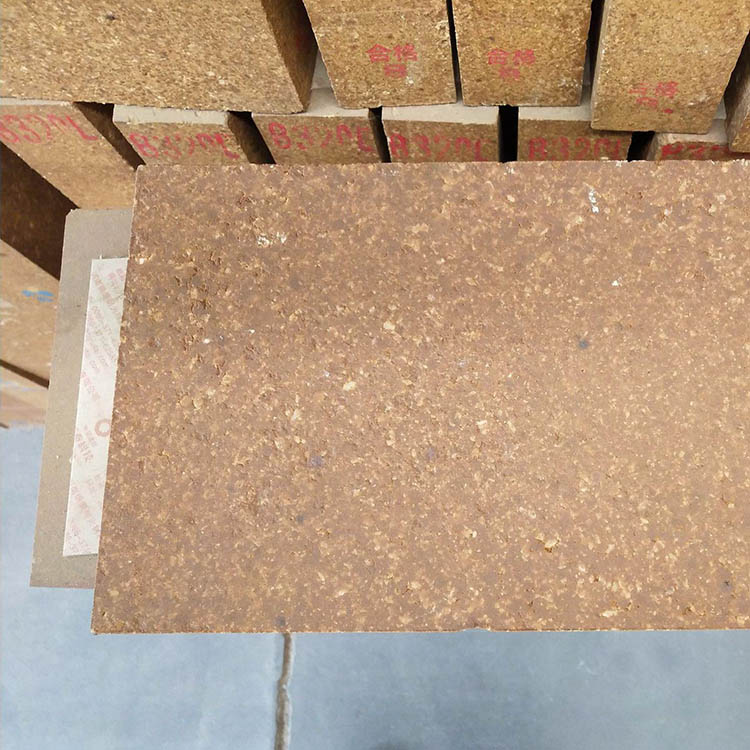
The pore distribution and grain boundary strength are two key factors in the thermal shock resistance of refractory bricks. Pores can act as buffers for thermal stress. A study by a leading refractory research institute indicates that when the average pore size is between 10 - 20 micrometers and the porosity is around 15 - 20%, the refractory brick can effectively absorb thermal stress. Regarding grain boundary strength, optimizing the grain boundary structure can significantly improve the material's ability to resist crack propagation. Figure 2 illustrates the ideal pore distribution and grain boundary structure for high - thermal - shock - resistant refractory bricks.
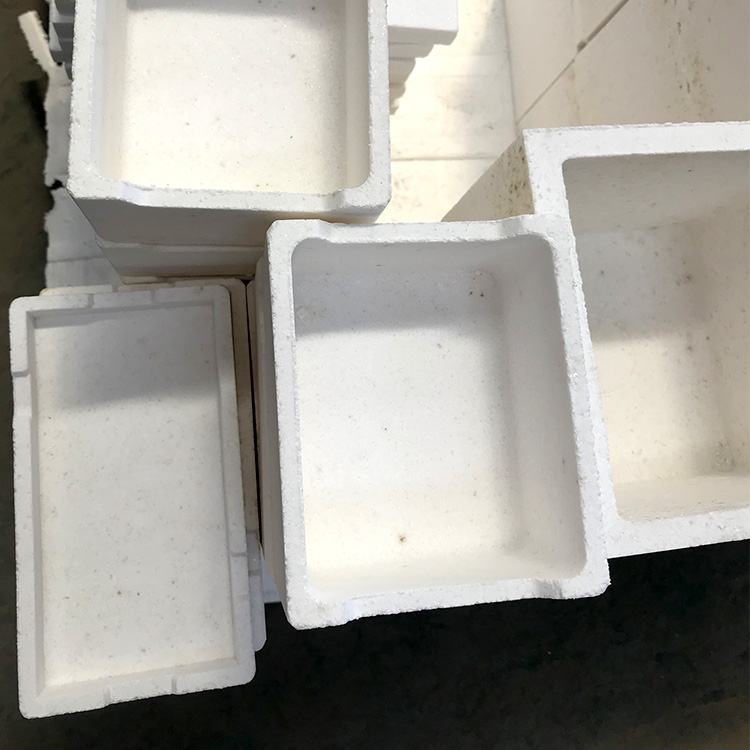
The sintering process is crucial for the structural stability of refractory bricks. Temperature gradient and holding time are two important parameters. A temperature gradient of 5 - 10°C per minute during the heating process and a holding time of 2 - 3 hours at the peak temperature can ensure a stable material structure. Research from a well - known metallurgical laboratory shows that improper temperature gradient and holding time can lead to internal stress and structural defects in the refractory bricks, reducing their thermal shock resistance.
The thermal cycle frequency in the service environment has a significant impact on the performance degradation of refractory bricks. A high thermal cycle frequency can cause fatigue damage to the material. For example, in a steel mill with a high - frequency thermal cycle (more than 10 cycles per day), the service life of the refractory bricks may be reduced by about 30% compared to a low - frequency thermal cycle environment (less than 5 cycles per day). Figure 3 shows the relationship between thermal cycle frequency and the performance degradation rate of refractory bricks.
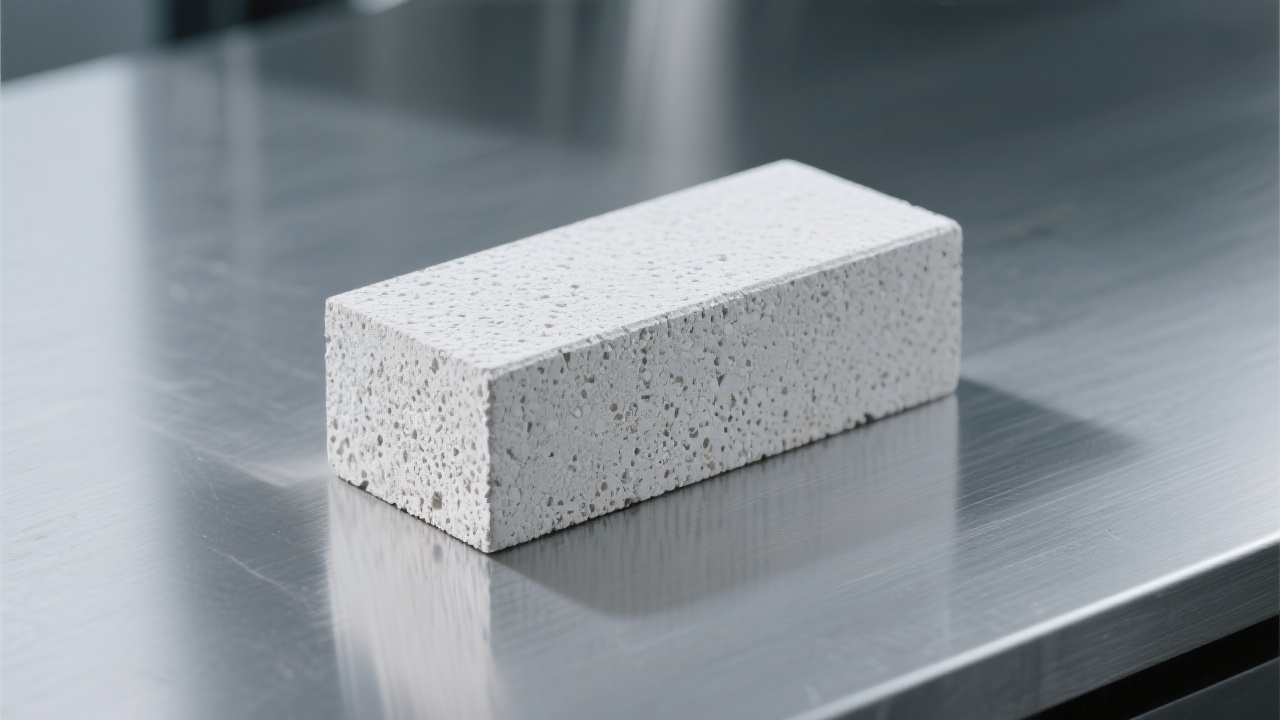
To further prove the effectiveness of the above - mentioned factors, we compared two groups of refractory bricks. One group was produced using the optimized process, and the other was a traditional product. In a 6 - month field test in a steel mill, the optimized refractory bricks showed a 40% longer service life and a 30% lower failure rate compared to the traditional ones. This data clearly demonstrates the superiority of the optimized technology.
Based on the above analysis, we can conclude that by optimizing the raw material ratio, microstructure, sintering process, and considering the service environment, we can significantly improve the thermal shock resistance of high - alumina mullite refractory bricks. When selecting materials, it is recommended to choose products with a mullite - corundum ratio of around 3:2, an appropriate pore distribution, and strong grain boundaries. During installation, ensure proper alignment and sealing to prevent heat leakage. Our company's high - alumina mullite refractory bricks are at the forefront of technology, using the latest optimization processes to solve the pain points of thermal shock failure in the dry quenching system of steel mills. With our products, you can effectively extend the service life of the kiln and reduce the risk of unplanned shutdowns.
Are you interested in our high - performance high - alumina mullite refractory bricks? Click here to learn more about our products and technologies!
We encourage you to share your thoughts and questions. Do you have any experiences with refractory brick failures in your steel mill? What are your concerns about the thermal shock resistance of refractory bricks? Leave your comments below, and let's discuss together!