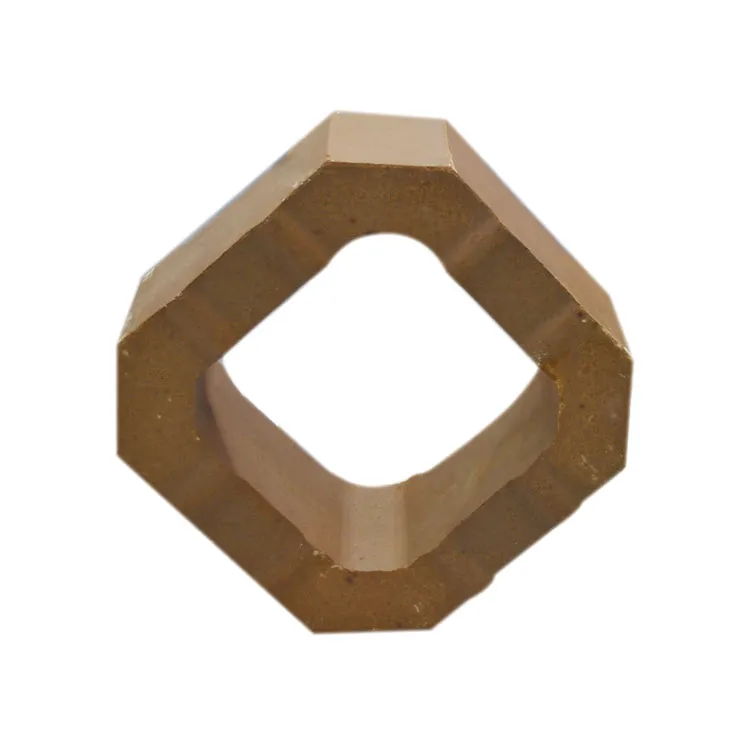
In the demanding environment of dry quenching systems—where temperatures swing from 100°C to over 1,000°C and frequent startups cause severe thermal shock—refractory materials must perform reliably under extreme conditions. Traditional high-alumina bricks often fail within 6–8 months due to cracking and slag erosion, leading to costly downtime and maintenance.
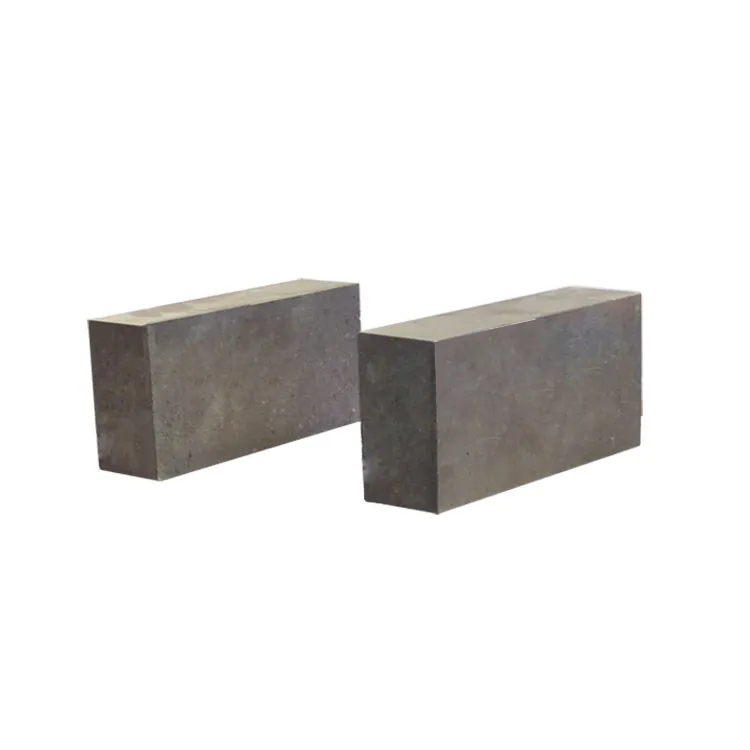
Modern high-alumina mullite refractories now incorporate microcrystalline strengthening technology, which refines grain structure at the nanoscale. This innovation boosts thermal shock resistance by up to 40% compared to conventional bricks, as demonstrated in a 2023 study conducted across three Chinese steel plants using our advanced mullite formulation (see Table 1).
| Performance Metric | Traditional High-Alumina Brick | Microcrystalline Mullite Brick |
|---|---|---|
| Thermal Shock Resistance (cycles @ 800°C) | 20–25 cycles | 35–45 cycles |
| Slag Penetration Depth (mm) | 8–12 mm | 3–5 mm |
| Average Service Life (months) | 6–8 | 14–18 |
Not all areas of a dry quenching system have equal demands. For example:
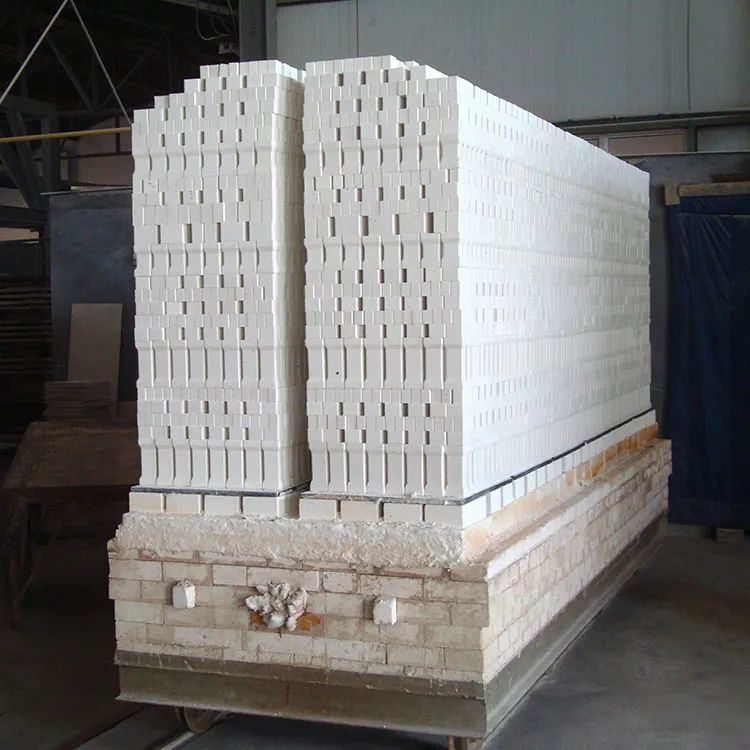
These targeted solutions are not just theoretical—they’ve been validated through real-world installations. One major Indian steel mill reported a 67% reduction in refractory replacement frequency after switching to our mullite bricks, saving $120,000 annually in labor and material costs.
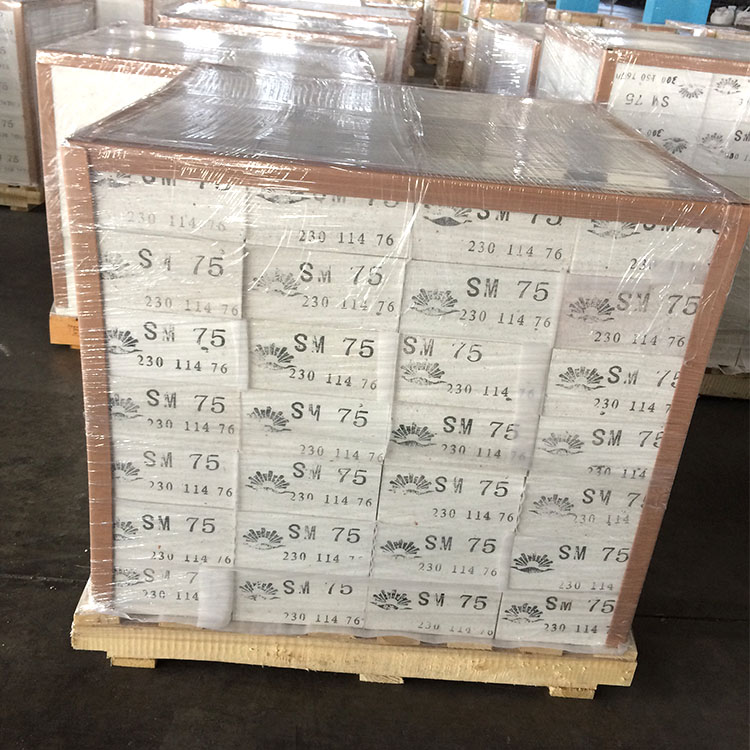
Even the best refractory won’t deliver if installed improperly. Proper expansion joint spacing (typically 3–5 mm per meter), consistent mortar application, and controlled drying schedules can extend service life by another 20–30%. Our technical team provides on-site supervision for critical projects to ensure optimal results.
For metallurgical engineers and plant managers looking to reduce unplanned outages and improve operational efficiency, this isn’t just about better bricks—it’s about smarter engineering decisions backed by data and field-tested performance.
Get a free technical consultation tailored to your facility's unique operating conditions—from material selection to installation best practices.
Download Our Dry Quenching Refractory Guide