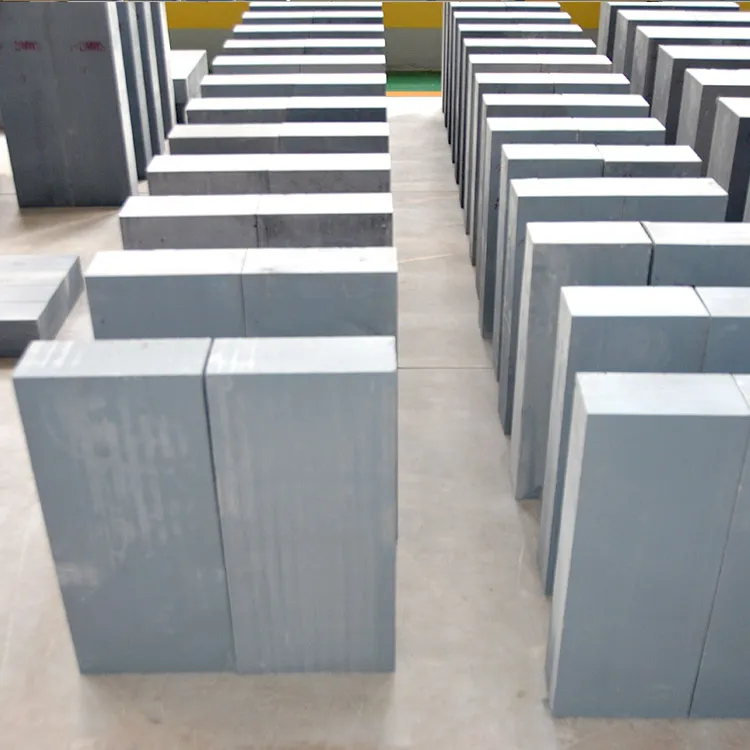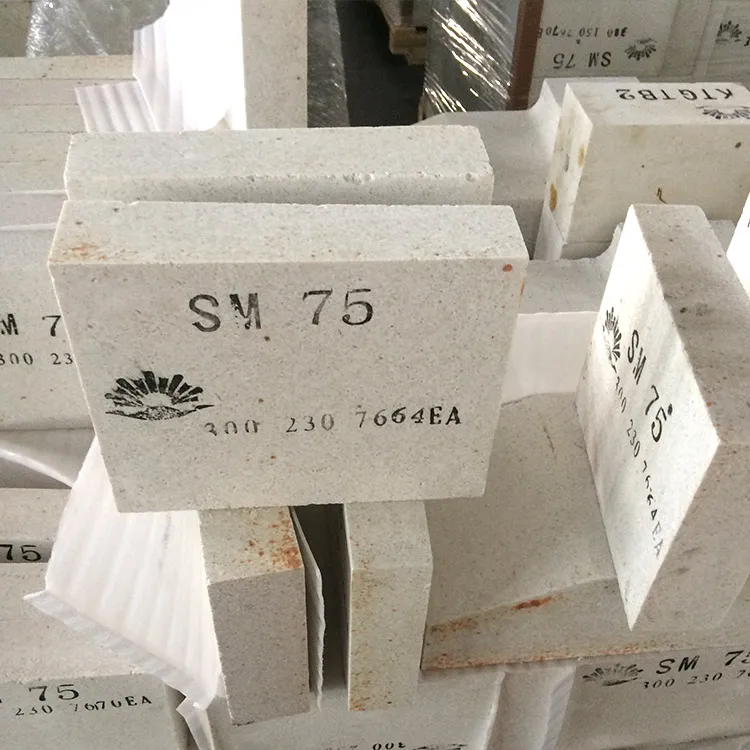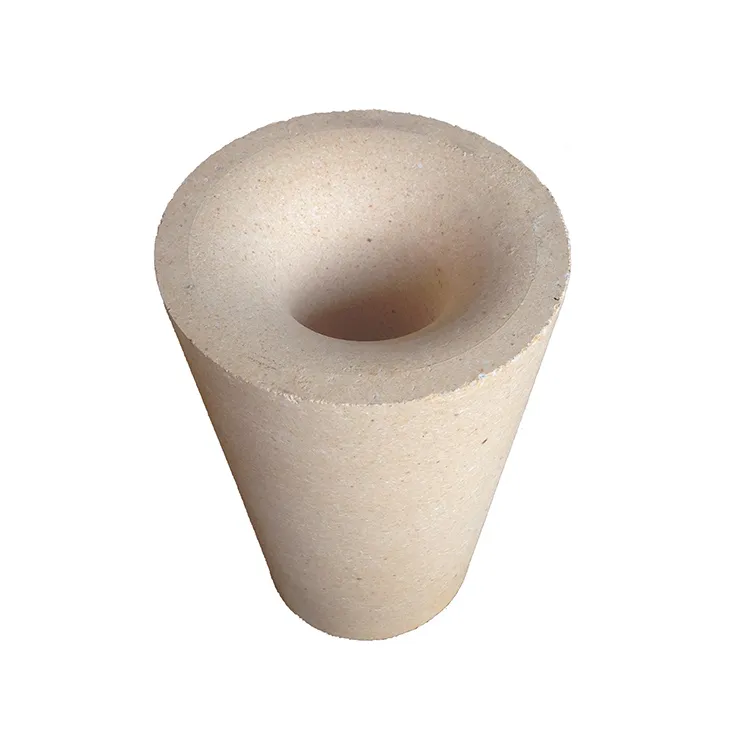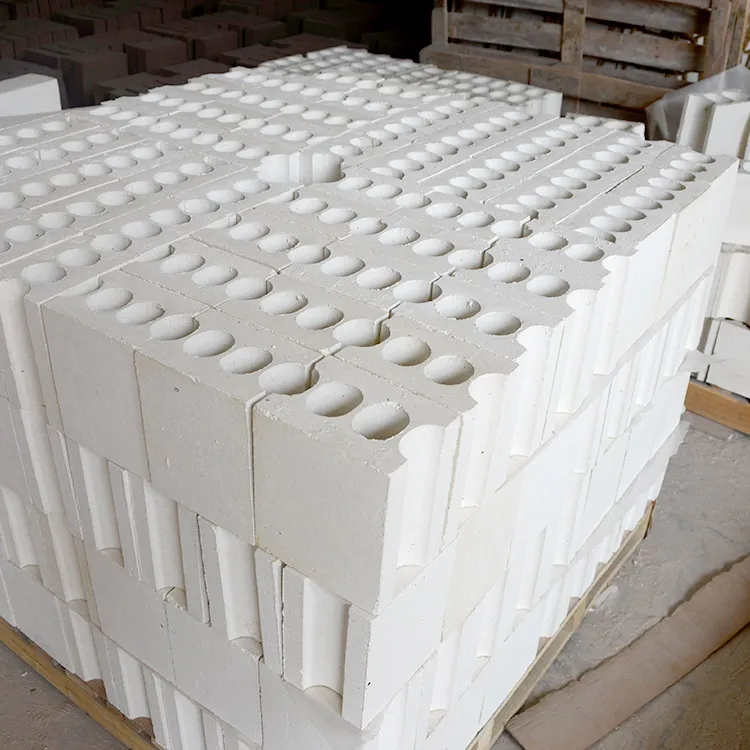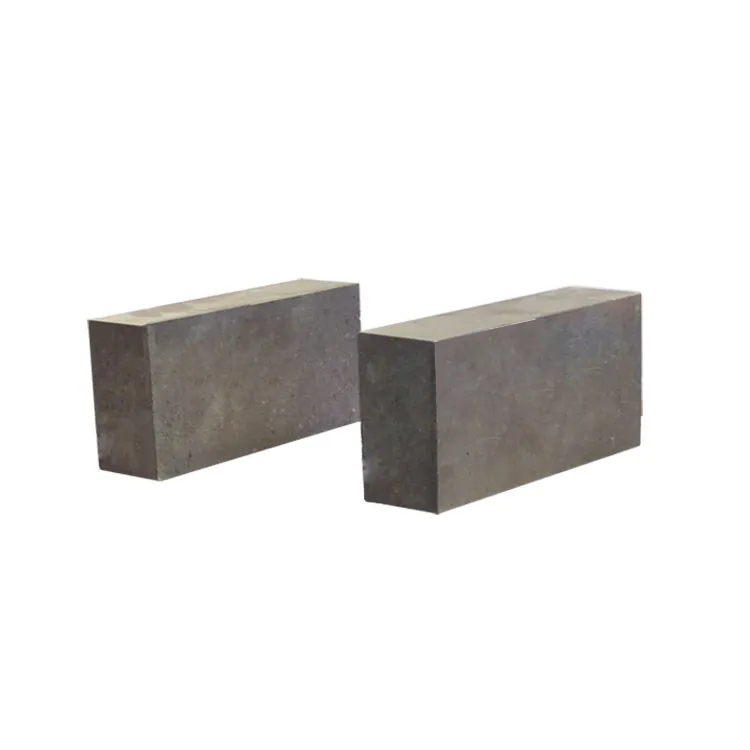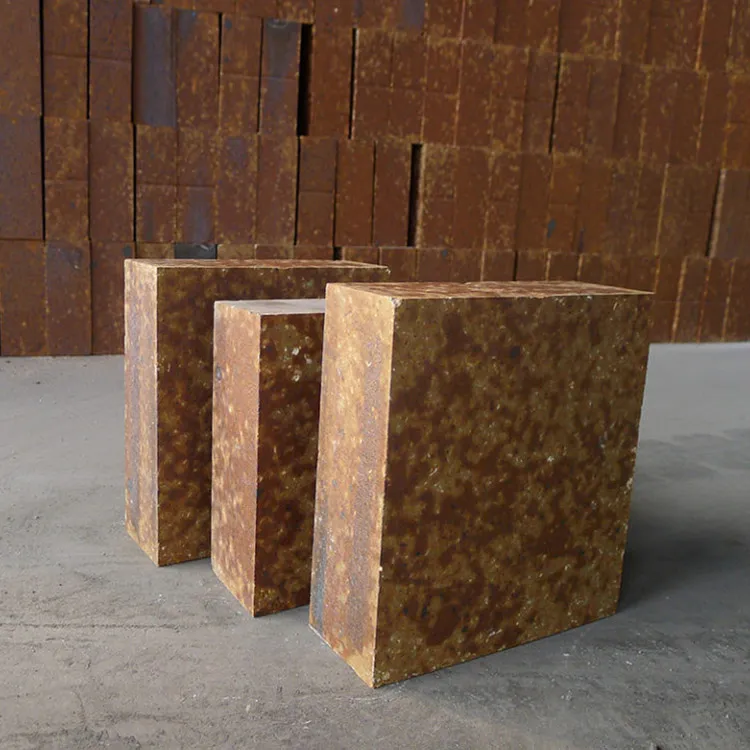
In the high-stakes environment of steel production, where temperatures exceed 1600°C and equipment faces relentless thermal stress, material performance can make the difference between operational success and costly downtime. For decades, steelmakers worldwide have grappled with premature refractory failure in critical zones like coke quenching chutes and charging areas—until the emergence of mullite-silicon carbide refractory bricks from Sunrise. These advanced ceramic composites are redefining durability standards across the steel, coking, and petrochemical industries.
"Our coke oven charging system was experiencing brick replacement every 3-4 months before switching to Sunrise's mullite-SiC bricks. Now we're approaching 14 months of continuous operation with minimal wear—a game-changer for our maintenance budget."
— Steel Production Manager, European Integrated Steel Mill
Traditional refractory materials often fail prematurely in extreme steelmaking environments due to three critical challenges: slag penetration, thermal shock fatigue, and mechanical abrasion. The unique microstructure of Sunrise's mullite-silicon carbide bricks directly targets these failure modes through:
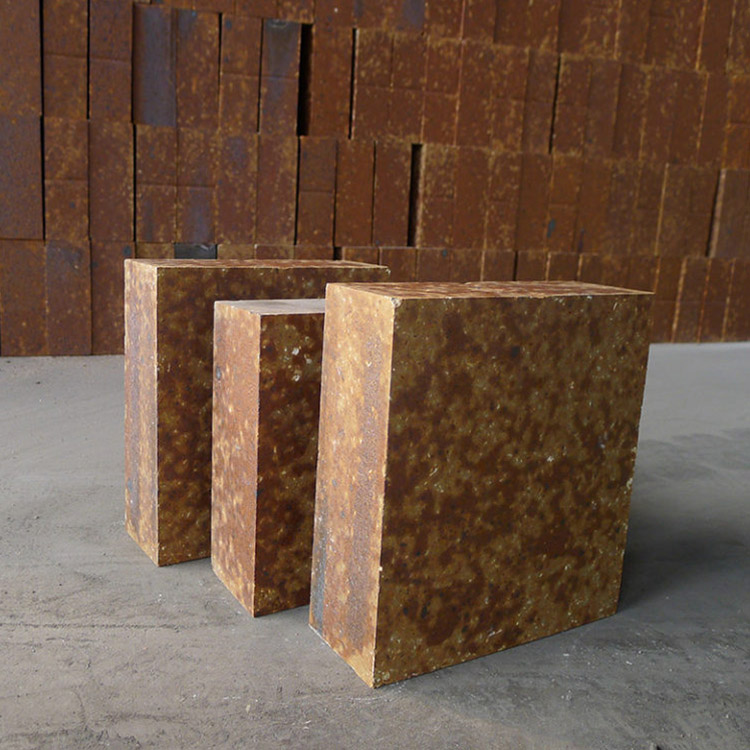
When subjected to rigorous third-party testing, Sunrise's mullite-silicon carbide refractory bricks consistently outperform traditional alternatives across key performance indicators:
| Performance Parameter | Sunrise Mullite-SiC Brick | Conventional Fireclay Brick | Improvement |
|---|---|---|---|
| Cold Crushing Strength (MPa) | ≥180 | 80-120 | +50-125% |
| Modulus of Rupture (MPa at 1400°C) | ≥12 | 4-6 | +100-200% |
| Refractoriness Under Load (°C at 0.2MPa) | ≥1650 | 1450-1550 | +6-14% |
| Thermal Shock Resistance (cycles) | ≥30 | 8-15 | +100-275% |
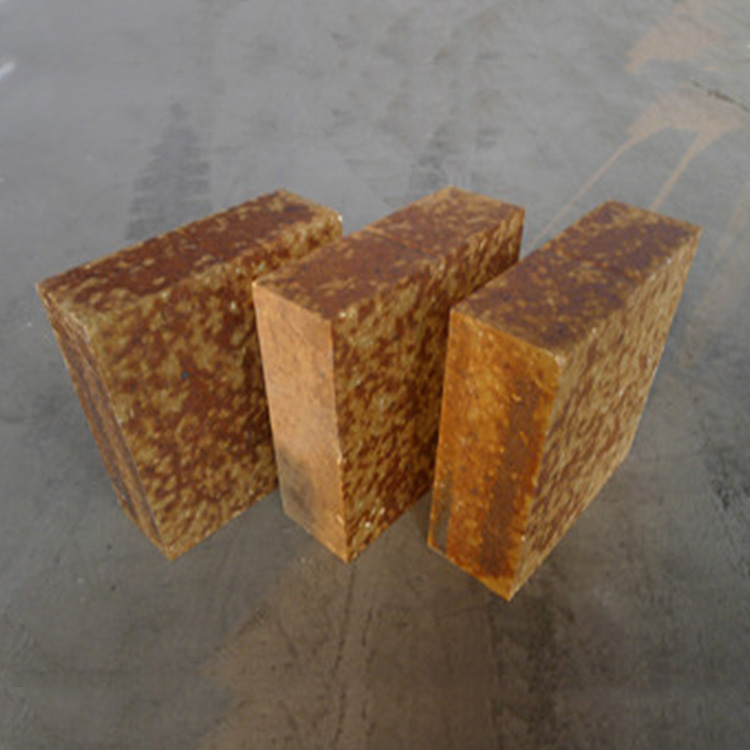
In steelmaking operations, two areas consistently demonstrate the value of advanced refractory solutions: coke quenching chutes and furnace charging zones. These critical components face the harshest combination of thermal cycling, mechanical impact, and chemical attack.
At a major steel facility in the Middle East, conventional bricks in the quenching chute required complete replacement every 45-60 days. After upgrading to Sunrise's mullite-silicon carbide bricks, the maintenance interval extended to 210 days—a 350% improvement that eliminated six unplanned shutdowns annually and reduced maintenance costs by approximately $240,000 per year.
Sunrise's manufacturing process adheres to ISO 9001:2015 standards, with each production batch subjected to rigorous testing including X-ray fluorescence analysis, ultrasonic探伤, and thermal shock testing. This commitment to quality ensures consistent performance across global installations, from European integrated steel mills to Asian foundries.
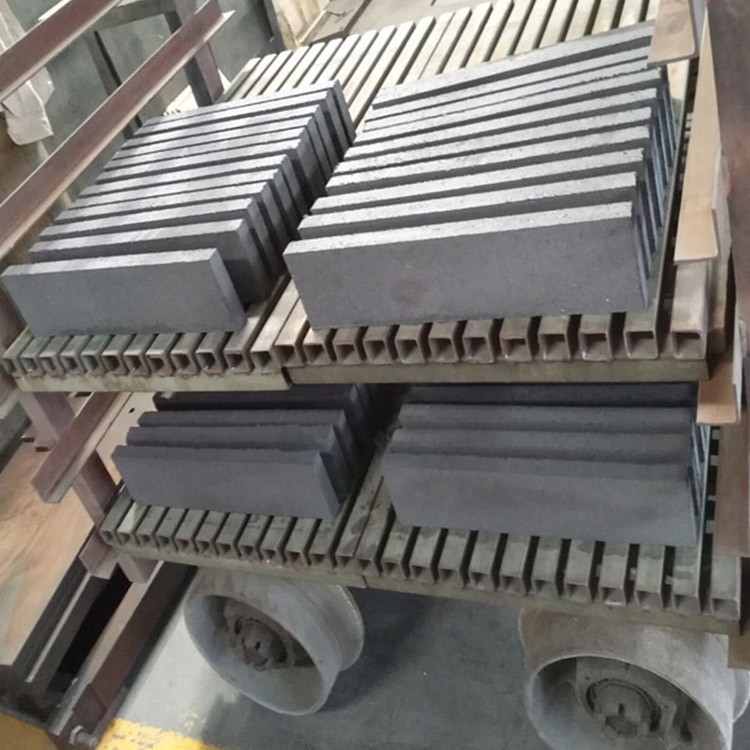
Beyond immediate performance benefits, Sunrise's mullite-silicon carbide refractory solutions align with global industrial sustainability trends. By extending refractory service life and reducing maintenance requirements, steel producers can achieve significant energy savings and carbon footprint reductions. A life cycle assessment conducted by an independent engineering firm confirmed a 22% reduction in CO₂ emissions associated with refractory production, installation, and disposal when compared to conventional materials.
Download our comprehensive technical白皮书 to discover how Sunrise's mullite-silicon carbide refractory solutions can reduce your maintenance costs by up to 40% while improving operational reliability.
Get Your Technical White Paper NowAs steel producers face increasing pressure to improve efficiency, reduce downtime, and meet sustainability targets, material innovation becomes a critical competitive advantage. The unique combination of mechanical strength, thermal stability, and chemical resistance offered by Sunrise's mullite-silicon carbide refractory bricks represents not just an incremental improvement, but a fundamental shift in how high-temperature industrial processes can be optimized for the future.