

In the high - temperature industrial sector, the selection of refractory materials is crucial for ensuring safety, efficiency, and long - term business growth. This article delves into the performance advantages of refractory clay bricks with stable Al₂O₃ content under the latest international refractory material standards.
The stability of Al₂O₃ content in refractory clay bricks is of paramount importance. According to industry research, a stable Al₂O₃ content in high - alumina dense and wear - resistant clay bricks can significantly enhance the overall performance of the bricks. For example, when the Al₂O₃ content is maintained at around 60% - 70%, the refractory clay bricks can achieve excellent refractory degree and wear - resistance.
These bricks have a high refractory degree, which allows them to withstand extremely high temperatures. In high - temperature industrial environments where temperatures can reach up to 1500 - 1800°C, the refractory clay bricks with stable Al₂O₃ content can maintain their structural integrity, ensuring the normal operation of high - temperature equipment.

One of the remarkable features of these refractory clay bricks is their weak acidic property. This property effectively reduces the chemical reactions between the furnace lining materials. Research shows that compared with ordinary refractory materials, the weak acidic refractory clay bricks can reduce the chemical reaction rate by about 30% - 40%. As a result, the service life of the furnace lining is extended, and the replacement frequency is reduced.
When it comes to compatibility with other furnace lining materials, the refractory clay bricks with stable Al₂O₃ content perform excellently. They can coexist well with other materials in the furnace lining, minimizing the risk of material degradation and ensuring the overall stability of the furnace lining structure.
These refractory clay bricks strictly comply with the latest international refractory material standards. International standards such as ISO 1005 - 1:2017 set clear requirements for the physical and chemical properties of refractory materials. Our refractory clay bricks meet or even exceed these standards, providing a reliable guarantee for high - temperature industrial safety.
Let's take a look at some industry cases. In a steel - making plant, after replacing the original furnace lining materials with our refractory clay bricks with stable Al₂O₃ content, the service life of the furnace lining was extended from 12 months to 18 months. At the same time, the production efficiency increased by about 15% due to the reduction of equipment downtime for lining replacement.
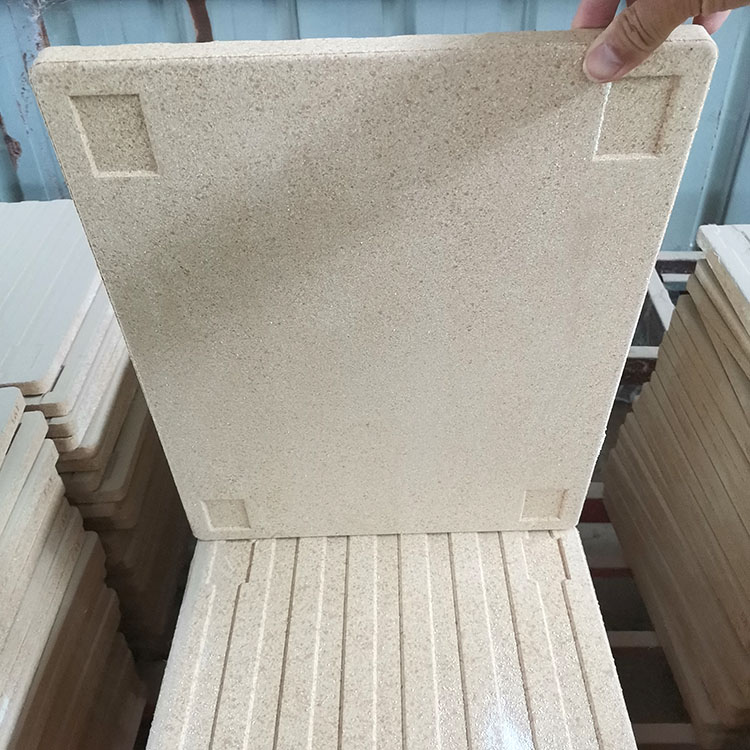
These refractory clay bricks are widely used in various high - temperature industries, including steel - making, cement production, and glass manufacturing. In the steel - making industry, they can be used in electric arc furnaces, ladles, and converters. In the cement industry, they are suitable for rotary kilns and pre - heaters.
From a cost - effectiveness perspective, although the initial investment in these refractory clay bricks may be slightly higher than some ordinary refractory materials, their long - term benefits are significant. The extended service life and reduced replacement frequency can save a large amount of cost in the long run. For example, in a large - scale cement plant, the annual cost savings on furnace lining replacement can reach up to hundreds of thousands of dollars.
If you are a procurement or technical decision - maker in the high - temperature industry, and you are looking for reliable refractory material solutions, our refractory clay bricks with stable Al₂O₃ content are your ideal choice. Click here to learn more about our products and how they can help you improve your industrial operation efficiency, control risks, and achieve business growth.



 <#else>


