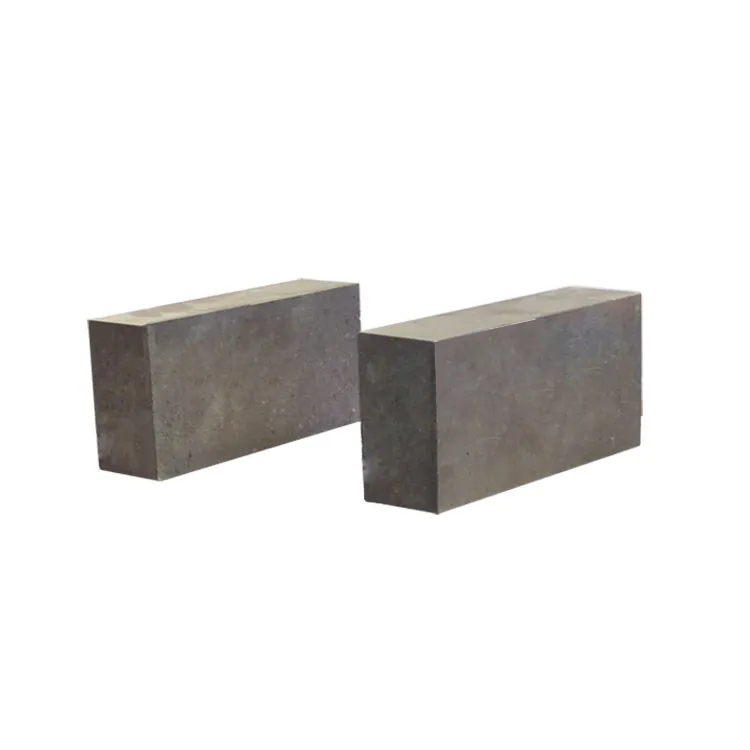
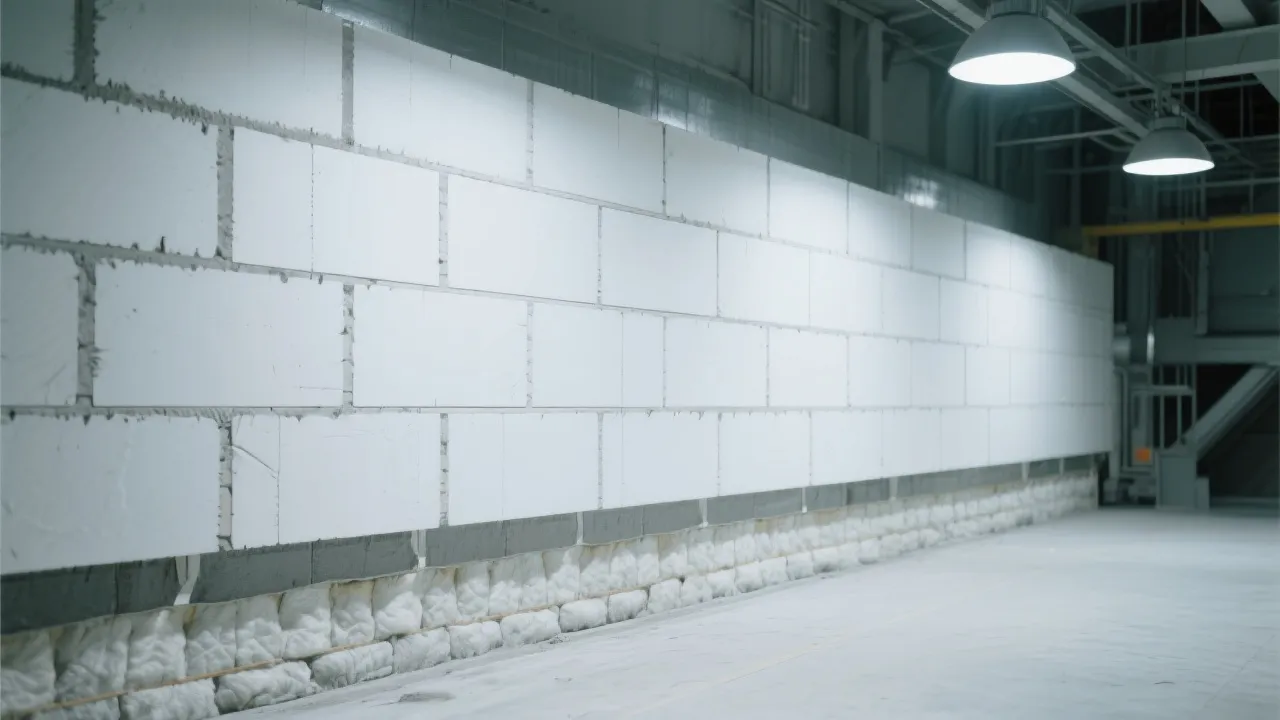
In the highly demanding environment of steel production, dry quenching systems play a vital role in coke cooling while simultaneously recovering heat energy. The reliability and lifespan of refractory bricks used in these systems directly influence operational efficiency and maintenance costs. Among these materials, high-alumina mullite refractory bricks stand out for their superior thermal shock resistance. However, thermal cycling-induced failures remain a critical challenge for steel manufacturers striving for uninterrupted production cycles.
Dry quenching systems have increasingly replaced wet quenching due to environmental and energy recovery advantages. Nonetheless, they subject refractory linings to intense thermal shocks — sometimes exceeding 150 cycles annually. This leads to microstructural degradation, crack initiation, and eventual brick failure, causing unplanned downtime and repair expenses that can inflate maintenance costs by over 25%.
Steel plants report that refractory failure accounts for nearly 40% of maintenance-related stoppages in coke dry quenching units, directly impacting production throughput and operational costs. Thus, enhancing refractory brick durability in high thermal cycling environments holds immense strategic and economic value.
The resistance of high-alumina mullite refractory bricks to thermal shock is governed chiefly by four interconnected factors:
Recent studies involving in-situ monitoring of refractory bricks in dry quenching facilities have quantified failure progression across different formulations and operating conditions. For instance, a dataset from a leading steel producer monitoring 40 high-alumina mullite brick batches indicated bricks with optimized raw material ratios and sintering protocols sustained over 10,000 thermal cycles with less than 5% structural degradation.
Conversely, bricks with inferior microstructural control experienced critical crack formation after merely 3,500 cycles, correlating strongly with higher pore connectivity and heterogeneous grain boundaries. Such findings confirm that material engineering combined with tailored manufacturing processes substantively extend refractory life.
The mullite phase acts as an intrinsic crack arrester due to its needle-like morphology and strong intergranular bonding. Maintaining consistent pore size distribution below 50 microns optimizes thermal shock resistance by enabling controlled thermal expansion and gas permeability.
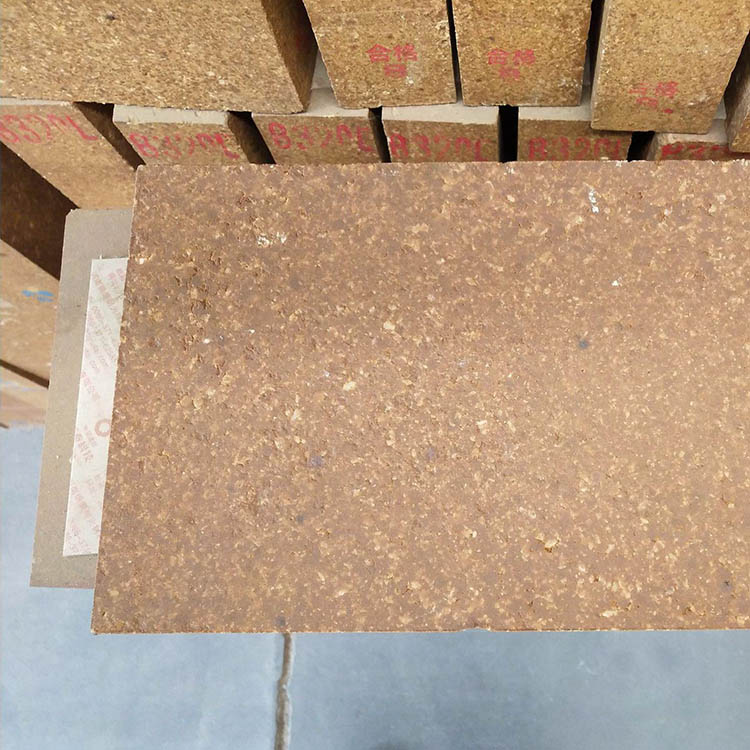
Further, grain boundary clarity and phase purity — illustrated in recent micrograph studies — indicate sintering temperatures must be precisely calibrated. Excessive sintering leads to grain coarsening, reducing mechanical resilience, while insufficient sintering yields fragile grain junctions prone to failure.
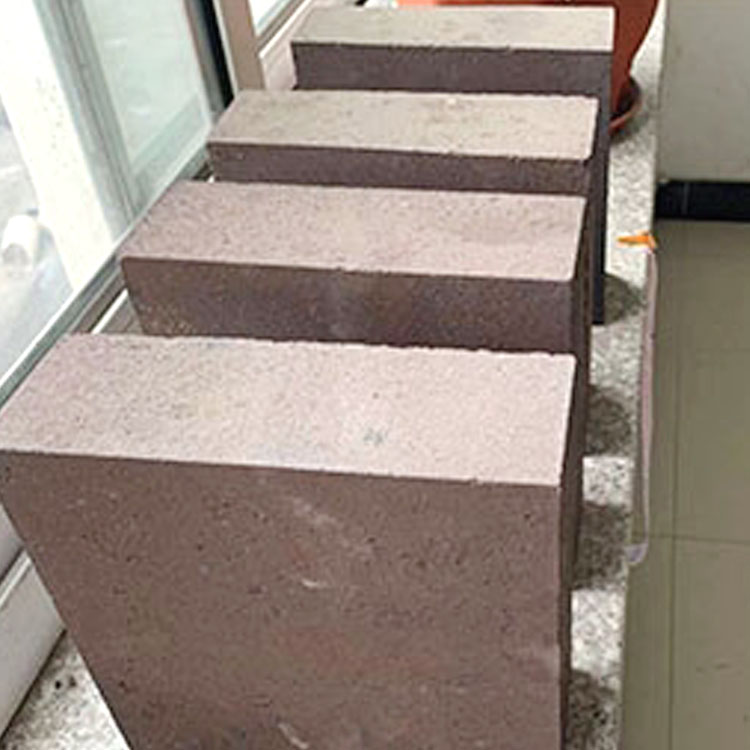
Steel manufacturing stakeholders can substantially mitigate refractory failure risks by implementing the following targeted measures:
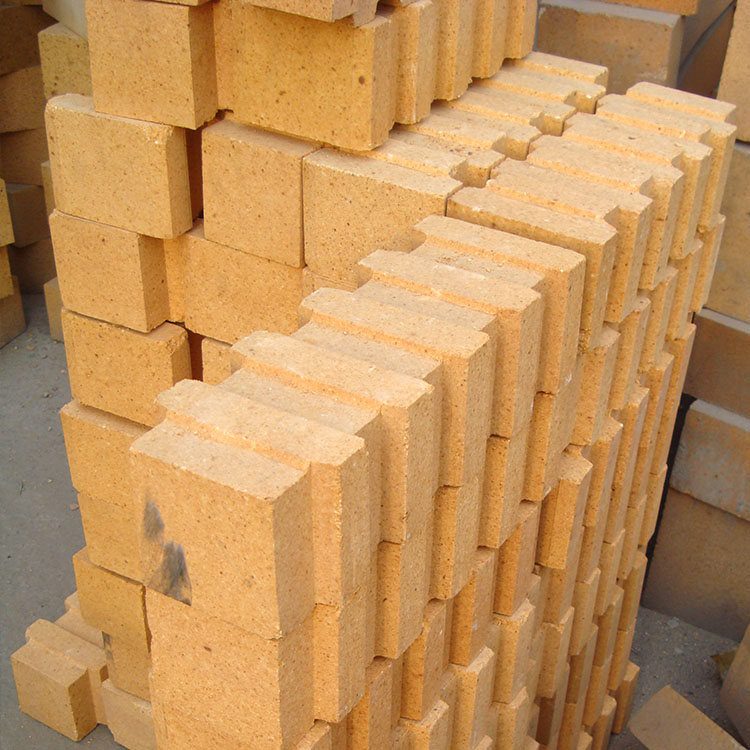
By integrating material science advances with process engineering and proactive asset management, steel plants can enhance refractory brick lifespan by up to 50%, significantly reducing unscheduled outages and associated costs.
What challenges have you faced regarding refractory brick durability in your dry quenching processes? How could customized solutions improve your operational uptime? Share your experiences and questions below — your insight builds a stronger industry knowledge base.